
Best Pewter Home Decor for Elegant Interiors
What Makes Pewter Perfect for Elegant Interiors
- Pewter offers a timeless, classic aesthetic with a soft, matte finish
- Features subtle blue or green undertones that adapt to different lighting conditions
- Pairs beautifully with natural materials like wood, stone, and linen
- Works as a versatile neutral that complements various design styles
- Provides sophistication without overwhelming your space
- Combines historical charm with contemporary appeal
Introduction to Pewter in Home Decor
Pewter has graced homes for centuries, evolving from practical tableware to becoming a hallmark of refined taste in modern interior design. This distinctive metal, with its soft grey lustre and timeless appeal, offers a perfect balance between rustic charm and sophisticated elegance. The allure of pewter lies in its versatility and enduring quality. Unlike flashier metals that may dominate a space, pewter's muted tones create a grounding effect that anchors your interior design while allowing other elements to shine. Its historical significance brings depth and character to contemporary spaces, connecting modern homes with centuries of craftsmanship and tradition.
What makes pewter special is its characteristic soft, matte finish that distinguishes it from chrome, silver, or stainless steel, offering a warmer, more inviting presence in your home. This metal doesn't demand attention like gold or copper might, but instead creates a subtle backdrop that enhances everything around it. The gentle sheen catches light in a flattering way, adding dimension to spaces without creating the harsh glare that more reflective metals can produce. This quality makes pewter particularly well-suited for creating sophisticated environments that feel welcoming rather than cold.
When incorporated thoughtfully into your interior spaces, pewter pieces become more than mere decorative objects—they become conversation starters, family heirlooms, and expressions of refined taste. Whether you're drawn to pewter for its historical connections, its versatile aesthetic, or its ability to bridge traditional and contemporary design, this remarkable metal offers endless possibilities for your home. Throughout this guide, we'll explore the many ways to incorporate this timeless metal into your home, from statement pieces to subtle accents that can transform ordinary rooms into extraordinary spaces.
The Historical Significance of Pewter
Pewter's rich history dates back thousands of years, with evidence of its use found in ancient Egyptian tombs and Roman households. This alloy, traditionally composed of tin with small amounts of copper, antimony, and sometimes lead (though modern pewter is lead-free), gained immense popularity in medieval Europe where it became the material of choice for everyday tableware and household items. The Romans introduced pewter to Britain during their invasion, drawn by England's abundant tin supplies, which would later make the country a center for pewter production. This long historical timeline gives pewter a depth of cultural significance that few other decorative materials can claim, connecting contemporary homes with centuries of human craftsmanship and domestic life.
During the 16th and 17th centuries, pewter reached its golden age in Britain, where skilled pewterers formed guilds and created exquisite pieces that ranged from humble tankards to elaborate ceremonial vessels. The Worshipful Company of Pewterers, formed in 1348 and granted a Royal Charter in 1473, regulated the quality and standards of pewter manufacturing throughout England. These craftsmen developed techniques that allowed pewter to mimic more expensive silver items, making elegant design accessible to a broader audience. This democratization of beauty is part of what makes pewter so special—it brings a touch of luxury and history into homes without the prohibitive cost of precious metals. The guild's touch marks, stamped on quality pewter, became early examples of consumer protection and brand identification that we still value today.
The traditional craftsmanship involved in creating pewter items has been preserved through generations, with methods passed down through families and guilds. While pewter's popularity declined during the 18th century with the rise of pottery, glass, and other materials, it experienced a renaissance during the Arts and Crafts movement of the late 19th century and the art nouveau period of the early 1900s. Today, contemporary pewter artists continue to create both traditional and innovative designs, ensuring that each piece carries not just beauty but historical significance. When you introduce pewter into your home, you're connecting with this rich heritage and bringing a piece of living history into your everyday environment. This connection to the past gives pewter objects a depth and authenticity that mass-produced decorative items simply cannot match.
Characteristics That Make Pewter Ideal for Elegant Interiors
Pewter possesses several distinctive qualities that make it exceptionally well-suited for creating elegant interiors. First among these is its understated lustre—pewter doesn't gleam with the harsh brightness of chrome or silver but instead offers a subtle glow that catches light in a gentle, flattering way. This soft reflectivity adds dimension to spaces without creating glare or visual distraction, making it perfect for creating sophisticated environments that feel welcoming rather than cold or clinical. Interior designers often praise this quality, noting that pewter creates depth and interest without competing with other design elements or overwhelming the visual harmony of a space.
The distinctive grey tone of pewter features subtle blue or green undertones that shift depending on surrounding colours and lighting conditions. This chameleon-like quality allows pewter to integrate seamlessly with various colour palettes, from cool blues and greens to warm neutrals and earth tones. In natural daylight, pewter takes on a bright, clean appearance, while in the soft glow of evening lamps, it develops a warmer, more intimate character. This adaptability makes pewter an excellent choice for spaces that transition from day to night use, maintaining its beauty regardless of lighting conditions. Design professionals often leverage this versatility, using pewter as a bridging element to unite different color schemes throughout an interior.
Another remarkable characteristic of pewter is its tactile quality. The metal has a pleasing weight and a slightly cool touch that invites interaction. Unlike mass-produced items made from lesser materials, handcrafted pewter pieces develop a patina over time that tells the story of your home. This living finish grows more beautiful with age and use, developing character that mass-produced decorative items simply cannot match. Each small mark or subtle change in coloration adds to the piece's history and charm, creating objects that feel meaningful and personal. This authentic aging process stands in stark contrast to the way many contemporary materials deteriorate, making pewter a wise investment for those seeking lasting beauty rather than temporary trends.
Pewter's Distinctive Properties
- Visual Texture: Matte finish with subtle variations that add depth to interiors
- Adaptability: Complements both traditional and contemporary design schemes
- Durability: Resistant to corrosion and maintains its beauty for generations
- Patina Development: Develops character over time, becoming more beautiful with age
- Temperature: Maintains a cool-to-touch quality that contrasts beautifully with warmer materials
The durability of pewter cannot be overstated—quality pewter pieces can last for generations with minimal care. Unlike trendy decorative items that quickly show their age or fall out of fashion, pewter possesses a timeless quality that transcends passing fads. This longevity makes pewter not just a decorative choice but an investment in your home's aesthetic future. While pewter can develop dents and scratches over time, these imperfections add to its character rather than diminishing its appeal, telling the story of a well-loved home where life happens. This forgiving nature makes pewter particularly well-suited for family homes where perfection isn't always practical or desirable. Many collectors note that their most treasured pewter pieces are those with slight imperfections that record family history and use, making them truly irreplaceable despite not being technically "perfect."
Styling Pewter in Different Interior Design Themes
Pewter's remarkable versatility allows it to enhance virtually any interior design style, from rustic country cottages to sleek contemporary apartments. This adaptability stems from pewter's balanced nature—neither too formal nor too casual, neither too traditional nor too modern. It can be the star of the show or play a supporting role, depending on how you choose to incorporate it into your design scheme. Let's explore how this chameleon-like metal can be styled across different design aesthetics to create spaces that feel both cohesive and personal. Understanding these styling principles will help you integrate pewter effectively regardless of your preferred interior design direction.
In traditional interiors, pewter provides historical authenticity and refined elegance. Paired with rich woods, damask fabrics, and classic furniture silhouettes, pewter candlesticks, serving pieces, and decorative bowls add gravitas and a sense of heritage. The metal's subtle patina complements the depth and layered quality that defines traditional spaces, while its historical associations reinforce the timeless appeal of this design direction. Consider displaying a collection of antique pewter plates on a dining room wall or arranging pewter candlesticks of varying heights on a mahogany sideboard to create a sense of established elegance that feels collected over time rather than purchased all at once. These thoughtful arrangements create visual interest while honoring pewter's traditional roots and creating a sense of continuity with the past.
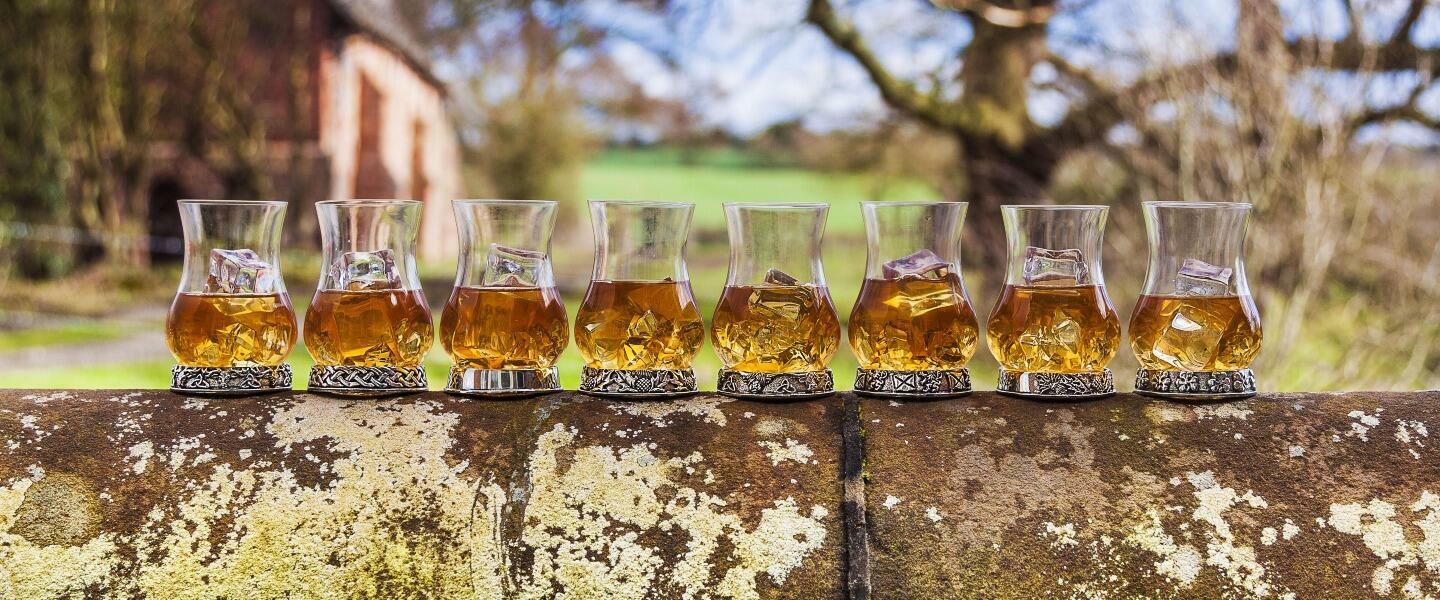
For modern and contemporary interiors, pewter offers a sophisticated alternative to the expected chrome and steel finishes. Its softer appearance brings warmth to minimalist spaces that might otherwise feel cold or sterile. In these settings, opt for pewter pieces with clean lines and minimal ornamentation—simple vases, geometric sculptures, or architectural bookends. The contrast between pewter's ancient heritage and contemporary forms creates a compelling visual tension that adds depth and interest to modern interiors. A large pewter bowl centered on a glass coffee table or pewter-framed mirrors with simple profiles can introduce the perfect balance of warmth and refinement to sleek, contemporary rooms. Leading interior designers often recommend this juxtaposition of old and new to create spaces that feel thoughtfully curated rather than rigidly themed or predictably modern.
In transitional spaces that blend elements of both traditional and contemporary design, pewter serves as a perfect bridging element. Its historical roots satisfy the traditional aspect, while its clean lines and neutral coloration work beautifully with more modern elements. Consider incorporating pewter lighting fixtures, hardware, or mirror frames in these spaces to create cohesion between different design elements. Pewter's ability to complement both ornate antiques and streamlined modern pieces makes it invaluable in creating harmonious transitional interiors that feel thoughtfully curated rather than confused or disjointed. This bridging capability makes pewter particularly valuable in homes where family members have different aesthetic preferences or in spaces that need to serve multiple functions without sacrificing stylistic consistency.
Design Styles Enhanced by Pewter
Traditional
Enhances heritage elements and brings historical authenticity
Contemporary
Adds warmth and sophistication to minimalist spaces
Transitional
Bridges classic and modern elements seamlessly
Farmhouse/Country
Provides authentic charm and rustic elegance
For those drawn to farmhouse or country aesthetics, pewter's connection to traditional craftsmanship makes it a natural fit. In these more casual settings, pewter tankards, pitchers, and serving dishes bring authenticity and charm. Display these pieces on open shelving or in glass-fronted cabinets where their beauty can be appreciated daily. Pewter's slightly worn and imperfect appearance aligns perfectly with the lived-in comfort that defines farmhouse style. Mix pewter with earthenware pottery, woven textiles, and weathered woods to create spaces that feel both rustic and refined—country living with an elevated sensibility that avoids clichés. This combination creates interiors that feel authentic and welcoming rather than contrived, allowing the natural beauty of each material to enhance the others through thoughtful contrast and complementary textures.
Statement Pewter Pieces for Focal Points
Every well-designed room benefits from thoughtfully chosen focal points that draw the eye and anchor the space. Pewter, with its substantial presence and timeless appeal, offers excellent opportunities for creating these important design moments. Strategic placement of significant pewter pieces can transform your interior from pleasant to truly memorable, giving rooms a sense of purpose and personality that generic decorating schemes often lack. These statement pieces become the heart of your design, around which other elements can be arranged to create cohesive, impactful interiors. Interior designers often recommend beginning your design process by selecting these key pieces first, then building the rest of your scheme around their scale, finish, and character.
Large pewter vessels make exceptional statement pieces, particularly when positioned where they can catch and reflect light. A substantial pewter bowl centered on a dining table or console creates an immediate impression of luxury and permanence. Fill it seasonally with natural elements—pinecones in winter, fresh fruit in summer—or leave it empty to appreciate its form and craftsmanship. The weight and presence of a significant pewter piece provides visual anchoring that helps ground a space, preventing rooms from feeling insubstantial or hastily assembled. These pieces communicate quality and thoughtfulness, elevating everything around them through their quiet dignity. Unlike trendy decorative objects that quickly become dated, substantial pewter pieces maintain their relevance and beauty regardless of changing fashion, making them wise investments for your home's long-term aesthetic.
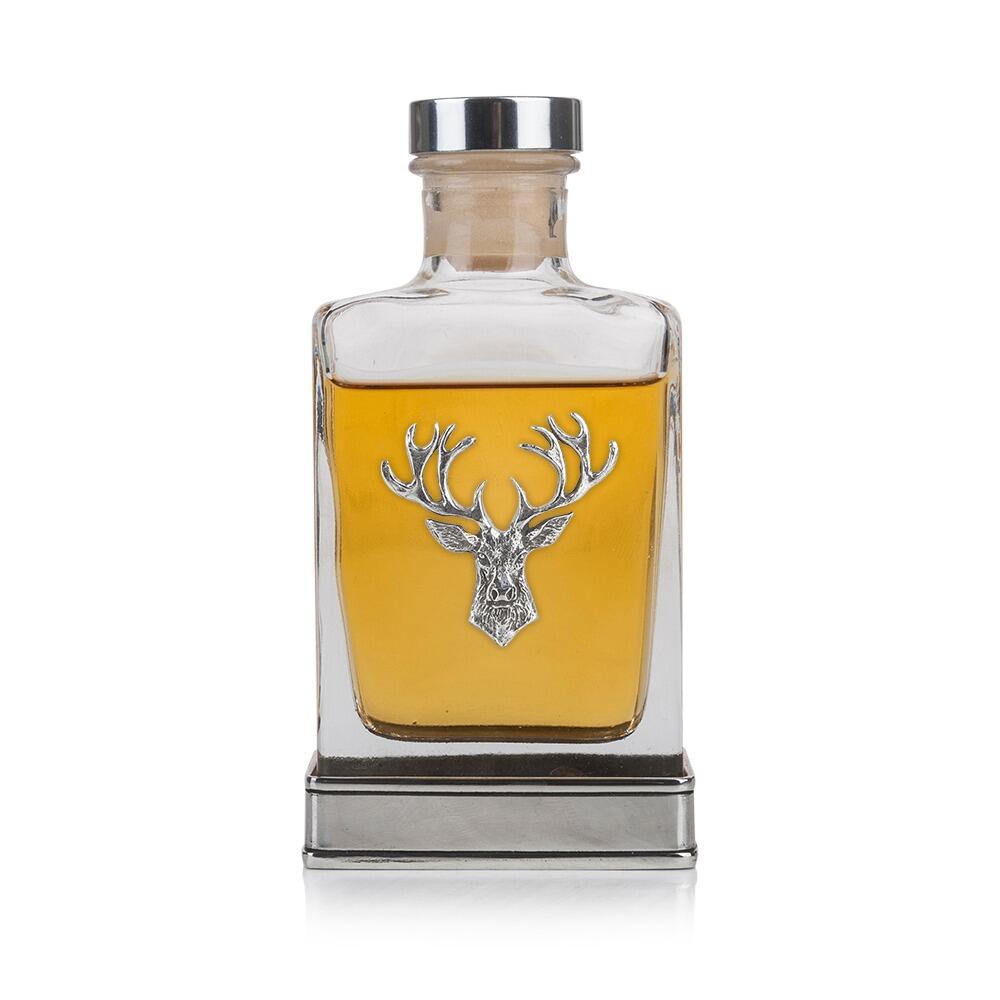
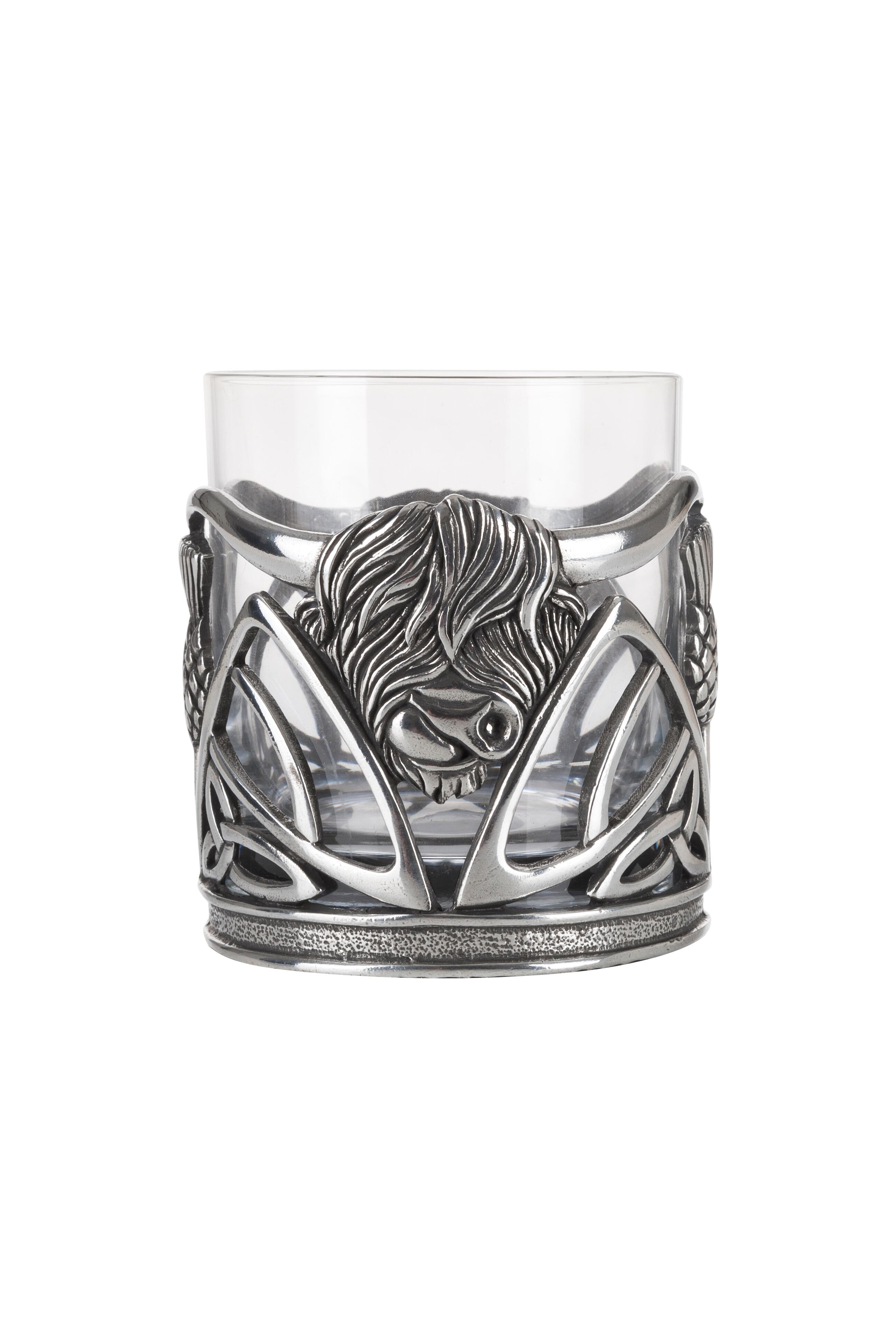
Wall-mounted pewter pieces provide another opportunity to create visual impact. Consider a collection of pewter plates arranged in a geometric pattern, or a single large charger positioned as wall art. The subtle variations in the metal's surface create interest as light changes throughout the day, giving these displays a dynamic quality that printed artwork cannot match. Unlike paintings or photographs that remain static, pewter wall arrangements shift in appearance as daylight transitions to evening illumination, creating living art that responds to its environment. This changeability keeps spaces feeling fresh and engaging, revealing new details and effects as lighting conditions evolve. Museum curators and design historians often note that this interactive quality—the way pewter responds to and reflects its surroundings—is part of what has made it such an enduring element in fine interiors throughout the centuries.
Lighting fixtures in pewter create both literal and figurative highlights in your interior. A substantial pewter chandelier or pendant light becomes a sculptural element that commands attention even when not illuminated. Table lamps with pewter bases provide a solid foundation for softer elements like lampshades, creating a pleasing balance between weight and lightness. The way pewter interacts with light—softly reflecting it rather than creating harsh glare—makes it particularly well-suited for lighting applications, where it creates a warm, flattering glow that enhances both the space and its occupants. These fixtures become functional art that transforms the atmosphere of a room through both their physical presence and the quality of light they produce. Lighting designers often select pewter for its ability to diffuse and soften light, creating environments that feel simultaneously sophisticated and welcoming—a balance that's difficult to achieve with more reflective or industrial metals.
Pewter Accents and Accessories for Subtle Elegance
While statement pieces create immediate impact, the true sophistication of an interior often lies in its thoughtful details. Smaller pewter accents and accessories provide opportunities to layer in elegance throughout your home, creating a cohesive design that reveals itself gradually to observers. These more subtle elements reward closer inspection and add richness to your decorative scheme without overwhelming the space. They're the finishing touches that transform a nice room into an exceptional one, showing attention to detail and a commitment to quality that elevates the entire environment. Interior stylists often note that these smaller elements create the "language" of a space, communicating your design intentions and personal taste in ways that larger pieces alone cannot achieve.
Tabletop accessories in pewter bring refinement to everyday surfaces. Consider pewter picture frames displaying cherished photographs, small decorative boxes for holding treasures, or a collection of candlesticks in varying heights. These pieces add dimension and interest to mantels, bookshelves, and side tables without overwhelming the space. Their neutral coloration allows them to complement any color scheme, while their substantial weight and quality craftsmanship provide a tactile pleasure that mass-produced accessories often lack. Arranging these smaller pieces in thoughtful vignettes creates moments of beauty throughout your home that can be appreciated during daily activities. Professional stylists recommend grouping these items in odd numbers and varying heights to create visually pleasing arrangements that draw the eye without appearing cluttered or haphazard.
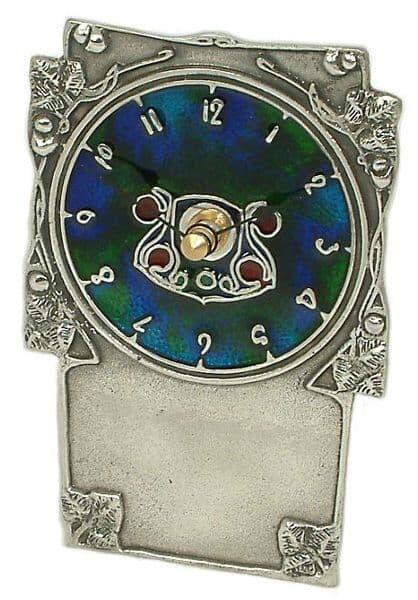
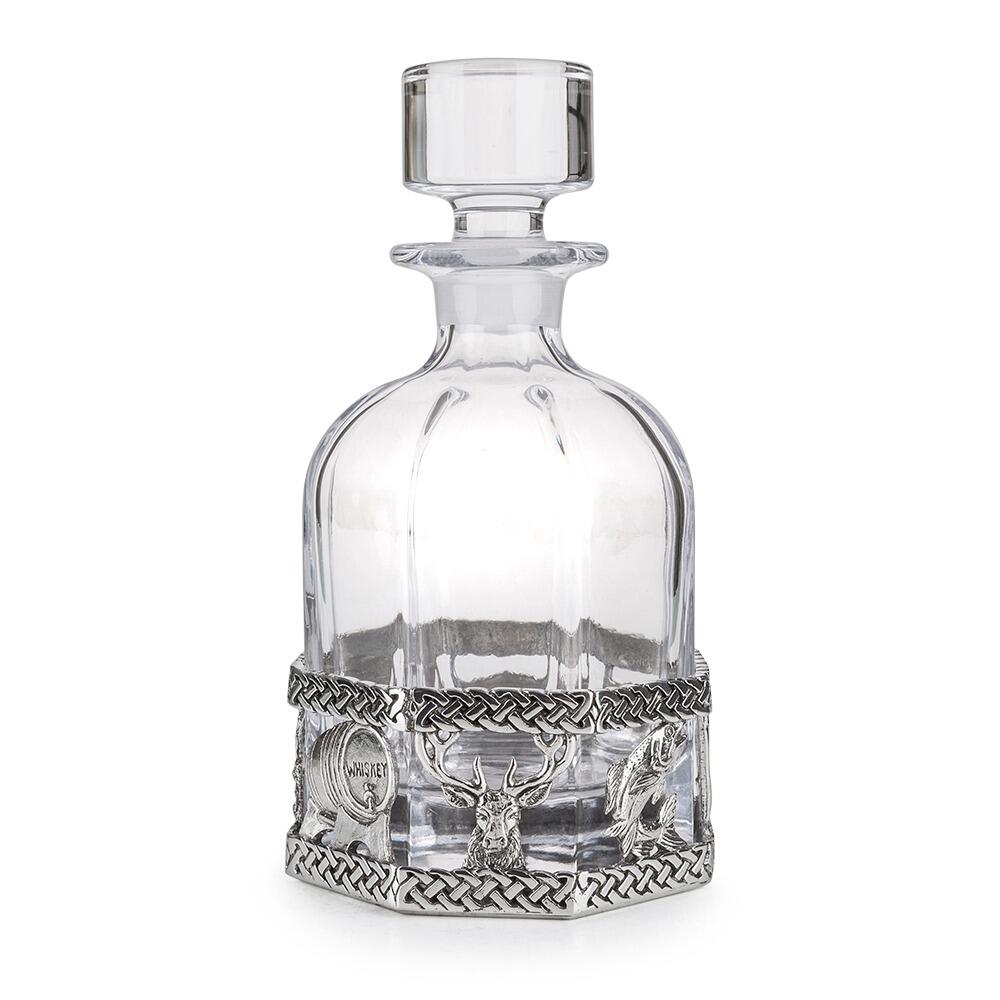
In the dining room or kitchen, pewter salt and pepper shakers, napkin rings, or small serving pieces elevate everyday meals. Unlike silver, pewter doesn't require polishing to maintain its beauty, making these functional accessories practical as well as decorative. Their presence on your table signals attention to detail and appreciation for quality that guests will notice. Even the simplest meal feels more special when served with pewter accessories, transforming ordinary dining into a more meaningful ritual. The weight of pewter in the hand provides a subtle but significant tactile pleasure that enhances the dining experience, making it more mindful and enjoyable. Culinary experts and entertaining specialists often recommend investing in these small pewter dining accessories as a way to elevate everyday meals without the fuss and maintenance requirements of more precious metals that might be reserved only for special occasions.
Bathroom accessories in pewter bring a spa-like luxury to your daily routine. Soap dishes, toothbrush holders, and tissue box covers in this material create a cohesive look that stands apart from mass-produced plastic alternatives. The metal's natural resistance to moisture makes it particularly well-suited to bathroom environments, where it maintains its beauty despite challenging conditions. These small upgrades to everyday items demonstrate a commitment to quality and beauty in all aspects of life, not just in public spaces where guests might see them. They're a form of self-care, surrounding yourself with objects that bring pleasure through both their appearance and their functionality. Interior designers specializing in bathroom spaces often recommend pewter accessories as a way to introduce character and warmth to rooms that might otherwise feel clinical or utilitarian, creating environments that feel more like personal sanctuaries than merely functional spaces.
Incorporating Small Pewter Accents
Clustered Arrangements
Group similar pewter pieces in odd numbers for visual interest
Mixed Materials
Pair pewter with glass, wood, or ceramics for textural contrast
Functional Focus
Choose useful pewter items that enhance daily activities
Thoughtful Placement
Position pewter where it will catch natural light to highlight its subtle lustre
Don't overlook the impact of pewter hardware throughout your home. Cabinet pulls, doorknobs, and switch plates in pewter create a consistent thread of elegance that ties rooms together. These small touches may seem insignificant individually, but collectively they create a sense of intention and quality that defines truly sophisticated interiors. Unlike trendy hardware finishes that quickly date a space, pewter offers timeless appeal that will look as appropriate ten years from now as it does today. This longevity makes pewter hardware a wise investment that will continue to enhance your home's aesthetic value over time, regardless of other decorative changes you might make. Architects and designers often recommend these consistent hardware elements as a way to create visual continuity throughout a home, subtly connecting different spaces without requiring them to be identically decorated. This approach creates homes that feel thoughtfully designed rather than assembled from disparate elements without consideration for how they relate to one another.
Pewter in Different Rooms: Placement and Purpose
Each room in your home presents unique opportunities for incorporating pewter elements that enhance both function and beauty. By considering the specific needs and activities of different spaces, you can select pewter pieces that contribute meaningfully to your daily experience while elevating your interior design. This thoughtful approach ensures that your pewter items aren't just decorative but truly integrated into the life of your home, where they can be appreciated and enjoyed as part of your everyday routines. Let's explore how pewter can enhance various rooms throughout your home, addressing the particular requirements and possibilities of each area to create spaces that are both beautiful and functional.
The living room, as a central gathering space, benefits from pewter's ability to create both drama and subtlety. Consider a substantial pewter coffee table as an anchor for your seating arrangement, or incorporate pewter-framed mirrors to expand the sense of space and reflect light. Table lamps with pewter bases provide sophisticated lighting for evening conversations, while decorative objects like pewter bowls or sculptures add personality to bookshelves and side tables. For a cohesive look, consider pewter picture frames in varying sizes to display family photographs or artwork. Unlike plastic or wooden frames that may vary slightly in color, pewter frames create a unified presentation that looks intentional and curated. This consistency helps create a sense of harmony in the living room, where multiple elements often compete for attention. The subtle reflectivity of pewter also helps brighten the space, particularly in rooms with limited natural light.
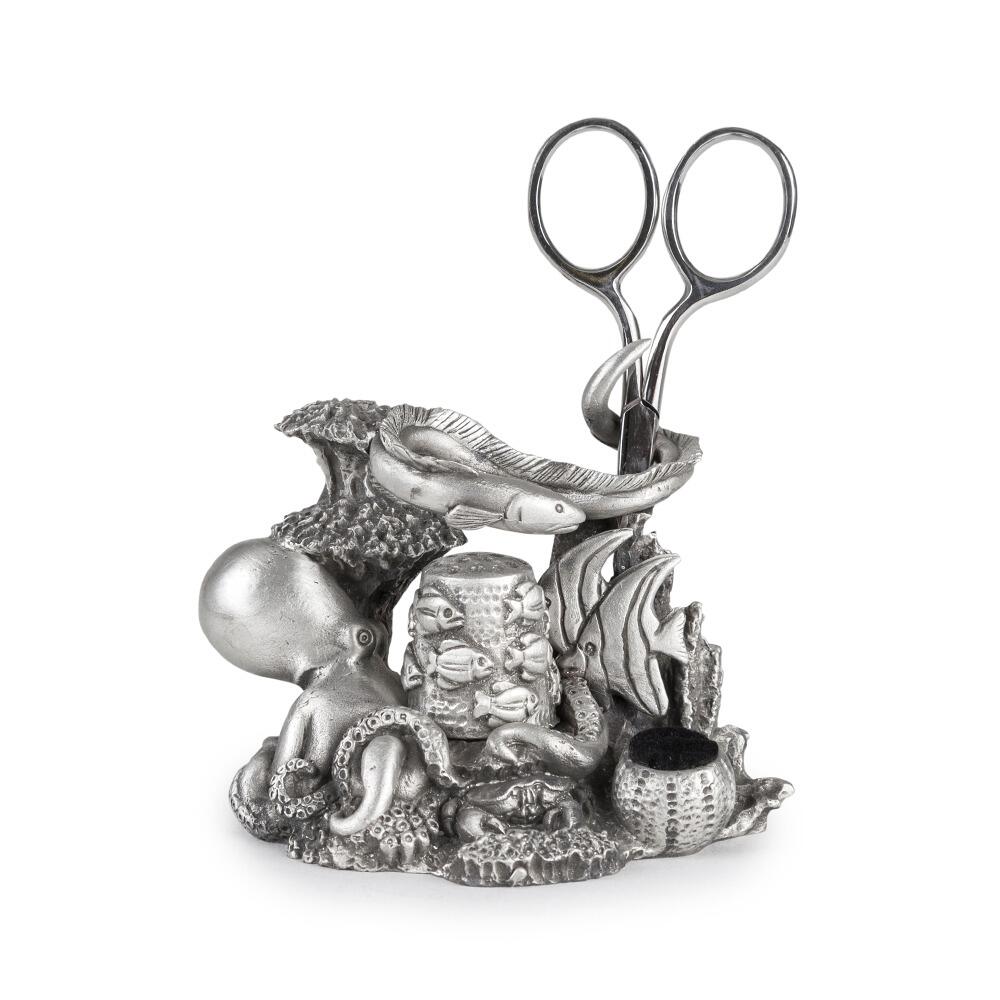
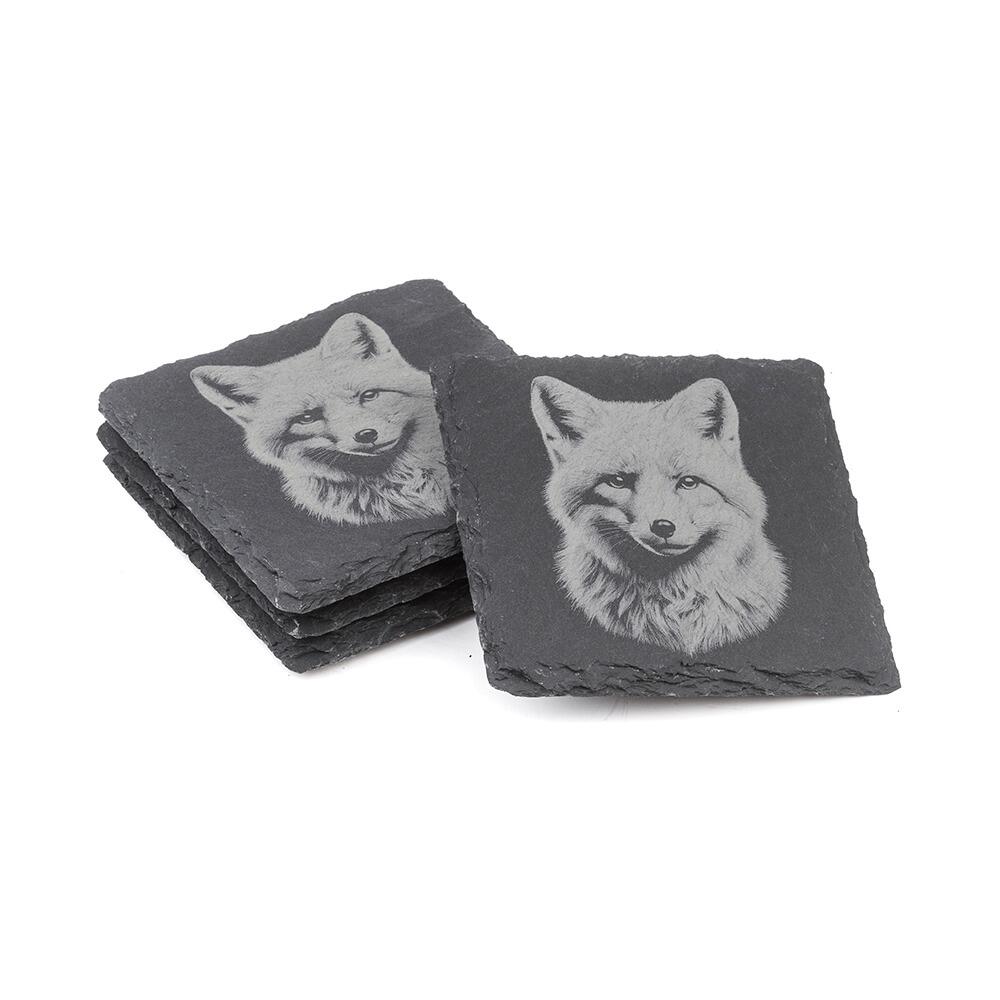
The dining room offers perhaps the most natural setting for showcasing pewter's beauty and heritage. Traditional pewter tableware—from chargers and serving platters to candlesticks and napkin rings—brings historical resonance and elegance to meals both everyday and special. A substantial pewter centerpiece bowl or candelabra creates a focal point that sets the tone for gatherings. Consider a pewter chandelier or pendant light above the dining table to create a sense of occasion. The metal's subtle reflectivity will enhance candlelight during evening meals, creating a flattering glow that enhances both the food and the company. A sideboard or buffet topped with pewter serving pieces creates a ready station for entertaining while displaying your collection. This arrangement not only looks beautiful but serves a practical purpose, keeping serving pieces easily accessible when needed. Historical dining traditions often featured extensive pewter collections, and incorporating these elements connects your home with centuries of entertaining customs.
In the kitchen, pewter's practicality shines alongside its beauty. Historically used for tableware due to its non-reactive properties, pewter makes excellent measuring cups, spoons, and serving utensils that can be displayed rather than hidden away. A pewter utensil holder beside the stove keeps frequently used tools within reach while adding a decorative element to your cooking space. Open shelving provides an opportunity to display pewter plates, mugs, or serving pieces that combine beauty with functionality. Unlike purely decorative items, these pieces earn their keep by transitioning easily from display to use when needed. Their presence elevates everyday activities like morning coffee or casual meals into more special experiences. Culinary experts often note that beautiful tools enhance the cooking experience itself, making food preparation more enjoyable and mindful. The weight and balance of quality pewter utensils provide tactile pleasure that plastic or lightweight metal alternatives simply cannot match.
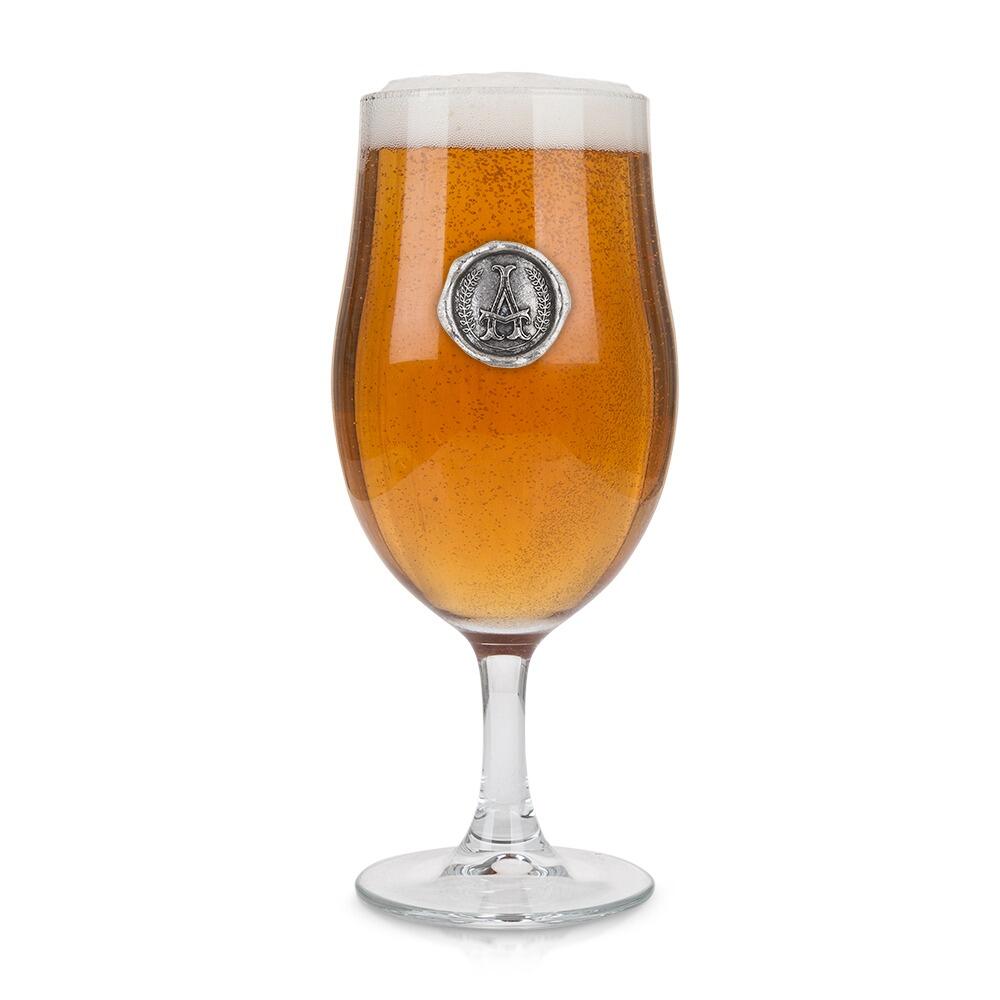

In the bedroom, pewter introduces elegance without disrupting the restful atmosphere essential to this space. Consider pewter bedside lamps that provide both task lighting for reading and a sophisticated design element. Pewter picture frames holding cherished photographs create personal touches that enhance the room's intimate nature. Pewter trays on dressers or vanities corral perfume bottles, jewelry, or other small items, transforming potential clutter into an attractive vignette. Their slightly raised edges prevent items from falling, while their neutral tone complements virtually any color scheme or decorative style. For a truly luxurious touch, consider pewter decorative elements on headboards, footboards, or other furniture pieces. Sleep experts often emphasize the importance of creating a bedroom that feels like a sanctuary, and the timeless quality of pewter contributes to this sense of permanence and security, creating an environment conducive to rest and relaxation without the stimulation that brighter metals might introduce.
The bathroom benefits tremendously from pewter's moisture-resistant properties and elegant appearance. A complete set of pewter bathroom accessories—soap dish, toothbrush holder, tissue cover, and waste bin—creates a cohesive look that elevates this utilitarian space. Unlike chrome or stainless steel, pewter's softer appearance feels warmer and more inviting. Consider pewter-framed mirrors as an alternative to built-in options. Their textural quality and subtle detail add character that standard bathroom mirrors typically lack. For powder rooms especially, where making an impression on guests matters, a distinctive pewter mirror creates a memorable design moment that reflects your attention to detail and appreciation for quality craftsmanship. Interior designers specializing in bathroom spaces often recommend focusing investment on these permanent fixtures rather than temporary decorations, creating a foundation of quality that enhances the room's functionality while providing lasting aesthetic appeal that withstands changing trends and daily use.
Combining Pewter with Other Materials and Finishes
The true versatility of pewter reveals itself when paired with complementary materials and finishes. These thoughtful combinations create depth, interest, and balance in your interior design. By understanding which materials enhance pewter's natural beauty, you can create sophisticated spaces that feel curated rather than matched. This layered approach results in interiors with visual richness and tactile variety that engage the senses and avoid the flatness that can occur when using too many similar elements. Expert designers consistently emphasize that these material relationships are fundamental to creating spaces with character and sophistication, moving beyond basic decoration into truly thoughtful interior design that rewards closer inspection and creates environments with lasting appeal.
Perhaps the most classic pairing, wood and pewter have been natural companions for centuries. The organic warmth of wood—whether in furniture, flooring, or architectural elements—provides the perfect counterpoint to pewter's cool metallic presence. Dark woods like walnut or mahogany create dramatic contrast with pewter's silvery tones, while lighter woods like oak or maple offer a more subtle, contemporary feel. Consider displaying pewter pieces on wooden surfaces where this material relationship can be appreciated. A pewter candelabra on a cherry dining table or pewter frames on a walnut console create visual harmony through thoughtful contrast. The textural difference between wood's grain and pewter's smooth surface adds another dimension to this pairing. Historical interiors have long leveraged this combination, from medieval halls to colonial homes, demonstrating its enduring appeal across centuries and design movements. The natural origin of both materials creates an authentic connection that synthetic alternatives simply cannot replicate.
Linen, cotton, wool, and other natural textiles create effective partnerships with pewter. The softness and visual texture of these materials balance pewter's harder, smoother quality. Consider pewter candlesticks on a linen tablecloth, pewter frames against grasscloth wallpaper, or pewter accessories atop woolen throws. The neutral palette of most natural fibers allows pewter's subtle beauty to shine while creating a layered, sophisticated environment. This pairing works particularly well in relaxed, organic interiors where comfort and authenticity take precedence over formality. The contrast between pewter's cool solidity and textiles' warm softness creates a pleasing tension that makes both materials more interesting and appealing. Textile designers often note that the juxtaposition of hard and soft elements creates visual and tactile balance that helps spaces feel complete and thoughtfully composed. This balance is essential in creating rooms that feel simultaneously sophisticated and comfortable—elegant without being untouchable.
Marble, granite, limestone, and other stone materials share pewter's sense of permanence and natural origin. When combined, these materials create spaces with substantial presence and timeless appeal. Consider pewter accessories on marble countertops, pewter hardware on stone-topped furniture, or pewter vessels alongside stone architectural elements. The cool tones found in many stones harmonize with pewter's silvery hue, while providing textural contrast through their unique patterns and finishes. This combination excels in creating spaces that feel both luxurious and grounded in natural materials. The enduring quality of both stone and pewter makes this pairing particularly appropriate for spaces where you want to communicate permanence and solidity. Architectural historians often point to historical examples of this combination in significant buildings, where the relationship between metal and stone created environments of enduring beauty and significance. This historical precedent gives the pairing a sense of authenticity and purpose that transcends mere decoration.
Perfect Pairings for Pewter
Wood
Creates warmth and historical resonance
Natural Fibers
Balances with softness and texture
Stone
Enhances luxury and permanence
Glass
Provides transparent contrast to pewter's solidity
The transparency of glass creates fascinating juxtaposition with pewter's opacity. This pairing allows for interplay between light and shadow, solid and void. Consider pewter-based glass hurricanes, pewter-rimmed glassware, or arrangements that combine pewter vessels with glass ones. This combination works particularly well in contemporary settings, where the clean lines of both materials create sophisticated, uncluttered vignettes. The reflective qualities of both materials amplify available light, making this pairing excellent for spaces where brightness is desired. Glass allows pewter to be seen from different angles and perspectives, creating visual interest that changes as you move through a space. Lighting designers frequently leverage this relationship, noting how glass elements can capture and transmit light while pewter reflects it in a more subtle, diffused manner. This complementary relationship with light creates environments with visual depth and luminous quality that flat or opaque materials alone cannot achieve.
While design rules once dictated matching all metals in an interior, contemporary approaches embrace thoughtful mixing. Pewter pairs beautifully with brass, copper, bronze, and gold when these combinations are intentional rather than accidental. The key lies in creating a hierarchy—allowing one metal to dominate while others play supporting roles. For example, in a room with primarily pewter accessories, a single brass lamp becomes a highlight rather than a distraction. Similarly, pewter frames surrounding artwork with gold accents create continuity between the art and its surroundings. This approach allows for collected, evolved interiors that tell your personal story rather than appearing as if furnished in one shopping trip. The contrast between pewter's cool tones and the warmth of brass or copper creates a dynamic tension that adds visual interest and depth to your spaces. Leading interior designers often point to this deliberate mixing of metals as a hallmark of sophisticated design that moves beyond formulaic approaches to create truly personal and engaging environments.
Caring for Pewter: Maintenance and Preservation
One of pewter's most appealing qualities is its relatively low maintenance requirements compared to other decorative metals. However, proper care ensures your pewter pieces retain their beauty and can be passed down through generations. Understanding how to maintain and preserve these items protects both their appearance and their value, allowing you to enjoy them fully while preserving them for the future. With minimal effort, pewter can maintain its distinctive character and subtle lustre for decades or even centuries. Conservation experts emphasize that consistent, gentle care is far more effective than occasional aggressive cleaning, establishing routines that become part of your relationship with these special objects.
For everyday cleaning, simply dusting pewter with a soft, lint-free cloth is usually sufficient. This prevents buildup of household dust that can dull the metal's surface over time. For more thorough cleaning, warm water with a mild soap can be used, followed by thorough drying with a soft cloth. Never leave pewter wet, as this can lead to spotting or discoloration. Avoid using abrasive cleaners, scrubbing pads, or harsh chemicals on pewter surfaces. These can scratch the relatively soft metal and damage its patina. Similarly, dishwashers should be avoided for pewter items, as the high heat and strong detergents can harm the finish and loosen any attached handles or decorative elements. Metal conservators point out that most damage to pewter occurs not from age but from improper cleaning methods, making gentle handling a crucial aspect of preservation. Establishing these simple care routines protects your investment while maintaining the beauty and integrity of your pewter collection.
Unlike silver, pewter does not tarnish in the traditional sense. Instead, it develops a patina—a subtle darkening that many collectors prize as evidence of age and authenticity. This natural aging process adds character and should generally be preserved rather than removed. If you prefer a brighter finish, specialized pewter polishes are available that clean without removing this valuable patina. Apply these products according to manufacturer instructions, using minimal pressure and soft cloths. For antique pieces especially, consult with a specialist before attempting any aggressive cleaning that might diminish value. What might appear to be tarnish or discoloration may actually be a desirable patina that contributes significantly to the piece's character and value. Museum conservators emphasize that original patinas are increasingly valued in collector markets, with artificially brightened pieces often considered less desirable than those with authentic age-related darkening. This shift in appreciation recognizes that the history visible in a pewter piece's surface is part of its inherent value and charm.
When not on display, pewter should be stored properly to prevent damage. Wrap pieces in acid-free tissue paper or soft cloths rather than plastic, which can trap moisture and cause spotting. For stacked items, place protective material between pieces to prevent scratching. Climate control matters significantly for pewter preservation. Extreme temperature fluctuations can cause expansion and contraction that may damage the metal over time. Similarly, high humidity environments should be avoided, as excessive moisture can affect pewter's surface quality. Ideally, pewter should be stored in a stable environment with moderate temperature and humidity levels to maintain its condition and prevent unnecessary wear or damage. Conservation professionals recommend periodic inspection of stored items to catch any developing issues before they become serious problems. This proactive approach to preservation ensures that your pewter collection remains in excellent condition whether on display or carefully stored away for future use or enjoyment.
Pewter Care Quick Guide
- DO dust regularly with soft cloths
- DO hand wash with mild soap when necessary
- DO dry thoroughly immediately after washing
- DO store wrapped in acid-free materials
- DON'T use abrasive cleaners or pads
- DON'T place in dishwashers
- DON'T store in plastic bags or high humidity areas
- DON'T attempt to remove patina from antique pieces
Despite best efforts, pewter items may occasionally sustain dents or other damage. For valuable or antique pieces, professional restoration is recommended rather than DIY repairs. Specialists in metal conservation have the skills and tools to address damage without diminishing the piece's value or historical integrity. For minor scratches on modern pewter items, very fine steel wool (0000 grade) can sometimes be used with extreme caution, following the grain of the metal. However, this approach should be avoided for antique pieces where original surfaces should be preserved. Remember that some signs of wear and use contribute to pewter's character and charm—perfectly pristine pieces can sometimes look less authentic than those that show evidence of having been cherished and used over time. Conservation ethics increasingly emphasize preserving evidence of an object's history and use rather than attempting to restore it to an artificially "new" condition. This philosophy recognizes that the story of an object—visible in its wear patterns, repairs, and patina—is an integral part of its value and significance in both personal collections and cultural heritage.
Investing in Quality Pewter: What to Look For
Not all pewter is created equal, and understanding how to identify quality pieces ensures your investment in home decor will stand the test of time. Whether purchasing new items from contemporary craftspeople or seeking vintage and antique pieces, certain indicators help distinguish exceptional pewter from lesser alternatives. This knowledge allows you to build a collection that brings both beauty and value to your home, with pieces that will be cherished for generations rather than discarded when trends change. Let's explore what to look for when investing in quality pewter for your home, drawing on expertise from collectors, craftspeople, and appraisers who specialize in this distinctive metal and its applications in fine decorative arts.
Quality pewter exhibits clean, precise detailing in its design elements. Examine edges, seams, and decorative features for crispness and consistency. In cast pieces, look for clear definition without bubbling or pitting in the surface. Hand-finished items should show evidence of careful workmanship rather than rushed production. Weight provides another important clue to quality—substantial heft generally indicates proper thickness and solid construction. Lightweight pieces may indicate thinner material or hollow construction where solid would be preferable. Pick up items and assess whether they feel appropriately substantial for their size. Quality pewter has a satisfying weight that communicates value and craftsmanship immediately upon handling. Expert collectors often note that this tactile assessment provides immediate information about quality that visual inspection alone might miss, making the physical handling of pewter essential to proper evaluation before purchase.
Most quality pewter bears a maker's mark—a stamp or engraving identifying its creator. These marks not only authenticate the piece but often indicate its origin and approximate age. For contemporary work, established pewterers proudly mark their creations, while historical pieces may bear marks from renowned workshops or guilds. The Worshipful Company of Pewterers in London, established in 1348, regulated pewter quality for centuries, and their touch marks are particularly valuable for collectors. Research maker's marks before purchasing significant pieces to ensure authenticity and understand the piece's provenance. Provenance—the documented history of an item's ownership—adds both value and interest to pewter pieces, particularly antiques. When available, certificates of authenticity, original purchase receipts, or other documentation should be preserved alongside the items they describe. Museum curators emphasize that this documentation significantly enhances both the monetary and historical value of pewter objects, providing context that enriches appreciation and establishes legitimacy in collector markets.
Modern fine pewter typically contains 91-97% tin, with the remainder consisting of antimony, copper, and sometimes bismuth or silver. This composition creates a durable, attractive metal free from the lead found in some historical pieces. Reputable makers will disclose their alloy composition and certify that their pewter is lead-free and food-safe when applicable. Surface quality matters significantly in pewter assessment. Look for consistent coloration without spotting, clouding, or discoloration (unless it's the desirable patina of age). The finish should be uniform, whether bright polished, satin, or intentionally antiqued. Avoid pieces with pitting, excessive scratching, or signs of poor casting or finishing. These flaws indicate careless production and will likely worsen over time, diminishing both the piece's appearance and its value. Metallurgists specializing in decorative arts note that these surface characteristics provide important information about both the quality of materials used and the care taken during manufacturing processes, making careful visual inspection essential when evaluating pewter quality.
Quality Checklist for Pewter Purchases
Physical Assessment
- Substantial weight for size
- Clean, precise detailing
- Consistent surface quality
- Smooth, well-finished edges
Authentication Elements
- Clear maker's mark
- Documentation of provenance
- Certification of materials
- Reputable source or dealer
Conclusion
Pewter stands as one of the most versatile and enduring materials in interior design, offering a unique combination of historical significance, practical functionality, and timeless aesthetic appeal. Its ability to bridge traditional and contemporary design styles makes it an invaluable addition to any home, whether you're creating a formal dining room steeped in historical elegance or a minimalist living space that benefits from pewter's warm, grounding presence.
The beauty of pewter lies not just in its distinctive soft lustre and adaptable coloring, but in its remarkable ability to enhance rather than compete with other design elements. Unlike flashier metals that demand attention, pewter creates a sophisticated backdrop that allows your personal style to shine while adding depth, character, and refinement to every space it graces.
Key Advantages of Choosing Pewter
- Timeless investment - Quality pieces maintain their beauty and relevance across changing design trends
- Versatile application - Successfully integrates into any room and design style
- Low maintenance - Requires minimal care while developing beautiful patina over time
- Historical connection - Links your home to centuries of craftsmanship tradition
- Functional beauty - Combines practical utility with sophisticated aesthetics
- Natural harmony - Complements organic materials and creates warm, inviting environments
Making Pewter Work for Your Home
The key to successfully incorporating pewter into your interior design lies in understanding its unique properties and selecting pieces that serve both functional and aesthetic purposes. Start with quality foundation pieces—whether statement items that create focal points or subtle accessories that add refinement throughout your home. Remember that pewter's true power lies in its ability to create visual cohesion, so consider how pieces will work together across different rooms and applications.
Whether you choose a substantial pewter centerpiece bowl that anchors your dining room, elegant candlesticks that create ambiance for evening gatherings, or carefully curated accessories that add sophistication to everyday spaces, pewter offers endless possibilities for creating homes that feel both elegant and genuinely livable.
A Living Investment
Perhaps most importantly, pewter represents more than just decorative choice—it's an investment in quality, beauty, and tradition that will continue to enhance your home for generations. As these pieces develop their natural patina and accumulate the gentle marks of daily life, they become increasingly valuable not just as objects, but as repositories of family history and cherished memories.
In a world of disposable design trends and mass-produced decorations, pewter offers something increasingly rare: authentic beauty that improves with age, craftsmanship that honors traditional skills, and versatility that adapts to your evolving style while maintaining its essential character. By choosing pewter for your home, you're not just decorating—you're creating a legacy of refined taste that will be appreciated and treasured for years to come.
The enduring appeal of pewter in elegant interiors isn't simply about following design trends; it's about recognizing and embracing materials that possess genuine substance, beauty, and meaning. In bringing pewter into your home, you join a tradition that spans centuries while creating spaces that reflect your personal appreciation for quality, craftsmanship, and timeless style.