
Collectible Pewter Timepieces: The Complete Pocket Watch Market Guide You Wish You Had Earlier
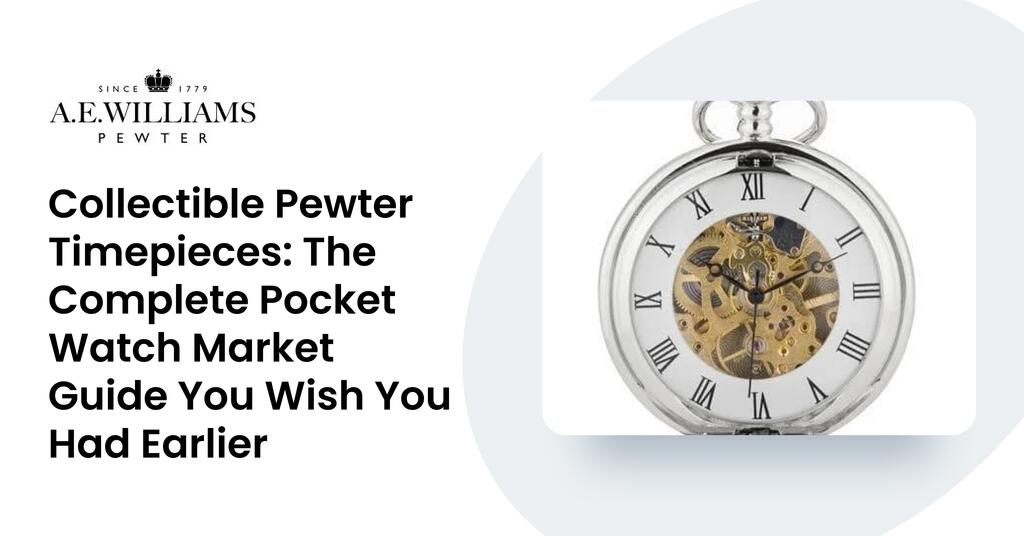
Collectible pewter timepieces sit inside a global collectibles market valued at roughly USD 594.2 billion in 2024, so even a small niche like pewter pocket watches now attracts serious collectors as well as first‑time buyers. In this guide, we draw on our long experience as British pewter makers to help you understand the market, compare quartz and mechanical models, and buy and care for pewter pocket watches with confidence.
Key Takeaways
| Question | Answer |
|---|---|
| What counts as a collectible pewter timepiece? | Typically a pocket watch or desk timepiece with a pewter case or decorative elements, often produced by heritage makers and sold through specialist collections such as our Pocket Watches range. |
| Are quartz or mechanical pewter pocket watches better for collecting? | Quartz models offer accuracy and ease of use, while pieces from our Mechanical Pocket Watches collection appeal to traditionalists who value hand‑wound movements. |
| Is there real demand for pewter watches? | Yes, search interest in pewter has risen sharply and collectors increasingly seek heirloom‑quality pieces, especially when offered as part of curated Pewter Gifts collections. |
| Where should I start a pewter timepiece collection? | Begin with a reliable piece from a focused range such as our Quartz Pocket Watches, then add mechanical and themed designs over time. |
| Can pewter watches be personalised? | Yes, we offer engraving and presentation options across our timepiece collections and complementing pieces like Pewter Cufflinks to create cohesive gift sets. |
| Do other pewter collectibles matter to watch value? | Many collectors build themed sets, pairing watches with traditional items such as Pewter Quaich Bowls or Lovespoons, which can strengthen provenance and display appeal. |
Understanding the Market for Collectible Pewter Timepieces
Pewter pocket watches sit at the intersection of two robust markets: collectible objects and watches. The global watch market alone is estimated around USD 66.38 billion in 2024, which gives context to the growing attention that niche metal and heritage designs receive. Collectors often look for three things in pewter timepieces: material character, craftsmanship, and story. Pewter brings a soft, historic sheen, and when combined with a well made quartz or mechanical movement, the result is an object designed to be handed down. We see four main buyer profiles in this niche: first‑time gift buyers, enthusiasts of traditional watchmaking, heritage brand followers, and investors building small diversified collections. Each group approaches value slightly differently, which is why understanding movements, finishing, and provenance is essential before you buy.
Pewter as a Collectible Material for Timepieces
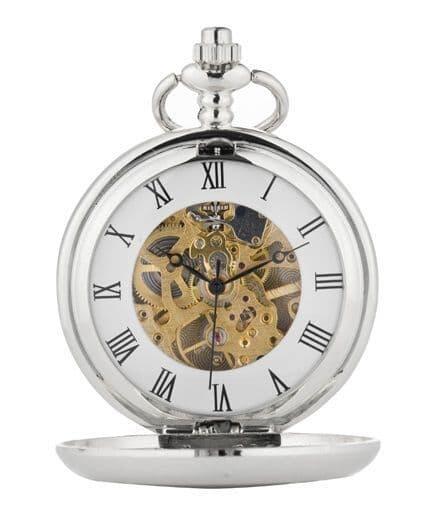
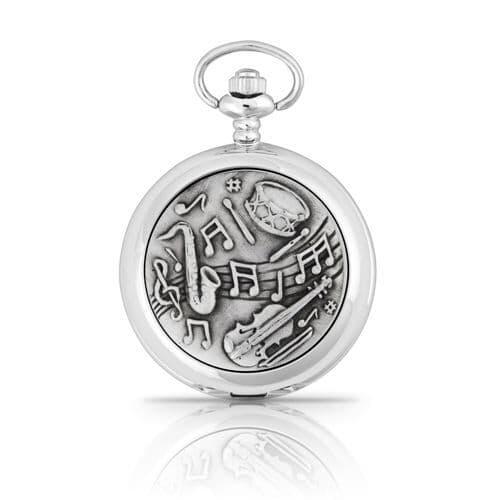
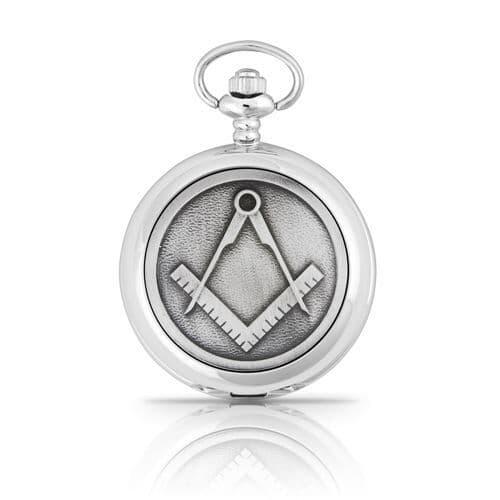
Pewter has moved from being considered purely traditional to being sought after by design‑led collectors again, with some reports indicating pewter related search interest rising by around 500 percent in late 2024 to early 2025. This renewed attention benefits pewter pocket watches, since collectors now recognise the metal as characterful rather than ordinary. Our own work uses hand cast, lead free pewter for timepiece cases and decorative elements, which gives each watch a distinctive weight and feel in the hand. Because pewter is softer than steel, it allows for detailed relief work on cases and lids, ideal for crests, Celtic patterns, or commemorative designs. When assessing pewter watches in the market, look carefully at:
- Alloy quality (modern, lead free pewter is preferred).
- Surface finish (polished, satin, or antiqued patina).
- Depth and crispness of engraving or casting.
- Consistency across hinged lids, bezels, and chains.
These details often separate everyday gift items from genuinely collectible timepieces.
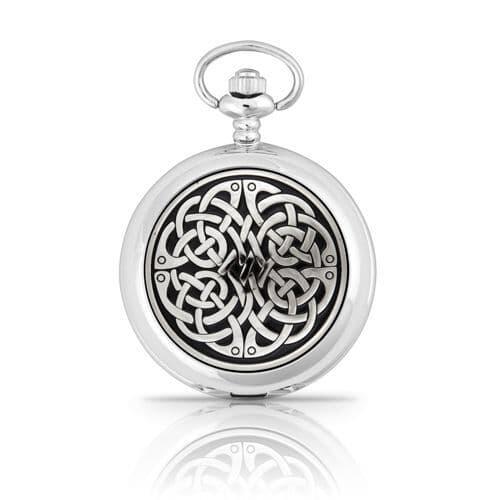
Quartz vs Mechanical Pewter Pocket Watches
One of the first decisions collectors face is whether to focus on quartz or mechanical pewter timepieces. Both have a place in a serious collection, but they serve slightly different purposes and buyers.
Quartz Pewter Pocket Watches
Quartz pewter pocket watches feature battery powered movements that keep excellent time with minimal intervention. Our Quartz Pocket Watches collection is described as offering "reliable timekeeping in classic pewter styling", with engraving options and custom presentation boxes noted as standard offerings. These watches suit:
- Gift buyers who want simplicity and long service intervals.
- Collectors who intend to carry and use a pocket watch daily.
- Those building a themed set around a particular motif rather than movement type.
Mechanical Pewter Pocket Watches
Mechanical pewter pocket watches use hand wound movements and appeal to enthusiasts who enjoy traditional watchmaking. Our Mechanical Pocket Watches range is described as featuring "hand‑wound and mechanical movement timepieces with traditional pewter cases", along with engraving and presentation options. Collectors choose mechanical when they value:
- The ritual of winding and setting a watch.
- Visible movement components through open‑face or skeleton dials.
- Historical continuity with 19th and early 20th century pocket watches.
| Feature | Quartz Pewter Watch | Mechanical Pewter Watch |
|---|---|---|
| Accuracy | Very high, minimal adjustment | Good, needs occasional regulation |
| Maintenance | Battery changes only | Regular winding and periodic servicing |
| Collector appeal | Practical daily wear, gift friendly | Traditionalist and enthusiast focused |
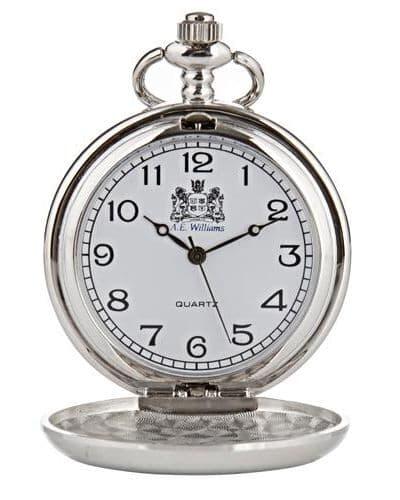
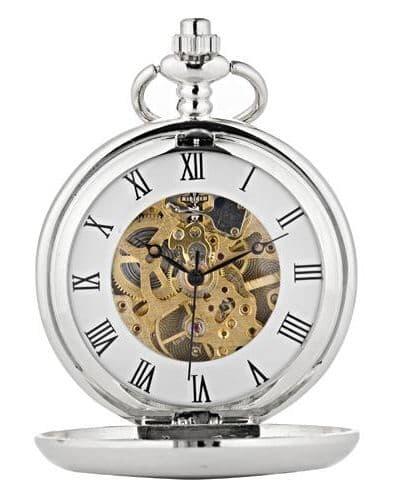
This infographic highlights three pocket watch subtypes within the Collectible Pewter Timepieces market guide. Use it to compare features and values at a glance.
Key Features That Drive Value in Pewter Pocket Watches
When we study sales and collector feedback, several consistent value drivers emerge across pewter timepieces. Understanding these will help you judge asking prices and identify pieces that may hold or grow in appeal.
1. Movement and Reliability
A reliable quartz or well made mechanical movement is essential, even if the watch is worn rarely. Collectors increasingly expect modern reliability inside traditional cases, especially when gifting.
2. Craftsmanship and Case Detail
Deep casting, crisp engraving, and well finished hinges indicate a timepiece designed to last. On our own pewterware, we use antique moulds and hand finishing to ensure that line depth and relief remain sharp enough to satisfy close inspection.
3. Personalisation and Limited Runs
Engraving initials, dates, or short messages adds emotional value and can also mark a piece out historically. Short production runs or designs tied to a particular year or event tend to attract stronger interest in the secondary market.
4. Presentation and Complementary Pieces
Original boxes, paperwork, and matching accessories can raise resale interest. For instance, a pewter pocket watch displayed alongside coordinated items such as goblets or a tankard often makes a stronger impression in auctions and private sales.
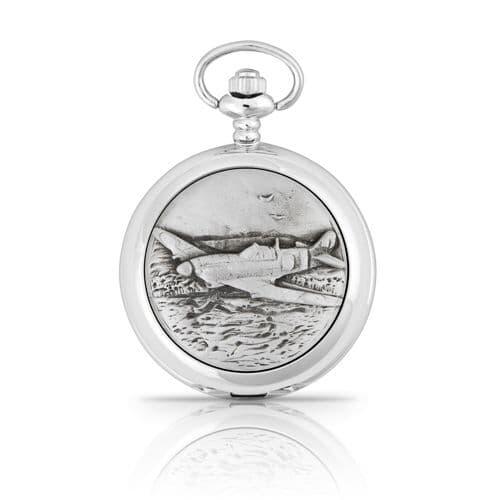
How Collectors Use AE Williams Pewter Timepiece Ranges
We see consistent patterns in how customers build collections from our timepiece and related pewter ranges. Many start with a single pocket watch, then add complementary items that reflect the same motifs or heritage themes.
Starting With Pocket Watches
The Pocket Watches category is described as "a selection of pewter pocket watches, including quartz and mechanical timepieces" and positioned as ideal gifts for collectors. This blend allows you to select one everyday quartz piece and one more indulgent mechanical watch, both within a coherent pewter aesthetic.
Building Out a Coordinated Pewter Collection
From there, some collectors match their timepiece with drinkware such as pewter tankards or goblets to create a small but focused display. Others pair a watch with symbolic pieces like lovespoons or quaich bowls, especially when marking weddings, retirements, or milestone birthdays. This approach matters for the market because complete sets, especially from a single maker, can command greater attention when resold.
Price Bands and What You Can Expect in Each Segment
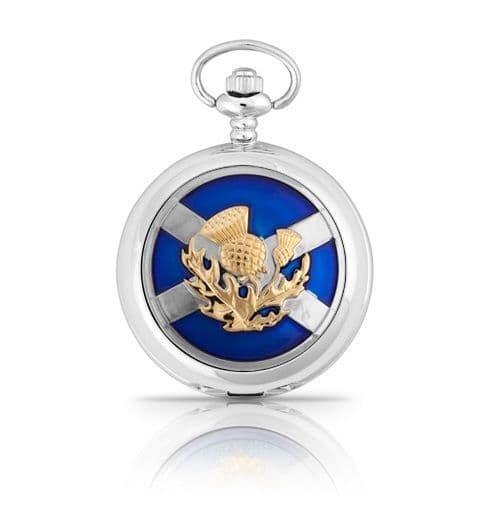
While specific watch prices vary by design and movement, you can think of the pewter timepiece market in three loose tiers. These tiers help you judge whether a watch is priced sensibly for its features and provenance.
Entry Level: Everyday Pewter Pocket Watches
These include straightforward quartz pocket watches with classic cases and basic engraving options. They are typically purchased as first pocket watches or simple gifts and focus on reliability and good presentation.
Mid Tier: Themed and Mechanical Pewter Watches
Here you find mechanical movements, more elaborate case work, and sometimes limited designs. Pieces in this tier are attractive to collectors who plan to wear the watch regularly and keep the original box and paperwork.
Upper Tier: Rare or Historically Tied Pieces
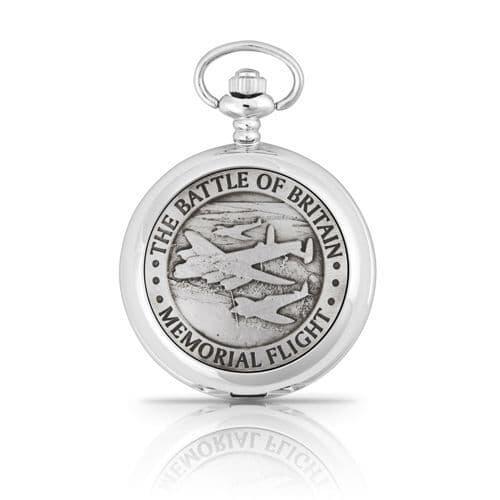
The highest prices are usually reserved for limited runs, commemorative issues, or watches closely tied to a noted maker or event. Within pewter, the premium often reflects craftsmanship, detail, and a clear paper trail rather than precious metal weight.
How Secondary Markets Treat Pewter Timepieces
Secondary markets for watches have become more sophisticated, and pewter pocket watches are gradually benefiting from that structure. Online platforms, specialist auctions, and private forums all now list pewter pieces alongside steel and precious metal watches. Although overall watch indices moved down around 5.8 percent in 2024, niche and characterful pieces often follow their own pattern, driven more by rarity and design than by brand speculation. For pewter timepieces, this means that well cared for examples with a clear maker and movement type can hold value steadily. Buyers in the second hand market will usually look closely at three things: condition of the pewter, clarity of engraving, and mechanical health. If you intend to resell, keeping service records and avoiding over‑polishing will help you present a more compelling watch.
Buying Guide: How To Choose Your First Pewter Pocket Watch
If you are selecting your first collectible pewter timepiece, a simple framework can keep the process enjoyable and clear. We recommend moving through four steps: use, movement, design, and personalisation.
1. Decide How You Will Use It
If you expect to carry the watch daily, a quartz model with a robust chain and case is a sensible starting point. If you prefer an occasional dress piece or display item, a mechanical movement with more elaborate finishing may suit you better.
2. Choose a Movement Type
Consider whether you enjoy the involvement of a mechanical watch or prefer "set it and forget it" quartz reliability. Either will serve you well if the movement is from a reputable supplier and housed in a well made pewter case.
3. Select a Design Theme
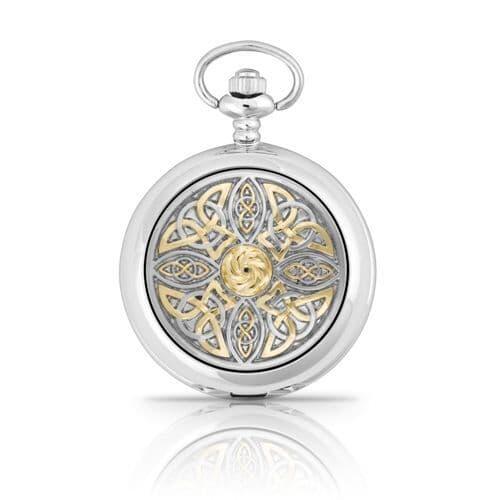
Look for motifs that reflect your interests: Celtic, heraldic, floral, or commemorative designs are popular choices across our pewter ranges. Consistency between watch, chain, and any complementary pewter pieces will help your collection feel intentional.
4. Add Personalisation Thoughtfully
Engraving initials and dates on case backs or lids helps mark special occasions without overwhelming the design. We advise keeping inscriptions short and clear, which future owners tend to appreciate if the watch ever moves into secondary markets.
Caring For Pewter Timepieces To Protect Value
Care and storage make a noticeable difference to both enjoyment and long term value of pewter pocket watches. Pewter is forgiving compared to some precious metals, but it still benefits from considered handling.
Cleaning and Polishing
Use a soft, lint free cloth to remove fingerprints and light tarnish from cases and lids. Avoid aggressive metal polishes on detailed cast surfaces, since they can soften lines and reduce the crispness that collectors look for.
Movement Servicing
Quartz watches typically only require prompt battery replacement carried out carefully to avoid case damage. Mechanical movements benefit from periodic servicing by a competent watchmaker, especially if the watch is worn often.
Storage and Display
Store pewter watches in dry conditions, ideally inside their original presentation boxes or in lined trays. If you display them, keep pieces away from direct sunlight and extremes of humidity to protect both movement and metal.
Building Themed Pewter Timepiece Sets
Many of our customers enjoy building small, themed arrangements rather than broad, unfocused collections. This approach works particularly well with pewter, where motifs and finishes can match across different item types.
Heritage and Celtic Sets
You might pair a pewter pocket watch with Celtic or heraldic motifs with a matching quaich bowl and cufflinks. Displayed together, these pieces tell a coherent story that appeals strongly to certain buyers and gift recipients.
Commemorative and Celebration Sets
For weddings, anniversaries, or milestone birthdays, collectors often combine a watch with pewter lovespoons, anniversary or birthday spoons. Each piece carries its own symbolism, and together they mark the occasion in a way that stands apart from disposable gifts. This method of collecting also allows you to keep budgets flexible, adding one or two meaningful items at each significant date.
Where Pewter Timepieces Fit In a Wider Collectibles Strategy
For serious collectors, pewter pocket watches usually form part of a broader plan rather than a standalone focus. They can balance portfolios that also contain more volatile luxury watch references, art, or other historic objects. Because pewter timepieces are valued for story and craftsmanship rather than precious metal content, prices often move more gradually. This suits collectors who prefer steady enjoyment over short term speculation. You can treat pewter watches as the "character" portion of your collection, providing visual warmth and heritage alongside more contemporary pieces. From our side as makers, we continue to see steady demand from both new buyers and repeat collectors, which suggests that this niche will remain healthy within the wider collectibles landscape.
Conclusion
Collectible pewter timepieces occupy a distinctive corner of the watch world, where material character, craftsmanship, and heritage matter more than speculation. Whether you choose a reliable quartz pocket watch or a traditional mechanical piece, careful selection, considered care, and thoughtful personalisation will ensure that your pewter watch becomes a cherished part of your collection and, in time, your family story.