
How to Maintain Pewter Drinkware: A Complete Care Guide

Essential Pewter Care Tips
- Clean with warm water and mild soap only
- Hand wash pewter items (never use dishwashers)
- Dry thoroughly after washing to prevent spots
- Avoid abrasive cleaners and acidic substances
- Store in cool, dry places away from moisture
- Polish occasionally with specialized pewter polish
- Modern pewter is lead-free and food safe
Introduction to Pewter Drinkware
Pewter drinkware has been loved for hundreds of years because it looks nice and lasts a long time. As experts in pewter products, we know how important it is to take care of your pewter tankards, tumblers, and other drinkware so they stay looking good for many years. Pewter has stayed popular through many changes in style, making it good for everyday use and also something special to pass down in your family.
Pewter is mostly made of tin with small amounts of copper, antimony, and sometimes silver. Unlike old pewter, modern pewter doesn't contain lead, so it's safe for food and drinks. This makes it a great choice for drinkware that combines old-fashioned craftsmanship with modern safety. Different makers use slightly different mixes, but all pewter has a special silvery-gray look that gets more character over time instead of wearing out like many modern materials.
Our collection of pewter pint glasses and traditional tankards offers classic style that can last for generations if you take care of them properly. Whether you're drinking whisky from one of our tumblers or beer from a classic tankard, knowing how to take care of your pewter will help it last longer and keep its shine. Good pewter costs quite a bit, but with proper care, these pieces can stay beautiful and useful for decades, becoming special to their owners through years of use.
Understanding Pewter Material Properties
Before learning how to care for pewter, it's important to understand what makes it special. Pewter has unique features that affect how you should take care of it. The metal's properties determine everything from how to clean it to how it reacts to different drinks and environments.
Modern pewter is usually mostly tin, with the rest being copper, antimony, and sometimes bismuth or silver. This mix creates a metal that's stronger than pure tin, softer than metals like steel or brass, doesn't rust as easily as silver, and develops a nice aged look over time. Learning about pewter composition helps you understand why certain care methods work better than others. Pewter is softer than many metals, so it can get scratched easily by rough cleaners or handling, meaning you need to be more gentle with it than with stainless steel or silver items.
Pewter melts at a lower temperature than many other metals, which means it can be damaged by high heat. That's why pewter drinkware should never go in the dishwasher, should stay away from heat sources, and shouldn't be used for very hot drinks that might warp the metal. Pewter also quickly takes on the temperature of whatever is in it, which makes it great for cold drinks because it keeps them cool, making your beer or spirits taste even better when served in pewter.
Daily Cleaning and Maintenance
Regular cleaning is the most important part of pewter care. Following some simple steps will keep your pewter drinkware looking great without much effort. Always rinse your pewter with warm water right after using it, especially after it touches acidic drinks like wine or fruit juice. Then wash it gently with warm (not hot) water and mild dish soap. Don't use strong detergents or lemon-scented cleaners, as these can be acidic. Getting into this habit after each use prevents buildup that can be harder to remove later and helps keep your pewter's natural shine.
Clean with a soft sponge or cloth, never using scratchy scrubbers, steel wool, or stiff brushes that could scratch the surface. Drying completely is super important—dry your pewter right away with a soft, lint-free cloth after washing. Water spots can form if pewter air dries, and these can be hard to remove later. Pay extra attention to crevices, handles, and decorative parts where water might collect. For detailed pieces with engravings, you might want to use a soft brush made for pewter cleaning to gently remove dirt from hard-to-reach areas without scratching.
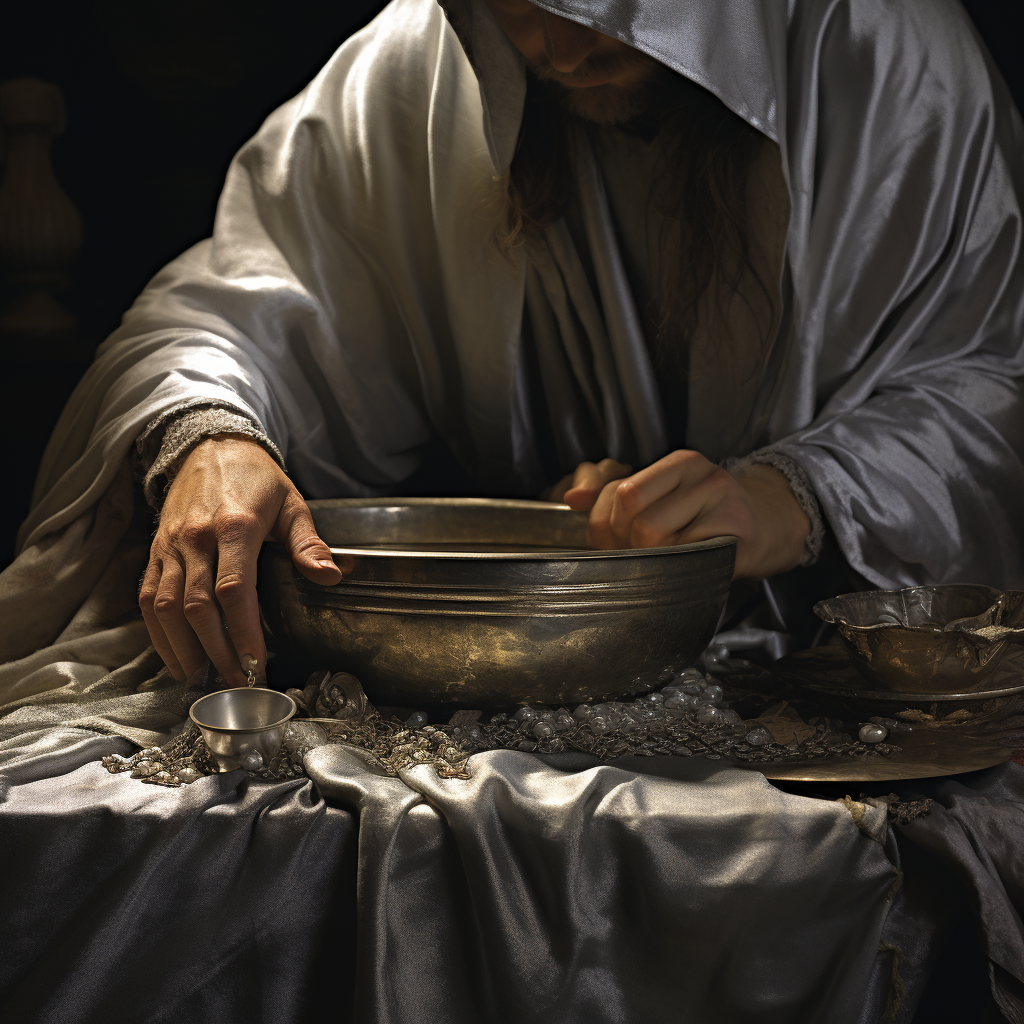
To avoid damaging your pewter drinkware, never use dishwashers (the heat and harsh soaps can harm pewter), scratchy cleaners or scrubbing pads, bleach or ammonia cleaners, soak pewter for a long time, acidic substances like lemon juice, vinegar, or tomato products, or store liquids in pewter for long periods. Following these guidelines will help maintain the beauty of your Georgian tankards and other pewter items. For pieces you use often, creating a regular cleaning routine will become a habit and really extend the life and beauty of your pewter drinkware.
Dealing with Tarnish and Discoloration
Unlike silver, pewter doesn't tarnish in the same way, but it can get dull or develop dark spots over time. This natural aging is actually valued by many collectors, but if you prefer the bright, polished look, you'll need to know how to handle discoloration properly. The aging process of pewter creates what experts call a "bloom" – a subtle darkening that adds character to the metal. Many pewter fans actually like this patina to develop because it shows the piece's age and authenticity, similar to how good leather gets more character with use.
Different types of discoloration need different cleaning approaches. General dullness or darkening is normal aging that can be fixed with regular polishing. Dark spots might be from water spots, fingerprints, or contact with acidic substances. Bluish or blackish discoloration could mean oxidation, especially in humid areas. Knowing what type of discoloration you're dealing with helps you choose the right cleaning method. Where you keep your pewter matters too – items kept in humid environments or near the ocean tend to develop patina faster than those stored in drier places.
For regular polishing, use a special pewter polish following the instructions on the package. These products are made to clean without scratching the soft metal. You can also use a paste of baking soda and water, gently applying it with a soft cloth in circular motions. Rinse well and dry right away. For a natural shine, you can put a tiny bit of olive oil on a soft cloth after cleaning, then buff to a soft shine. Remember that too much polishing can wear down the pewter over time, so only polish when needed to maintain the look you want. Experts suggest limiting polishing to once or twice a year for items you use regularly, and even less often for display pieces.
Proper Storage Techniques
How you store your pewter drinkware when not using it really affects how long it will last. Good storage prevents unnecessary tarnishing, scratches, and other damage. For best results, store pewter in a cool, dry place with steady temperature and low humidity. Avoid places that get very hot or cold or damp, like basements, attics, or near windows. Some air flow is good, so don't use completely airtight containers which can trap moisture. Also keep pewter out of direct sunlight, as too much UV light can change how pewter looks over time. Museum experts suggest keeping humidity at moderate levels for the best pewter preservation, which you can do at home with good ventilation or dehumidifiers if you live somewhere damp.
The right materials make a big difference when storing pewter. Wrap individual pieces in acid-free tissue paper, soft flannel, or microfiber cloths to prevent scratches. Don't store pewter in plastic bags or containers for long periods, as these can trap moisture and cause condensation. Store pieces separately to prevent them from scratching each other. If you need to stack items, put soft material between them. If displaying your pewter collection, keep items away from heat sources, direct sunlight, and humid areas. You might want to use display cabinets with UV-protective glass if you have especially valuable or antique pewter pieces that need extra protection while still being visible.

Special Care for Different Types of Pewter Drinkware
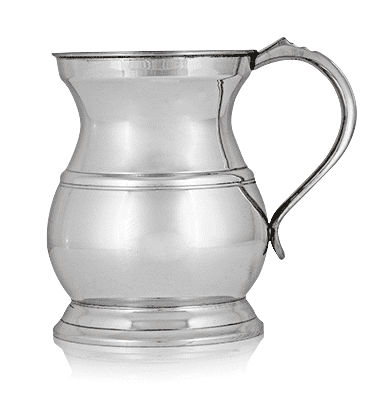
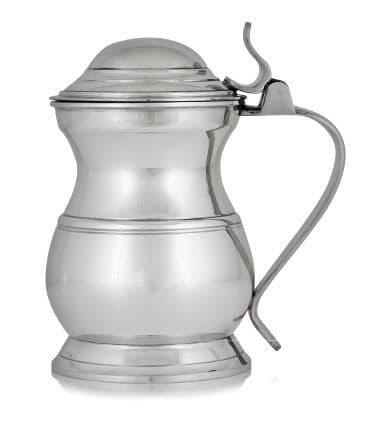
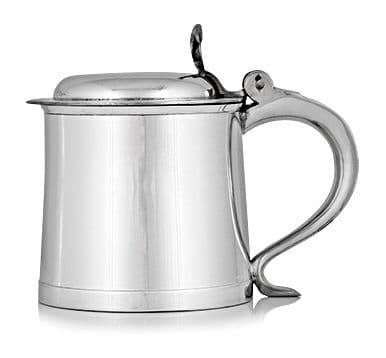
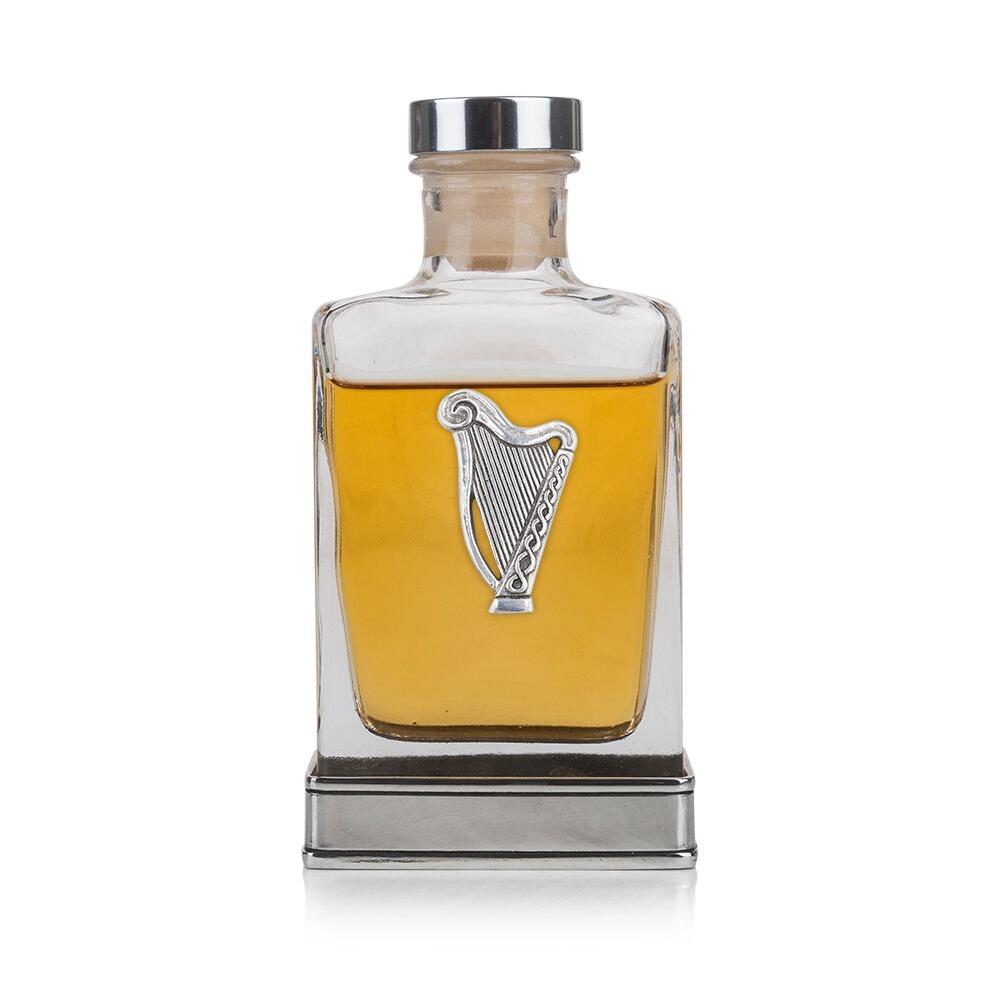
Different pewter items might need slightly different care based on their design, use, and decorative elements. Tankards often have more detailed designs and may have lids or other parts. For lidded tankards like our Lidded Baluster Tankard, make sure the hinge stays clean and dry to prevent stiffness or rust. Clean handles thoroughly, paying special attention to cracks where the handle joins the body of the tankard. Rinse the inside right after use, especially after drinking beer or acidic drinks that might cause discoloration if left to dry. For tankards with glass bottoms, be extra careful when cleaning around where the glass meets the pewter, using a soft cloth rather than soaking in water which could loosen the seal over time.
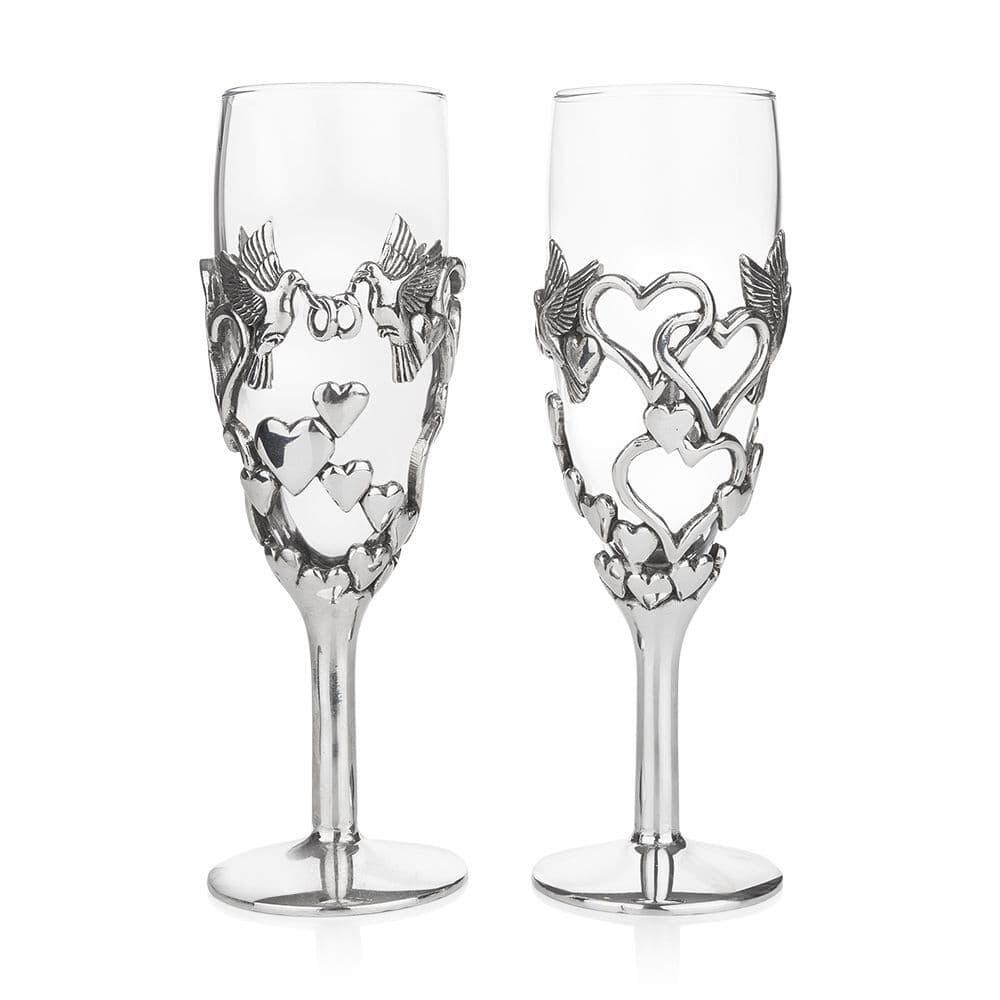
Stemware needs careful handling because it's more delicate. Always hold stemware by the bowl rather than the stem when cleaning to prevent bending or damage. Pay special attention to the base where water and polish can collect in decorative elements. Pat dry rather than rubbing to avoid putting pressure that might bend the stem. For pewter champagne flutes and wine glasses, use a soft brush made for stemware to clean hard-to-reach areas between the bowl and stem. When storing stemware, you might want to hang glasses upside down on a special rack to keep dust from collecting inside while taking weight off the delicate stems.

Food and Beverage Safety with Pewter
Modern pewter drinkware is made with safety in mind, but knowing how to use it properly keeps both you healthy and your pewter items lasting longer. It's important to know the difference between modern and antique pewter. Today's pewter, including all items in our drinkware collection, doesn't contain lead and follows food safety rules. It's completely safe for serving and drinking food and beverages. However, items made before the 1900s might contain lead and should only be used for display, not for food or drink. Improvements in how pewter is made have changed it from potentially dangerous in historical times to completely food-safe in modern manufacturing, making today's pewter drinkware both beautiful and practical for everyday use.
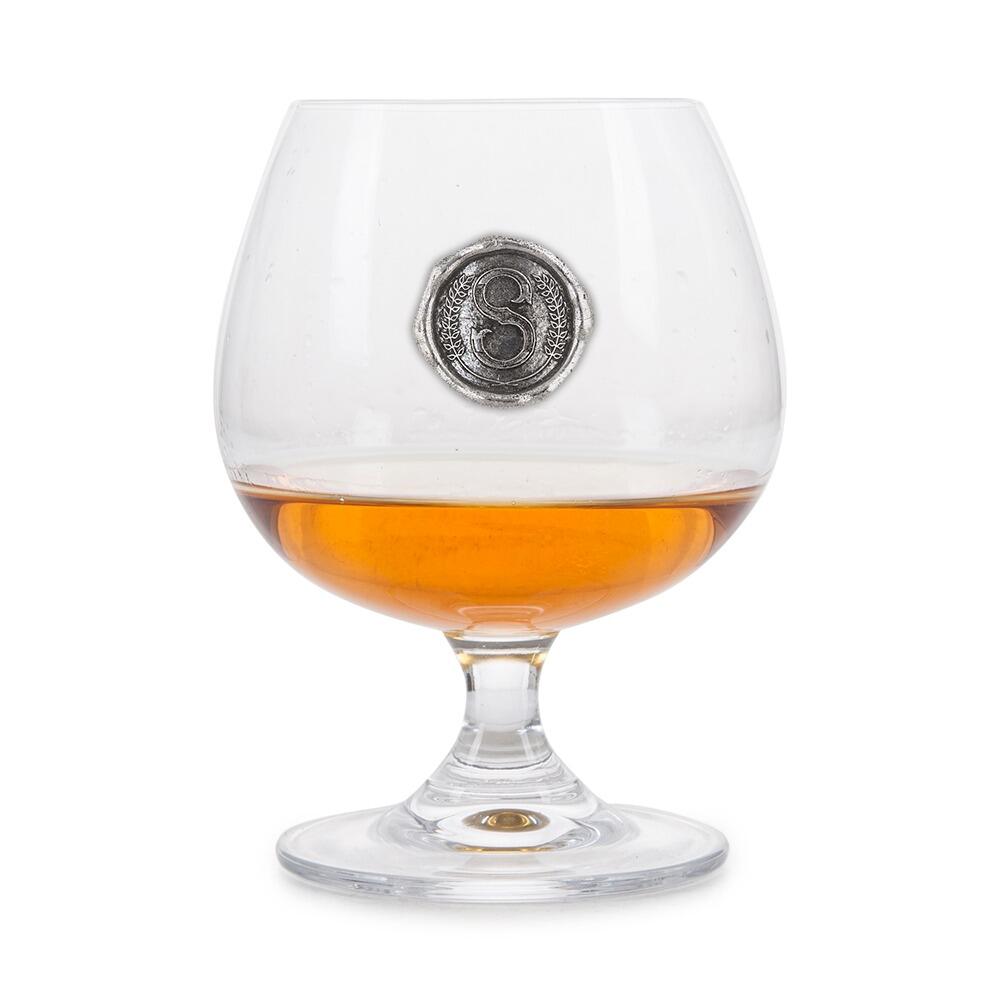
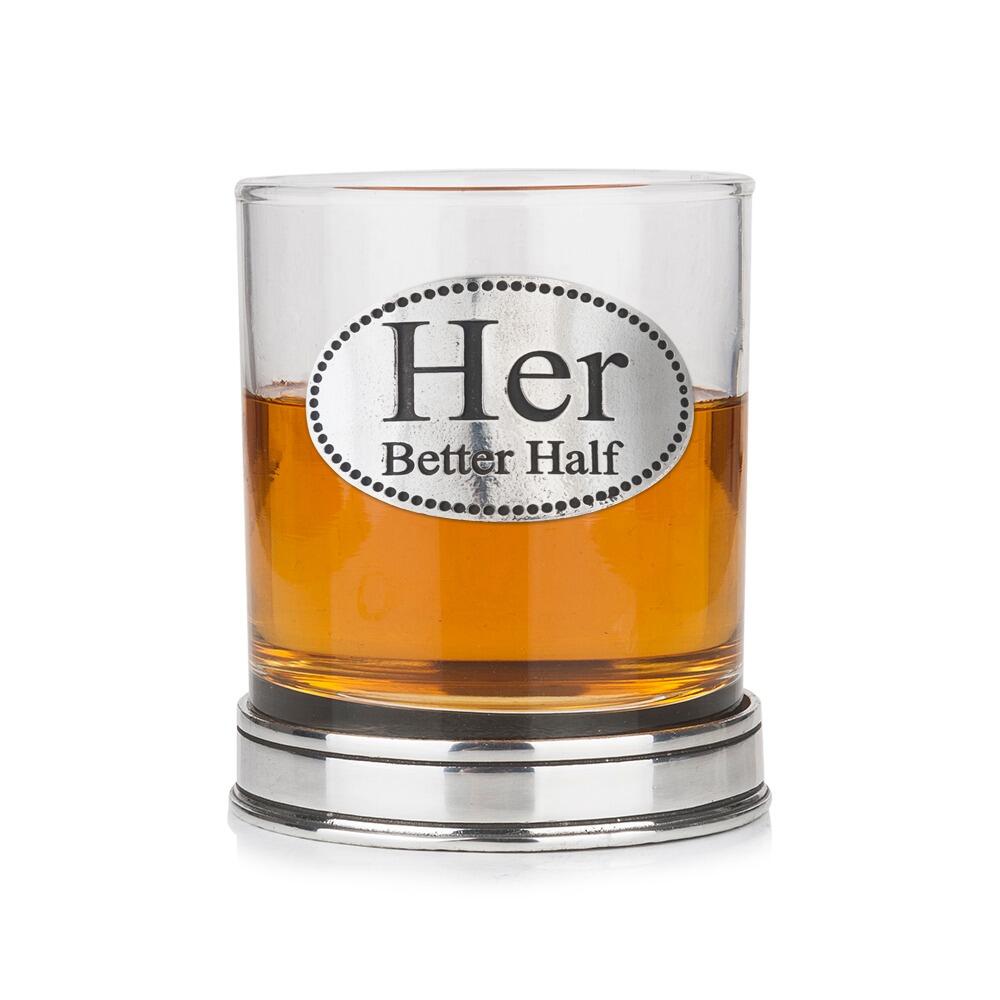
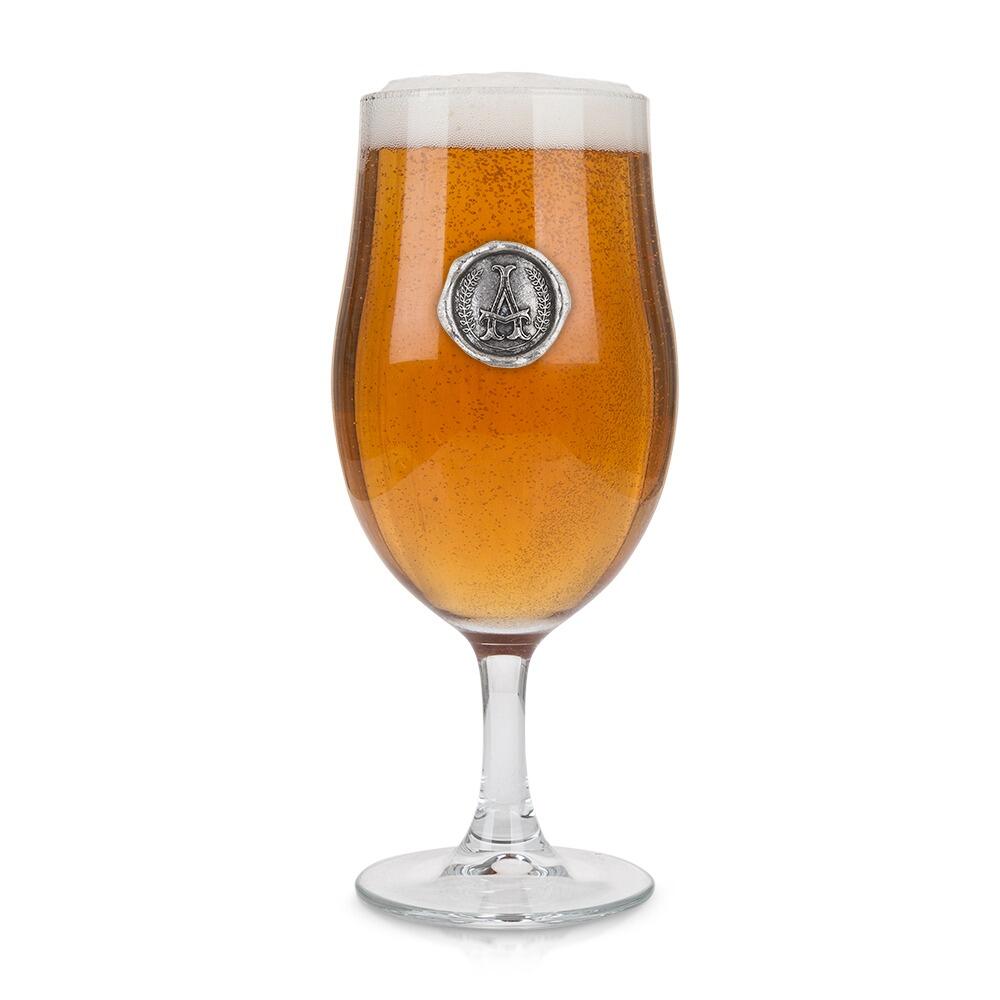
To keep both you and your pewter safe, be careful about what you serve in it. Pewter is perfect for serving beer, whisky, and other spirits. Our whisky tumblers are specially designed for enjoying fine spirits. Avoid very hot drinks in pewter drinkware, as too much heat can damage the metal over time. Don't store drinks in pewter containers for long periods, especially acidic drinks like wine or fruit juices. Professional bartenders and drink experts often note that certain beverages, especially whisky and beer, actually taste better when served in pewter vessels because the metal doesn't add flavors to the drink while keeping the temperature well, making the drinking experience better compared to glass.
Conclusion: Preserving Your Pewter Heritage
Pewter drinkware isn't just useful stuff but pieces of history and craftsmanship that can be passed down through families. With proper care, your pewter collection can stay beautiful and useful for many years. The basic rules of pewter care are simple: gentle cleaning with the right materials, thorough drying, proper storage, and occasional polishing when needed. These basic practices honor both the material itself and the skilled craftspeople who make these lasting pieces, keeping a connection to traditional craftsmanship in our modern world where so many things are disposable.
At A.E. Williams, we're proud to offer high-quality pewter products that combine traditional craftsmanship with modern standards. From our classic Marlborough Tankard to our elegant champagne glasses, each piece is designed to be both beautiful and durable. Our commitment to quality means that with proper care, these items can become treasured family heirlooms that carry both personal memories and historical importance. The tradition of pewter craftsmanship goes back hundreds of years, and by taking care of your pewter properly, you become part of this continuing heritage, preserving these special pieces for future generations to enjoy.

We invite you to explore our complete drinkware collection and learn more about pewter care on our blog. With the right knowledge and care techniques, your pewter drinkware will continue to bring joy and elegance to your table for years to come. Whether you collect pewter, appreciate its history, or just enjoy how these timeless pieces look, proper care ensures that your investment in quality pewter will reward you with decades of use and enjoyment.