
Authentic Medieval Style Goblets for Historical Reenactment Fans: What to Buy in 2026
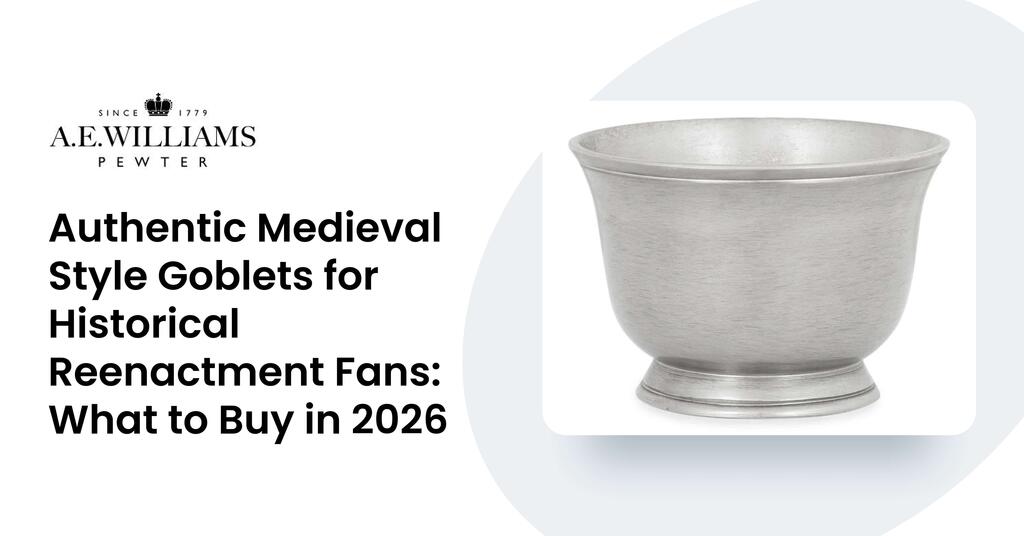
Interest in authentic historical gear continues to grow in 2026, and it shows in buying habits. In fact, 73% of adults now prioritize handmade goods over mass-produced alternatives, which explains why historically accurate goblets remain one of the most sought-after accessories for reenactment enthusiasts.
Key Takeaways
| Question | Quick Answer |
|---|---|
| What are authentic medieval goblets made from? | Most historically accurate goblets are crafted from pewter using traditional techniques. Explore examples in the goblets collection. |
| Why do reenactors prefer handmade goblets? | Handcrafted drinkware offers realistic weight, texture, and period-correct detailing. |
| Can medieval goblets be personalized? | Yes. Many reenactment goblets allow engraving for names, guild symbols, or house crests. |
| Are pewter goblets safe for drinking? | Modern pewter goblets are lead-free and safe for beverages when produced by reputable craftsmen. |
| Which goblet styles are popular for reenactments? | Designs like Canterbury, Tudor, Bavarian, and Chatsworth styles closely resemble historical drinking vessels. |
| Where can reenactors find authentic goblets? | Many enthusiasts browse curated ranges such as historical drinkware collections that include goblets, tankards, and ceremonial cups. |
Why Authentic Goblets Matter in Historical Reenactment
Historical reenactment relies heavily on small details that bring a scene to life. A properly designed goblet helps recreate the atmosphere of medieval feasts, taverns, and royal courts.
We see many reenactors replace modern drinkware with historically inspired pewter vessels. The correct materials, shape, and weight contribute to a more believable experience.
Authentic goblets also function as practical gear during events. They are sturdy, reusable, and easy to carry at festivals or camps.
For collectors, these goblets often become long-term keepsakes. Many reenactors display them alongside armor, clothing, and other period artifacts.
Materials Used in Authentic Medieval Goblets
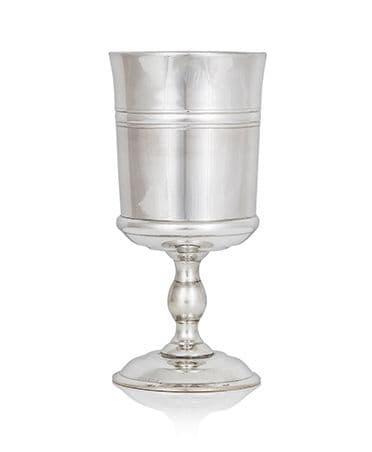
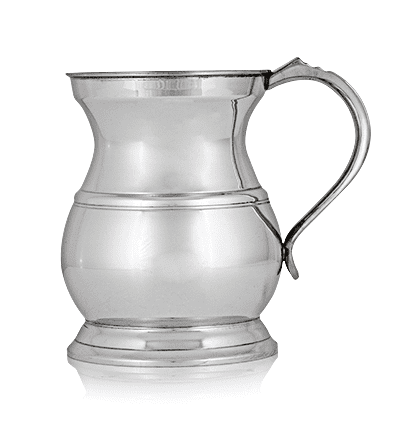
Historically accurate goblets are typically crafted from pewter. This metal alloy was widely used in medieval Europe because it was durable, workable, and suitable for drinking vessels.
Modern artisans still follow similar processes. Many goblets are cast and hand-finished, which preserves the slightly irregular texture that collectors appreciate.
When evaluating reenactment goblets, look for these features:
- Lead-free pewter for safe drinking
- Hand-finished surfaces instead of machine-polished edges
- Solid weight that feels historically accurate
- Traditional molds inspired by antique designs
Many goblets are still produced through labor-intensive processes that require several weeks to complete.

Popular Medieval Goblet Designs Used by Reenactors
Different historical regions produced unique goblet designs. These variations influence the shapes and decorative elements used in modern reproductions.
We often see reenactors select goblets that match their character or time period. A knight from England may carry a different vessel than a merchant from Bavaria.
Common design features include:
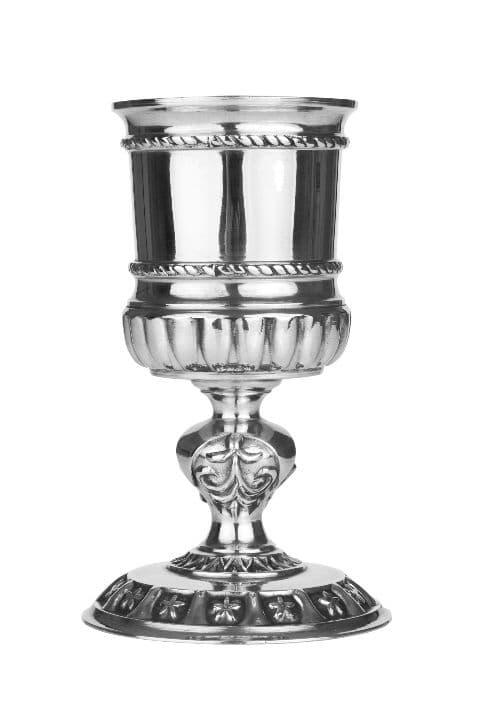
- Fluted bowls
- Decorative stems
- Wide stable bases
- Engraved surfaces
Many reenactment goblets today are modeled directly from antique molds or museum pieces.
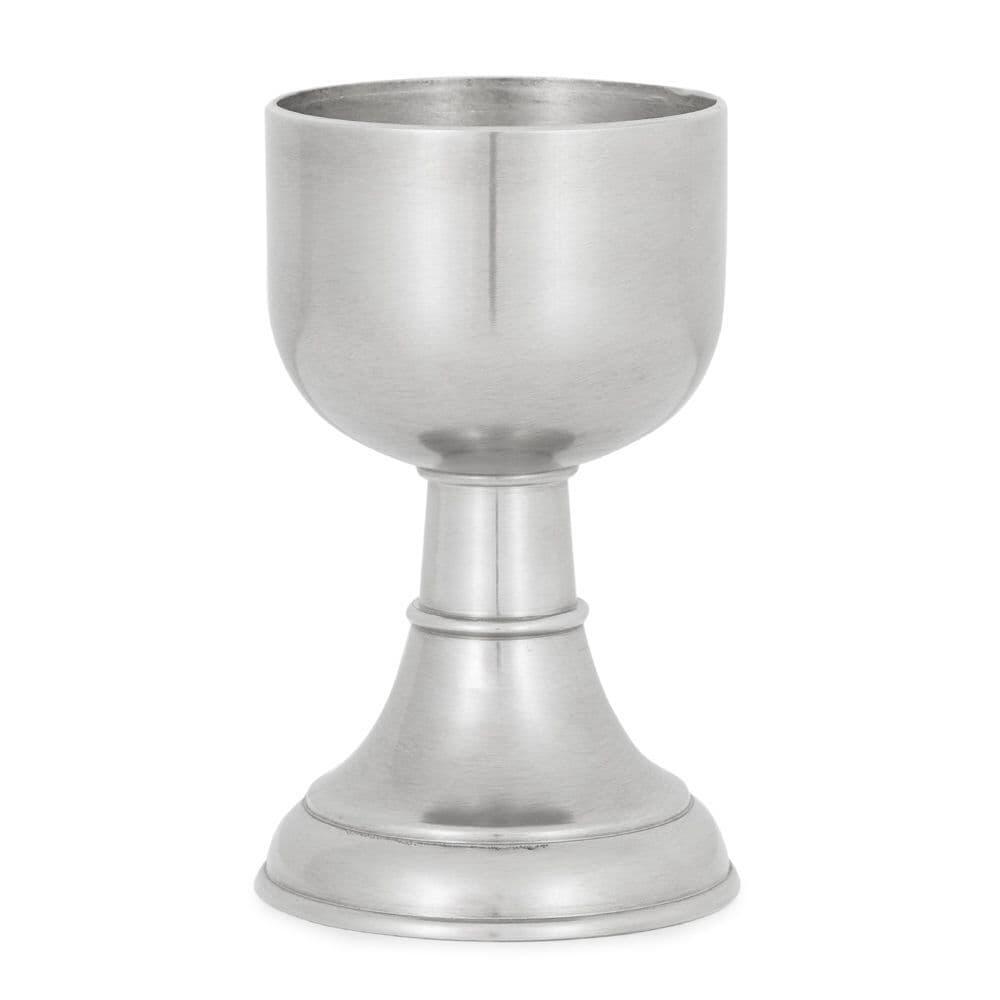
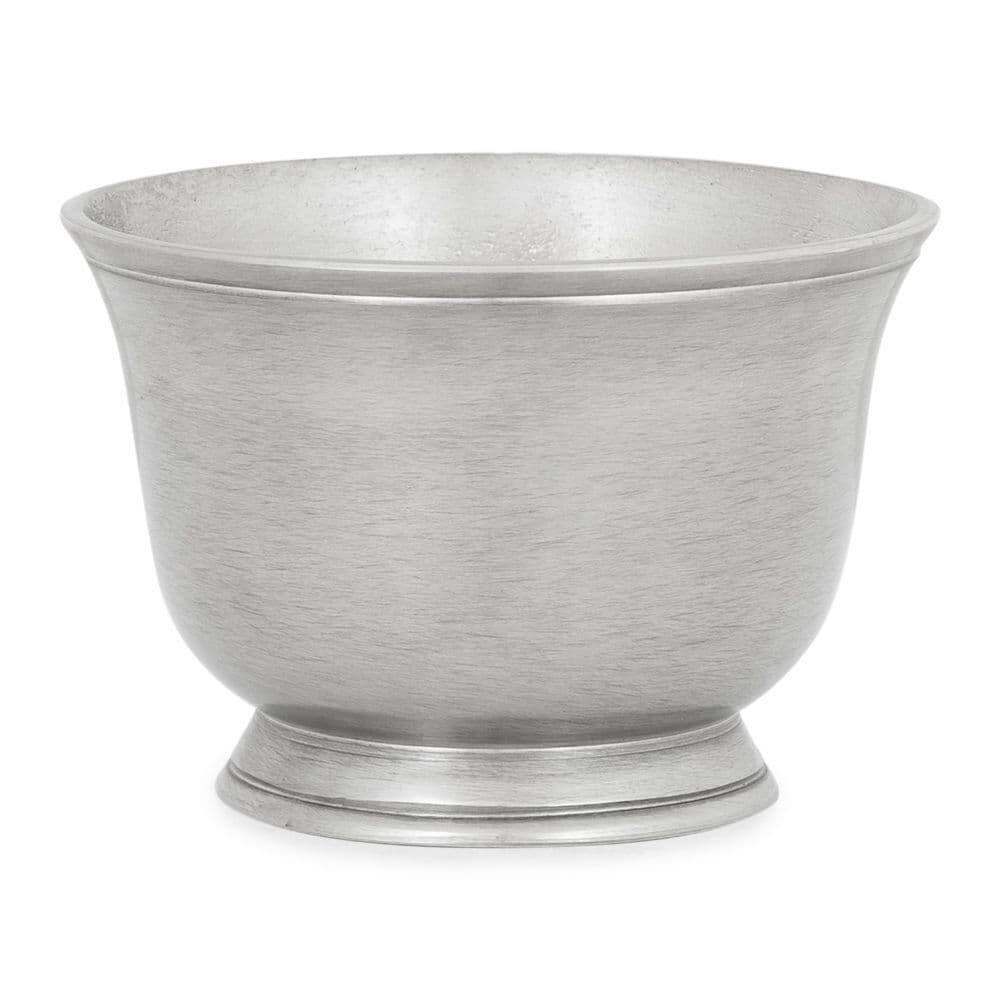
This infographic highlights the five defining features of authentic medieval-style goblets, ideal for historical reenactment enthusiasts. From materials to craftsmanship, learn what makes a goblet suitable for accurate reenactment.
Canterbury Goblet for Historical Accuracy
The Canterbury Goblet is widely recognized among reenactors because of its intricate fluted bowl and teardrop stem.
This goblet measures approximately 143 mm x 85 mm and is produced using traditional techniques. Each piece is made to order and can take up to four weeks to produce.
Collectors often recognize this design from film and television productions. It has appeared in historical dramas and epic films that required accurate medieval drinkware.
Personal engraving is available, which allows reenactors to add names or heraldic details.
The Tudor Goblet: A Classic Medieval Reenactment Choice
The Tudor Goblet is known for its compact shape and historically inspired finish.
It measures 108 mm high with an 86 mm diameter and weighs approximately 320 g. This weight gives it a satisfying balance when held during feasts or reenactment events.
Buyers can choose between two finishes:
- Tudor finish with darker antique texture
- Polished finish with brighter metallic shine
The design has also appeared in popular fantasy and historical productions.
Bavarian Chalice and Bavarian Short Goblet Designs
Bavarian-inspired goblets reflect Central European drinking traditions. These vessels feature elegant stems and balanced bowls.
The Bavarian Chalice is often chosen for ceremonial reenactments or noble characters.
The Bavarian Short Goblet provides a compact alternative. Its lower height makes it ideal for wine or spirits during camp feasts.
Both designs are handcrafted from fine pewter and can include optional engraving.
Chatsworth Goblet Inspired by Antique Moulds
The Chatsworth Goblet uses a mid‑18th century design derived from antique bronze molds.
This goblet holds approximately half a pint and measures roughly 75 mm x 160 mm. The antique finish gives it the appearance of historic pewter found in museums.
Many reenactors choose this design because of its visible casting details. These small imperfections reinforce the handcrafted look.
Each goblet ships in a presentation box and can be engraved for collectors or event gifts.
Customization and Engraving Options for Reenactment Goblets
Engraving is one of the most requested features for reenactment goblets. Many buyers add initials, guild emblems, or heraldic symbols.
Personalization also makes goblets ideal event keepsakes. Groups often commission engraved vessels for festivals, tournaments, and feasts.
Typical engraving options include:
- Names and dates
- Coat of arms or crests
- Medieval lettering styles
- Short ceremonial messages
Because goblets are handmade, engraving is typically completed before final polishing.
How to Choose the Right Goblet for Your Character
Selecting the correct goblet often depends on the persona you portray. Nobles, merchants, soldiers, and clergy historically used different drinking vessels.
Consider the following when choosing a goblet:
| Character Type | Recommended Goblet Style |
|---|---|
| Noble or royal character | Tall chalices with decorative stems |
| Merchant or traveler | Compact goblets with sturdy bases |
| Clergy or ceremonial roles | Traditional chalice-style cups |
| Tavern patron | Simple pewter goblets or tankards |
Weight and durability are also important for events that last several days.
FAQs About Authentic Medieval Style Goblets
1. Are pewter goblets historically accurate?
Yes. Pewter was commonly used throughout medieval Europe for drinking vessels, making modern pewter goblets a historically appropriate choice.
2. Can I drink wine or ale from a pewter goblet?
Modern pewter is lead‑free and safe for beverages, so it can be used for wine, ale, or water during reenactment events.
3. How long does it take to produce handcrafted goblets?
Many handcrafted goblets require approximately three to four weeks to produce because of traditional casting and finishing processes.
4. Why do reenactors prefer heavy goblets?
Authentic weight improves immersion. Lightweight or plastic vessels often break the illusion of historical realism.
5. Are engraved goblets good gifts for reenactors?
Yes. Personalized goblets are popular gifts for birthdays, guild celebrations, and medieval festival commemorations.
Conclusion
Authentic medieval style goblets remain an essential accessory for historical reenactment enthusiasts in 2026. Their handcrafted construction, traditional materials, and historically inspired designs help recreate the atmosphere of medieval gatherings.
Whether you prefer a Canterbury goblet, Tudor design, Bavarian chalice, or Chatsworth reproduction, the right piece adds authenticity to feasts, festivals, and personal collections. For many reenactors, a well‑crafted pewter goblet becomes both a practical tool and a lasting symbol of their passion for living history.