
Care Guides
At A E Williams, we make things to last. But even the best materials benefit from a little attention now and then. Whether you've bought a pewter tankard, a slate coaster set, a leather-wrapped tumbler, or a glass decanter, this guide will help you keep it looking its best — for years, decades, and beyond.
Caring for Pewter
Pewter is one of the most forgiving metals you can own. It doesn't rust, it doesn't corrode, and it doesn't demand the kind of regular upkeep that silver does. With just a little basic care, a pewter piece from A E Williams will still be doing its job — and looking better for the wear — long after you've stopped thinking about it.
Everyday Cleaning
For routine cleaning, warm water, a small amount of mild washing-up liquid, and a soft cloth is all you need. Rinse thoroughly and dry straight away with a clean, soft cloth rather than leaving it to air dry, which can leave water spots on the surface.
What to Avoid
Keep pewter away from dishwashers — the combination of high heat, harsh detergents, and prolonged moisture can dull and pit the surface over time. Avoid abrasive scourers, steel wool, or any cleaning product containing bleach or ammonia. And resist the temptation to reach for silver polish: it's too harsh for pewter and can scratch or discolour the surface. Never put Pewter in a Dishwasher.
Polishing
Pewter doesn't need to be polished regularly, but if you'd like to restore its original shine, a dedicated pewter or metal polish applied with a soft cloth will do the job beautifully. Apply in small circular motions, then buff off with a clean cloth.
The Patina Question
Over time, pewter naturally develops a soft, even patina — a gentle darkening that settles into the contours of the piece and gives it real depth and character. Many of our customers come to love this look, and it's a mark of a piece that's been genuinely used and lived with. If you prefer the original bright finish, a polish will bring it straight back. Either is correct; it's entirely a matter of taste.
Storage
If you're storing pewter pieces for any length of time, keep them somewhere dry and away from extreme temperature fluctuations. A soft cloth bag or a lined drawer will prevent unnecessary scratching. Avoid wrapping pewter in newspaper or rubber-banded materials, as both can cause surface staining over time.
Engraved Pewter
For engraved pieces, a soft-bristled toothbrush can be useful for working gently into the detail during cleaning, making sure residue doesn't build up in the lettering or design. Polish sparingly around engraved areas, as too much product can leave a film in the recesses.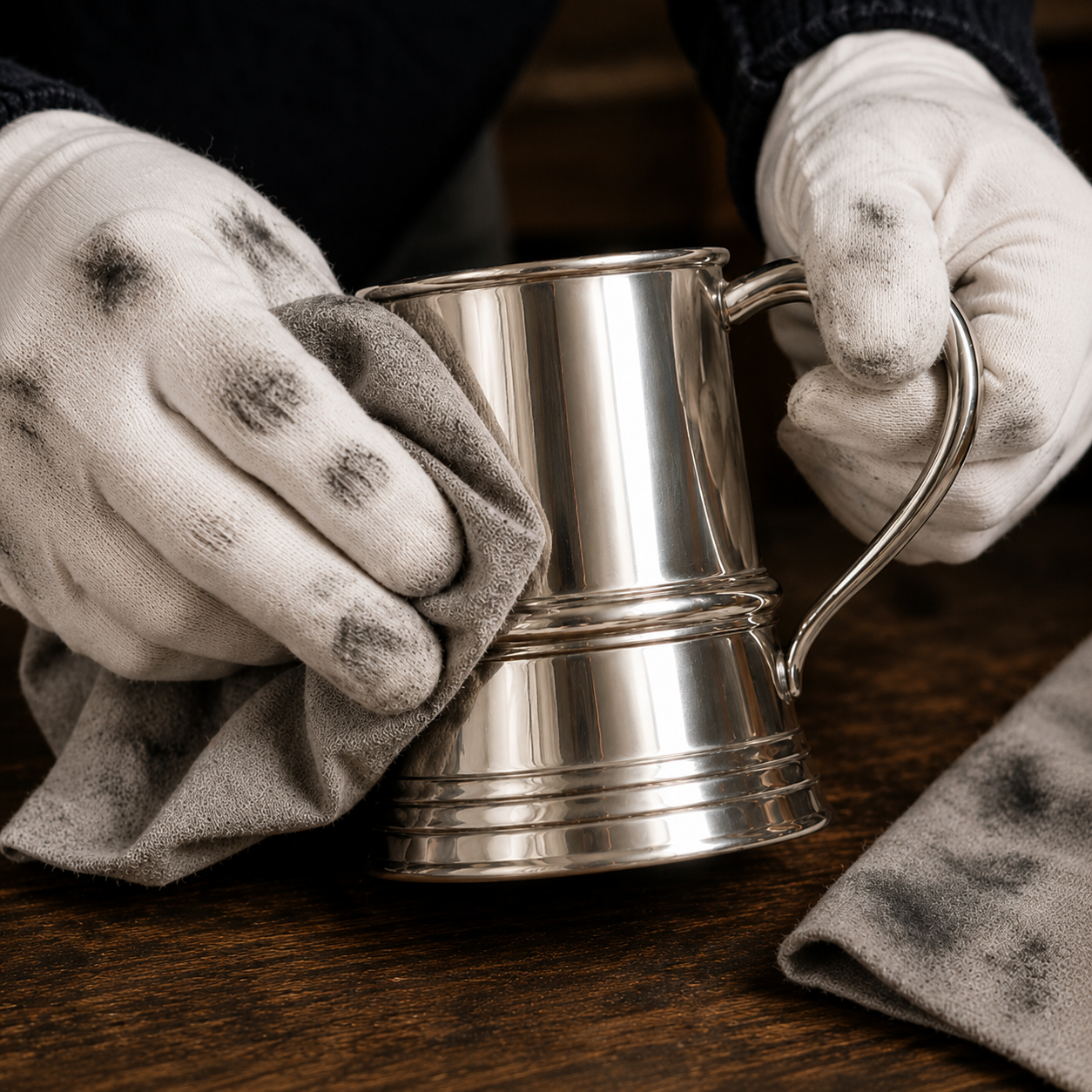
Caring for Slate
Slate is tough by nature. It's been formed under enormous pressure over millions of years, so a set of wet glasses on a coaster isn't going to trouble it. That said, a small amount of care will keep it looking exactly as it should.
Everyday Cleaning
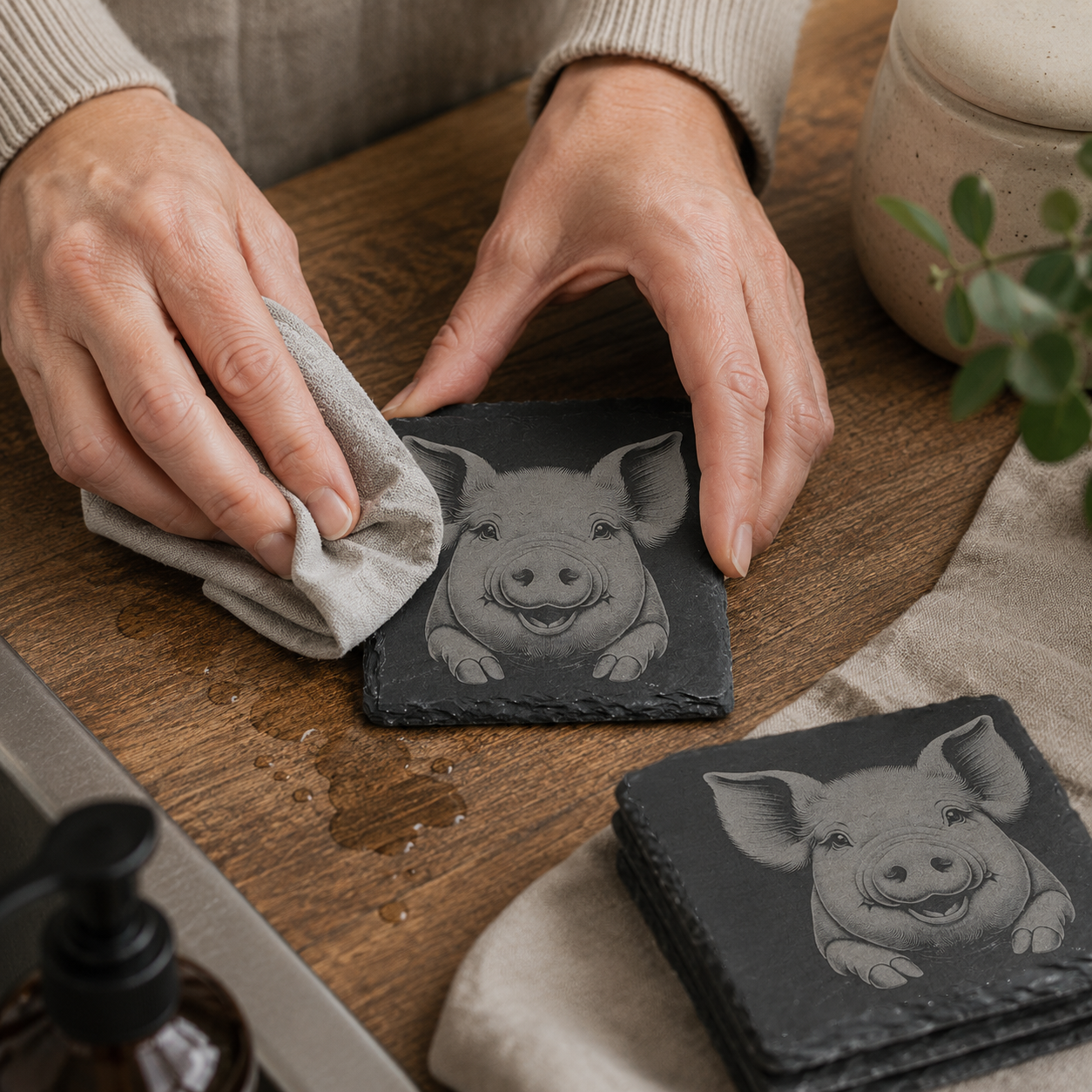
A damp cloth and a gentle wipe is all slate needs after normal use. For anything more stubborn — a dried wine ring or a sticky residue — a soft brush and a little warm water will sort it without any risk to the surface.
What to Avoid
Avoid soaking slate in water for extended periods, as prolonged moisture can gradually affect both the surface and, on coasters with felt bases, the backing material. Harsh chemical cleaners aren't necessary and can strip the natural finish from the surface.
Drying
Always dry slate thoroughly after cleaning, particularly around any engraved or pewter-inlaid areas. Standing water left on the surface can cause light watermarking over time, especially on polished slate.
Engraved Slate
For our engraved slate coasters, a soft brush — an old toothbrush works well — can be used to gently clear any residue from the engraved detail without scratching the surrounding surface. Dry thoroughly afterwards.
The Felt Base
Our slate coasters come with felt bases to protect your table surfaces. If the felt becomes worn or starts to lift at the edges, it can be replaced easily with self-adhesive felt pads, available from most hardware or craft shops.
Refreshing the Surface
If your slate starts to look a little dull or dry over time, a very light application of olive oil or slate oil on a soft cloth, buffed in and then wiped off, will restore the depth of colour and give the surface a clean, subtle sheen.
Caring for Glass
Good glassware deserves a little consideration, particularly when it's combined with other materials like pewter. The care is straightforward — it's mostly a matter of knowing what to avoid.
Everyday Cleaning
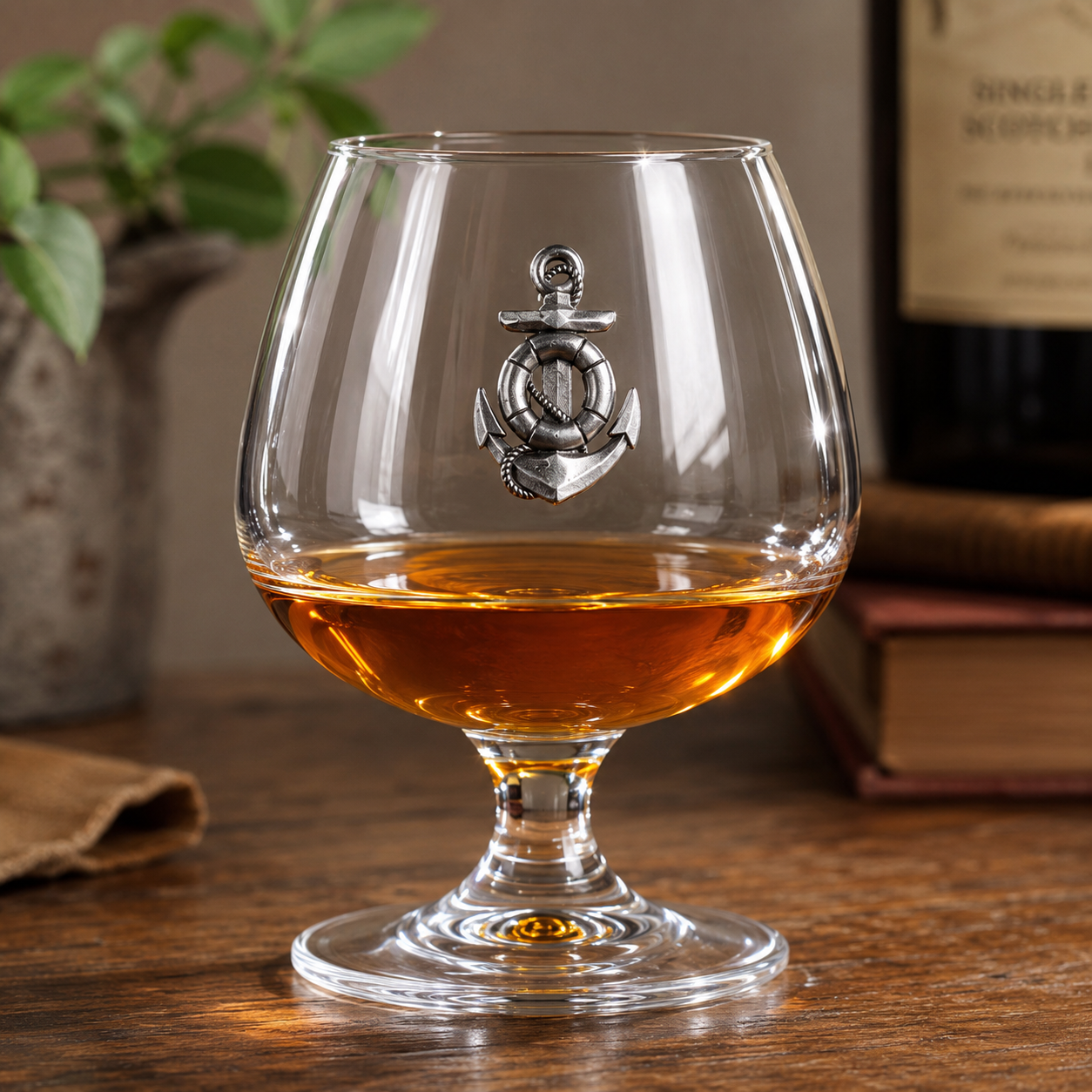
Hand-washing is always preferable for quality glassware, and it's essential for any piece that combines glass with a pewter mount, base, or holder. Use warm — not boiling — water and a mild washing-up liquid, and dry immediately with a soft, lint-free cloth to avoid water spots and streaking.
What to Avoid
The dishwasher is the enemy of good glassware. For plain glass, the heat and detergents will gradually cloud and etch the surface. For glass with pewter elements, the prolonged heat and moisture can weaken the joint between the materials and dull the pewter finish significantly. Always hand-wash.
Avoid very hot water on pieces where glass and pewter meet, as repeated thermal stress on the joint can cause problems over time. Similarly, don't leave glasses soaking in water for long periods.
Polishing Glass
A clean, dry lint-free cloth — or a cloth lightly dampened with white vinegar — will remove any streaks or smearing and leave glass looking its best. Hold the glass up to the light as you polish to catch any spots you've missed.
Storing Glassware
Store glasses upright where possible rather than upside down, particularly those with pewter bases, as the weight of the glass resting on a pewter rim over time can cause wear. Keep them somewhere they won't be knocked together — a small amount of padding between glasses in storage is worthwhile if they're being put away for any length of time.
Decanters
After use, rinse your decanter with warm water as soon as possible — don't leave wine or spirit residue sitting in the base for days. For any stubborn staining inside, a solution of warm water and a small amount of white vinegar, left to soak for an hour before rinsing, will usually clear it without the need for any abrasive cleaning.
Caring for Leather
Quality leather rewards attention. The leather we use on our leather-wrapped whisky tumblers is sourced from UK tanneries and chosen precisely because it ages well — but a small amount of regular care will ensure it develops that beautiful character rather than drying out or cracking.
Everyday Cleaning
For light cleaning after use, a soft cloth very slightly dampened with clean water is sufficient. Wipe gently and allow the leather to dry naturally at room temperature. Don't be tempted to speed things up with a hairdryer or by placing it near a radiator — rapid drying can cause the leather to stiffen and crack.
Conditioning
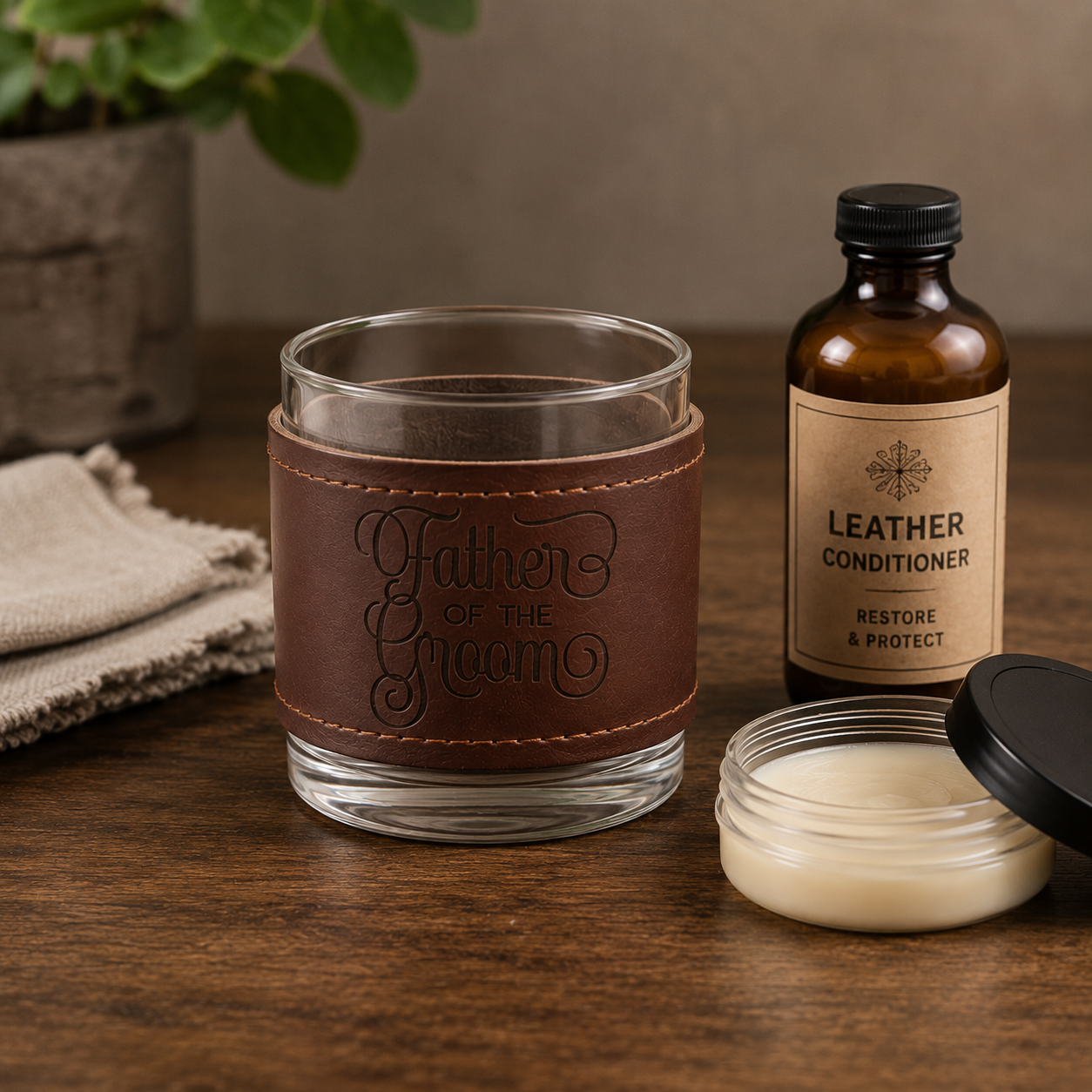
Every few months, depending on use, apply a small amount of a good quality leather conditioner to keep the leather supple and nourished. Apply sparingly with a soft cloth, work it in gently, and buff off any excess once absorbed. This is the single most important thing you can do to extend the life and appearance of leather.
Avoid conditioning products that contain silicone or petroleum, as these can degrade leather over time rather than nourishing it. A beeswax-based conditioner is a particularly good choice.
What to Avoid
Avoid submerging leather in water or leaving it wet for extended periods. If a leather-wrapped tumbler gets genuinely soaked, blot off as much moisture as possible with a dry cloth, stuff the glass loosely with a dry cloth to help it hold shape, and allow it to dry slowly and naturally away from any heat source. Condition once fully dry.
Keep leather away from prolonged direct sunlight, which will cause fading and drying over time. And avoid harsh chemical cleaners, alcohol-based products, or anything not specifically designed for leather care.
Ageing
Don't be alarmed when your leather starts to change colour and character — that's precisely what it should do. Over time it will soften, darken slightly in the areas most handled, and develop a patina that's entirely its own. A well-cared-for piece of leather decades from now will look far better than it did the day it arrived.
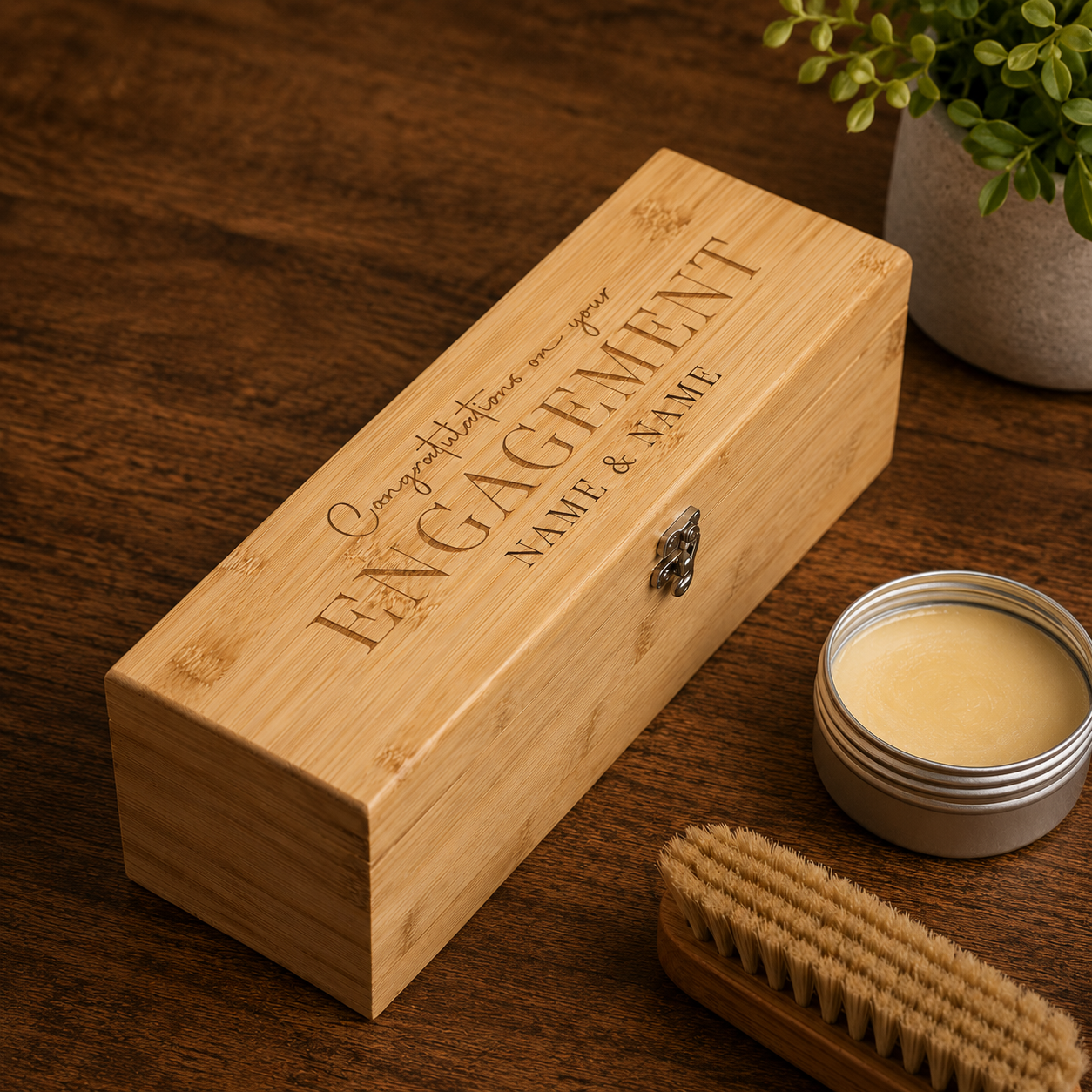
Caring for Wooden Boxes
Our wooden presentation boxes are made to be kept, not discarded. With a little straightforward care, they'll remain a useful and attractive part of your home long after the gift inside has been put to work.
Everyday Care
In normal use, a wooden box simply needs to be kept dry and away from extremes of heat and moisture. A wipe with a dry or very slightly damp cloth will deal with any dust or surface marks.
What to Avoid
Avoid leaving wooden boxes in prolonged direct sunlight, which can fade and dry the wood over time. Keep them away from radiators, heating vents, and damp environments like windowsills — wood responds to changes in humidity by expanding and contracting, and sustained exposure to either extreme can cause warping or cracking over time.
Don't use chemical cleaners, polishes, or sprays not intended for wood, and avoid getting the inside lining of the box wet.
Conditioning the Wood
If the wood starts to look a little dry or loses its depth of colour, a light application of a natural wood oil or beeswax furniture polish, applied with a soft cloth and buffed to a gentle sheen, will restore it. Work with the grain, apply sparingly, and buff off any excess before it has a chance to sit on the surface.
The Lining
The interiors of our presentation boxes are lined to protect and cradle the pieces inside. If the lining becomes marked, a very light brush with a soft, dry cloth will lift most surface dust. Avoid moisture inside the box where possible.
Reusing Your Box
One of the things we like most about a wooden box is that it earns a second life. Once the original gift has been unwrapped, the box itself becomes useful — for storing jewellery, keepsakes, letters, or whatever else deserves a proper home. They're built well enough to be handed down alongside the piece they originally held.
General Tips for All Materials
Buy to use, not to display. Everything we make is designed to be used. Don't be precious with it — a pewter tankard that's never had a pint in it, or a leather tumbler kept on a shelf, isn't getting the life it was made for.
When in doubt, go gentle. Across all our materials, a soft cloth and warm water will solve most problems without the risk that a harsher product brings.
Keep moisture moving. Drying things promptly after cleaning is the single habit that does the most good across pewter, slate, glass, leather, and wood alike.
Don't over-polish. For pewter and leather in particular, less is more when it comes to products. Regular light attention beats occasional heavy intervention every time.
Get in touch. If you're ever unsure how to deal with something — a stain, a scratch, a question about a repair — our team is always happy to help. We've been looking after pewter for nearly 250 years, so chances are we've seen it before.