Our Philosophy
Underpinning everything we do are these key themes: traditional craftsmanship, heritage materials, durability, and family.
Traditional Craftsmanship
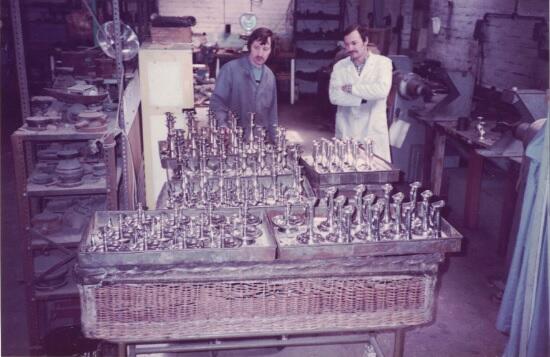
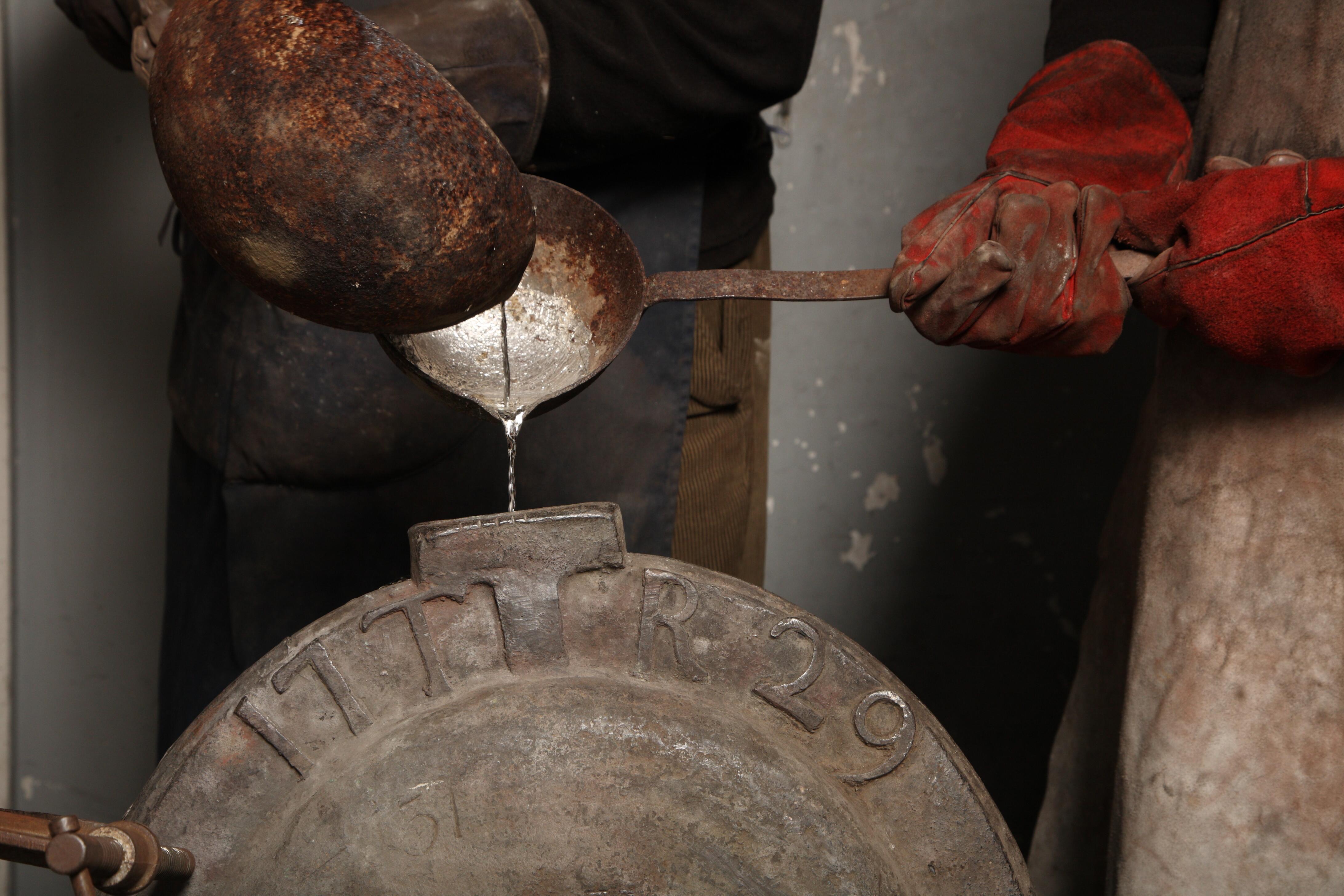
Every piece that leaves our Birmingham workshop is cast, fettled, soldered and polished by hand, using the same methods our forebears would recognise. Pewter doesn't lend itself to shortcuts, and we've never looked for any.
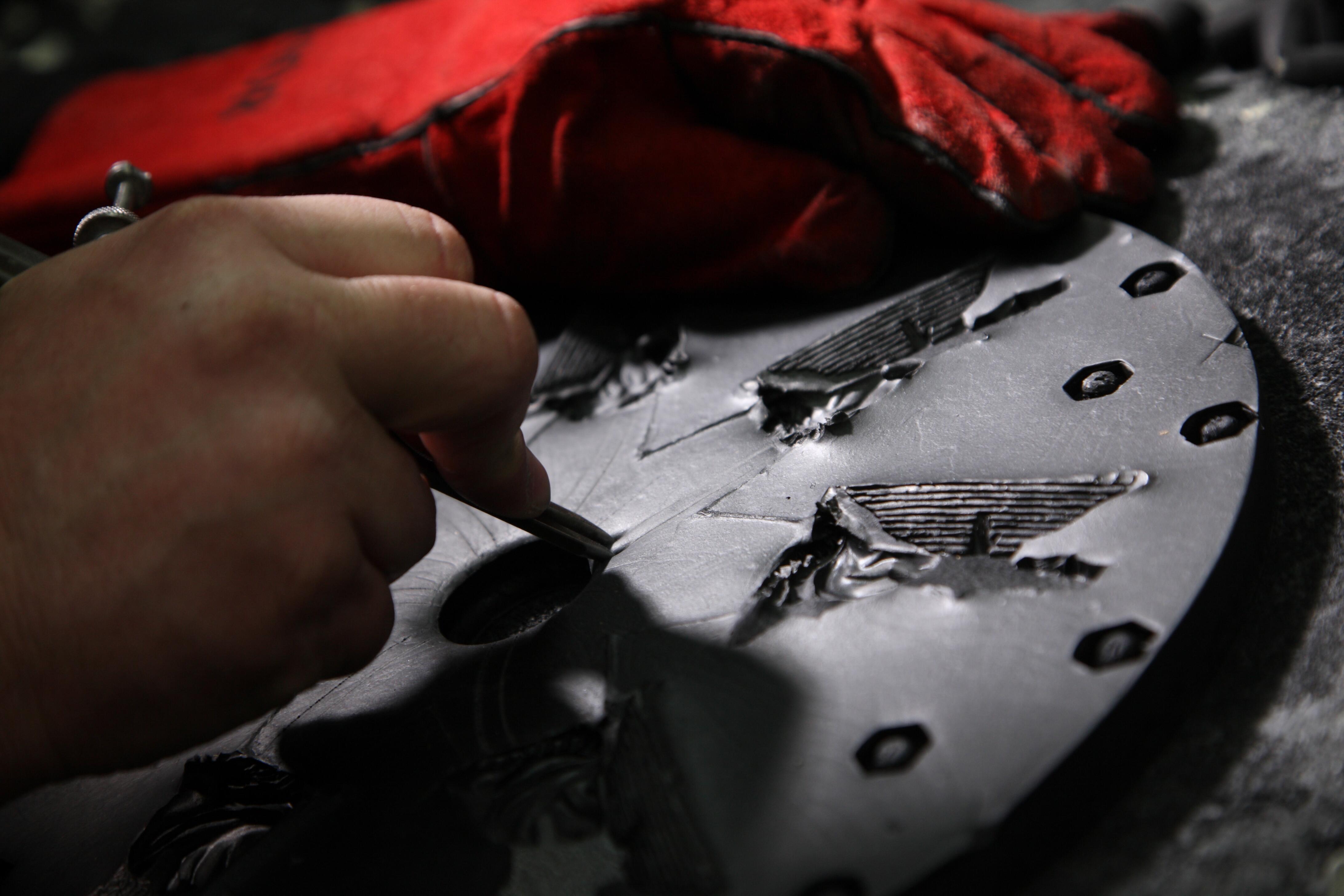
We work from a collection of over 1,500 antique bronze moulds, some of which are centuries old. Many were made by hand long before machine tooling existed, and we still use them today, alongside moulds and skills of our own, to produce pieces with the kind of character that mass production simply can't replicate.
Heritage & Materials
Pewter has a long history in Britain, and we've been part of it for nearly 250 years. We work almost exclusively in pewter, an alloy prized for centuries for its weight, its soft sheen, and the way it ages gracefully rather than wearing out.
Many of our designs draw directly on that history too. Some, like our "Well Spoon", come from moulds discovered or preserved from earlier centuries. Others reproduce pieces we've made for museums, royal palaces, and film and television productions over the years. Working this way keeps a small but important British craft alive.
Built to Last
We don't make things to be replaced. Pewter is a durable, hardwearing material, and combined with proper casting and finishing, it's built to be used and handed down rather than discarded.
That's always mattered to us more than chasing trends. A tankard, goblet or keepsake from A E Williams should still be doing its job, and looking better for the use, in another generation's hands.
A Family Business
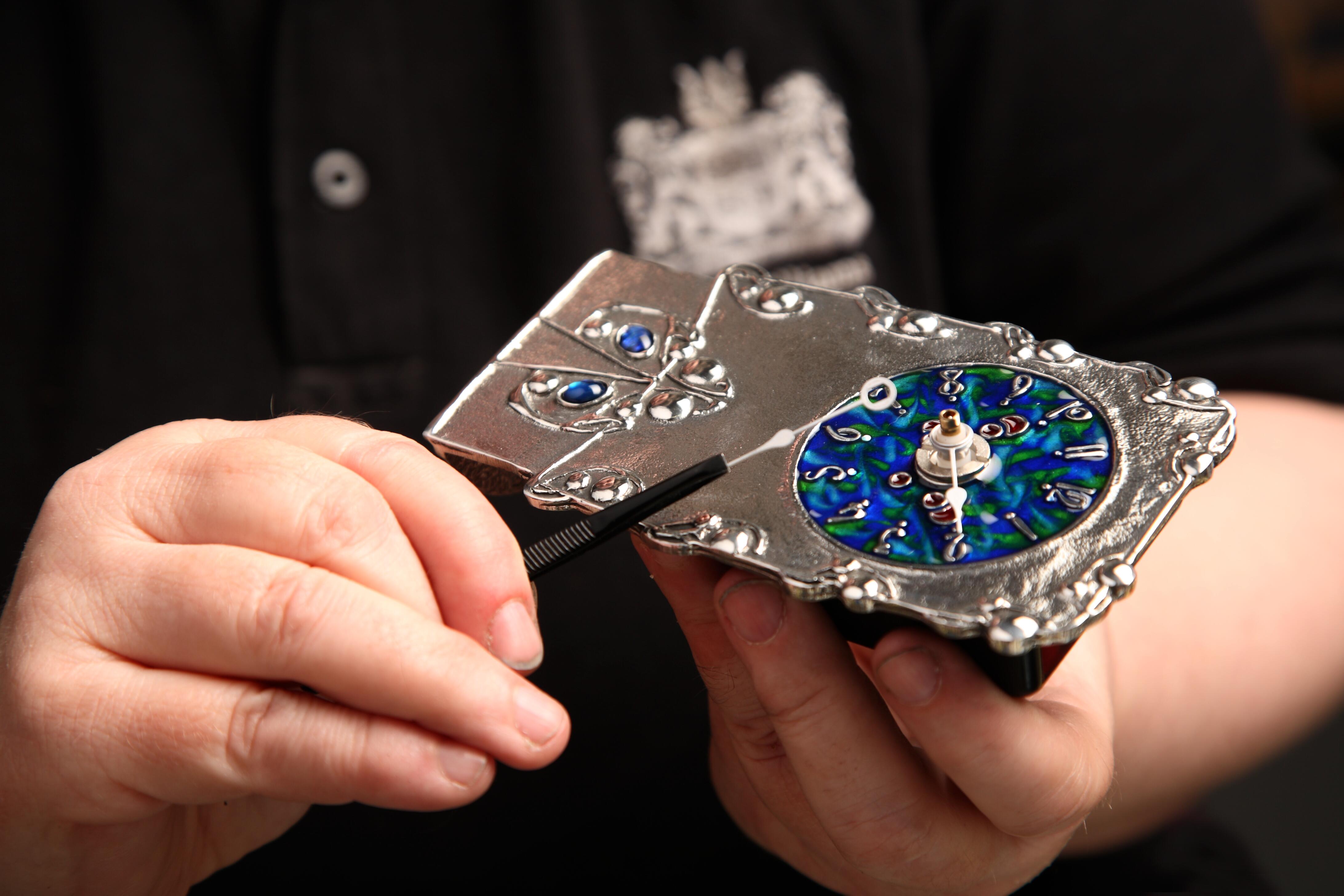
A E Williams has stayed in the same family since Thomas Williams started the business in 1779, and it's now run by the eighth generation of that family.
That matters to how we work. It's a small, hands-on team where the same people casting and polishing today learned the craft from the generation before them, often quite literally at the next bench. We think it shows in the work, and we think our customers, many of whom buy these pieces as gifts to mark their own family occasions, understand exactly why that matters.