
Collecting Vintage Pewter Items: A Guide to Timeless Treasures

Essential Knowledge for Pewter Collectors
- Pewter items develop a beautiful patina over time, enhancing their character and uniqueness
- Modern pewter is lead-free and safe for everyday use with minimal maintenance
- Authentic pewter pieces often feature maker's marks that help determine origin and value
- Vintage pewter spans various categories including tableware, decorative items, and jewelry
- Proper care involves gentle cleaning with soft cloths and avoiding harsh chemicals
| Key Takeaways | Details |
|---|---|
| Historical Significance | Pewter dates back centuries with pieces reflecting the craftsmanship and artistic sensibilities of their era |
| Composition Evolution | From lead-containing historical pieces to modern lead-free alloys that are safe for food contact |
| Collection Categories | Tableware, decorative items, ceremonial objects, jewelry, and personal accessories |
| Authentication Methods | Maker's marks, physical characteristics, construction techniques, and patina development |
| Investment Considerations | Rarity, condition, provenance, maker reputation, and artistic merit determine value |
Introduction to Pewter Collecting
Pewter collecting is a journey through history, craftsmanship, and artistic expression. This metal alloy has been used for centuries to create everything from practical tableware to decorative art pieces, making it a diverse field for collectors. Pewter's distinctive appearance, with its soft lustre and subtle grey tones, has attracted many people seeking both historical significance and beauty. The material has stayed popular because it lasts a long time and shows the artistic styles of different historical periods, from Medieval simple designs to fancy Victorian decorative pieces.
The appeal of vintage pewter comes from its connection to our past. Each piece tells a story of its era, showing the craftsmanship techniques and design styles of its time. From ornate Victorian designs to sleek Art Nouveau pieces, pewter collections can span centuries of artistic development. These objects connect us to domestic life throughout history, showing how people dined, celebrated, and decorated their homes across generations. The different regional styles make collecting more interesting, as you can identify distinctive French, English, German, or American characteristics in pieces.
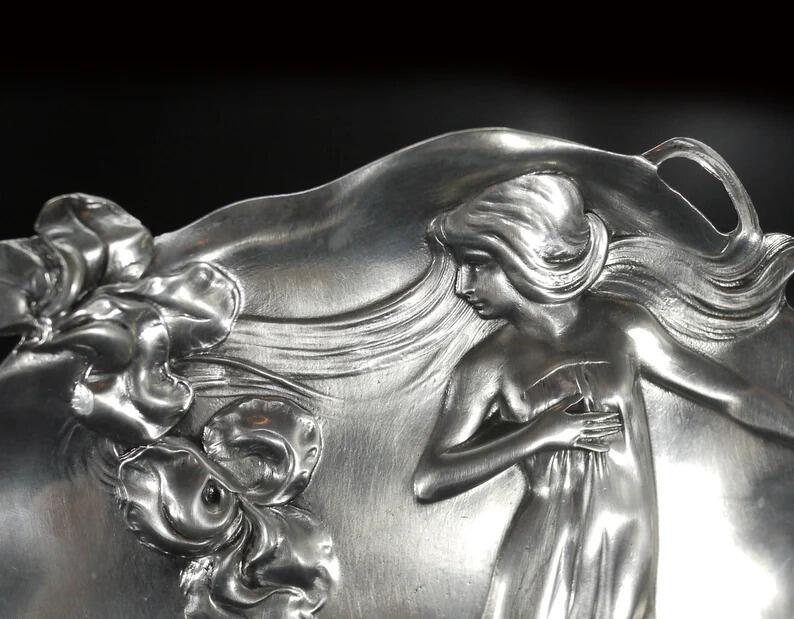
For those beginning their collecting journey, understanding the rich heritage of pewter is essential. Traditional pewter craftsmanship dates back centuries, with some manufacturers like A.E. Williams established as far back as 1779. Today, these traditions continue with both antique pieces sought after by collectors and new handcrafted items created using time-honoured methods. The persistence of traditional techniques alongside contemporary innovations shows pewter's remarkable adaptability as both a historical artifact and a living craft tradition that continues to grow in the hands of skilled artisans.
Pewter's composition has changed over time, with modern pieces being 100% lead-free, making them both collectible and practical for everyday use. This versatility adds to pewter's appeal, as collections can be both displayed and enjoyed functionally, from decorative items to usable tableware. The change from historical formulations that often contained lead to today's safer alloys is an important part of pewter's story, allowing collectors to appreciate vintage styles while still using pieces in daily life. This practical aspect sets pewter apart from many other collectibles that are just for display, creating a closer relationship between collectors and their treasured objects.
Understanding Pewter: Composition and Characteristics
Pewter is an alloy mainly made of tin, with small amounts of other metals such as copper, antimony, or bismuth that make it more durable and improve its appearance. In the past, pewter often contained lead, but modern pewter is lead-free, making it safe for food and drink. This change in composition is important for collectors, especially when checking the age and safety of vintage pieces. Traditional pewter formulations typically contained between 85-99% tin with varying amounts of additional metals that affected the material's hardness, color tone, and working properties. The exact composition often reflected regional traditions and available resources, creating subtle differences that knowledgeable collectors can use to identify pieces' origins.
The special characteristics of pewter make it easy for experienced collectors to recognize. It feels heavy in the hand, while its surface has a unique shine that's neither as bright as silver nor as dull as other metals. Pewter develops a beautiful patina over time, with each piece aging uniquely based on use and environment. This natural aging process creates a soft, muted sheen that many collectors value as evidence of authenticity and historical use. Unlike silver, which needs regular polishing to maintain its brightness, pewter's subtle transformation through handling and exposure actually makes it look better, creating a warm, lived-in quality that connects users to previous generations who touched and used these objects.
One of the most appealing aspects of pewter is its minimal maintenance requirements. Unlike silver, pewter doesn't tarnish extensively, though it may darken over time. This natural aging process is often prized by collectors, who appreciate the subtle changes that occur as pewter develops its character. Regular cleaning with a soft cloth is usually sufficient to maintain its appearance, with occasional gentle washing using mild soap for more thorough care. This low-maintenance quality makes pewter particularly accessible to new collectors who might be scared by the rigorous care requirements of other collectible metals. The forgiving nature of pewter allows collectors to handle and enjoy their pieces without constantly worrying about fingerprints or oxidation that comes with silver collecting.
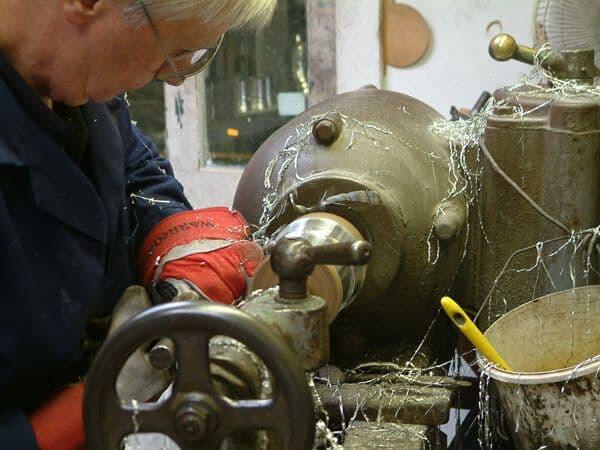
The versatility of pewter as a material has allowed artisans throughout history to create a wide range of items, from practical tableware like tankards and plates to decorative objects and jewelry. This diversity offers collectors numerous specialization opportunities within the broader field of pewter collecting. The material's relatively low melting point (around 170-230°C depending on the exact composition) makes it highly workable, allowing craftspeople to employ various techniques including casting, spinning, hammering, and engraving. These different production methods create distinctive surface textures and details that trained collectors can identify as signatures of particular manufacturing traditions. From the smooth, uniform surfaces of spun pewter to the crisp details of cast pieces, these technical variations add depth to the collecting experience.
Historical Significance of Pewter Items
Pewter has played an important role in domestic and decorative arts throughout history. During the Middle Ages and Renaissance, pewter tableware was common in households across Europe, serving as a more affordable alternative to silver while still showing status and refinement. By the 18th and 19th centuries, pewter had become an important part of everyday life, with distinctive regional styles developing across Britain, Continental Europe, and America. The material's prominence in domestic settings throughout these periods gives collectors a tangible connection to daily life in earlier times. Looking at the evolution of pewter designs reveals changing dining customs, social hierarchies, and aesthetic preferences that characterized different historical eras, from the simple, functional forms of medieval pieces to the more elaborate decorative elements that emerged during the Victorian period.
The historical significance of pewter extends beyond its practical use. Many pieces reflect the social customs and artistic sensibilities of their era, from elaborate ceremonial vessels to more humble domestic items. For collectors, this historical context adds depth and meaning to each acquisition, connecting them to the past through tangible objects. Religious items like communion chalices and baptismal bowls show pewter's importance in spiritual life, while guild plates and ceremonial cups reflect its role in civic and professional organizations. These specialized uses created distinctive forms that evolved according to their specific functions, resulting in fascinating variations that collectors can study to understand how pewter adapted to different cultural needs throughout history.
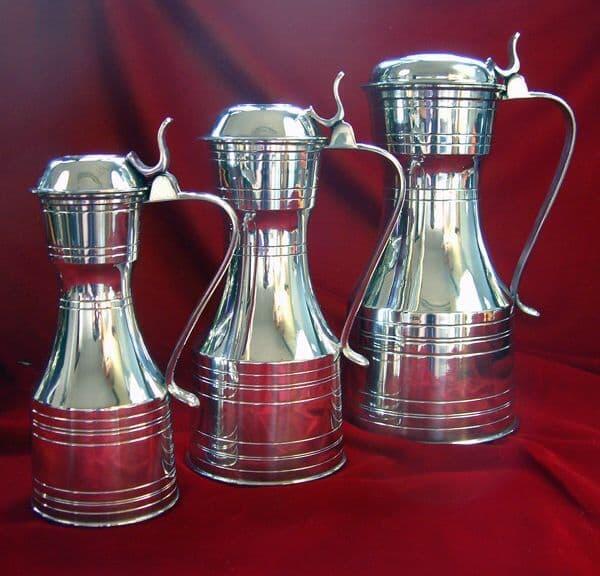
Specific styles like The Tappit Hen Collection showcase the finest tradition of pewter tableware with historical significance. These Scottish designs represent an important chapter in pewter's history, with distinctive forms that have been preserved through careful craftsmanship. Understanding these historical contexts enhances the appreciation of vintage pewter pieces. The tappit hen, traditionally used for measuring and serving ale in Scotland, shows how regional drinking customs influenced pewter design, creating specialized forms that became cultural icons. These distinctive vessels, with their characteristic lidded design and thumb-piece, demonstrate how pewter craftsmen responded to local needs while developing regionally specific aesthetic traditions that collectors can now study and preserve.
The evolution of pewter craftsmanship can be traced through different artistic movements. From Gothic and Renaissance influences to the flowing lines of Art Nouveau and the geometric patterns of Art Deco, pewter has adapted to changing tastes while maintaining its essential character. This adaptability is particularly evident in decorative items, where pewter artisans have consistently demonstrated their ability to embrace new aesthetic directions. The malleability of pewter allowed it to successfully incorporate elements from successive design movements, creating a fascinating timeline of artistic development that collectors can assemble through carefully curated acquisitions. Particularly during the late 19th and early 20th centuries, pewter became an important medium for artistic expression, with renowned designers creating signature pieces that exemplified contemporary aesthetic principles while honoring traditional craftsmanship techniques.
Types of Collectible Pewter
The world of collectible pewter includes a diverse range of items, each with its own appeal to collectors. Understanding these categories can help new collectors focus their interests and develop specialized knowledge in particular areas. The breadth of pewter production throughout history means that collectors can explore numerous specialized niches, from church items to military accessories, scientific instruments to children's toys. This diversity allows collectors to develop highly personalized collections that reflect their specific interests while still participating in the broader community of pewter enthusiasts who share knowledge and appreciation for this versatile material.
Tableware and Drinking Vessels
Pewter tableware represents one of the most extensive categories for collectors. Historical dining pieces include plates, chargers, and serving dishes that showcase different regional styles and manufacturing techniques. Drinking vessels are particularly popular, with tankards, measures, and goblets being sought after for both their craftsmanship and historical significance. The evolution of dining customs can be traced through these pieces, from the simple trenchers of medieval tables to the more specialized serving pieces that emerged as dining rituals became more elaborate. Regional variations in form and decoration provide fascinating insights into local customs and aesthetic preferences, with distinctive styles emerging from different European centers of pewter production such as London, Paris, Nuremberg, and Amsterdam.
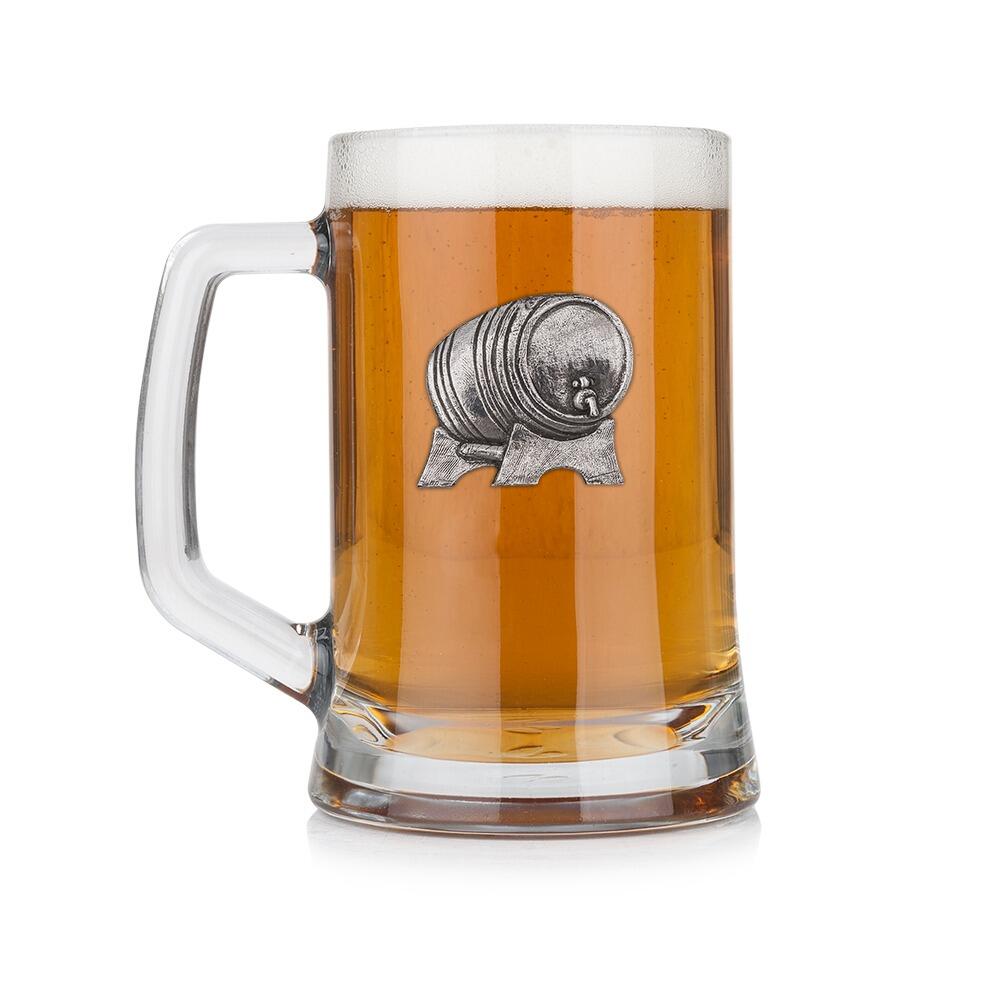
The Pewter Beer Barrel Tankard exemplifies the finest tradition of British pewter craftsmanship. With its beautiful design and substantial 660ml capacity, this piece showcases how historical drinking vessel designs continue to be appreciated by collectors and users alike. Many collectors are drawn to these functional pieces that combine historical significance with practical use. Drinking vessels like tankards and measures often feature distinctive regional characteristics, such as the straight-sided English tankard versus the more bulbous German form, or the Scottish quaich with its distinctive shallow bowl and dual handles. These variations reflect different drinking customs and brewing traditions, creating specialized forms that evolved to serve specific beverages and social rituals.
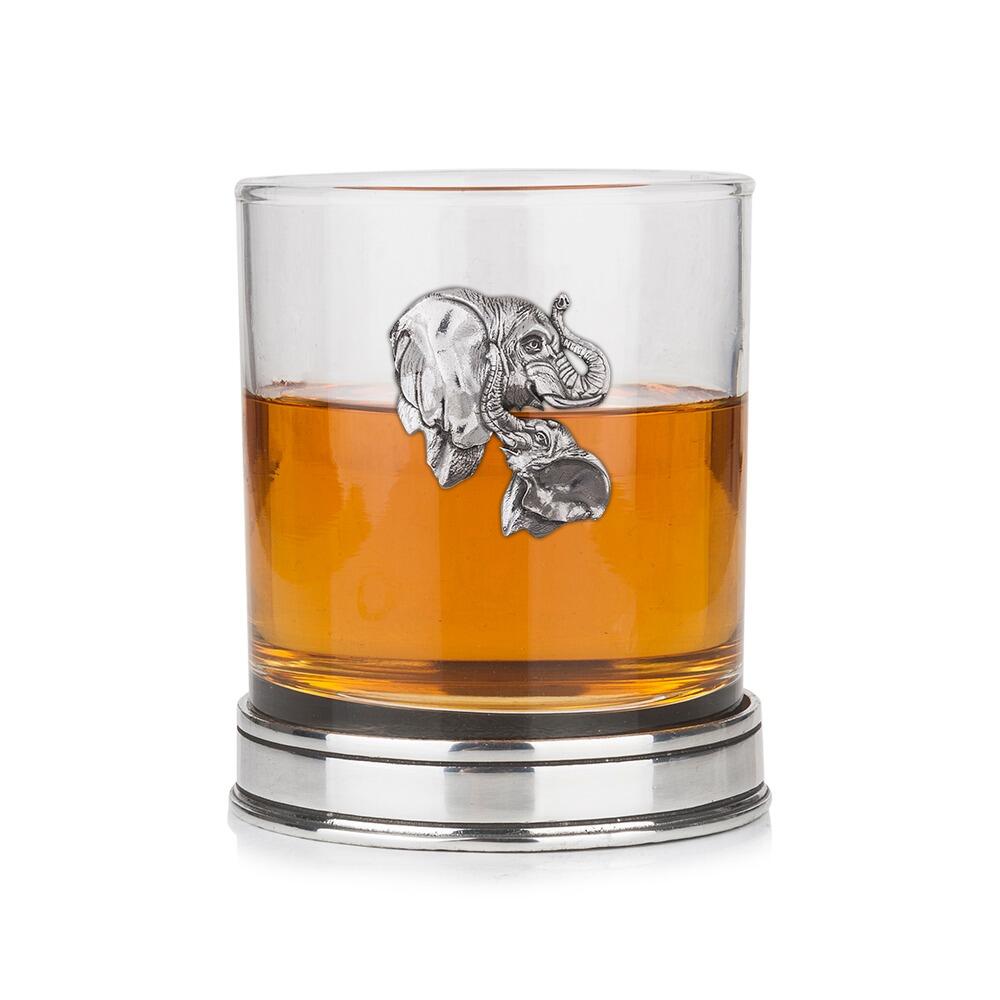
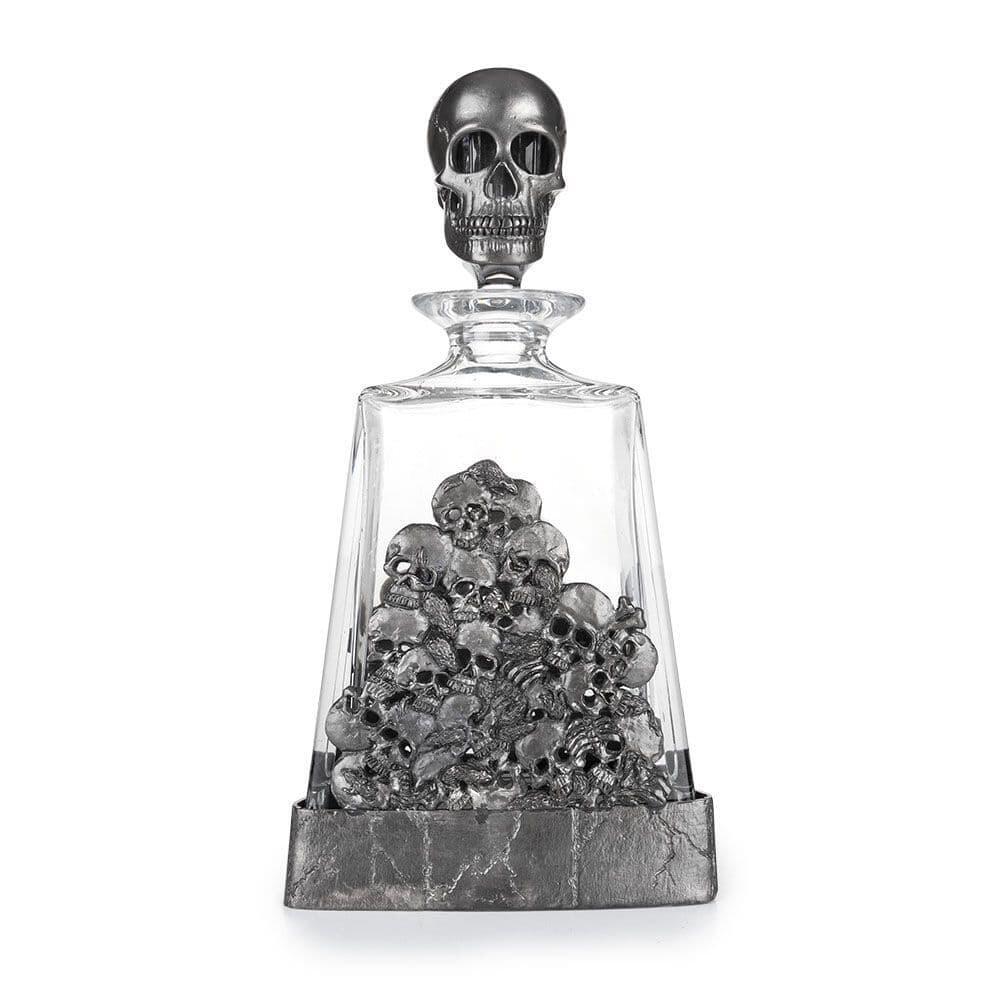
Modern collectible drinking vessels also include specialized items like whisky tumblers and decanters. The Elephant Pewter Whisky Tumbler represents contemporary pewter craftsmanship designed for a special drinking experience, while unique designs like the Death Decanter showcase how modern pewter artisans create distinctive collectible items with eye-catching designs. Contemporary pewter artists continue to innovate while respecting traditional techniques, creating pieces that appeal to collectors interested in how this ancient craft continues to evolve. These modern interpretations often combine classical pewter working methods with contemporary design sensibilities, demonstrating the material's ongoing relevance in today's decorative arts landscape. Limited edition pieces and artist-signed works represent a growing segment of the pewter collecting market, appealing to those interested in supporting living craftspeople while acquiring distinctive pieces.
Decorative and Ceremonial Items
Beyond tableware, pewter has long been used to create decorative and ceremonial objects. These pieces often feature more elaborate designs and may incorporate other materials such as glass or wood. Candlesticks, vases, and figurines represent common decorative items that attract collectors interested in pewter's artistic applications. Decorative pewter pieces often reflect broader design movements, from Rococo flourishes to streamlined Art Deco forms, providing a fascinating record of changing aesthetic sensibilities throughout history. The malleability of pewter allowed craftspeople to create intricate details and textures that showcase the material's expressive potential beyond purely functional applications.
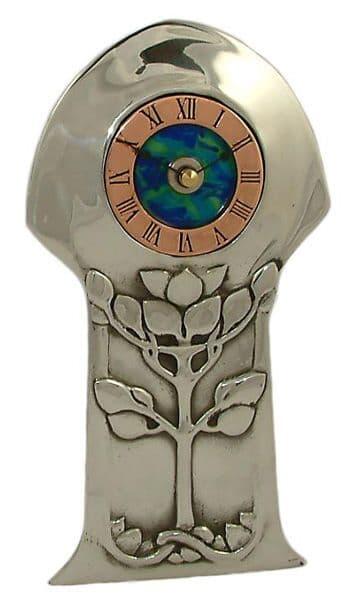
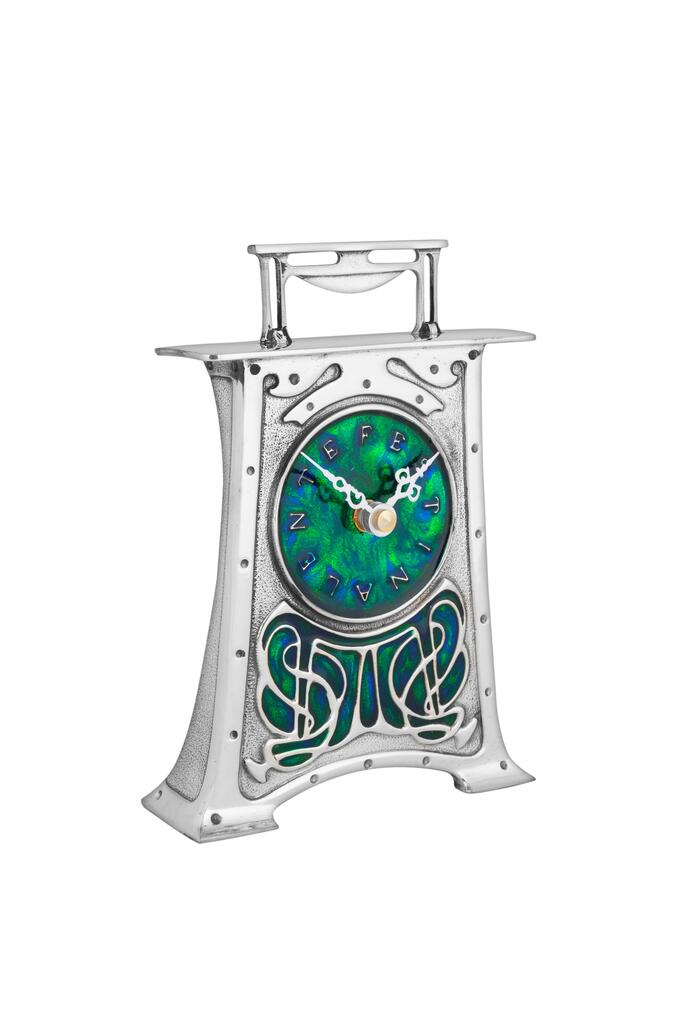
Timepieces like the Archibald Knox Clock represent highly collectible decorative pewter items. Inspired by famous designers with intricate Celtic and Gothic influences, these pieces showcase pewter's versatility in decorative applications. The artistic value of such pieces often transcends their functional purpose, making them prized additions to pewter collections. Designer pieces by recognized artists like Archibald Knox, who worked with Liberty & Co. during the Art Nouveau period, demonstrate how pewter became an important medium for artistic expression during key design movements. These designer-associated items often command premium values in the collector's market due to their artistic significance and the reputation of their creators.
Ceremonial items, including communion chalices, baptismal bowls, and commemorative pieces, form another significant category for collectors. These items often feature higher levels of craftsmanship and may carry inscriptions or dates that connect them to specific historical events or individuals, adding to their collectible value. Commemorative pieces marking coronations, jubilees, weddings, and other significant occasions provide fascinating historical documentation while showcasing how pewter has been used to celebrate important moments throughout history. Guild plates, presentation cups, and awards represent another dimension of ceremonial pewter, reflecting the material's role in professional and civic life. These specialized items often feature elaborate engraving and decorative elements that set them apart from everyday pewter objects, making them particularly attractive to collectors interested in social history.
Jewelry and Personal Items
Pewter jewelry represents a specialized collecting category that has gained popularity in recent decades. Brooches, pendants, and bracelets showcase pewter's adaptability to small-scale, detailed work, often incorporating symbolic or cultural motifs. The relatively low cost of pewter compared to precious metals made it accessible for jewelry creation throughout history, resulting in fascinating pieces that reflect changing fashion trends and personal adornment practices. From simple Georgian buttons to elaborate Victorian mourning jewelry, these personal items provide intimate connections to how people expressed themselves through decorative objects in earlier eras. Contemporary pewter jewelry designers continue this tradition, creating pieces that range from traditional Celtic-inspired designs to modern abstract forms.
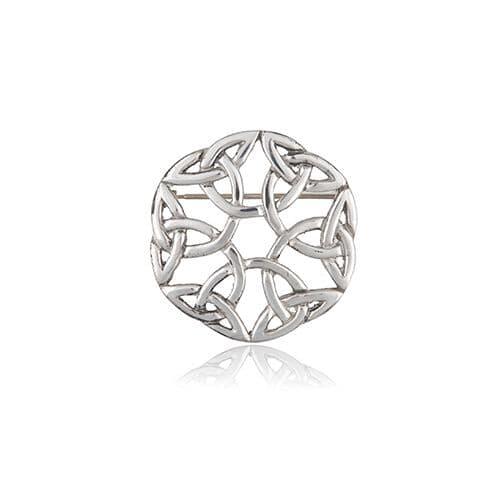
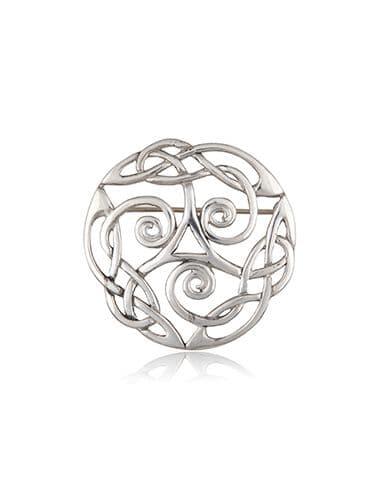
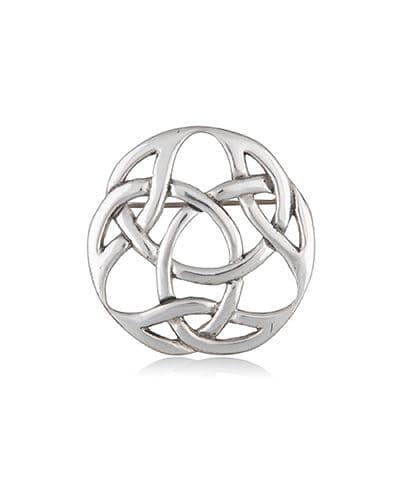
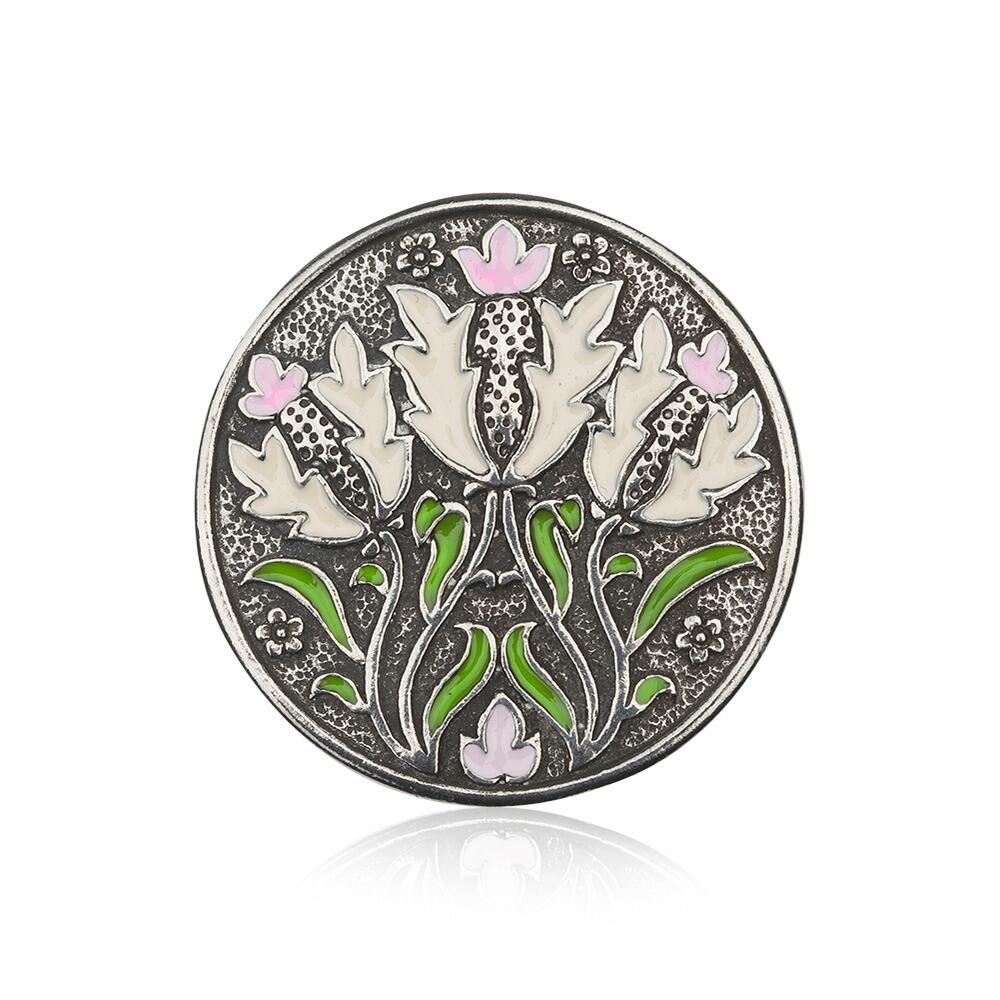
Celtic-inspired pieces like the Symbol of Eternity Brooch, Triple Spiral Brooch, and Durrow Knotwork Brooch showcase how historical designs continue to influence contemporary pewter jewelry. These lightweight pieces feature intricate knotwork and symbolic patterns that connect modern wearers to ancient traditions. The enduring appeal of these Celtic motifs demonstrates how pewter jewelry often carries cultural significance beyond mere decoration, embodying symbolic meanings and historical references that resonate with collectors and wearers. The accessibility of pewter has allowed these traditional designs to reach a wider audience than would be possible with precious metals, helping preserve and popularize historical artistic traditions.
Personal items extend beyond jewelry to include snuff boxes, pocket watches, and other accessories that reflect the social customs of their time. These smaller collectibles often appeal to those with limited display space or specific interests in historical fashion and personal adornment. Items like card cases, vesta cases (match holders), and pocket combs offer fascinating insights into daily life and social rituals of earlier eras. Pewter's durability has allowed many of these personal items to survive in excellent condition, providing collectors with well-preserved examples that still show fine details and maker's marks. The intimate nature of these objects—things that were carried, used, and treasured by individuals—creates a personal connection to history that many collectors find particularly compelling.
Identifying and Authenticating Vintage Pewter
For collectors, the ability to identify and authenticate vintage pewter pieces is essential. This knowledge helps determine age, origin, and value, while also protecting against reproductions or misattributed items. Several key factors contribute to proper identification. Developing this expertise typically requires a combination of reference materials, hands-on experience with authenticated pieces, and engagement with knowledgeable dealers or fellow collectors. Many serious collectors build reference libraries containing specialized books on maker's marks, regional styles, and manufacturing techniques that help them evaluate potential acquisitions with confidence. This knowledge not only prevents costly mistakes but enhances appreciation for the subtle details that distinguish exceptional pieces.
Maker's Marks and Hallmarks
One of the most reliable ways to identify vintage pewter is through maker's marks and hallmarks. These stamps or engravings typically appear on the bottom or inside of pieces, providing information about the manufacturer, place of origin, and sometimes the date of production. Common marks include touchmarks (a maker's personal stamp), quality marks, and verification marks used in certain regions or time periods. The location and style of these marks often provide important clues about a piece's origin, as different regions developed distinctive marking conventions. For example, British pewter often features touches with the maker's initials and a distinctive symbol, while continental European pieces might display town marks alongside the pewterer's personal mark. American pewter typically shows simpler stamped marks with the maker's name or initials.
Common Types of Pewter Marks
- Touchmarks: Individual maker's stamps, often including initials or symbols
- Quality Marks: Indicating the grade or purity of the pewter
- Verification Marks: Official stamps from guilds or regulatory bodies
- Ownership Marks: Sometimes added by owners, particularly on older pieces
Developing familiarity with these marks requires research and reference materials. Many collectors build libraries of reference books or maintain digital resources that catalog known makers and their distinctive marks. This knowledge becomes more refined with experience, allowing collectors to quickly identify pieces from recognized manufacturers. The study of maker's marks can become a fascinating pursuit in itself, as these stamps not only identify pieces but tell stories about the organization of the pewter trade, the regulation of quality standards, and the movement of craftspeople between different centers of production. Some collectors specialize in pieces from particular makers or regions, developing deep expertise in recognizing the subtle variations in marks that can help date pieces precisely.
Physical Characteristics and Construction
Beyond marks, the physical characteristics and construction techniques of pewter items provide valuable clues about their age and authenticity. Older pieces often show evidence of hand craftsmanship, with slight irregularities or tool marks that differ from the more uniform appearance of machine-made items. The methods used to join handles to bodies, create spouts, or form decorative elements evolved over time, providing chronological indicators for knowledgeable collectors. For instance, early pieces might show hammer marks or hand-finished edges, while later items display more consistent machine-finished surfaces. These manufacturing details help establish approximate dates even when maker's marks are absent or difficult to interpret.
The weight and feel of pewter can also indicate authenticity. Genuine vintage pewter has a substantial weight and distinctive cool touch that's difficult to replicate with other materials. The patina that develops over time creates a unique surface appearance that's challenging to artificially reproduce in modern copies. Experienced collectors develop a tactile sensitivity that allows them to recognize authentic pewter simply by handling a piece, noting the specific weight, temperature response, and surface texture that characterize genuine historical items. This sensory knowledge complements more technical authentication methods, creating a comprehensive approach to evaluation that combines objective and subjective factors.
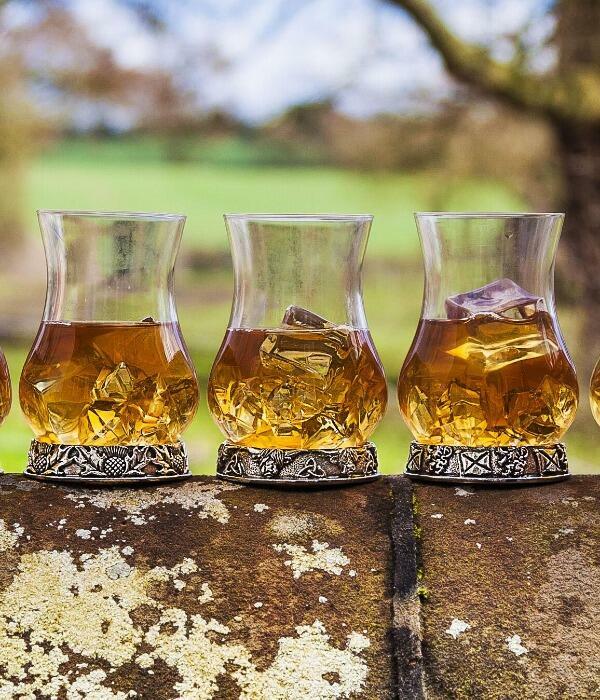
Construction methods have evolved over time, providing additional authentication clues. Early pewter pieces might show signs of casting seams or hammer marks, while later items may feature more refined joining techniques. Understanding these manufacturing methods helps collectors place items within their proper historical context. The evolution from hand-hammered pieces to spun pewter, cast elements to stamped components reflects broader technological developments that transformed pewter production over centuries. Recognizing these technical signatures helps collectors determine not just when a piece was made, but often where and by whom, as different workshops and regions adopted new production methods at different rates. This technical knowledge forms an essential component of pewter connoisseurship, allowing collectors to evaluate pieces holistically rather than relying solely on marks or superficial appearance.
Building a Pewter Collection
Starting and developing a pewter collection involves strategic decisions about focus, acquisition methods, and display. Whether collecting broadly or specializing in specific types, periods, or makers, thoughtful approaches enhance the collecting experience. Many successful collectors begin with areas that personally resonate with them—perhaps pieces from their ancestral homeland, items that relate to their professional interests, or forms that particularly appeal to their aesthetic sensibilities. This personal connection creates a meaningful foundation for a collection that can evolve over time as knowledge and interests develop. The accessibility of pewter at various levels makes it possible for collectors to begin modestly and gradually acquire more significant pieces as their expertise and resources grow.
Choosing a Collection Focus
Many successful collectors begin by defining a specific focus for their collection. This might involve specializing in a particular type of pewter item, such as tankards or plates, or concentrating on pieces from a specific time period or geographic region. Others might collect works by a particular manufacturer or pieces that exemplify a certain artistic style. This focused approach allows collectors to develop deeper expertise in their chosen area while creating a more coherent collection narrative. Specialization often leads to more meaningful acquisitions as collectors develop the knowledge to recognize exceptional examples within their chosen category. It also helps establish parameters that make collecting decisions more manageable, preventing the overwhelming feeling that can come from trying to collect across too many categories simultaneously.
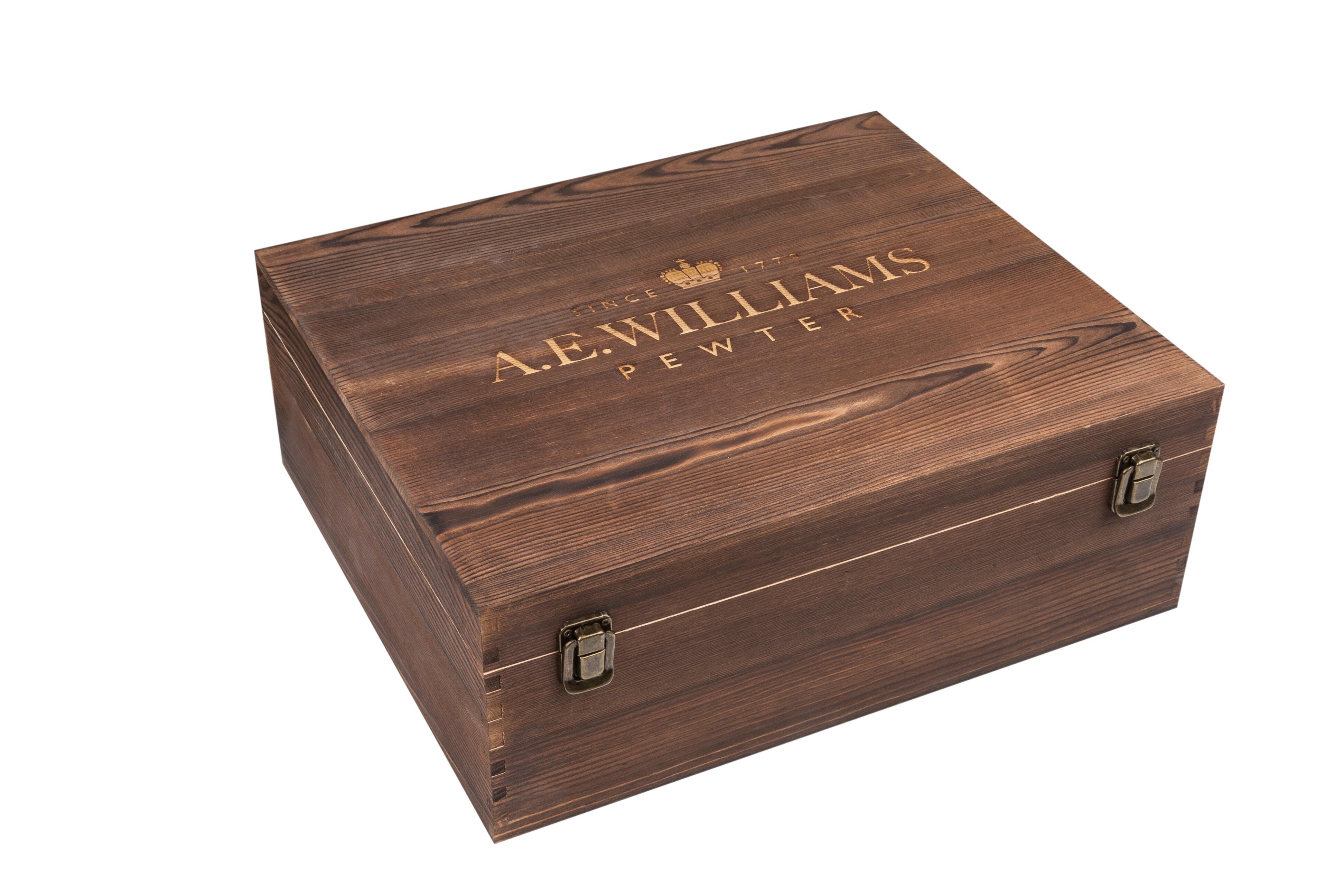
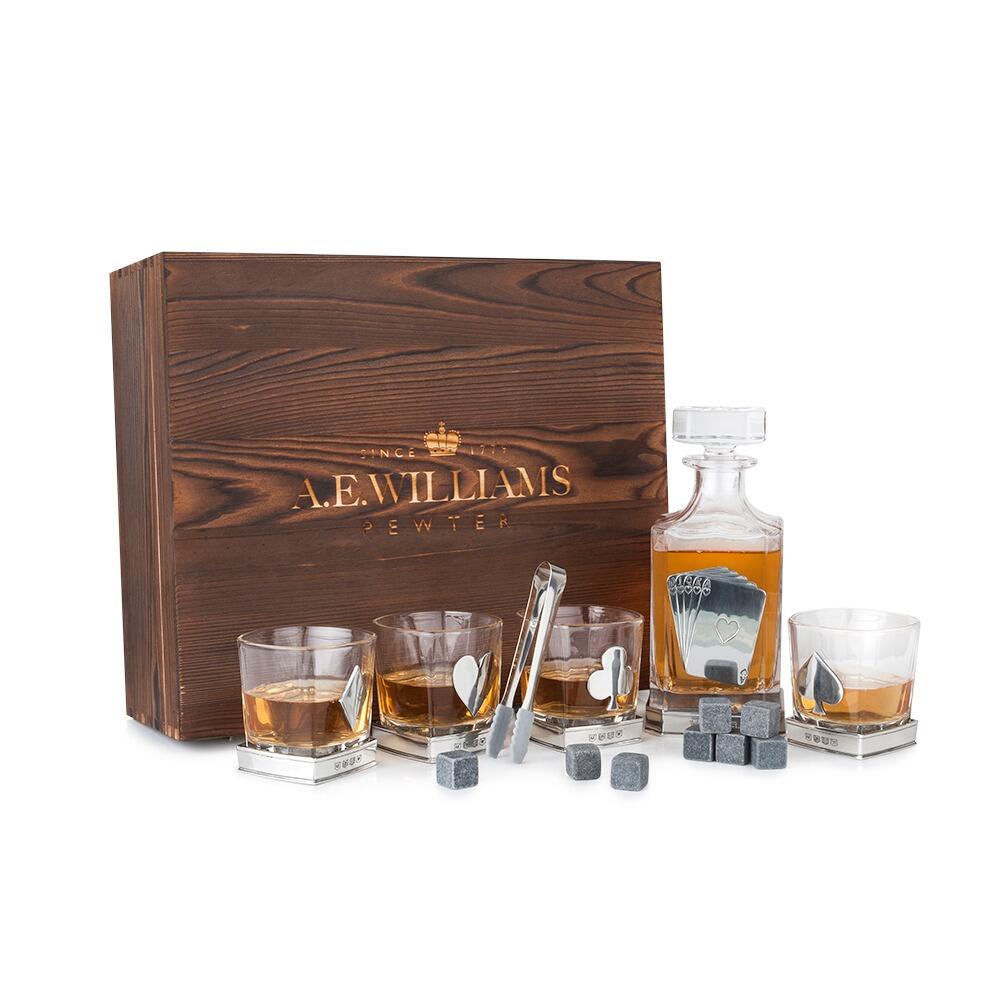
Specialized collections like modern Royal Flush Poker Pewter Decanter Sets showcase the best of contemporary pewter craftsmanship while serving a specific purpose. These handmade pieces, with their 650ml capacity and personalization options, represent how modern collectors might focus on functional art pieces that align with personal interests. Themed collections allow collectors to express their individual passions while still participating in the broader tradition of pewter appreciation. Some collectors focus on pieces related to specific activities or interests—sporting themes, musical motifs, or professional symbols—creating collections that reflect their personal identities while showcasing pewter's versatility as an artistic medium. These specialized collections often become conversation pieces that connect the collector's personal interests with historical craft traditions.
Thematic collections centered around symbolic items like Welsh pewter lovespoons offer another approach. These decorative, handcrafted items with deep cultural roots connect collectors to traditions while showcasing unique designs and limited editions that make each collection distinctive. Cultural and regional specializations allow collectors to explore how pewter traditions developed differently across geographic areas, reflecting local customs, design preferences, and manufacturing techniques. From Scandinavian minimalist designs to elaborate continental European decorative styles, these regional variations provide fascinating insights into how pewter adapted to different cultural contexts while maintaining its essential character as a versatile and expressive material.
Sourcing Vintage Pewter
Finding quality vintage pewter requires knowledge of reliable sources and careful evaluation. Antique shops, specialized dealers, auction houses, and estate sales represent traditional sources for vintage pieces. Online marketplaces have expanded access but require additional scrutiny to ensure authenticity and condition. The digital transformation of the antiques market has created both opportunities and challenges for pewter collectors, providing unprecedented access to pieces from around the world while demanding heightened vigilance regarding authenticity and condition assessment. Many experienced collectors combine online research with in-person examination whenever possible, using digital resources to identify potential acquisitions but reserving final decisions until they can physically handle pieces.
When evaluating potential acquisitions, collectors should examine pieces carefully for authenticity markers, condition issues, and signs of repair or modification. Understanding market values helps ensure fair decisions, while documentation of provenance adds both historical context and potential value to collected pieces. Condition assessment requires attention to specific issues that affect pewter differently than other collectibles. Unlike ceramics or glass, pewter rarely breaks, but it can suffer from dents, worn areas where the soft metal has been repeatedly handled, or repairs that may affect both appearance and value. Learning to recognize these condition factors and evaluate their impact on a piece's desirability represents an important skill for serious collectors. Some imperfections may actually authenticate a piece as genuinely old, while others might significantly diminish value.
Building relationships with reputable dealers and fellow collectors creates valuable networks for sourcing pieces and sharing knowledge. Many collectors join pewter collecting societies or online communities where they can exchange information about available items and authentication techniques. These collector networks often provide access to pieces before they reach the open market, as well as opportunities to learn from more experienced enthusiasts who can share specialized knowledge about particular makers, regions, or forms. Attending specialized antique shows, pewter society meetings, or museum exhibitions dedicated to metalwork provides additional opportunities to develop expertise while connecting with others who share this specialized interest. These personal connections often become one of the most rewarding aspects of pewter collecting, creating a community united by appreciation for this historical craft tradition.
Care and Maintenance of Pewter Collections
Proper care ensures the longevity and beauty of pewter collections. Unlike some metals, pewter requires relatively simple maintenance, but specific approaches help preserve its distinctive appearance and prevent damage. Understanding the material's properties is essential for effective care, as pewter responds differently to environmental factors and cleaning methods than other collectible metals. The relatively soft nature of pewter makes it susceptible to scratching and denting, while its composition affects how it reacts to different cleaning agents and storage conditions. Developing appropriate care routines protects both the aesthetic appeal and monetary value of pewter collections while allowing pieces to develop the attractive patina that collectors prize.
Cleaning and Storage
Cleaning pewter requires gentle methods that protect its surface while removing dust and grime. For regular maintenance, a soft, lint-free cloth is usually sufficient to maintain the metal's appearance. When deeper cleaning is needed, mild soap and warm water can be used, followed by thorough drying to prevent water spots. These gentle approaches preserve the natural patina that develops on pewter over time—a desirable characteristic that distinguishes genuine vintage pieces from reproductions. Harsh abrasives, metal polishes designed for silver or brass, and chemical dips should be avoided, as these can permanently damage pewter's surface and remove the patina that contributes to its historical character and authentication. For stubborn tarnish or oxidation, specialized pewter cleaning products are available that clean without stripping the metal's characteristic appearance.
As outlined in Pewter Care 101, understanding pewter composition is essential for effective care. Harsh chemicals, abrasive cleaners, and dishwashers should be avoided, as they can damage pewter's surface. For older pieces that may contain lead, special care should be taken to ensure they're not used for food or drink. Lead testing kits can help identify pieces that might contain this toxic metal, allowing collectors to make informed decisions about how to safely display and handle these historical items. Modern lead-free pewter can be safely used for its intended purposes, while antique pieces with lead content should be treated as decorative objects only. This distinction represents an important safety consideration for collectors who appreciate both the historical and functional aspects of pewter.
Proper storage protects pewter from environmental damage. Pieces should be kept in a stable environment with moderate humidity and temperature. Acid-free tissue paper can be used to wrap items when storing, preventing scratches and reducing exposure to air that might cause oxidation. For displayed pieces, regular dusting prevents the accumulation of particles that might damage the surface over time. Extreme temperature fluctuations should be avoided, as these can stress the metal and potentially lead to warping or cracking, particularly in pieces with mixed materials or soldered joints. Humidity control is also important, as excessive moisture can accelerate oxidation, while overly dry conditions might affect composite pieces that include wooden elements. Creating stable display and storage environments represents an important aspect of collection stewardship that preserves pieces for future generations.
Handling and Display
Careful handling preserves pewter's condition. Clean hands prevent oils and acids from transferring to the metal's surface, while supporting pieces properly when moving them prevents stress on handles, rims, or other vulnerable areas. When displaying pewter collections, consideration should be given to environmental factors that might affect the metal over time. The relatively soft nature of pewter makes it particularly susceptible to dents and scratches, so handling should always be deliberate and careful. Larger items should be supported from underneath rather than lifted by handles or projecting elements that might be weakened from age or previous repairs. Cotton gloves can be used when handling particularly valuable or delicate pieces, though many collectors prefer the tactile connection and better grip that comes from clean, dry hands.
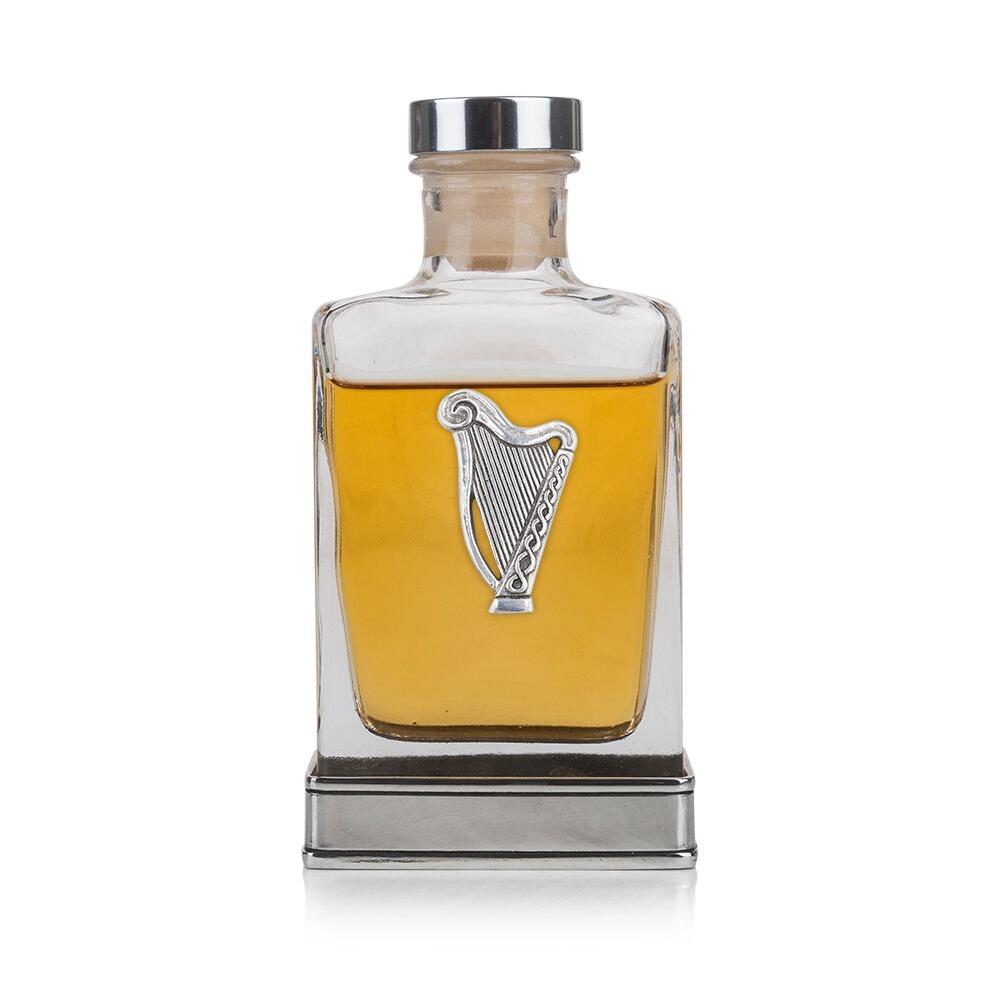
Display methods should showcase pieces while providing adequate support and protection. Glass cabinets offer visibility while reducing dust exposure, while open shelving allows for more interactive displays but requires more frequent cleaning. Proper lighting enhances pewter's appearance without causing heat damage that might affect the metal over time. LED lighting provides ideal illumination for pewter collections, as it produces minimal heat and ultraviolet radiation that could potentially damage sensitive pieces or accelerate oxidation. The subtle luster of pewter is best appreciated under soft, diffused lighting that highlights its distinctive surface qualities without creating harsh reflections that might obscure details or maker's marks. Thoughtful display arrangements that group pieces by type, period, or maker help tell the story of the collection while creating visually appealing presentations that showcase the diversity and beauty of pewter craftsmanship.
For collectors who use their pewter items rather than simply displaying them, additional care considerations apply. Food-safe pewter can be used for serving, but should be washed promptly after use and thoroughly dried. Pewter drinking vessels develop character with use but should not be used for acidic beverages that might react with the metal. Modern lead-free pewter tableware is perfectly safe for regular use and actually benefits from handling, which helps maintain its subtle luster. Many collectors appreciate this functional dimension of pewter collecting, which allows them to incorporate beautiful historical forms into their daily lives rather than simply admiring them behind glass. This living relationship with pewter collections creates a deeper appreciation for the craftsmanship and practical design considerations that shaped these objects throughout history.
The Investment Value of Pewter Collections
While many collect pewter primarily for enjoyment and appreciation of craftsmanship, the potential investment value represents an additional consideration. Understanding the factors that influence pewter's value helps collectors make informed decisions about acquisitions and collection development. Unlike some collectible categories that have experienced dramatic fluctuations, pewter tends to maintain relatively stable values with gradual appreciation over time, particularly for exceptional examples with clear provenance. This stability makes pewter collecting less speculative than some other fields, attracting those who appreciate the combination of aesthetic enjoyment, historical significance, and moderate investment potential. For most collectors, financial considerations remain secondary to the intrinsic pleasure of building and enjoying a collection, but understanding market dynamics helps inform acquisition decisions.
Factors Affecting Value
Several key factors influence the value of vintage pewter items. Rarity stands as perhaps the most significant value driver, with pieces from limited production runs or now-defunct manufacturers commanding premium values. Condition naturally affects value, with well-preserved pieces maintaining their original details and patina being more desirable than damaged or heavily restored items. The balance between original condition and restoration represents a nuanced consideration in pewter collecting, as some degree of wear is expected and even desirable as evidence of authenticity and use, while significant damage or inappropriate repairs can substantially reduce value. Understanding this balance requires experience and knowledge of historical context, as expectations vary for different types of pieces and time periods.
Provenance—the documented history of ownership—can significantly enhance value, particularly when pieces can be connected to historical figures or events. Similarly, pieces with clear maker's marks from renowned manufacturers typically command higher values than unmarked items or those from less prestigious makers. Documentation that establishes a piece's history creates both historical context and market value, particularly when it connects items to significant individuals, institutions, or events. Original sales receipts, exhibition history, publication in reference books, or appearance in historical photographs all contribute to establishing provenance that can substantially increase a piece's desirability among serious collectors. This documentation becomes increasingly important for higher-value items, where authentication and historical significance play major roles in determining market value.
Value Considerations for Pewter Collections
- Rarity: Limited production runs, discontinued patterns, unusual forms
- Condition: Original patina, minimal damage or repairs, complete sets
- Provenance: Documented history, notable previous owners
- Maker: Prestigious manufacturers, master craftsmen
- Age: Antique pieces, particularly from significant periods
- Artistic Merit: Exceptional design, craftsmanship, or decoration
The market for pewter, like other collectibles, experiences fluctuations based on broader economic conditions and collecting trends. Understanding these patterns helps collectors identify potential investment opportunities while also recognizing that value appreciation should not be the sole motivation for collecting. Market trends in pewter collecting have evolved over time, with different categories experiencing varying levels of collector interest and appreciation. Currently, pieces from the Arts and Crafts movement and Art Nouveau period command particular interest, reflecting broader appreciation for these design movements. Similarly, early American pewter continues to attract strong collector interest due to its historical significance and relative scarcity. Recognizing these market dynamics helps collectors make strategic decisions about when to acquire specific pieces and which areas might represent undervalued opportunities with potential for future appreciation.
Conclusion: The Enduring Appeal of Vintage Pewter
Collecting vintage pewter offers a uniquely satisfying experience that combines historical appreciation, artistic enjoyment, and the pleasure of preserving cultural heritage. The enduring appeal of pewter lies in its distinctive character—the subtle lustre that develops over time, the substantial feel in the hand, and the connection to centuries of craftsmanship traditions. Unlike some collecting fields that focus exclusively on visual appreciation, pewter collecting engages multiple senses—the cool weight of a tankard, the smooth texture of a polished surface, the satisfying sound of a well-fitted lid. This multisensory experience creates a particularly intimate relationship between collectors and their pieces, allowing for a deeper appreciation of the craftsmanship and practical considerations that shaped these objects throughout history.
For many collectors, pewter's versatility represents a particular attraction. Collections can range from practical items still used in daily life to purely decorative pieces that showcase artistic achievement. This flexibility allows collectors to develop personal approaches that reflect their specific interests, whether focused on particular time periods, makers, or types of items. The relatively accessible nature of many pewter items makes this an approachable collecting field for beginners, while still offering sophisticated connoisseurs the opportunity to acquire museum-quality pieces of significant historical and artistic importance. This accessibility has helped create a diverse community of pewter enthusiasts ranging from casual collectors to dedicated scholars, all united by appreciation for this distinctive material.