
Comparing Pewter and Ceramic Drinkware

What You Need to Know
- Pewter has a rich history, with its use dating back over 3,000 years, while ceramics have also evolved through various cultures.
- Modern pewter is safe for food contact, containing less than 0.05% lead, whereas low-quality ceramics may contain harmful substances.
- Pewter is more durable and resistant to tarnishing, making it easier to maintain than ceramic drinkware.
Historical Significance of Pewter and Ceramic in Drinkware
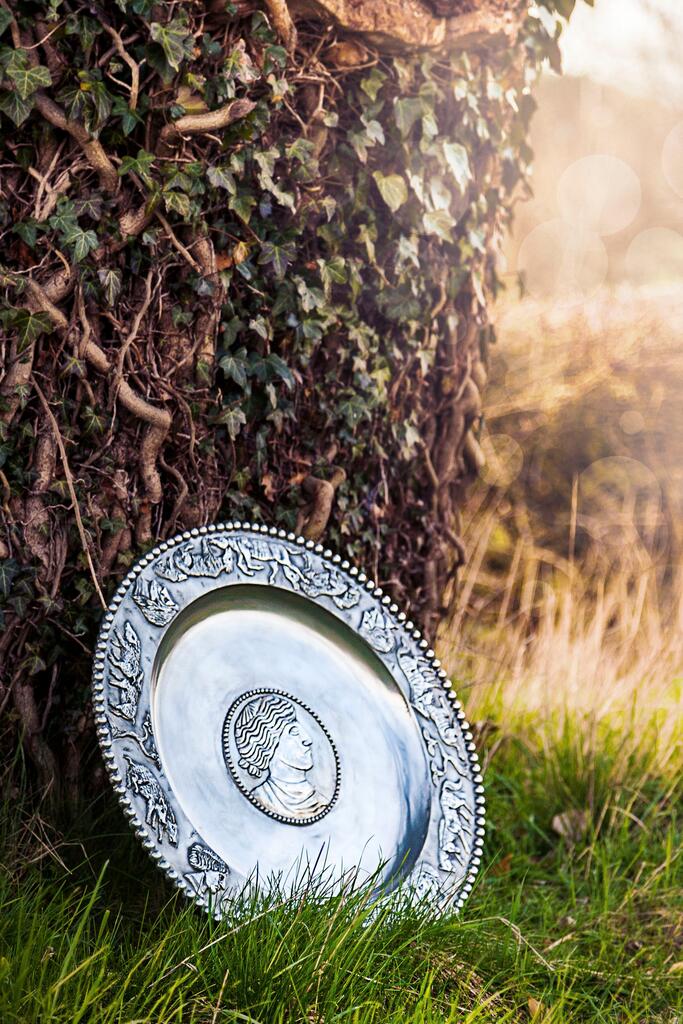
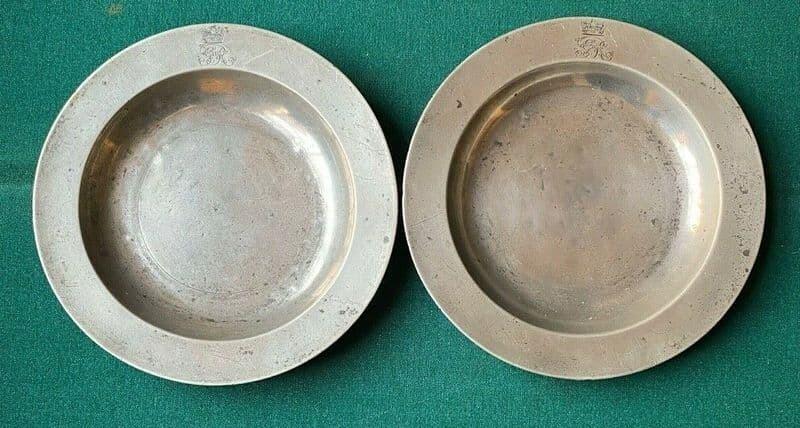
Pewter has a rich history, having been used for over 3,000 years to create various household items. It flourished during the 16th and 17th centuries, becoming the primary material for tableware across Europe. Tin, the main ingredient in pewter, is considered the fourth most precious metal today. Meanwhile, ceramics date back thousands of years, with their use in drinkware evolving through different cultures, showcasing diverse designs and functionalities.
The Golden Age of pewter saw artisans crafting intricate designs, much like a painter bringing a canvas to life. Today, collectors and enthusiasts admire these historical pieces, which often tell the story of craftsmanship and tradition. For a deeper understanding of this iconic material, you can explore British pewter history and its early origins.
Composition and Manufacturing Process
High-quality pewter is composed of at least 92% tin, with small amounts of copper and antimony. This careful balance of materials gives pewter its lustrous finish and durability. The manufacturing process often begins with creating a prototype, which can be crafted from wood, wax, or even 3D printing technology. This innovative approach allows for precision and creativity, much like sculpting a masterpiece from a block of marble.
Ceramic, on the other hand, is made from clay and other natural materials, which are shaped and fired at high temperatures. This process transforms the raw materials into a sturdy and versatile drinkware option. For those interested in personalised pieces, A.E. Williams offers a range of personalised pewter drinkware that showcases the beauty of both materials.

Safety and Health Considerations
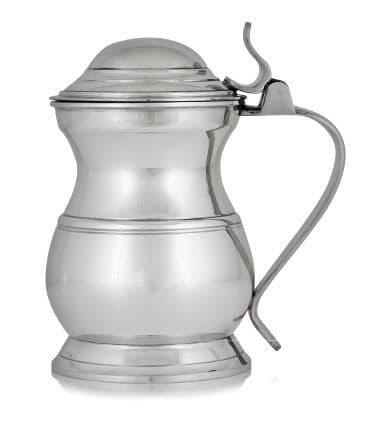
When considering materials for drinkware, safety is paramount. Modern pewter poses no health risks as long as it contains less than 0.05% lead, making it safe for food contact. Regulatory bodies, such as the FDA, endorse the use of lead-free pewter for drinking purposes. In contrast, ceramics can sometimes contain harmful substances if not properly manufactured, so it’s crucial to choose high-quality, certified products.
Current pewter is crafted from alloys that prioritise safety, allowing users to enjoy their beverages without concern. When purchasing drinkware, it’s wise to look for reputable brands that assure safety and quality. For more information on lead-free pewter options, check out lead-free pewter drinkware and safe pewter tankards.
Durability and Maintenance
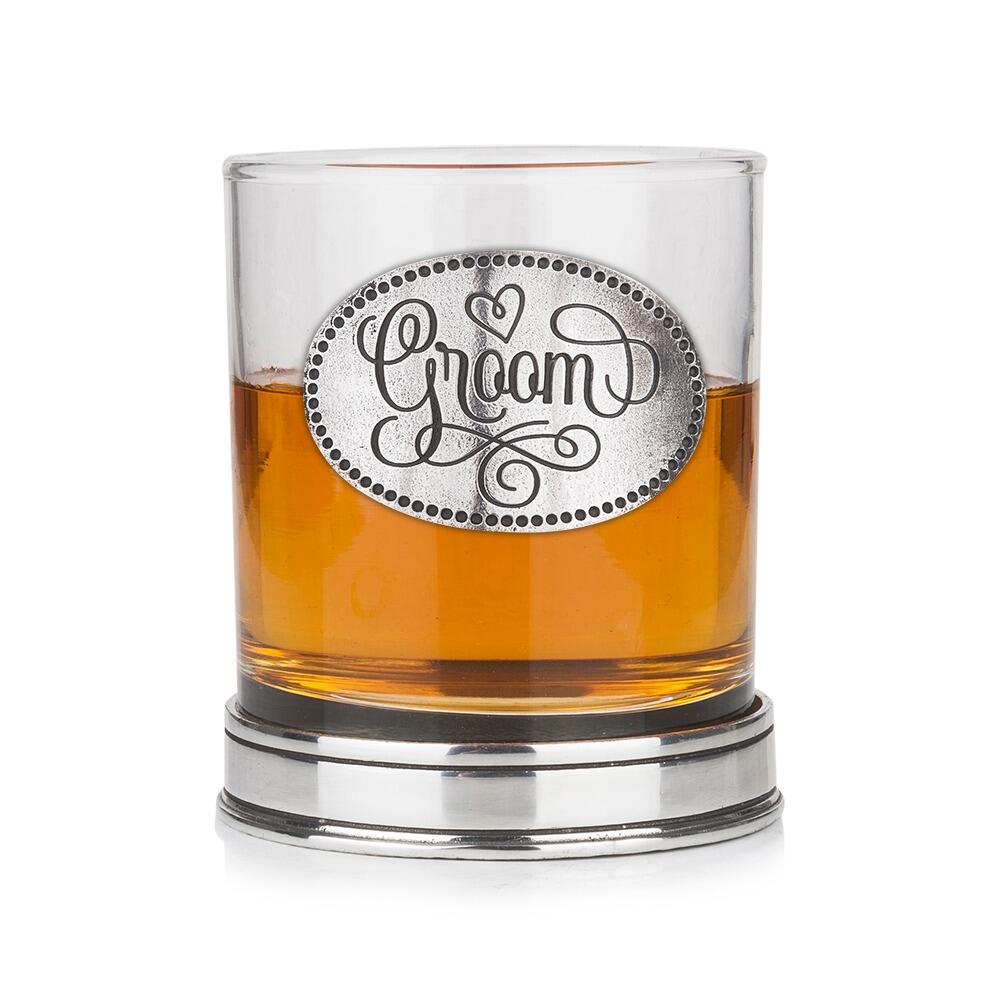
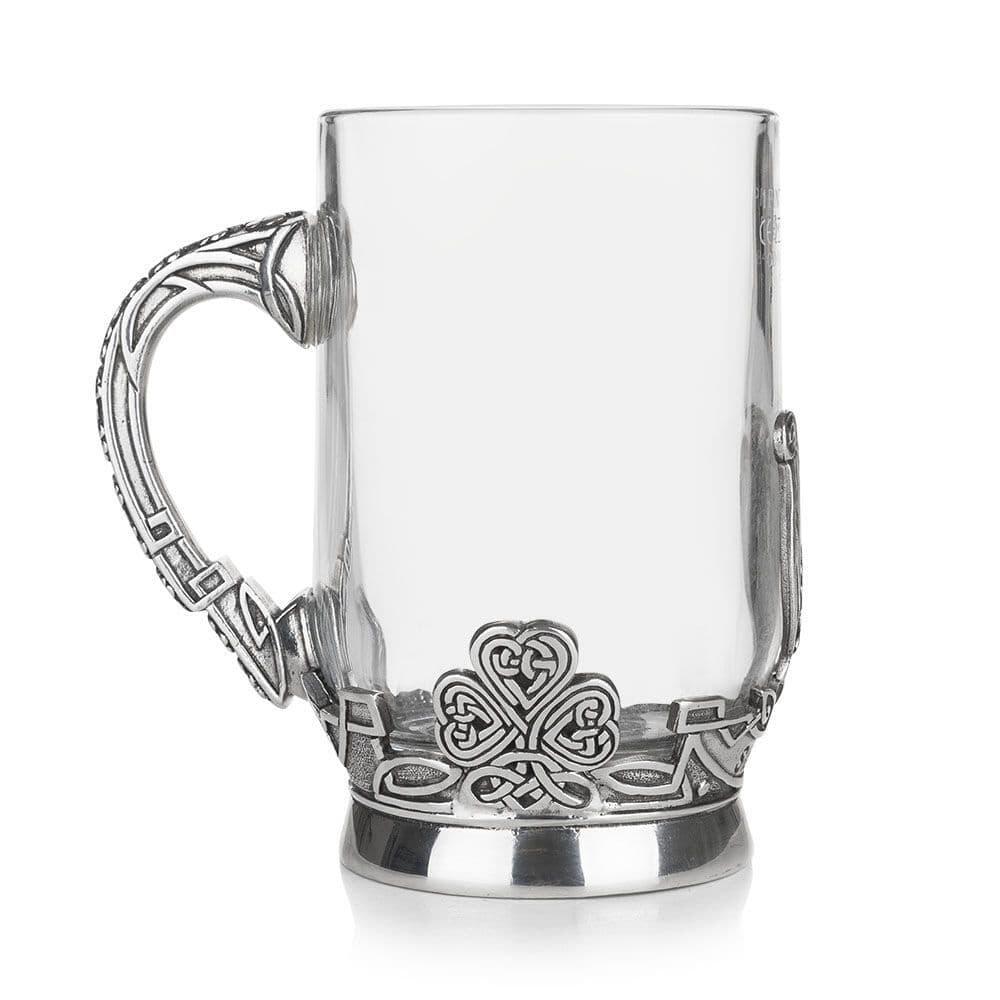
Pewter is a remarkably durable material that can withstand the test of time. Historical pieces have been found in excellent condition after centuries submerged in rivers, highlighting its longevity. Unlike silver, pewter does not tarnish, which simplifies maintenance. Regular cleaning with appropriate metal polish keeps pewter looking as pristine as the day it was crafted.
Ceramics, while durable, can be more prone to chipping and cracking if not handled carefully. They often require more delicate care, especially when it comes to cleaning. By choosing pewter, consumers can enjoy a low-maintenance option that retains its beauty with minimal effort.
Aesthetic Appeal and Design Versatility
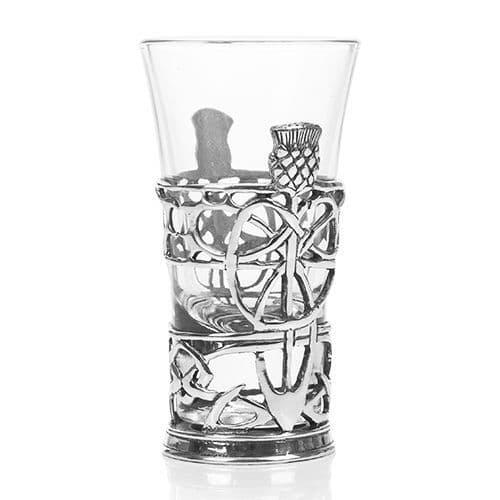
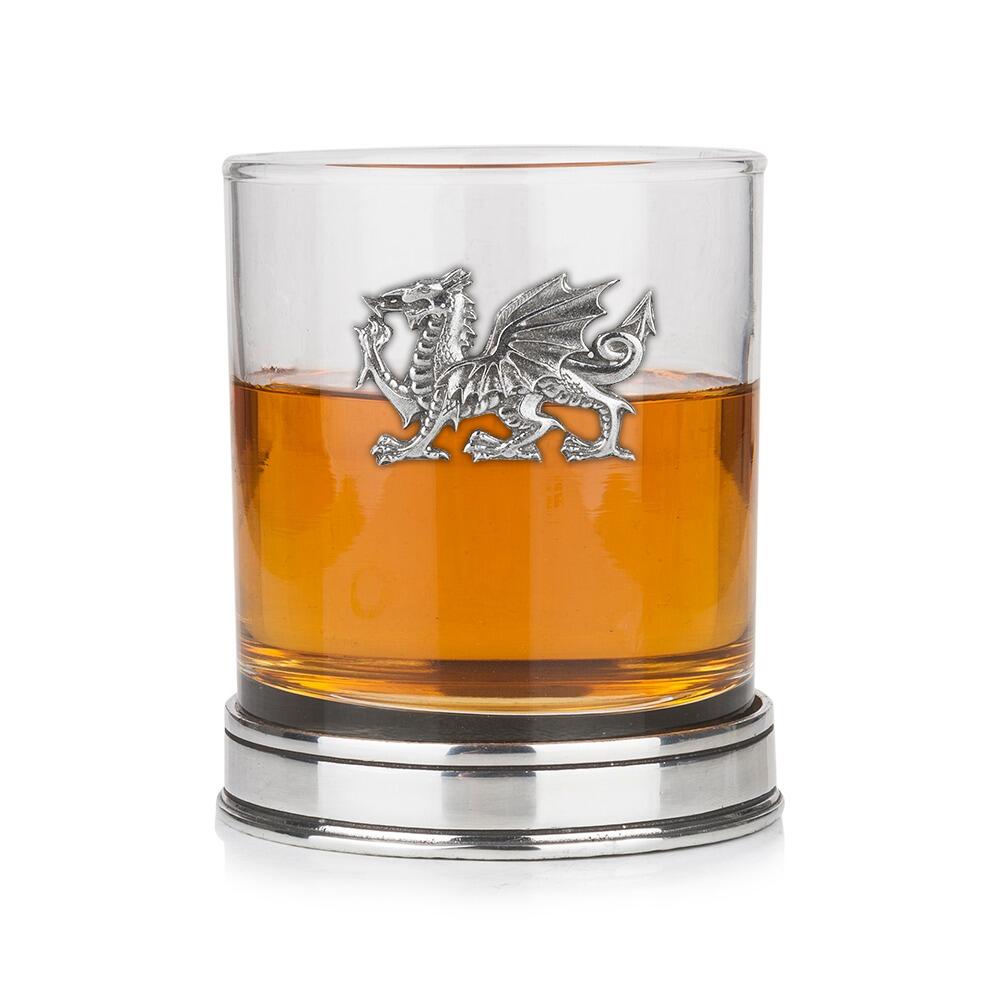
Pewter is often celebrated for its aesthetic qualities, being referred to as the 'poor man's silver.' Its versatile nature allows for a range of designs, from classic replicas to modern interpretations. The lustrous finish and intricate detailing make pewter drinkware visually appealing and suitable for various occasions, whether formal or casual.
Ceramics, on the other hand, offer their own unique appeal with vibrant colours and patterns. They can be shaped into virtually any form, allowing for endless creative possibilities in design. While both materials have their charm, pewter's timeless elegance often gives it an edge in aesthetic appeal. Explore unique pewter designs by visiting this collection.
Temperature Retention Properties
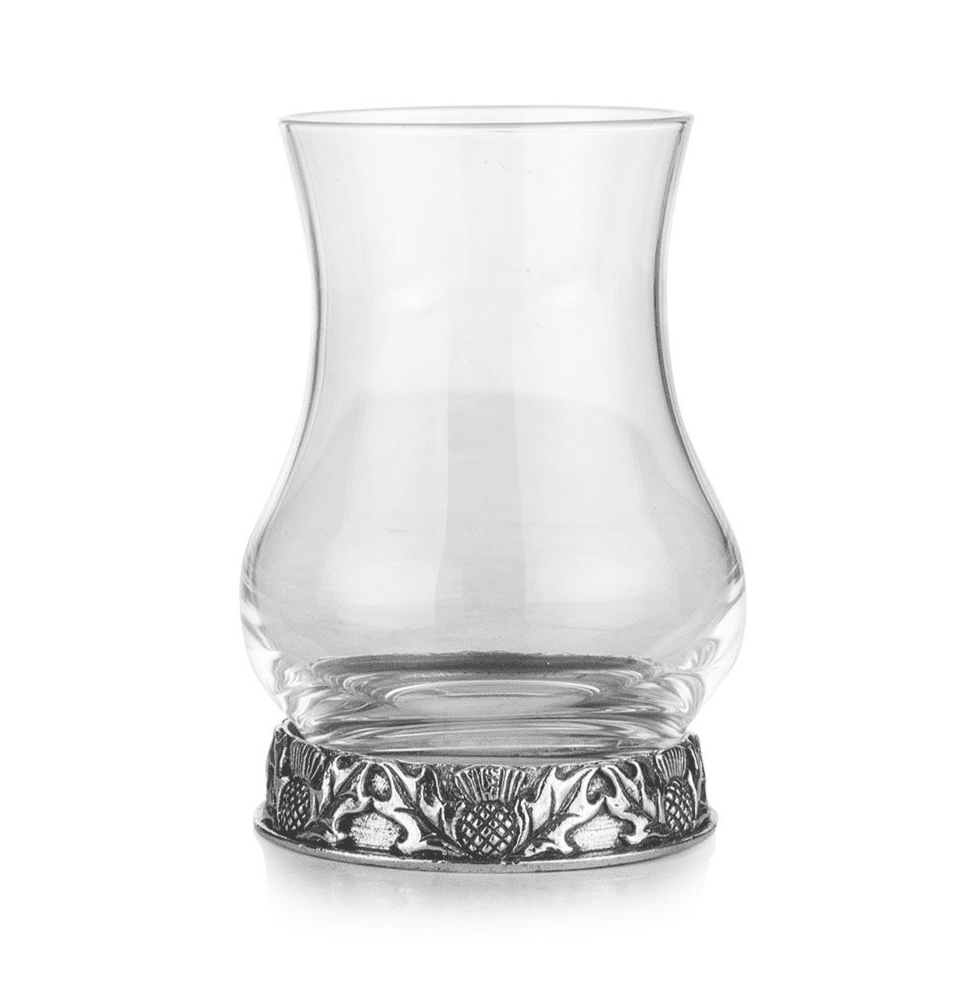
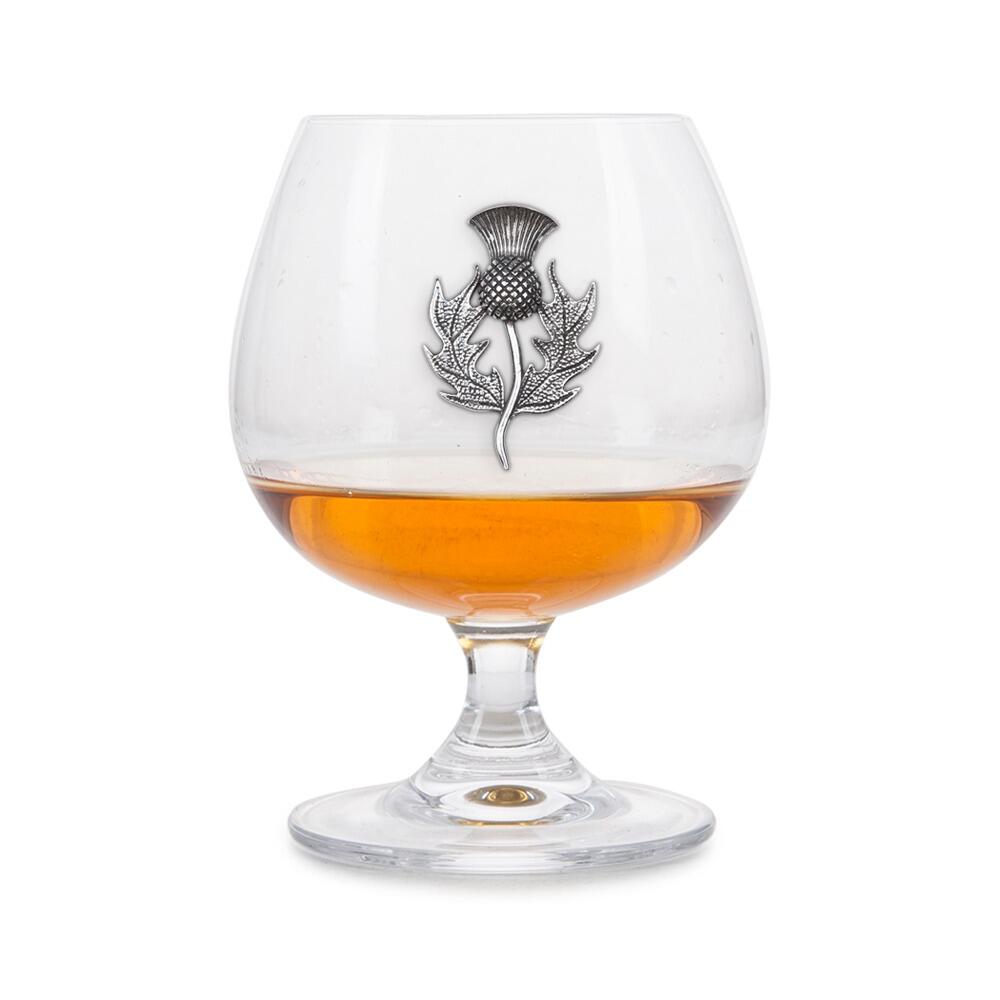
Pewter is not safe for use in microwave ovens, as it can conduct heat and pose a fire risk. It is recommended for use with cold drinks only. Historically, pewter tankards have been popular in pubs, often kept by regular patrons. The weight and feel of pewter can enhance the drinking experience, making it a favored choice for many.
Ceramic, on the other hand, can handle hot beverages well and is often used for coffee mugs and teacups. Its ability to retain heat makes ceramics a preferred option for those who enjoy hot drinks. When choosing between the two, consider the type of beverages you will be serving. For traditional pewter tankards, visit this page.
Customisation and Personalisation Options
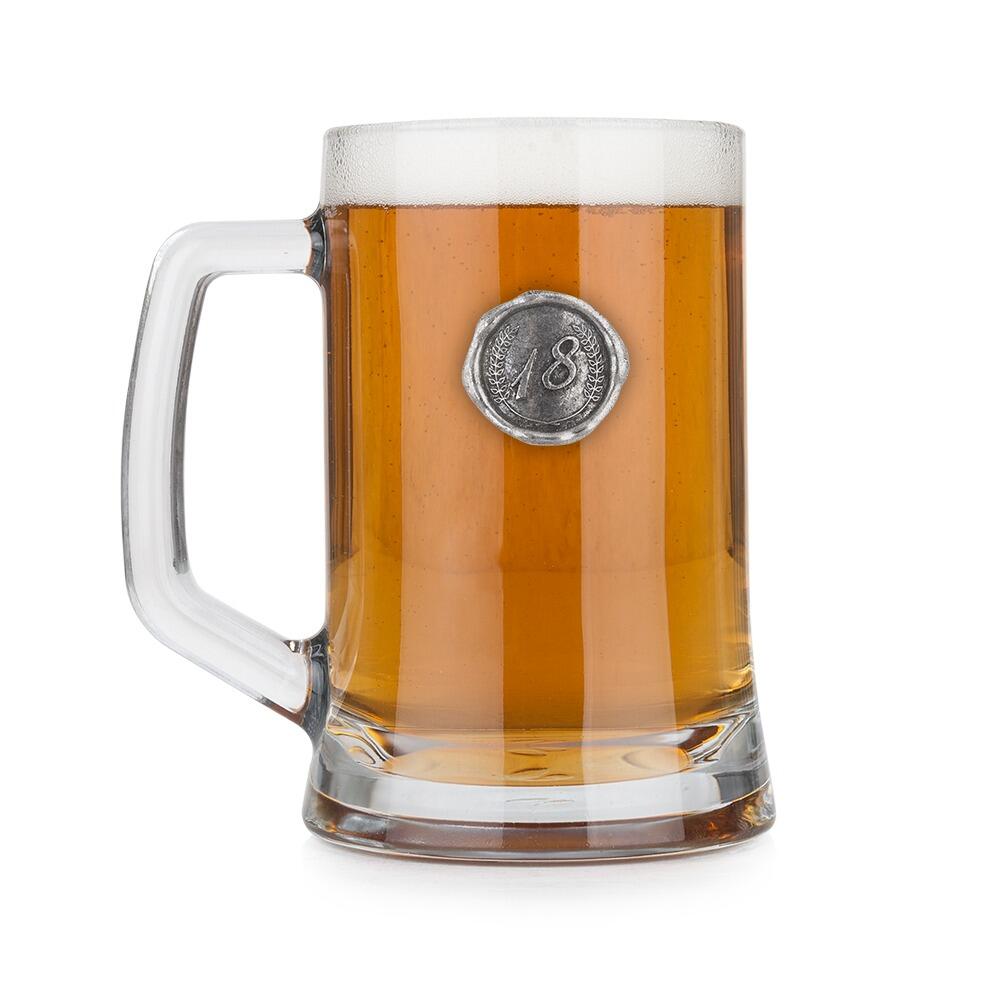
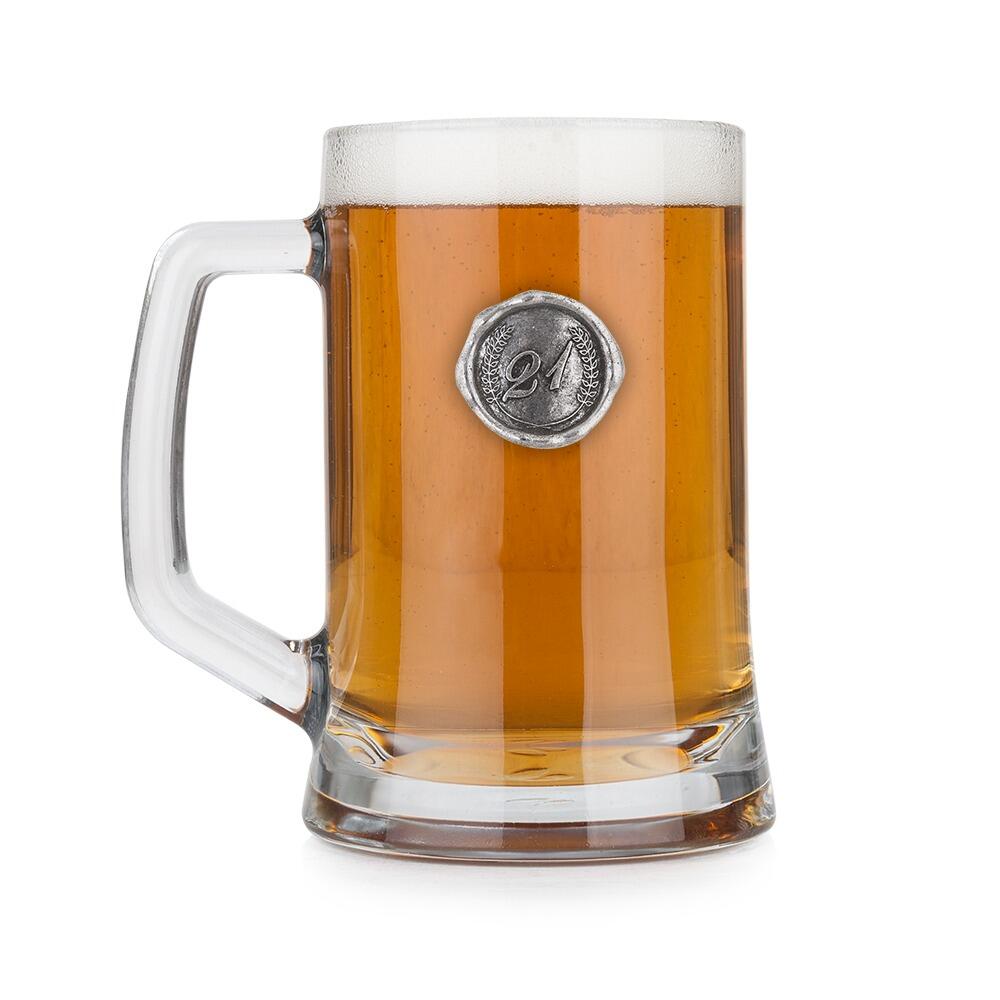
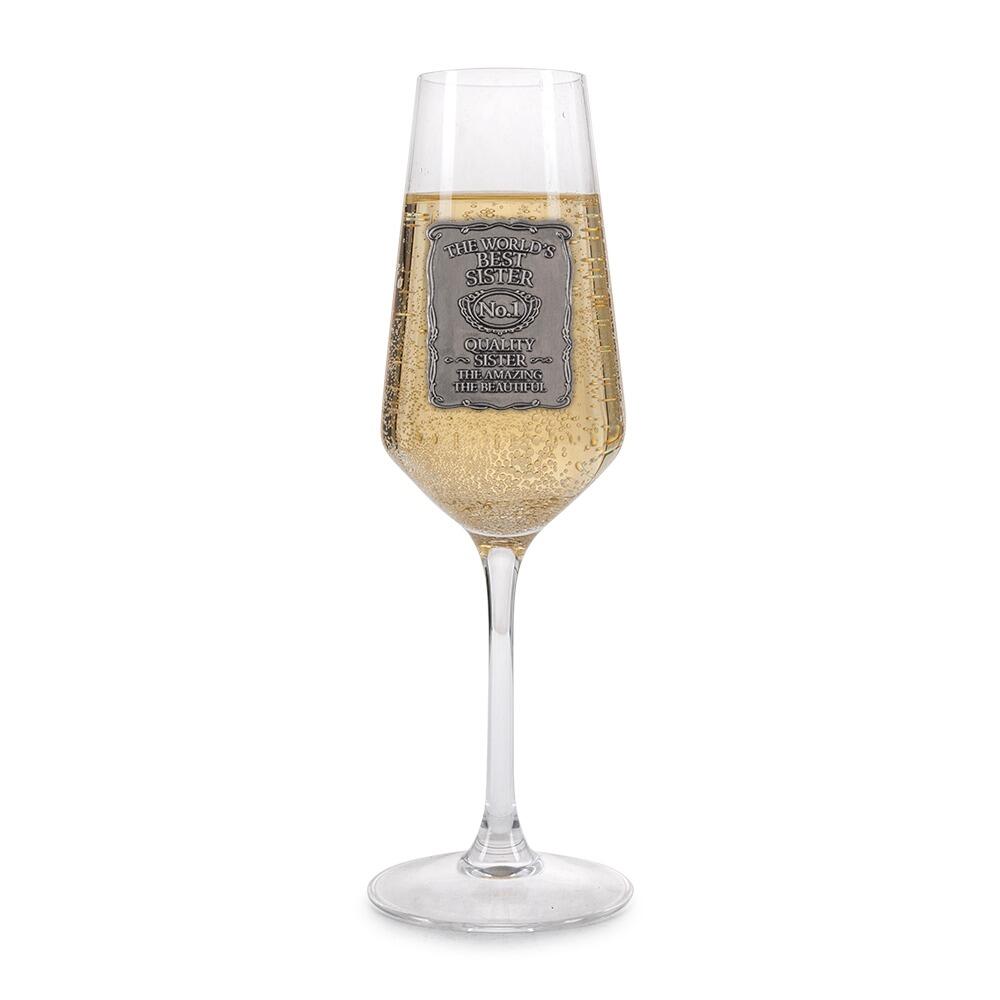
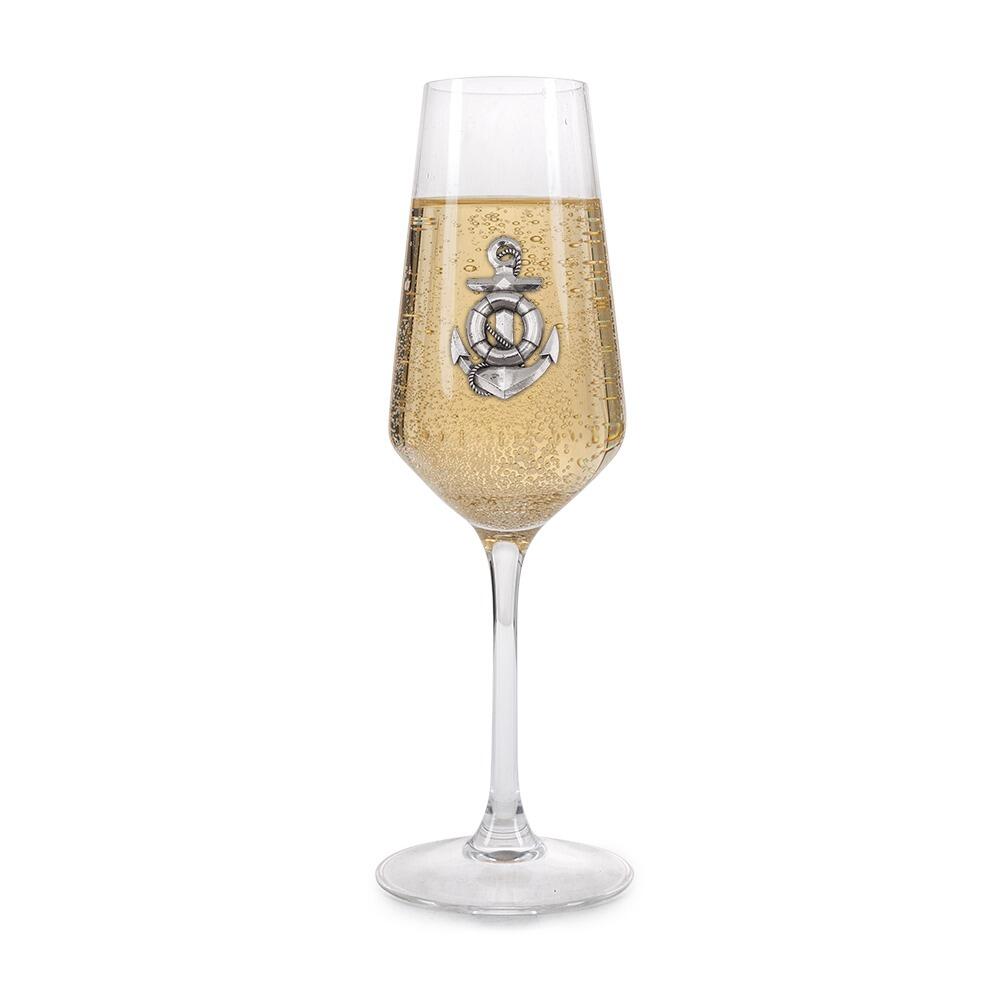
Personalisation has become an emerging trend in the drinkware market, allowing consumers to reflect their identity and cultural significance. A.E. Williams offers engraving services for their pewter drinkware, providing customers with the opportunity to create bespoke items that tell their unique stories. This personal touch elevates the value of the drinkware, creating cherished keepsakes.
Ceramic drinkware can also be customised, often through printed designs or unique shapes. However, the engraving potential of pewter often makes it a more appealing choice for those seeking personalised gifts.
Environmental Impact and Sustainability
Pewter is a sustainable material that can be recycled indefinitely without losing quality. The low melting point of pewter makes it easy to melt down and recast into new items, providing an advantage for artisans seeking to minimise waste. This characteristic aligns well with modern sustainability practices, making pewter a responsible choice for eco-conscious consumers.
Ceramics, while also recyclable, require energy-intensive processes to produce, which can impact their overall sustainability. By choosing pewter, consumers can enjoy beautiful drinkware while supporting sustainable practices.
Popular Styles and Designs
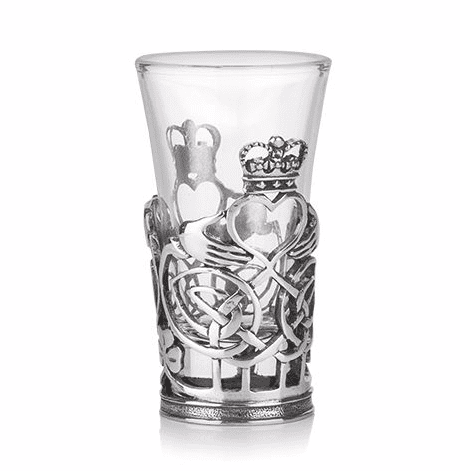
The glasses segment accounted for the highest revenue share in the drinkware market in 2023, illustrating the diverse applications of glassware for various beverages. A.E. Williams offers a variety of pewter drinkware styles, including whisky tumblers, tankards, and shot glasses. This range allows consumers to choose pieces that best suit their lifestyle and preferences.
Ceramics, known for their vibrant colours and intricate designs, also offer a wide variety of styles. The choice between pewter and ceramic often comes down to personal taste and the intended use of the drinkware.
FAQ Section
- Is pewter drinkware safe for everyday use? Yes, modern pewter is safe for everyday use as long as it contains less than 0.05% lead.
- How does the durability of pewter compare to ceramic drinkware? Pewter is generally more durable and resistant to tarnishing compared to ceramic.
- Can pewter drinkware be personalised? Yes, many pewter items can be customised through engraving.
- What are the main care instructions for pewter and ceramic drinkware? Pewter requires periodic cleaning with metal polish, while ceramics should be handwashed to avoid chipping.
Conclusion
In summary, both pewter and ceramic drinkware offer distinct advantages and aesthetic qualities. Pewter shines with its historical significance, safety, durability, and minimal maintenance requirements, while ceramics provide vibrant designs and heat retention for hot beverages. Ultimately, the choice between the two materials boils down to individual preferences, intended use, and personal style. By understanding the differences and similarities, consumers can make informed decisions that best suit their needs.