
Exploring the Craftsmanship of Pewter Artisans

What You'll Learn About Pewter Craftsmanship
- The rich heritage of British pewter dating back over 2,000 years
- Traditional and modern pewter-making techniques used by artisans
- How pewter items are crafted from design to finish
- The versatility of pewter in creating functional and decorative pieces
- Why pewter remains a sustainable and cherished material in modern times
- How to care for and maintain your pewter collectibles
Introduction to the Ancient Art of Pewter Craftsmanship
Pewter craftsmanship represents one of Britain's most enduring artistic traditions, with a legacy spanning more than two millennia. This versatile alloy, primarily composed of tin with small amounts of antimony and copper, has been transformed by skilled artisans into everything from practical everyday items to exquisite decorative pieces that showcase remarkable artistry and attention to detail. Throughout the centuries, pewter has maintained its place in British cultural history as both a functional material and a medium for artistic expression, adapting to changing tastes while preserving traditional techniques.
The tradition of pewter-making in Britain reflects our cultural heritage and demonstrates the exceptional skill of craftspeople who have refined their techniques over generations. Modern pewter artisans continue this proud tradition while introducing contemporary design elements that appeal to today's collectors and enthusiasts. These dedicated craftspeople blend time-honored methods with innovative approaches, creating pieces that honor historical precedents while meeting contemporary aesthetic standards and functional requirements. This balance of tradition and innovation ensures pewter's continued relevance in our modern world.
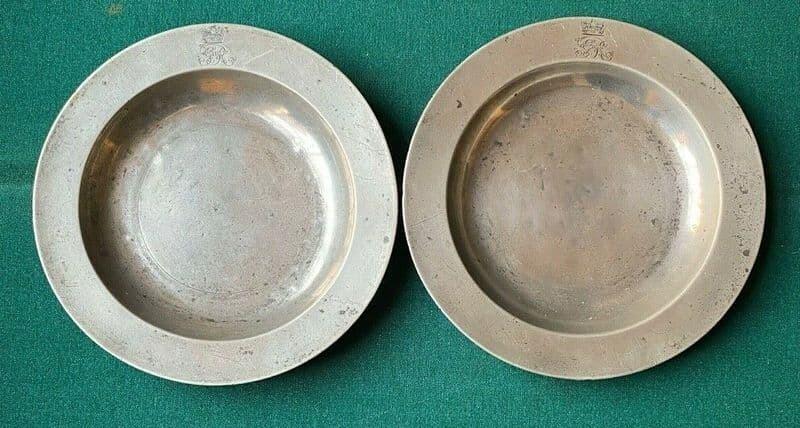
At A.E. Williams Shop, we celebrate this rich heritage through our collection of handcrafted pewter items that blend traditional craftsmanship with contemporary design sensibilities. Our artisans maintain the time-honoured techniques while creating pieces that resonate with modern aesthetics and functionality. Each item in our collection represents countless hours of skilled labor, from initial design concepts through execution to final finishing touches. We take pride in preserving these traditional methods while ensuring our pieces meet the highest standards of quality and artistic merit for today's customers.
The Historical Journey of Pewter Making
Pewter has played a significant role in British domestic life since Roman times. Initially favoured for its durability and lower cost compared to silver, pewter became the material of choice for household items among the middle classes. Archaeological findings throughout Britain have revealed pewter artifacts dating back to the 1st century CE, demonstrating the material's importance in everyday life. By the 14th century, the Worshipful Company of Pewterers was established in London, regulating the quality and standards of pewter production. This guild enforced strict regulations regarding materials, craftsmanship, and apprenticeship, ensuring consistent quality throughout the industry and protecting consumers from inferior products.
The composition of pewter has evolved significantly over centuries. Traditional pewter contained lead, which provided workability but posed health risks. During the medieval and Renaissance periods, pewter typically contained between 85-99% tin with varying amounts of lead, copper, and antimony. Modern pewter, including all pieces in our collection, is completely lead-free, typically consisting of 92% tin, 7.75% antimony, and 0.25% copper. This evolution reflects both technological advancement and our commitment to creating safe, high-quality products. The elimination of lead represents one of the most important developments in pewter's long history, making contemporary pieces both safer and more environmentally responsible.
The 18th century marked the golden age of pewter craftsmanship in Britain, with designs becoming more refined and techniques more sophisticated. Master pewterers created elaborate serving pieces, tableware, and decorative items that graced the homes of the growing middle class. Though pewter's popularity waned with the introduction of cheaper materials like porcelain and glass, a revival began in the late 19th century with the Arts and Crafts movement, celebrating handcrafted items and traditional techniques. Influential designers like Archibald Knox brought fresh perspectives to pewter design, incorporating Art Nouveau and Celtic-inspired elements that reinvigorated interest in this traditional material.
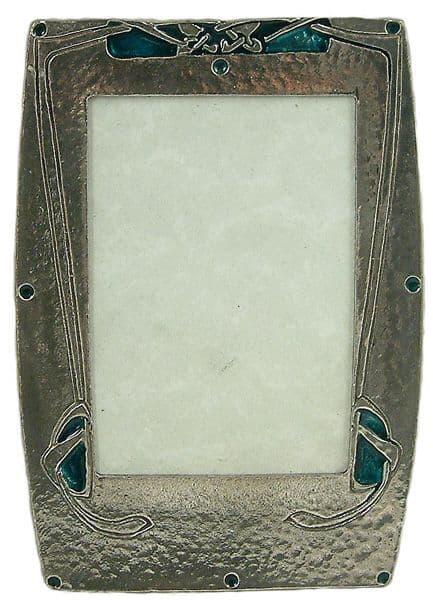
Today, our Archibald Knox Collection pays homage to this revival period, featuring designs inspired by the flowing Celtic knotwork and Art Nouveau influences that characterised Knox's distinctive style. Each piece represents a continuation of this historical journey, blending centuries of tradition with contemporary craftsmanship. Knox's revolutionary designs for Liberty & Co. in the early 20th century helped redefine pewter as a medium for artistic expression, moving beyond purely functional applications to celebrate the material's unique aesthetic qualities. Our collection honors this legacy while bringing these timeless designs to a new generation of collectors and enthusiasts.
Traditional Pewter-Making Techniques
The creation of pewter items involves several traditional techniques that have been refined over centuries. These methods remain at the heart of our craftsmanship, ensuring each piece maintains the authentic character and quality associated with fine pewter work. While modern tools have improved efficiency and precision, the fundamental approaches to working with this versatile metal have remained remarkably consistent through generations of artisans, preserving a direct connection to historical craftsmanship.
Casting: The Foundation of Pewter Crafting
Casting forms the foundation of most pewter creation. This process begins with melting the pewter alloy at approximately 450°F (232°C), significantly lower than other metals, making it more accessible for artisans. This relatively low melting point has historically been one of pewter's greatest advantages, allowing for detailed work without requiring the extreme temperatures and specialized equipment needed for other metals. Once melted, the pewter is carefully poured into prepared molds, where it flows into every detail and crevice before rapidly cooling and solidifying.
Our artisans use various mold types depending on the desired outcome:
- Foundry sand molds for unique, one-off pieces
- Silicone molds for more intricate, repeatable designs
- Traditional stone or metal molds for classic patterns
The pewter cools rapidly, allowing for efficient production while maintaining precise detail. After removal from the mold, each piece undergoes careful inspection before moving to the finishing stages. Skilled craftspeople examine every surface for imperfections such as air bubbles, incomplete filling, or surface irregularities that might compromise the piece's quality or appearance. This quality control step ensures that only pieces meeting our exacting standards progress to the next phase of production.

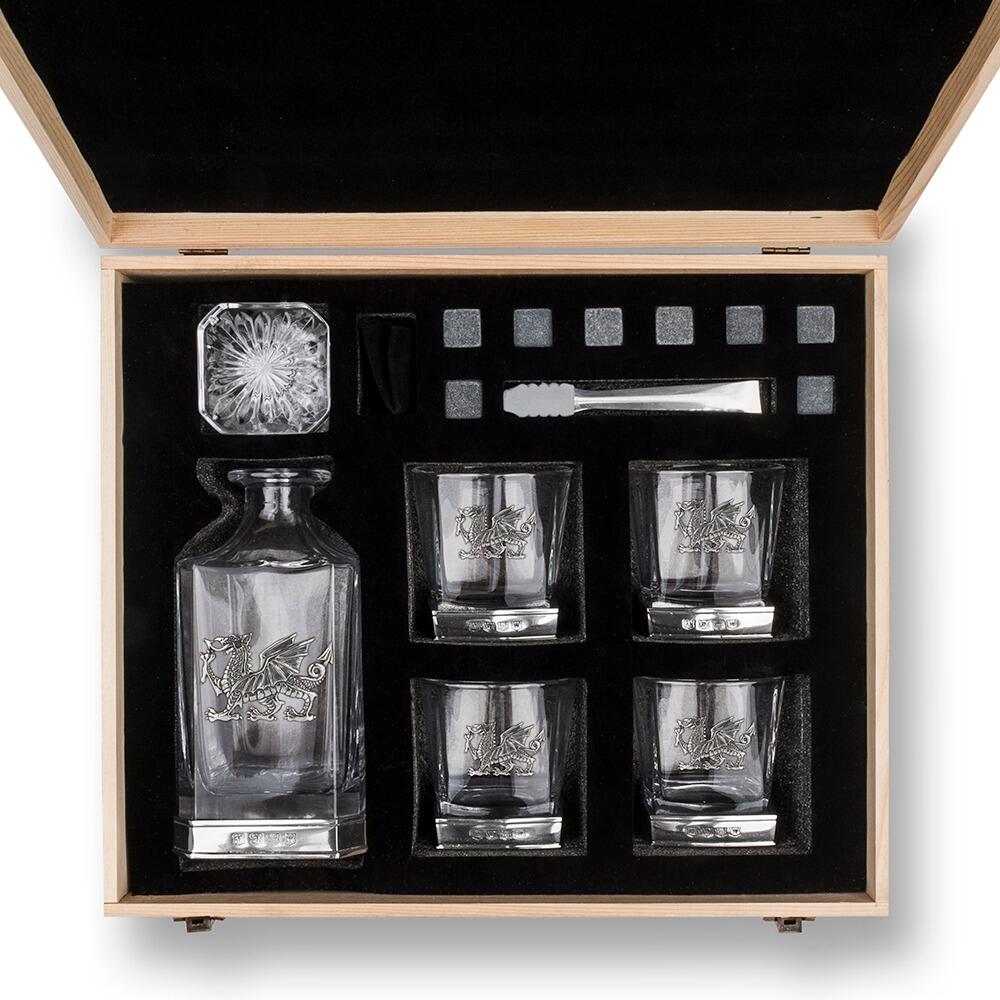
Our Welsh Dragon Pewter Decanter Tumbler Set exemplifies the casting technique's capabilities, featuring intricately detailed Welsh dragon emblems that require precise mold-making and casting skills. The set includes a 650ml decanter handcrafted from the finest British pewter, showcasing both functional elegance and cultural significance. The detailed dragon motif demonstrates the exceptional level of detail achievable through skilled casting, with scales, wings, and facial features all clearly defined. Each pour of molten pewter must be executed with perfect timing and temperature control to capture these fine details without introducing flaws or inconsistencies.
Turning, Hammering, and Embossing
Beyond casting, pewter artisans employ several additional techniques to create diverse forms and decorative elements:
Turning involves working the pewter on a lathe to create symmetrical items like goblets, tankards, and candlesticks. This technique allows for precise shaping and the creation of elegant profiles with consistent wall thickness. The artisan uses specialized tools to shape the rotating pewter, gradually removing material and creating refined contours. Turning requires exceptional hand-eye coordination and an intuitive understanding of how the metal responds to pressure, allowing the craftsperson to achieve smooth curves and precise dimensions that would be difficult to create through other methods.
Hammering or planishing creates distinctive textures and strengthens the metal by compressing its structure. This traditional technique imparts character to pieces like our Celtic Dram Cup, which features hammered surfaces that catch the light beautifully. The repeated impact of specialized hammers not only creates visual interest through textural variation but also work-hardens the metal, improving its durability. Each hammer blow must be carefully controlled to create consistent patterns while maintaining the piece's structural integrity.


Embossing creates raised designs on the pewter's surface, achieved by working the metal from the reverse side or using dies. This technique produces both high and low relief patterns, adding dimensional detail to pieces like our Rampant Lion Two Tone Round Flask, where the heraldic lion stands proud against the flask's surface. Embossing requires precise control and an intimate understanding of how the metal will respond to pressure. The artisan must carefully plan the depth and placement of each element to create a balanced composition with appropriate visual hierarchy. This technique allows for the creation of dramatic three-dimensional effects that bring designs to life with depth and character.
The Modern Pewter Workshop: Tools and Environment
Today's pewter workshop represents a fascinating blend of traditional craftsmanship and modern innovation. While the fundamental techniques remain unchanged, contemporary tools and equipment have enhanced precision, efficiency, and safety. This harmonious integration of old and new approaches creates an environment where time-honored skills can flourish alongside technological advancements, ensuring the continued evolution of this ancient craft while preserving its essential character and quality standards.
Essential Tools of the Trade
The modern pewter artisan relies on both traditional and specialized tools:
- Casting equipment: Including melting pots, ladles, and temperature-controlled furnaces
- Hand tools: Specialized hammers, punches, chasers, and burnishers for detailed work
- Finishing implements: Files, scrapers, and polishing materials of varying grades
- Measuring devices: Calipers, rulers, and templates ensuring consistent dimensions
- Safety equipment: Heat-resistant gloves, protective eyewear, and ventilation systems
Despite technological advances, many artisans still prefer traditional tools for certain processes, believing they provide better control and connection to the material. Hand tools that have changed little in centuries continue to play crucial roles in creating fine details and textures that machines cannot replicate. The experienced craftsperson develops an intimate relationship with these tools over years of practice, understanding exactly how each one interacts with the pewter and how to achieve specific effects through subtle variations in pressure, angle, and movement.

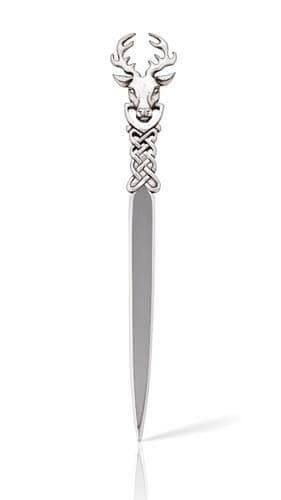
Our Stag Letter Opener exemplifies the detailed work possible with these specialized tools. Measuring 16.5cm x 2.8cm and weighing just 30g, this elegant piece demonstrates the fine detail and balance achievable through skilled craftsmanship. The intricate stag head design requires precise tool control to capture the animal's features and antlers, with multiple specialized implements used for different aspects of the design. From the initial forming of the basic shape to the detailed work that brings the stag to life, each step in the creation process relies on the artisan's skilled hands and carefully selected tools working in harmony.
Workshop Environment and Sustainability
The modern pewter workshop prioritizes sustainability and environmental responsibility:
- Lead-free alloys ensure safety for both artisans and customers
- Efficient melting processes minimize energy consumption
- Scrap pewter is fully recyclable, reducing waste
- Water-based cleaning solutions replace harsh chemicals
- Local sourcing reduces transportation impacts
These practices align with our commitment to responsible craftsmanship, ensuring that our pewter items are not only beautiful and functional but also environmentally conscious. The elimination of lead from modern pewter formulations represents perhaps the most significant sustainability advancement, transforming a historically problematic material into one that poses no health risks to producers or users. Additionally, the inherent recyclability of pewter means that virtually no material goes to waste in the production process—scraps and unsuccessful castings can be melted down and reused indefinitely without loss of quality, creating a nearly closed-loop system that minimizes environmental impact.
From Design to Finished Piece: The Creative Process
The journey from initial concept to completed pewter piece involves multiple stages, each requiring specific skills and attention to detail. This process combines artistic vision with technical expertise to create items that are both beautiful and functional. Every step builds upon the previous one, with constant evaluation and refinement ensuring that the final product achieves the perfect balance of aesthetic appeal, structural integrity, and practical utility.
Conceptualization and Design Development
Every pewter piece begins with a design concept, whether inspired by historical patterns, natural forms, cultural symbols, or contemporary aesthetics. Our designers sketch initial ideas, refine proportions, and consider both visual appeal and practical functionality. This conceptual phase often involves extensive research into historical precedents, cultural contexts, and market preferences to ensure that new designs resonate with customers while maintaining authenticity and artistic integrity. Multiple iterations may be developed and evaluated before settling on a final design direction.
For collections like our Archibald Knox-inspired photo frames, research into historical design elements informs the creative process, ensuring authenticity while meeting modern expectations. Our designers study original Knox pieces, analyzing the flowing Celtic-inspired knotwork and distinctive proportions that characterize his style. They then adapt these elements for contemporary contexts, maintaining the spirit of Knox's innovative approach while creating pieces that function effectively in modern homes and appeal to today's aesthetic sensibilities.
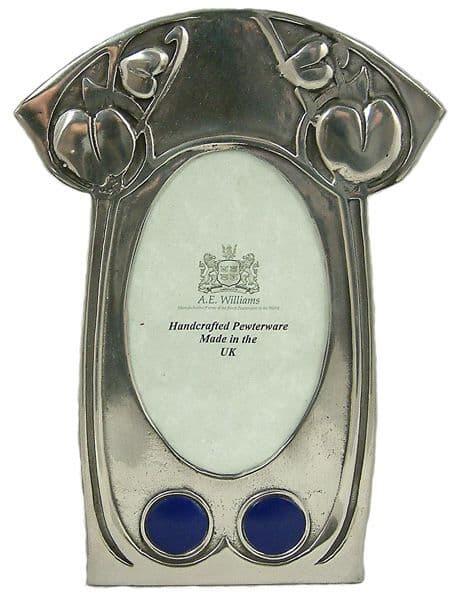
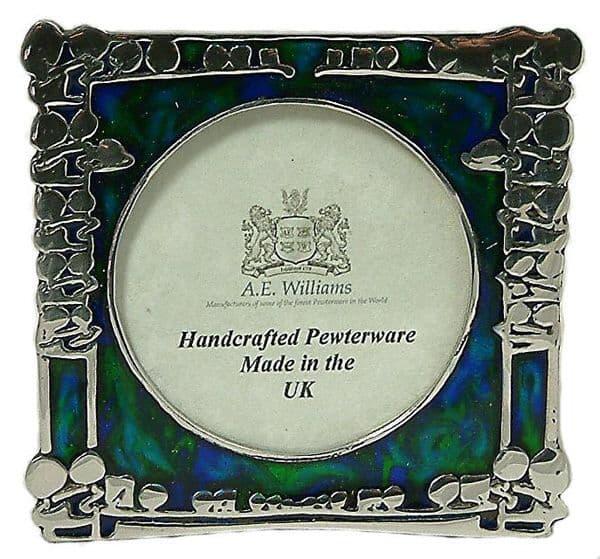
The design phase also considers technical requirements, such as:
- Material thickness appropriate for the item's purpose
- Structural integrity and balance
- Feasibility of production using available techniques
- Ergonomics for items meant to be handled
Prototyping and Refinement
Before full production begins, prototypes are created to test designs and identify any necessary adjustments. This crucial stage allows artisans to:
- Evaluate the visual impact of the design
- Test functionality and durability
- Refine production techniques
- Estimate material requirements and production time
Feedback from this phase informs design refinements, ensuring the final product meets our exacting standards for both aesthetics and functionality. Prototypes may undergo multiple iterations, with each version addressing issues identified in previous attempts. This methodical approach to refinement ensures that when a design moves to full production, all potential problems have been resolved and the manufacturing process has been optimized for efficiency and consistency while maintaining the highest quality standards.

Our His Better Half Beer Glass exemplifies this careful design process, balancing the decorative pewter badge with the practical requirements of a drinking vessel. Standing 16cm tall and holding a full UK pint, this glass combines functionality with sentimental value, making it both a practical item and a meaningful gift. The design had to address several technical challenges, including securely attaching the pewter element to the glass surface, ensuring the badge's dimensions and placement were aesthetically pleasing, and maintaining the glass's stability and comfort during use. Each of these considerations was carefully evaluated during the prototyping phase to create a product that seamlessly integrates form and function.
Finishing Techniques and Quality Control
The finishing stages transform raw pewter pieces into refined products with distinctive character and appeal. These processes enhance both aesthetics and durability, ensuring each piece meets our exacting standards. Far from being merely cosmetic, finishing techniques fundamentally alter the metal's appearance, texture, and even structural properties, making them integral to the creation of high-quality pewter items that will maintain their beauty and functionality for generations.
Polishing creates a bright, reflective finish that highlights the metal's natural luster. This multi-stage process uses progressively finer abrasives to achieve a smooth, mirror-like surface seen in pieces like our Archibald Knox Purse Mirror. Beginning with coarser materials to remove any casting marks or irregularities, the artisan gradually transitions to finer compounds and specialized cloths that bring out pewter's distinctive silvery sheen. This labor-intensive process requires patience and skill to achieve consistent results without removing too much material or creating unwanted scratches or patterns.
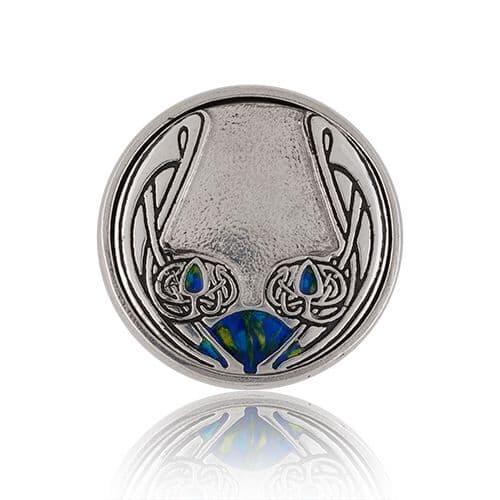
Satin finishing creates a subtle, non-reflective surface that emphasizes form over shine. This technique involves fine abrasion that leaves a uniform, matte appearance, perfect for contemporary designs. Often achieved using specialized brushes or abrasive compounds applied in consistent patterns, satin finishing reduces glare and creates a sophisticated, understated aesthetic that complements modern interiors. This finish is particularly effective for larger pieces where a highly polished surface might appear too ostentatious or for items that benefit from a more tactile, warm appearance.
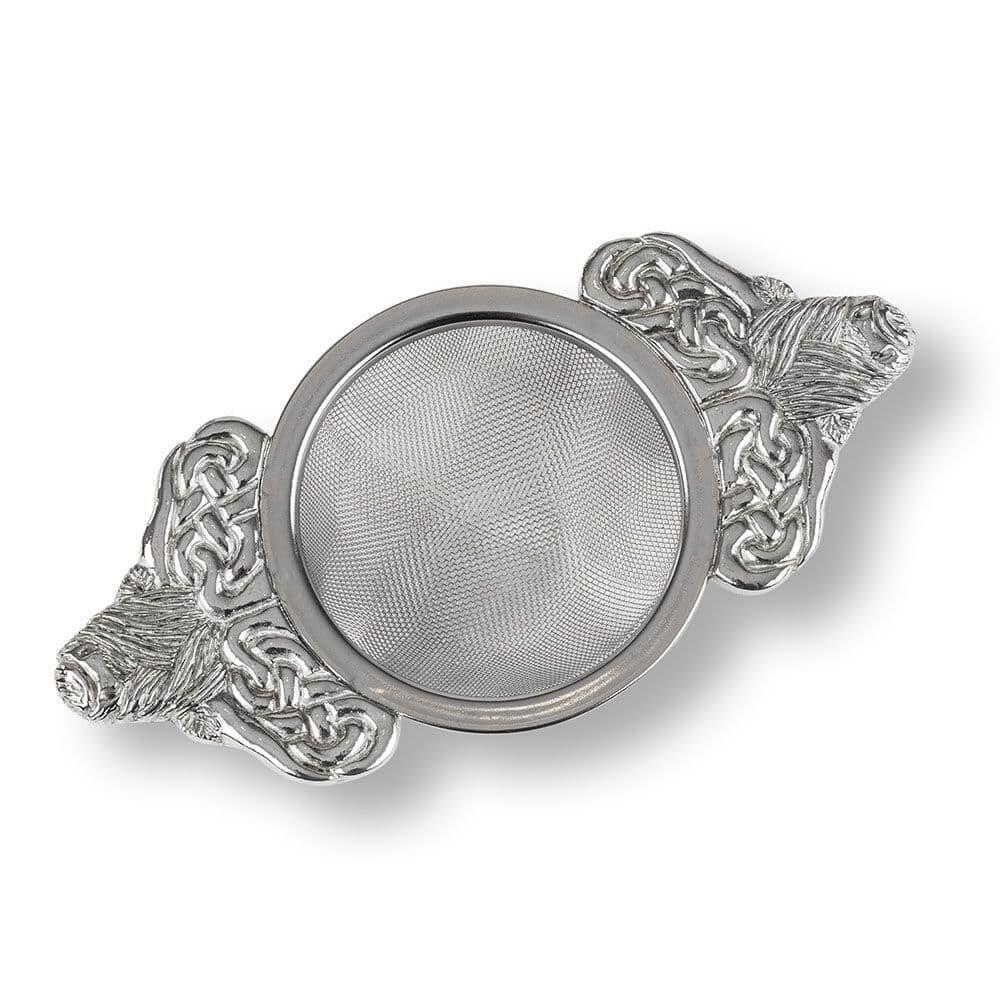
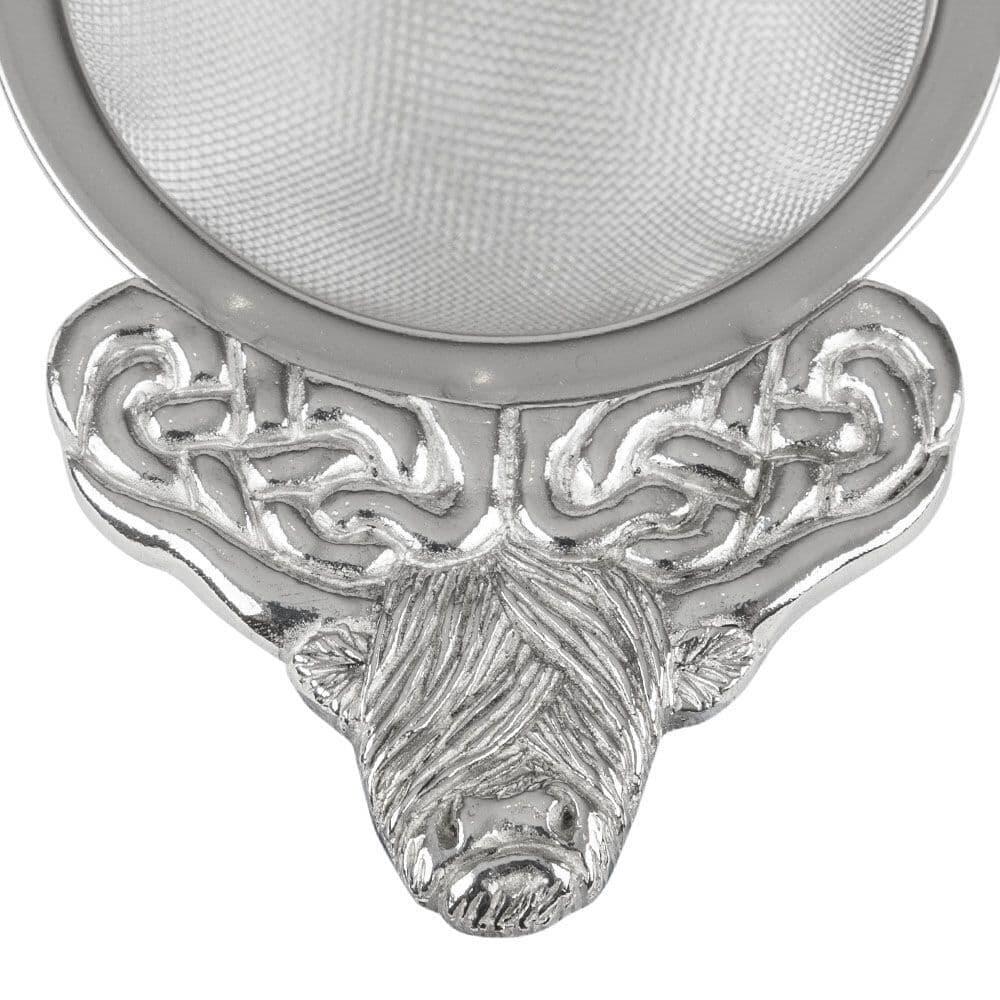
Patination involves controlled oxidation to create darker tones that accentuate details and provide depth. This traditional technique brings out the intricate details in pieces like our Highland Cow Tea Strainer, where the darker recesses contrast with highlighted surfaces. Patination may be achieved through chemical treatments, heat application, or natural aging processes that are accelerated and controlled to achieve specific effects. The artisan must carefully manage the patination process to ensure consistent coloration and prevent excessive darkening that might obscure details or compromise the piece's appearance.
Every piece undergoes rigorous quality control before leaving our workshop:
- Visual inspection for surface imperfections
- Weight and dimension verification
- Functional testing where applicable
- Finish consistency evaluation
Pieces that meet our standards receive hallmarking or maker's marks, authenticating their origin and quality. This attention to detail ensures that each item not only meets but exceeds customer expectations for craftsmanship and durability. These quality control procedures represent the final safeguard in our production process, ensuring that only pieces of the highest standard reach our customers. Any items that fail to meet these exacting criteria are either reworked to address identified issues or recycled, maintaining our commitment to excellence while minimizing waste through responsible material management.
The Versatility of Pewter: From Functional to Decorative
One of pewter's most remarkable qualities is its versatility, allowing artisans to create everything from practical everyday items to exquisite decorative pieces. This adaptability has ensured pewter's relevance across centuries and continues to inspire contemporary designs. Pewter's malleability, relatively low melting point, and receptiveness to various finishing techniques make it an exceptionally versatile medium for creative expression, capable of being transformed into objects of almost any scale or complexity, from tiny jewelry components to substantial tableware and architectural elements.
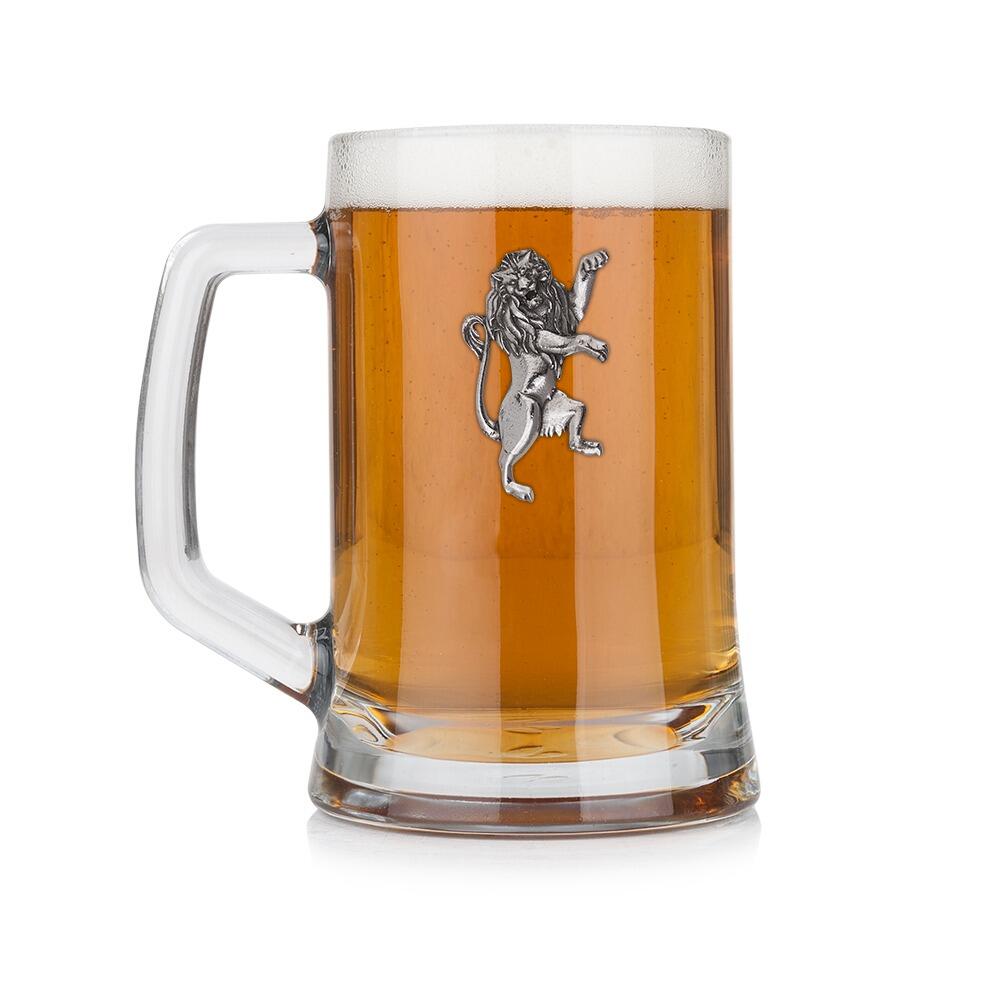

Beer Tankards and Pint Glasses: Our Pewter Lion Beer Tankard celebrates regal tradition with its superbly detailed rampant lion badge. Holding 660ml and standing 15.5cm tall, this substantial piece (weighing approximately 1kg) makes a statement while serving a practical purpose. The combination of clear glass with the ornate pewter embellishment creates a striking visual contrast while allowing the beverage's color and clarity to be appreciated. The substantial weight provides a satisfying heft that enhances the drinking experience, connecting the user to centuries of brewing and drinking traditions.
Whisky Tumblers and Dram Cups: For spirits enthusiasts, our Stag and Thistle Whisky Tumbler and Celtic Dram Cup offer distinctive vessels that enhance the drinking experience while showcasing traditional Scottish motifs. These pieces honor Scotland's whisky heritage through both their functionality and their decorative elements. The Celtic Dram Cup's hammered finish creates a tactile experience that changes as the cup warms in the hand, while the Stag and Thistle tumbler combines elegant proportions with iconic Scottish imagery that celebrates the country's natural beauty and cultural identity.
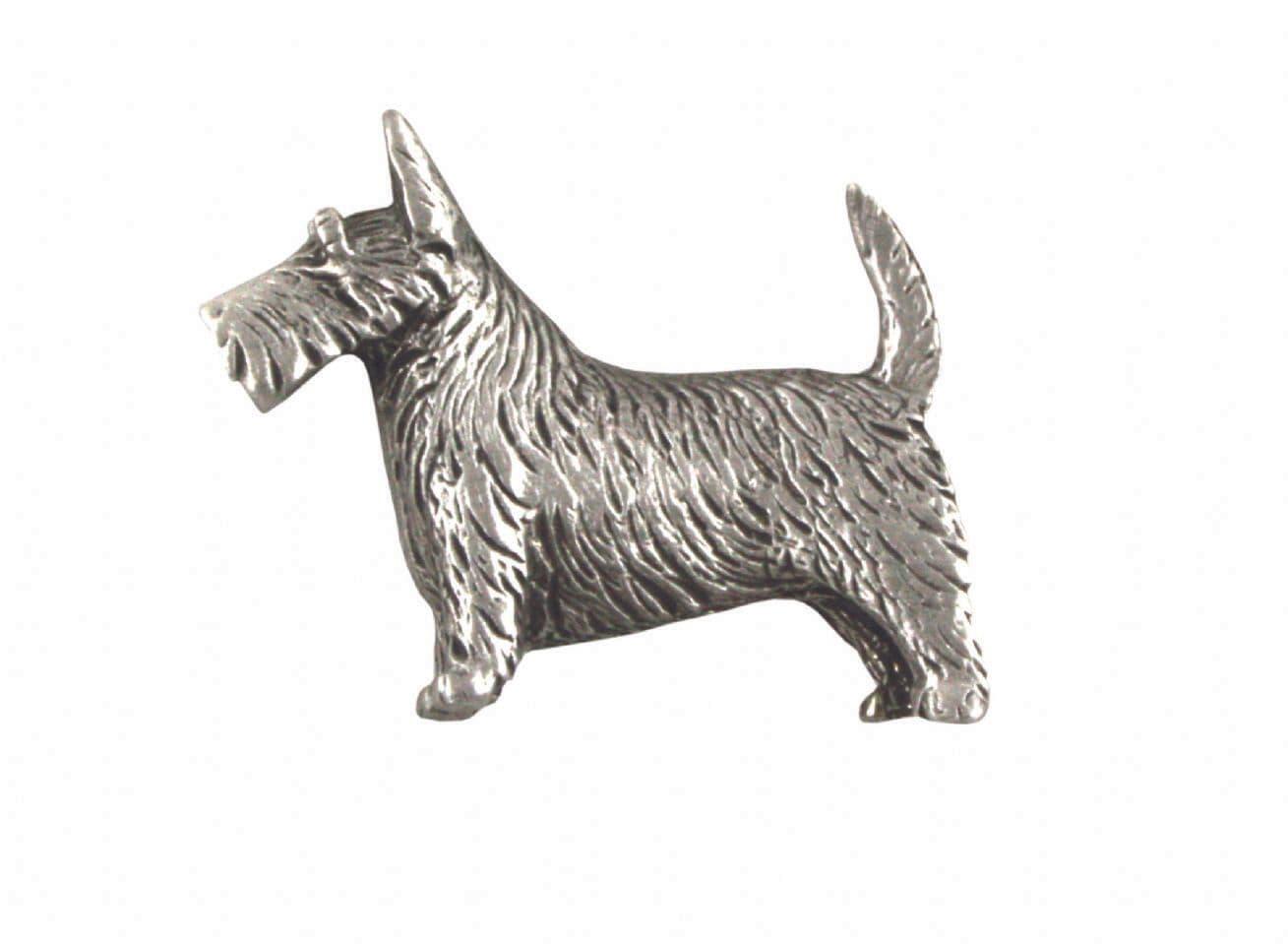
Lapel Pins and Jewelry: Small but exquisitely detailed pieces like our Scottie Dog Pin demonstrate pewter's suitability for wearable art. At just 20 x 25mm and weighing 10g, this pin showcases the material's ability to capture fine detail even at small scale. The Scottie's distinctive silhouette and textured coat are rendered with remarkable precision, creating a charming accessory that celebrates this iconic Scottish breed. Pewter's lightweight nature and hypoallergenic properties make it particularly well-suited for jewelry applications, providing comfort and durability while allowing for intricate designs that might be prohibitively expensive in precious metals.
Kitchen Accessories: Functional items like our Highland Cow Tea Strainer bring charm to everyday activities. This delightful piece combines the practical function of a tea strainer with the whimsical character of a Highland cow, demonstrating how pewter can transform utilitarian objects into conversation pieces. The cow's shaggy coat and characteristic horns are rendered with both accuracy and charm, creating an item that performs its practical function while bringing a smile to users and observers alike. The strainer's fine mesh ensures effective filtration while the pewter cow provides both the necessary structure and decorative appeal.
Caring for Your Pewter Collection
Proper care and maintenance ensure that pewter items retain their beauty and functionality for generations. Unlike precious metals that require complex cleaning procedures, pewter's gentle nature makes it relatively straightforward to maintain, yet understanding the specific needs of this material helps preserve its unique character and appearance. With appropriate care, pewter develops a rich patina over time that enhances its visual appeal while maintaining its structural integrity.
Regular Cleaning: For routine maintenance, simply wash pewter items with warm, soapy water using a soft cloth or sponge. Avoid abrasive cleaners, steel wool, or harsh detergents that can scratch the surface or remove the desired finish. The gentle approach preserves the surface texture and any intentional patination that contributes to the piece's character. After washing, dry thoroughly with a soft towel to prevent water spots and maintain the lustrous finish that makes pewter so appealing.
Removing Tarnish: Should tarnishing occur, specialized pewter cleaners or gentle polishing compounds can restore the original appearance. Apply these products sparingly with circular motions, working on small sections at a time. Commercial pewter cleaners are formulated specifically for this alloy and won't damage the surface like products designed for other metals might. For stubborn tarnish, multiple gentle applications prove more effective than aggressive scrubbing, which can permanently damage the finish.
Storage Considerations: Store pewter items in a dry environment, preferably wrapped in soft cloth or tissue paper to prevent scratching during storage. Avoid plastic bags, which can trap moisture and accelerate tarnishing. Display pieces benefit from regular use and handling, as the natural oils from skin help maintain the metal's appearance. For long-term storage, consider using anti-tarnish strips or cloths that absorb harmful gases from the environment.
Professional Restoration: For valuable or antique pieces showing significant wear or damage, professional restoration may be appropriate. Experienced pewter specialists can repair dents, remove severe tarnishing, and restore original finishes while preserving the piece's historical integrity and value. This investment proves worthwhile for family heirlooms or significant collectibles where maintaining authenticity is paramount.
Conclusion: The Enduring Legacy of Pewter Craftsmanship
The art of pewter craftsmanship represents far more than mere metalworking—it embodies a living tradition that connects us to centuries of British cultural heritage while continuing to evolve and inspire new generations of artisans and collectors. Through exploring the rich history, intricate techniques, and modern innovations that define this ancient craft, we gain appreciation for the remarkable skill and dedication required to transform raw tin alloy into objects of lasting beauty and functionality.
From the medieval guilds that established quality standards to today's environmentally conscious workshops, pewter making has consistently adapted to changing times while preserving its essential character. The evolution from lead-containing alloys to modern, safe formulations demonstrates the craft's ability to embrace progress without sacrificing quality or tradition. This balance between innovation and heritage ensures that pewter remains relevant in our contemporary world, offering both historical continuity and modern sustainability.
The versatility showcased throughout our collection—from the regal Lion Beer Tankard to the charming Highland Cow Tea Strainer—illustrates pewter's unique ability to serve both functional and decorative purposes with equal distinction. Whether creating intimate personal accessories or substantial display pieces, skilled artisans continue to push the boundaries of what's possible with this remarkable material, proving that traditional crafts can thrive in the modern marketplace.
The meticulous attention to detail evident in every stage of production, from initial design concepts through final quality control, reflects a commitment to excellence that honors the centuries of craftspeople who have refined these techniques. Each hammer blow, each carefully controlled pour of molten metal, and each precise finishing touch contributes to objects that will be treasured for generations, carrying forward the legacy of British pewter craftsmanship.
At A.E. Williams Shop, we take pride in continuing this noble tradition, ensuring that every piece we create meets the highest standards of artistry and craftsmanship while remaining accessible to collectors and enthusiasts who appreciate the enduring appeal of handcrafted pewter. Our commitment to sustainability and ethical production practices ensures that this ancient art form will continue to flourish, providing future generations with the same sense of wonder and appreciation that has captivated humanity for over two millennia.
Whether you're drawn to the historical significance of Archibald Knox-inspired designs, the cultural symbolism of our Welsh Dragon collection, or the whimsical charm of our animal-themed pieces, each item represents a tangible connection to this remarkable craft tradition. In choosing pewter, you become part of an unbroken chain that stretches back through centuries, supporting artisans who dedicate their lives to preserving and advancing this beautiful and essential craft for future generations to discover and treasure.