
From Spoons to Gifts: How Scottish Keepsakes Became the World’s Favorite Souvenirs
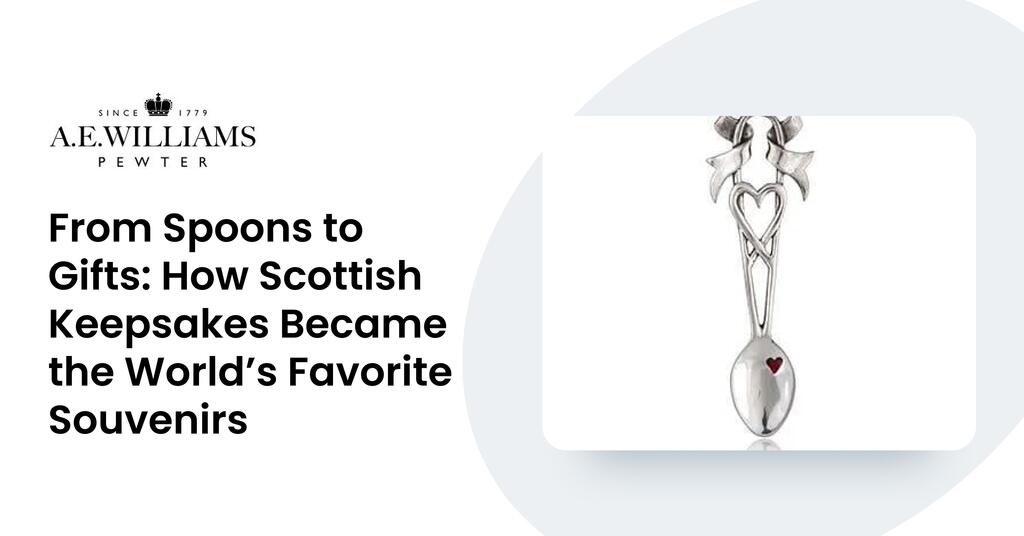
Scotland welcomed around 92 million tourism visits in 2024, with visitor spend reaching about £11.4 billion—proof that keepsakes and gifts are no small part of the country’s story. For generations, Scottish souvenir spoons, pewter tokens, and clan-themed trinkets have travelled home in the luggage of visitors, gradually evolving into a wider world of thoughtful, design-led gifts. This article explores how traditional Scottish spoons grew into an entire category of keepsakes, and how modern makers connect heritage craft with today’s appetite for meaningful mementos.
Key Takeaways
| Question | Key Insight |
|---|---|
| What is the historical role of Scottish souvenir spoons? | Souvenir spoons have been collected since at least the 19th century, with examples held by major museums like the Met, reflecting how small metal objects became symbols of travel, status, and sentimental memory. |
| How have Scottish keepsakes evolved beyond spoons? | Today’s keepsakes include quaichs, clan-themed accessories, and contemporary pewter gifts, as seen from heritage makers such as AE Williams, alongside artisan-focused platforms and independent boutiques. |
| Why are Scottish keepsakes popular with international visitors? | International visitors account for only 29% of Scottish tourism trips but 54% of total spend, showing a strong appetite for higher-value, story-rich keepsakes that embody Scottish culture. |
| Where can buyers find authentic heritage-inspired Scottish gifts? | Authentic pieces can be sourced directly from traditional pewter specialists like AE Williams Pewter, curated local shops, artisan markets, and reputable online marketplaces. |
| Are traditional keepsakes still relevant in the age of personalized gifts? | Yes—around 80% of consumers are comfortable with personalization, and many Scottish keepsakes now blend classic motifs (thistles, clans, Celtic knots) with engraving and custom design, making them both traditional and distinctly personal. |
| How do small makers reach a global audience for Scottish gifts? | Heritage brands and individual craftsmen increasingly use marketplaces such as Etsy and carefully curated retail partners to present Scottish keepsakes to international buyers who value craftsmanship and provenance. |
| What modern forms can a “Scottish keepsake” take today? | Beyond spoons, keepsakes now include thistle-handled quaichs, clan-etched accessories, contemporary jewelry, and limited-edition pewter or silver pieces designed to mark life events and journeys. |
The Origins of Scottish Souvenir Spoons and Keepsakes
Scottish keepsakes have long relied on small, portable objects—especially spoons—to carry stories across borders. Museums such as the Met feature late 19th‑century “souvenir spoons” in their collections, underlining how these modest items once signified travel, taste, and connection to place.
In Scotland, spoons often bore thistles, clan crests, or cityscapes, making them a natural choice for visitors who wanted a daily reminder of their trip. They were affordable, easy to pack, and practical enough to use, which helped them become a foundational format for Scottish souvenirs that would later diversify into many other gift types.
From Tableware to Tokens: How Spoons Became Scottish Souvenirs
Originally, silver or pewter spoons in Scotland were markers of status and domestic wealth rather than tourist items. Over time, silversmiths and pewterers started adding decorative finials—thistles, Celtic knots, and crests—that made spoons attractive as gifts, not just tableware.
By the Victorian era, industrialization allowed for more detailed casting and engraving, bringing down the cost and broadening access. Travellers could now buy a spoon bearing a city name or emblem, creating the pattern that still shapes keepsake design today: small, symbolic, and strongly tied to place.
The Rise of Scottish Pewter and the AE Williams Legacy
Pewter has been central to the story of Scottish keepsakes, offering the look of silver at a more approachable price. Traditional family firms, including long-established makers like AE Williams, helped keep pewter relevant as tastes shifted from purely decorative display pieces to usable gifts with heritage appeal.
Today, buyers can expect a pewter spoon, quaich, or miniature from a heritage maker to combine hand-finishing with modern casting techniques. This blend preserves traditional motifs and quality while meeting current expectations on durability and everyday use.
From Clan Crests to Thistles: Iconic Motifs in Scottish Gifts
As spoons gave way to a broader range of keepsakes, the core symbols remained remarkably consistent. The thistle, Scotland’s national emblem, appears on handles, bowls, and decorative mounts, linking modern gifts with centuries of heraldry and folklore.
Clan crests, Celtic knotwork, and Highland landscapes further distinguish Scottish pieces from generic souvenirs. For visitors tracing ancestry or celebrating Scottish roots abroad, these motifs turn a small object into a personal connection to family and story.
Why Motifs Matter in the Evolution of Keepsakes
Motifs are not just decorative; they drive recognition and meaning. A thistle-handle or clan badge instantly signals “Scottish,” even to first‑time visitors, which makes these patterns especially sticky in global gift culture.
Because motifs carry emotion and identity, they have easily migrated from spoons into other forms—quaichs, jewelry, key rings, and desk items—without losing their cultural weight. This continuity underpins the smooth evolution “from spoons to gifts.”
Quaichs, Thistle Handles, and the Shift to Functional Scottish Gifts
Many visitors now look for items they can use, not just display. The traditional quaich—a shallow two-handled drinking cup used historically to welcome guests—has become a prime example of how Scottish keepsakes have moved beyond spoons while retaining ceremonial roots.
Modern versions often feature thistle handles or engraved messages, positioning the quaich as both a decorative piece and a functional cup for whisky or toasting. This shift from purely ornamental spoons to multi-purpose vessels reflects a wider consumer preference for keepsakes that fit daily life.
Thistle-Handle Quaichs as Modern Heirlooms
Contemporary thistle-handle quaichs bridge old and new. They carry the symbolism of hospitality and friendship yet are suited to weddings, anniversaries, and milestone birthdays in any culture.
Because of their form and symbolism, quaichs frequently replace traditional souvenir spoons as signature Scottish gifts, especially for those seeking a central piece for home bars or family celebrations.
Heritage Makers: AE Williams and the Craft Tradition Behind Scottish Keepsakes
Behind every spoon, quaich, or pewter token sits a story of craft. Heritage firms such as AE Williams—trading for centuries in the British Isles—illustrate how family-run workshops helped define the aesthetics and quality standards of Scottish-style keepsakes.
These makers sustained casting, engraving, and hand-finishing skills through periods when mass production threatened traditional metalwork. Their approach helped keep the market anchored in authenticity, even as product ranges expanded into new shapes and price points.
Balancing Tradition and Modern Tastes
Modern buyers expect heritage and usability in the same object, and longstanding makers respond accordingly. A pewter item must be lead-free, robust enough for daily handling, and finished to a standard that justifies the price, whether it is a spoon, quaich, or decorative gift.
At the same time, workshops regularly refresh designs, adding new motifs or collaborating with designers to reflect contemporary Scotland—from urban skylines to wildlife, festivals, or literary references—without losing their historical core.
From Souvenir to Gift: Personalization, Gifting Culture, and Scottish Keepsakes
Over recent years, Scottish keepsakes have shifted from simple “holiday souvenirs” toward thoughtful gifts designed for specific people and occasions. Global research suggests about 80% of consumers are comfortable with personalized experiences, and Scottish makers now reflect this in engravable spoons, quaichs, and other metal gifts.
Engraving a date, name, or short phrase turns a standard design into a one‑off piece, linking the recipient’s life event—wedding, graduation, retirement—to Scotland’s visual language. This dynamic helps explain why traditional formats remain relevant: they now serve as canvases for personal stories.
- Engraved spoons: Marking christenings, anniversaries, or milestone trips.
- Inscribed quaichs: Used in wedding ceremonies and family celebrations.
- Custom motif combinations: Pairing clan emblems with modern typography or symbols.
Global Demand: Why Scottish Keepsakes Travel So Well
Scottish keepsakes appeal strongly to international visitors, who made up 29% of visits but 54% of total tourism spend in 2024. The combination of heritage, clear visual identity, and portability makes Scottish gifts easy to understand and share, even for first-time visitors.
American visitors alone accounted for over 22% of overseas trips and 36% of overseas spend, often choosing items that travel easily in luggage and feel recognizably “Scottish.” Spoons, quaichs, and small pewter gifts fit this requirement well, especially when paired with provenance cards or maker stories.
Key Qualities International Buyers Look For
- Authenticity: Evidence that the item was made or at least designed in Scotland or the wider British craft tradition.
- Meaningful symbolism: Thistles, tartan references, or clan connections.
- Portability and durability: Small enough to pack, strong enough to last.
- Clear story: Heritage, craft process, or family-run workshop background.
Online Marketplaces and the New Reach of Scottish Keepsakes
The evolution from spoons to a broad universe of gifts is closely tied to how makers sell today. Platforms such as Etsy allow heritage workshops and individual artisans to present Scottish-inspired keepsakes to a global audience that already seeks characterful, handcrafted gifts.
This reach supports niche products—limited editions, experimental designs, or highly personalized orders—that might not find space in traditional tourist shops. In turn, online feedback loops help makers refine designs according to what international buyers value most.
Curated Retailers and Specialist Sites
Beyond large marketplaces, dedicated pewter and heritage gift websites provide depth and curation. These sites often group items by theme—thistle, clan, Celtic, wildlife—helping buyers quickly find a piece that aligns with their connection to Scotland.
Specialist retailers also tend to provide better information on care, materials, and history, which matters for customers treating Scottish keepsakes as heirlooms rather than disposable souvenirs.
Collecting Scottish Spoons and Gifts: From Hobby to Heirloom
For many, Scottish keepsakes begin as casual purchases and become the foundation of lifelong collections. A single spoon or quaich might grow into a display of regional designs, historical styles, or different makers and workshops.
Collectors often focus on specific motifs (for example, Aberdeen-themed items or clan-related designs) or on particular materials such as early 20th‑century pewter. In this way, what started as an inexpensive travel reminder can evolve into a structured, researched hobby.
| Type of Keepsake | Typical Use | Why Collectors Value It |
|---|---|---|
| Spooning & Demitasse Spoons | Display, light use | Wide variety of motifs and makers; easy to store and exhibit. |
| Quaichs | Toasting, ceremonies | Strong link with hospitality rituals; often engraved and date-specific. |
| Pewter Tokens & Miniatures | Desk, shelf display | Detailed casting, often limited runs; good entry point for new collectors. |
Choosing the Right Scottish Keepsake: Practical Buying Guide
When selecting a Scottish keepsake, start with the recipient and the context. A spoon works well for a compact, understated token, while a quaich may better suit weddings or major life events where the gift will be used in a shared ceremony.
Next, consider material and maintenance. Modern pewter is generally low‑maintenance and more affordable than silver, yet still offers a substantial feel. If you intend the piece for food or drink, check that it is food-safe and lead‑free, and follow any care instructions to preserve finish and engraving clarity.
Conclusion
The journey “from spoons to gifts” captures more than a change in product range; it reflects how Scotland’s material culture has adapted to modern travel, gifting habits, and global tastes. What began as simple souvenir spoons has grown into a diverse family of keepsakes—quaichs, pewter tokens, clan-themed accessories, and personalized metalwork—that still carry the same core values of memory, hospitality, and place.
For visitors and gift‑givers, Scottish keepsakes offer a way to connect daily life with a specific landscape and heritage. Whether you choose a traditional spoon, a thistle-handled quaich, or a contemporary pewter piece, the object becomes a small but lasting bridge between Scotland’s craft traditions and your own ongoing story.