
How to Clean and Polish Pewter Effectively
Key Takeaways
- Pewter is a tin-based alloy that requires gentle cleaning with mild soap and warm water
- Never use abrasive materials, harsh chemicals, or dishwashers on pewter items
- Different finishes (polished, satin, patinated) require specific cleaning approaches
- Regular maintenance prevents tarnishing and extends the life of your pewter collection
- Store pewter in cool, dry places away from direct sunlight to maintain its appearance
- Polishing should only be done on bright finish pewter, not on satin or patinated pieces
- Some patina on antique pewter is desirable and contributes to its historical value
- Modern pewter is lead-free and safe for food and beverage use with proper care
Understanding Pewter: A Timeless Material
Pewter has been loved for centuries because of how it looks and how long it lasts. Pewter is mostly made of tin (at least 90%) mixed with small amounts of other metals like copper, bismuth, and antimony. Today's pewter doesn't contain lead, so it's safe to use with food and drinks. Old pewter often had lead in it, which meant people had to be careful when using it with acidic foods and drinks.
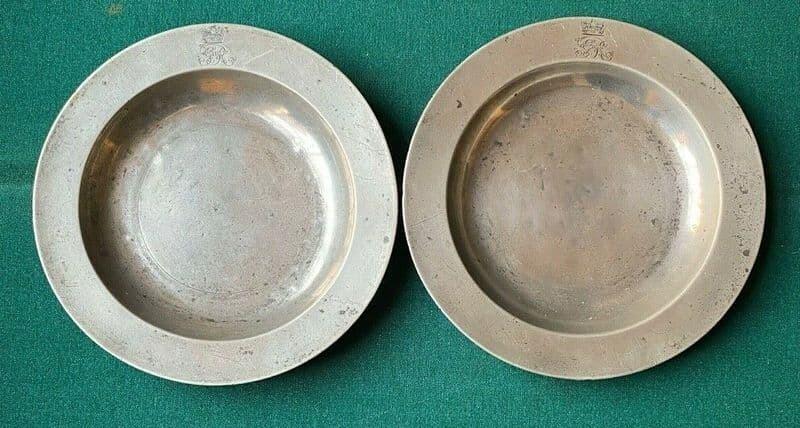
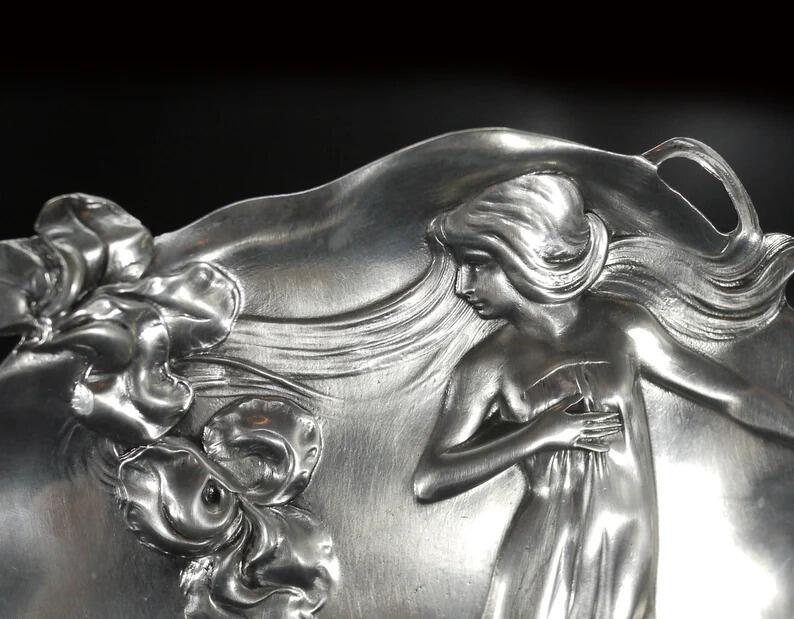
Pewter comes in three main finishes, and each needs to be cared for differently. Polished or bright finish pewter is shiny and reflects light like silver but with a warmer glow. Satin or matte finish has a brushed look that fits well with modern styles. Patinated or oxidized finish looks aged, ranging from light silver to dark gray, which shows off the craftsmanship details.
Knowing what finish your pewter has is really important before you start cleaning it. Our comprehensive pewter care guide helps collectors keep their pieces looking great, whether they're for display or for use like our traditional tankards. When you take good care of pewter, it can last for generations and develop a beautiful patina that adds character.
Essential Supplies for Pewter Care
Before you start cleaning, gather these supplies to make sure you have everything you need. Having the right tools makes cleaning more effective and helps prevent damage to your pewter. Pewter is pretty soft, so using the wrong cleaning materials can scratch or damage the surface, which could make your pewter items less attractive and less valuable.
Basic Cleaning Supplies:
- Mild dish soap (free from harsh chemicals) - look for pH-neutral formulations without added bleach or antibacterial agents
- Warm (not hot) water - hot water can potentially damage pewter's surface and accelerate tarnishing
- Soft microfiber cloths or soft cotton cloths - preferably white to avoid color transfer onto the pewter
- Soft-bristled brush (like a toothbrush) for detailed areas - with natural or very soft synthetic bristles
- Lint-free drying cloths - dedicated cloths used only for pewter to prevent cross-contamination
- Rubber gloves to protect both your hands and the pewter - preventing oils and acids from your skin contacting the metal
When choosing your cleaning supplies, remember that being gentle is key. Pewter might look tough, but it's actually quite soft and can get scratched easily by rough materials. Even paper towels can have wood fibers that might scratch pewter when you press on them. Our pewter tankard collection shows how beautiful pewter can be when it's properly cared for over time. Using the right cleaning supplies helps keep both the look and structure of these timeless pieces in good shape.
Basic Cleaning Method for All Pewter Types
This gentle cleaning method works for all pewter items, no matter what finish they have. This approach safely removes dust, fingerprints, and light tarnishing without risking damage to your precious pieces. It's the foundation of good pewter care and should be your first step before trying any specialized cleaning techniques. Regular cleaning using this method can prevent the need for more aggressive cleaning that might damage your pewter's surface.
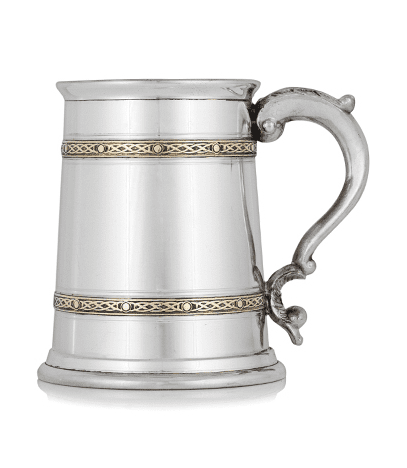
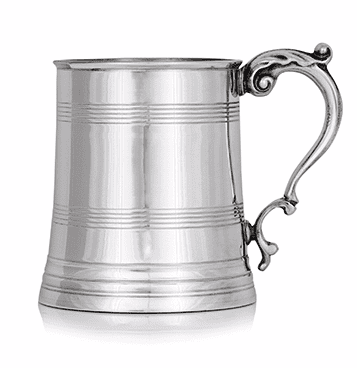
Start by making your cleaning solution. Fill a basin with warm water and add a small amount of mild dish soap. Don't make too many suds because they can leave soap on your pewter. The water should feel comfortable to your hand. Too much heat can damage pewter's surface. Next, gently rinse the item with clean warm water to remove loose dust before the main cleaning. This keeps particles from scratching the surface during washing.
Using a soft cloth or sponge, gently wash the pewter with the soapy water. For detailed areas, use a soft-bristled brush with gentle circular motions. Be extra careful around any decorative details or maker's marks, as these areas often have finer details that can wear more easily. Don't press too hard - let the cleaning solution do the work instead of scrubbing hard. Make sure to rinse off all soap with clean, warm water, because soap left on the surface can cause spots or discoloration.
The most important step is drying - use a soft, lint-free cloth to dry the pewter completely right away. Any moisture left on the surface can lead to water spots or tarnishing, especially in crevices or detailed areas where water might collect. Pay special attention to handles, rims, and any joints or seams where moisture can get trapped. Finally, let the pewter air dry fully before storing or displaying it, giving it at least an hour in a well-ventilated area to make sure no hidden moisture remains.
Cleaning Different Pewter Finishes
Different pewter finishes need slightly different cleaning approaches to maintain their unique appearances. Here's how to clean each type effectively while keeping their special characteristics. Understanding what your pewter's finish needs is important to avoid accidentally changing how it's supposed to look by using the wrong cleaning methods or materials.

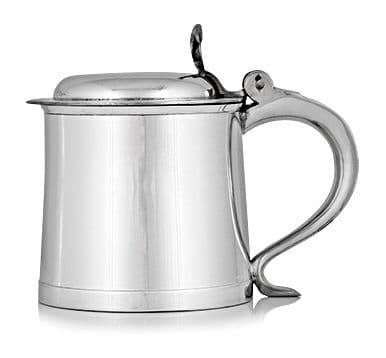
Polished pewter has a mirror-like shine that needs careful maintenance. Start with the basic cleaning method described above. For extra shine, use a special pewter polish (never silver polish) by putting a small amount on a soft cloth and using circular motions. Silver polish has chemicals that are too strong for pewter and can damage or discolor it. Buff with a clean, soft cloth until it's as shiny as you want, then rinse thoroughly and dry completely to remove any polish left behind. Even special pewter polish can leave residue that might attract dust or cause discoloration if not completely removed.
Satin finish pewter has a subtle, brushed appearance that should be kept without adding shine. Use the basic cleaning method with extra care not to scrub too hard. Don't use polishing products designed to add shine, as these will change how it's supposed to look by filling in the tiny textured surface that creates the satin effect. If needed, you can use special cleaners for matte finish pewter, though these are harder to find than polishes for bright pewter. Always clean in the direction of the brushed finish, and dry thoroughly with a soft cloth, following the direction of the grain. Cleaning against the grain can create noticeable marks that disrupt the uniform appearance.
Patinated finish pewter shows an aged, darker appearance that needs the gentlest approach. Use only water and very mild soap, cleaning with extremely gentle motions to keep the patina. The oxidation layer is delicate and can be easily removed even with moderate cleaning pressure. Don't use any polishing products, as these will remove the intentional oxidation and create uneven bright spots that ruin the look. Dry immediately and thoroughly with minimal friction, using a patting motion rather than rubbing when possible. For serious tarnishing or issues, ask a professional rather than trying aggressive cleaning, as they can use special techniques to fix problems while preserving the patinated finish.
Polishing Techniques for Bright Finish Pewter
When your polished pewter needs extra care to bring back its brilliant shine, follow these special polishing techniques. Remember that polishing should only be done on bright finish pewter, not on satin or patinated pieces, as it can permanently change how they're supposed to look. Polishing removes a tiny layer of the metal's surface, so it should be done sparingly and only when necessary to keep the pewter in good shape over time.

Start by picking the right product - choose a polish made specifically for pewter, not silver polish which can damage pewter surfaces. Pewter polishes have milder abrasives that are right for pewter's softer makeup compared to silver. Always test any new polish on a hidden spot first to make sure it won't cause discoloration or damage, such as the underside of a base or inside a lid. Apply the polish sparingly using a soft cloth or cotton ball, working in small sections with gentle, circular movements. Too much polish can be hard to remove completely and might leave residue in detailed areas.
Let the polish dry to a haze according to the product instructions, then use a clean, soft cloth to buff to the brightness you want. The buffing action activates the polish and helps remove the tiny layer of tarnish or oxidation. After polishing, wash with mild soap and water to remove all polish residue, as leftover polish can cause discoloration over time by attracting dust and making future tarnishing happen faster. Finally, dry completely to prevent water spots, paying special attention to any crevices or detailed areas where polish residue might remain hidden.
If you prefer natural cleaning solutions, these gentle options can help maintain pewter's shine without harsh chemicals. The flour paste method involves mixing flour with a small amount of salt and vinegar to create a paste, applying it gently with a soft cloth, then rinsing thoroughly and drying completely. The mild abrasive quality of flour combined with the acidic properties of vinegar helps remove tarnish without scratching the surface. This traditional method has been used for centuries, before commercial polishes were available.
Removing Tarnish and Oxidation
Over time, pewter may develop tarnish or oxidation, especially if it hasn't been regularly cleaned. Here's how to safely address these issues without damaging your precious pewter items. Remember that some patina is good on antique pieces and adds to their character and value. The natural aging process of pewter creates a unique surface that tells the story of the piece's history and use over generations.
For light tarnish, the olive oil and rottenstone method works well. Mix a small amount of rottenstone (a fine abrasive) with olive oil to form a paste. Rottenstone, also called tripoli powder, is a broken-down limestone that provides gentle abrasion without scratching pewter's surface. Apply gently with a soft cloth using circular motions, working in one small section at a time to ensure even treatment. Then rinse thoroughly with warm water and mild soap to remove all traces of the mixture. Dry completely with a soft cloth to prevent water spots that could lead to more tarnishing problems.
For polished pewter only, a lemon juice and salt technique can be effective. Create a paste with lemon juice and salt, apply gently with a soft cloth, then rinse immediately and thoroughly. The citric acid in lemon juice reacts with the tarnish to help dissolve it, while the salt provides mild abrasion. This method works quickly and should not be left on the pewter for long periods as the acid could potentially etch the surface. Dry completely to prevent water spots. Note that this method should never be used on satin or patinated finishes as it can remove their distinctive appearance and create uneven bright spots that disrupt the look.
Remember that some patina is desirable on antique pewter and adds to its character and value. Our blog on pewter craftsmanship explains more about the historical significance of pewter patina and how it relates to the authentication and valuation of antique pewter pieces by collectors and museums worldwide.
Caring for Decorative and Detailed Pewter
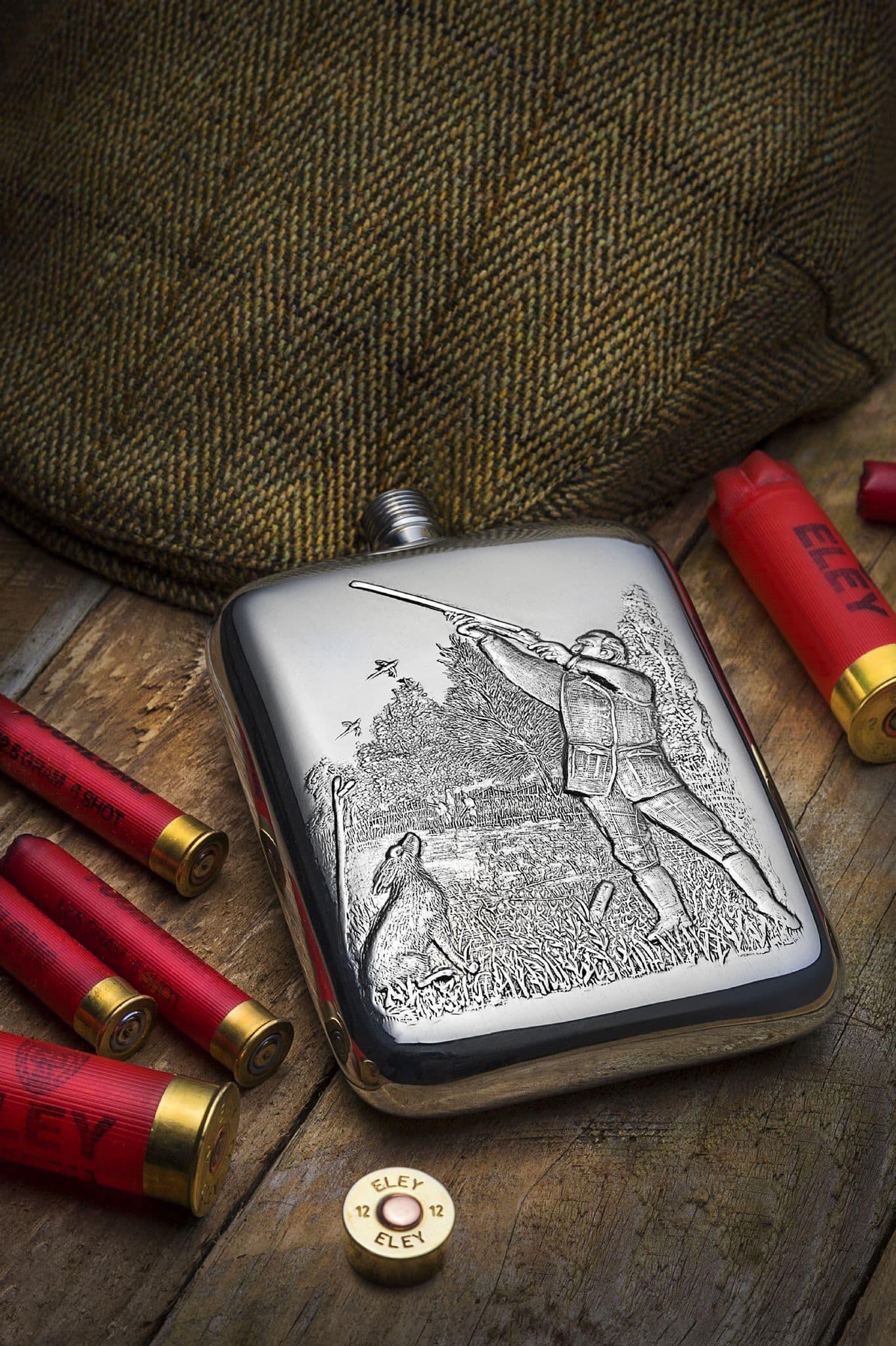
Decorative pewter pieces with intricate details, like our Luxury Shooting Pewter Hip Flask with its embossed design, need special attention during cleaning to preserve their artistry. The fine details that make these pieces special can also make them challenging to clean properly. Detailed areas can trap dirt, polish residue, and moisture, potentially leading to faster tarnishing or corrosion if not properly maintained.
The soft-bristled brush technique is ideal for detailed areas. Use a soft toothbrush or artist's brush for crevices and detailed areas, applying gentle pressure in circular motions. Choose brushes with natural bristles or very soft synthetic bristles to avoid scratching the pewter surface. Focus on one small section at a time to ensure thorough cleaning without missing any areas. This methodical approach helps prevent uneven cleaning that could make some areas appear brighter than others, disrupting the overall look. Rinse thoroughly to remove all cleaning solution from crevices, as residue can cause discoloration over time and potentially lead to corrosion in detailed areas where moisture might remain trapped.
The cotton swab method provides precise cleaning for very detailed work. Dip a cotton swab in your cleaning solution and gently work it into detailed areas. The controlled application allows you to reach tiny crevices without affecting surrounding areas. Replace swabs frequently to avoid spreading dirt, as a dirty swab can redeposit grime into freshly cleaned areas. Follow with clean water swabs to rinse, ensuring no cleaning solution remains in the details. Dry with fresh cotton swabs to ensure no moisture remains in hard-to-reach areas, as lingering moisture in detailed areas is a common cause of spot tarnishing and corrosion that can be difficult to fix later.
Many decorative pewter pieces include other materials like wood, glass, or other metals. These require special consideration during cleaning. First, identify all materials before cleaning to determine appropriate methods for each. Materials like wood or leather can be damaged by water exposure, while glass may need different cleaning solutions than pewter. Protect non-pewter components with plastic wrap or petroleum jelly if necessary to prevent damage from cleaning solutions that might be appropriate for pewter but harmful to other materials.
Maintaining Pewter Drinkware and Tableware
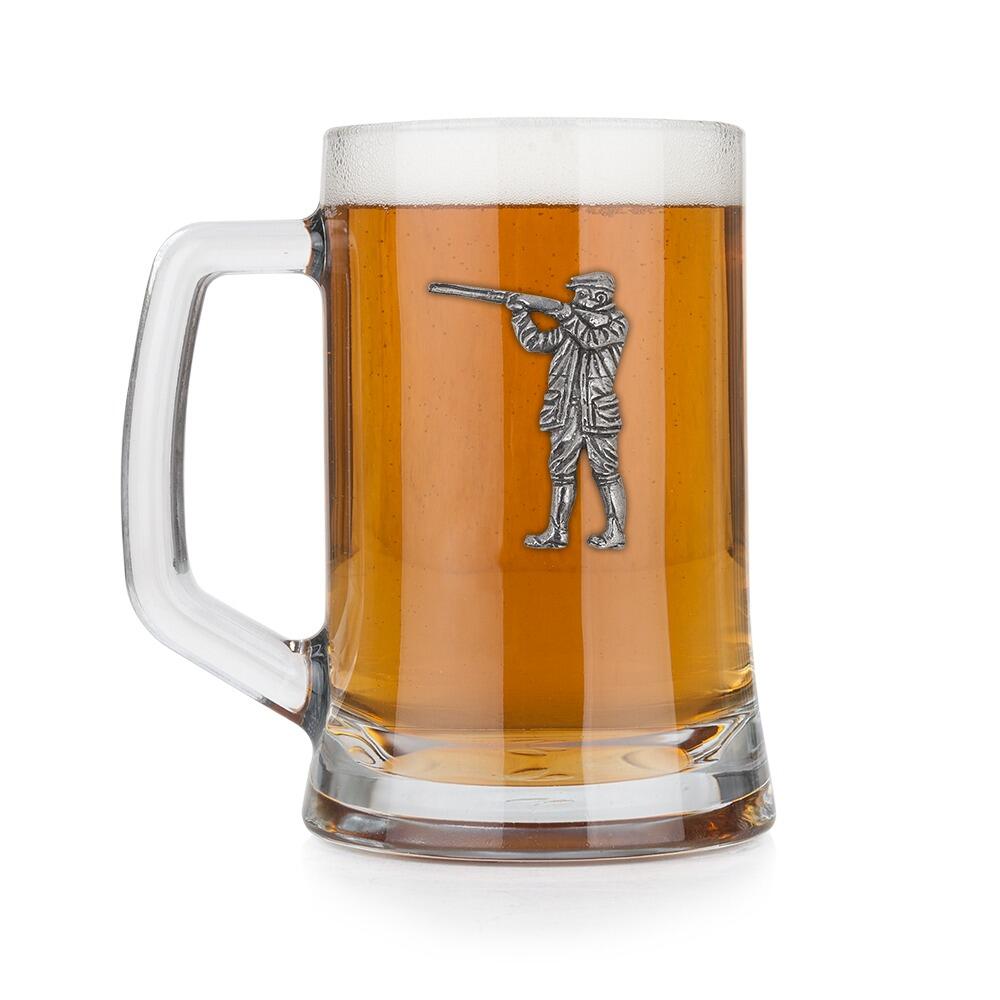
Pewter drinkware like our Dad Beer Glass and Mum Beer Tankard needs special care to ensure it remains both beautiful and safe for use with food and beverages. Regular maintenance is essential for items that come into contact with food and drink, not only for how they look but also for hygiene and safety. Modern pewter is food-safe, but proper cleaning ensures it stays that way throughout its lifetime.
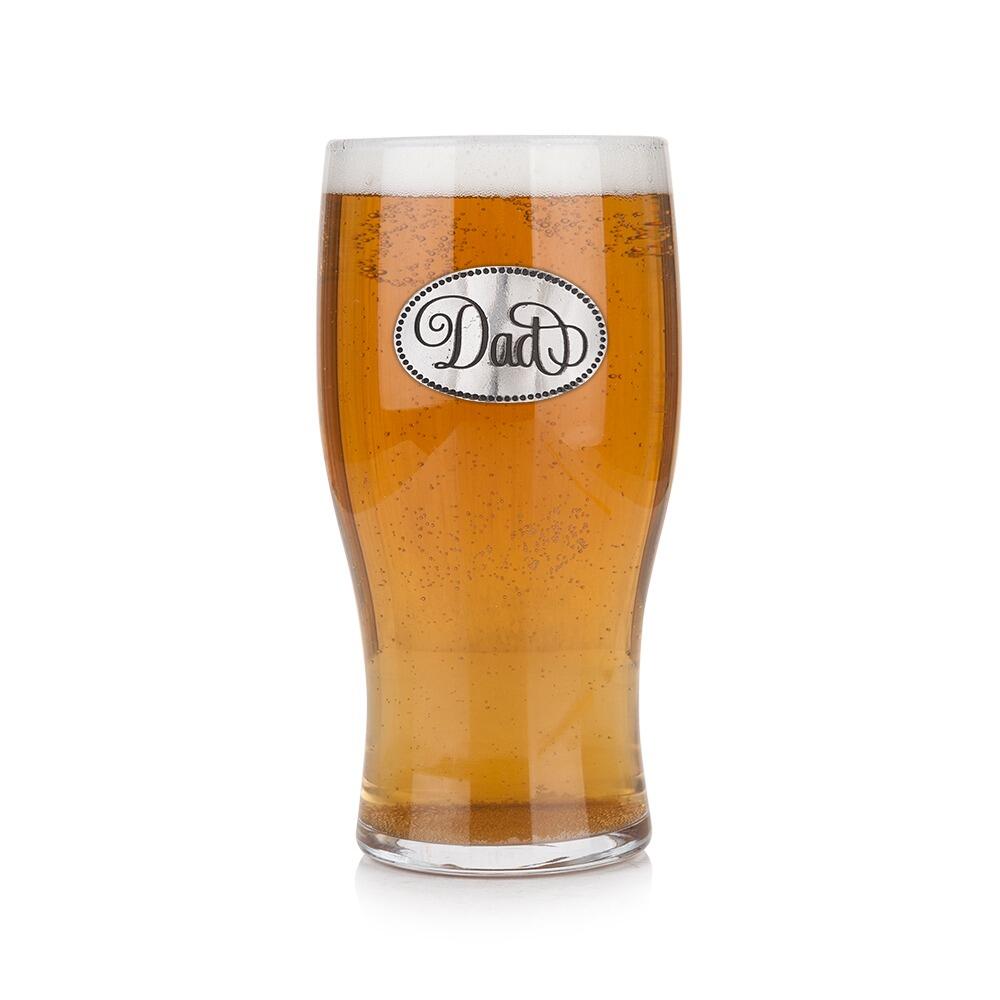
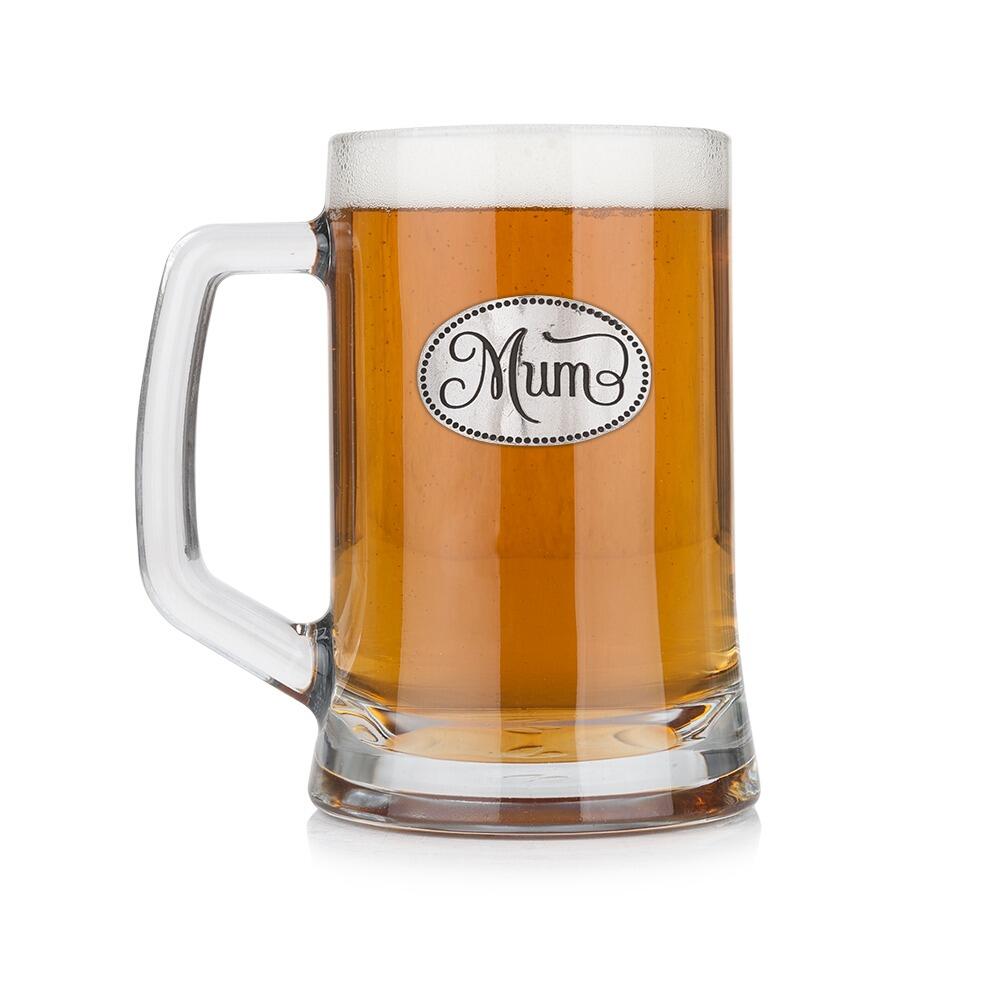
Clean promptly after use to prevent residue from drying on the surface. Food and beverage residues can contain acids and other compounds that may react with pewter if left in contact for too long. Rinse with warm water immediately after use, especially for beer tankards, to remove all beverage residue which can cause staining or corrosion if left to dry. Beer is particularly problematic due to its acidity and sugar content, which can lead to stubborn deposits if allowed to dry on the pewter surface. For washing, use mild dish soap and warm water, cleaning with a soft cloth or sponge. Avoid abrasive scrubbers even for stuck-on food, as they can scratch the surface and potentially create areas where bacteria could collect.
Ensure all soap residue is completely removed during rinsing, as leftover soap can affect the taste of food and beverages served in the pewter item later. Thorough rinsing is particularly important for items like tankards where even small amounts of soap residue could affect the taste of beverages. Hand dry completely with a soft, lint-free cloth immediately after washing. Never allow pewter to air dry with water droplets on the surface, as this can cause water spots that may be difficult to remove later. Pay special attention to handles, rims, and bases where water can collect, as these areas are particularly prone to water spotting and potential corrosion if not properly dried.
Never use pewter drinkware in a microwave, as this can damage both the item and the appliance. The metal can cause sparking and potentially damage the microwave's magnetron, while the heat can warp or even melt parts of the pewter item. Avoid dishwashers at all costs, as the high heat and harsh detergents will damage the pewter's finish. Dishwasher detergents are particularly problematic as they contain chemicals that can cause discoloration and pitting on pewter surfaces. Do not use pewter for acidic foods or beverages for extended periods, as acids can react with the metal. While brief contact is generally safe with modern pewter, prolonged exposure to acidic substances like tomato sauce, citrus juices, or vinegar can potentially cause etching or discoloration.
Preventing Damage and Long-Term Storage
Proper storage and preventive care are essential for maintaining your pewter collection's beauty and value over time. Here's how to protect your pewter items when not in use, ensuring they remain in excellent condition for years to come. Preventive measures are far more effective than remedial cleaning, as they preserve the original surface and finish without the potential risks associated with repeated cleaning and polishing.


Store pewter in a cool, dry place to prevent corrosion and tarnishing. Humidity is particularly problematic for pewter, as it speeds up oxidation processes that lead to tarnishing and potential corrosion. Avoid areas with high humidity like basements, which can accelerate oxidation. Ideally, keep relative humidity below 55% in storage areas. Keep pewter away from direct sunlight, which can cause discoloration over time due to UV exposure and heat. Even modern pewter can develop uneven coloration if regularly exposed to strong sunlight, particularly if some areas are shaded while others receive direct light.
Maintain a stable temperature, avoiding attics, basements, and garages where temperature changes can cause expansion and contraction of the metal. These tiny movements can, over time, lead to metal fatigue and potential cracking, particularly in areas with joins or different thicknesses. Temperature stability is especially important for pewter items with mixed materials, as different materials expand and contract at different rates with temperature changes, potentially causing separation at seams.
Wrap items in acid-free tissue paper to prevent scratches. Regular tissue paper can contain acids that may react with pewter over time, so investing in archival-quality acid-free tissue is worthwhile for valuable pieces. For valuable pieces, consider flannel bags or specially designed storage cases that provide additional protection. These materials allow the pewter to "breathe" while protecting it from dust and physical damage. Never wrap pewter in plastic, which can trap moisture and cause corrosion. Even seemingly dry pewter can release tiny amounts of moisture that becomes trapped inside plastic wrapping, creating a microclimate that promotes oxidation. Place silica gel packets nearby to absorb excess moisture in the storage area, replacing them periodically as they become saturated.
Conclusion: Preserving Your Pewter Heritage
Proper care and maintenance of pewter items is both an art and a science. With the right techniques and regular attention, your pewter collection can maintain its beauty and functionality for generations, becoming treasured heirlooms that tell stories of your family's history. The time invested in proper pewter care pays off in both the enjoyment and potential value increase of these timeless pieces.
Gentle cleaning is always best, using mild soap, warm water, and soft cloths to preserve the metal's integrity. Pewter is relatively soft, so aggressive cleaning can cause more damage than the tarnish or dirt you're trying to remove. Know your pewter's finish (polished, satin, or patinated) and adjust cleaning methods accordingly to maintain its intended appearance. Each finish has its own look and historical context, and wrong cleaning methods can permanently change these special characteristics.
Avoid harmful substances including harsh chemicals, abrasive materials, and silver polish which can permanently damage pewter surfaces. Products made for other metals often contain compounds too strong for pewter's softer composition. Dry thoroughly right after cleaning to prevent water spots and potential corrosion that can develop from moisture left on the surface. This simple step is perhaps the most important part of pewter care and prevents many common issues that lead to more aggressive cleaning needs later.
At A.E. Williams Shop, we take pride in our handcrafted British pewter items, created using traditional techniques passed down through generations. From our Luxury Shooting Pewter Hip Flask to our collection of traditional tankards, each piece represents a connection to heritage and craftsmanship that spans centuries of British metalworking tradition.
With proper care, these pewter treasures will continue to bring joy and beauty to your home for years to come, perhaps even becoming family heirlooms that connect generations through shared appreciation of fine craftsmanship and tradition. Remember that the patina that develops on pewter over time is part of its character and charm - while keeping it clean is important, embracing the subtle changes that happen with age and use is part of the joy of owning these timeless pieces. Each mark and subtle change in color tells a story of the piece's journey through time, adding depth and character that can't be copied in new items.