
Maintain Lead-Free Pewter for Longevity: Care, Cleaning, and Safe Everyday Use
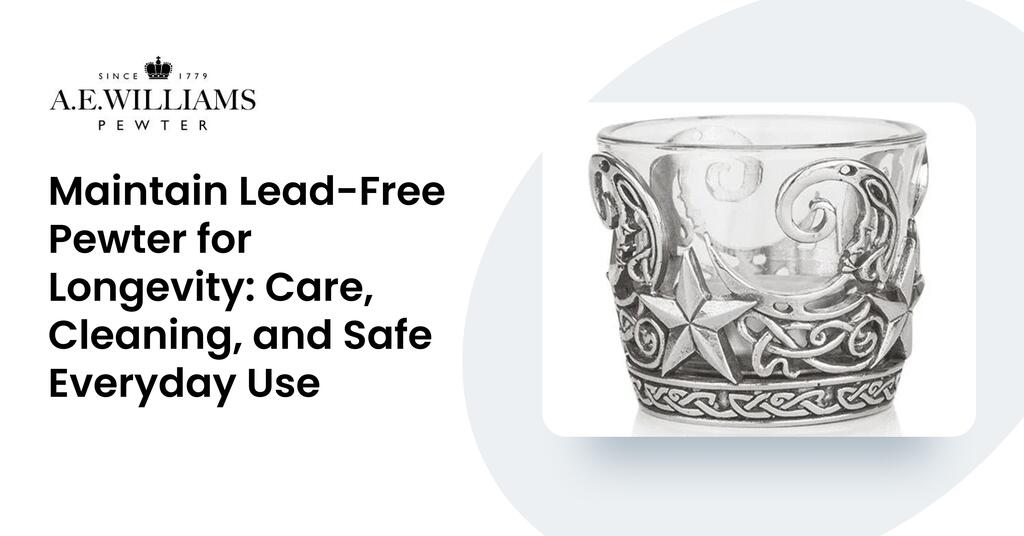
Pewter has been cherished for centuries because it is attractive, durable, and pleasant to use every day. There is no known safe blood lead concentration and even very low levels around 3.5 µg/dL can harm children, which is why modern lead-free pewter matters so much for both safety and long-term use. When we combine safe alloys with the right storage, cleaning, and handling habits, pewter tankards, goblets, hip flasks, and keepsakes can last for generations while retaining their soft sheen and fine detail.
Key Takeaways
| Question | Answer |
|---|---|
| 1. Why choose lead-free pewter for long-term use? | Lead-free alloys remove a major health risk and comply with modern standards such as EN 611 for food-contact pewterware, which helps ensure safe, long-lasting use of items like tankards and goblets. |
| 2. What types of lead-free pewter gifts last the longest? | Robust forms such as tankards, quaichs, goblets, hip flasks, and solid brooches from collections like our pewter gifts range are designed to become heirlooms. |
| 3. How should I clean lead-free pewter to protect it? | Use warm water, a mild detergent, and a soft cloth, avoid dishwashers and harsh abrasives, and always dry pieces thoroughly to prevent water marks and maintain a consistent patina. |
| 4. Can lead-free pewter be safely used for drinks? | Yes, modern lead-free pewter designed for food and drink, such as our pewter tankards and goblets, follows compositions that are suitable for contact with beverages when cared for correctly. |
| 5. What storage habits extend pewter's life? | Store pewter in a dry place, away from extreme heat and humidity, and avoid stacking unprotected surfaces together to prevent scratching detailed work such as pewter brooches or engraved pieces. |
| 6. Do engraved or personalised pewter items need special care? | Engraving areas on items like our William and Mary tankard or personalised stemmed beer glass should be cleaned with extra-soft cloths to protect fine detail. |
| 7. How do I pick a pewter gift that will truly last? | Choose solid, lead-free pewter with classic forms and proven craftsmanship, such as our traditional quaich bowls or sturdy glass and pewter hip flasks, and follow the maintenance tips in this guide. |
Understanding Lead-Free Pewter and Why It Lasts
Modern lead-free pewter is typically a high tin alloy with small amounts of antimony and copper. This composition gives it the bright, silvery appearance that people appreciate along with good strength and resistance to everyday wear. International standards like EN 611-1 define compositions for pewterware intended to contact food, typically requiring more than 90% tin and explicitly excluding lead. When we work within these standards and pair them with careful craftsmanship, the result is functional items that age gracefully rather than deteriorate or pose health concerns.
How Lead-Free Alloys Support Longevity
Lead-free pewter does not suffer from the same corrosion and leaching issues associated with old leaded alloys, especially when used with food and drink. This means finishes remain more predictable over time, and the surface can be renewed with relatively gentle polishing if required. Because tin-rich alloys are softer than stainless steel but harder than pure tin, they resist dents and deformation during normal use. That is why pieces such as tankards, goblets, and quaich bowls can be enjoyed regularly without quickly losing their shape or definition.
Health, Safety, and Everyday Confidence
Lead exposure has been linked to serious health impacts in both adults and children, which makes material choice for cups, glasses, and tableware more than a cosmetic decision. Selecting modern lead-free pewter allows families to enjoy traditional designs with contemporary safety standards. For us as makers and retailers, working only with lead-free alloys aligns with tightening regulations across regions and gives customers confidence that treasured items can be used frequently, not just displayed behind glass.
Daily Care Basics: Cleaning Lead-Free Pewter Correctly
Routine cleaning is the single most important factor in maintaining lead-free pewter for longevity. The goal is to remove residues such as oils, acids from drinks, and fingerprints without scratching or over-polishing the metal. We recommend a simple three-step approach for most items used with drinks or handled frequently:
- Rinse promptly after use, especially where acidic drinks are involved.
- Wash with warm water and a mild, non-lemon detergent using a soft sponge or cloth.
- Dry immediately with a lint-free cloth to prevent water spots.
What To Avoid When Cleaning Pewter
To preserve the surface, we strongly advise against:
- Putting pewter in a dishwasher, which can cause discoloration and spotting.
- Using scouring pads, wire wool, or abrasive powders.
- Applying bleach, ammonia, or strong acidic cleaners.
These methods can strip the gentle patina that naturally develops and can introduce fine scratches that dull the sheen. Over time, the cumulative effect is a tired appearance that is harder to restore.
Maintaining the Natural Patina
Lead-free pewter will gradually develop a soft patina that many collectors value more than a high mirror polish. To support this, use minimal polishing compounds and focus instead on regular, gentle washing and careful drying. If you prefer a brighter finish, an occasional application of a pewter-specific polish using a very soft cloth is sufficient. Always test in a small, discreet area first, especially on pieces with engraving or detailed motifs.
Tankards and Everyday Drinkware: Keeping Functional Pieces Strong
Traditional Pewter Tankards
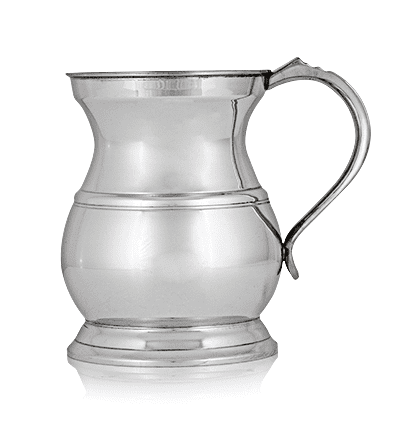
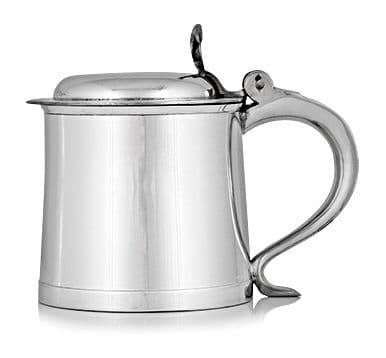
Tankards are among the hardest working pewter items, used for beer, cider, or soft drinks and often handled multiple times a week. Our pewter tankard range is designed to cope with regular use, provided a few maintenance basics are followed. After each use, wash tankards by hand and dry them upright so remaining moisture can escape. For engraved or lidded pieces, such as the 1 Pint Lidded William and Mary Pewter Tankard, pay attention to hinge areas and under the lid, where moisture can linger.
The World's Best Pint Tankard with Pewter Label
Our World's Best Pint Tankard with Pewter Label combines glass with a decorative lead-free pewter badge. To ensure longevity, it should be washed similarly to full pewter tankards but with extra care around the pewter label. Avoid soaking the glass and badge in very hot water for extended periods, which can stress adhesives or fine mounting details. A gentle wipe around the label area and immediate drying will keep both glass clarity and badge definition intact.
Personalised Stemmed Pint Beer Glasses with Pewter Monograms
Personalised items such as our Stemmed Pint Beer Glass with Pewter Initial Monogram are often given for milestone occasions, so longevity matters particularly here. The pewter monogram should be treated as a small decorative badge, not scrubbed aggressively. We recommend washing these glasses by hand individually, rather than stacking them in a sink or dishwasher. This protects the engraved glass and the raised pewter features from chipping or abrasion.
Quaich Bowls and Goblets: Preserving Heirloom Serving Pieces
Caring for Quaich Bowls
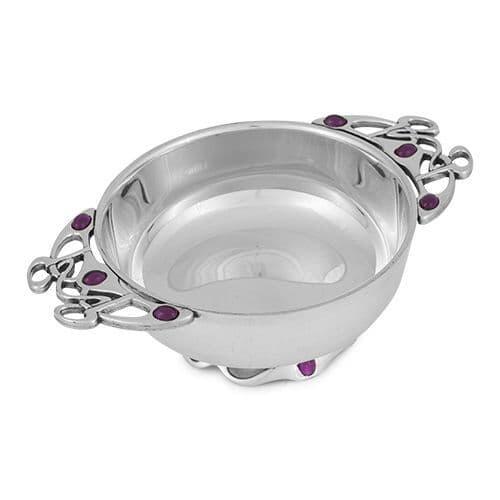
Quaich bowls feature shallow profiles and often finely cast handles that benefit from careful handling. Our quaichs are crafted in lead-free pewter so they can be used in traditional toasting rituals while still meeting modern expectations of safety. To maintain their shape, avoid using metal spoons that can strike or bend the handles. When not in use, support the bowl and both handles when lifting, rather than gripping a single arm.
Maintaining Pewter Goblets
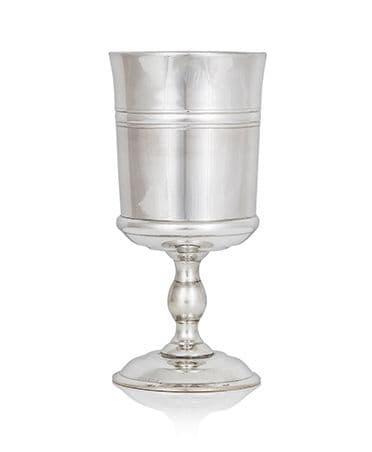
Pewter goblets have tall stems and bowls that can be subject to leverage if handled roughly. Our goblets are designed to be robust, but we still advise supporting both stem and base when washing or drying. Goblets can be lightly polished if a brighter look is desired, but we recommend avoiding heavy polishing near any cast motifs or badges, to preserve detail. Like tankards, goblets should not go through dishwashers, which can stress the junction between stem and bowl.
Special Occasion Wine and Champagne Glasses with Pewter Badges
Our series of glassware with lead-free pewter badges, such as the Rampant Lion Pewter Wine Glass or the Football Player Pewter Champagne Glass Flute, combine traditional motifs with modern glass. To keep them looking their best, wash gently around the badge and avoid stacking decorated glasses against each other. Taking a few seconds to separate decorated pieces with a soft cloth in storage helps prevent badge-to-glass contact that can cause tiny marks on both surfaces.


Hip Flasks and Mixed-Material Designs: Protecting Joints and Details
Glass and Pewter Hip Flasks
Hip flasks are subject to frequent handling and movement, so joint quality and maintenance have a direct impact on longevity. Our 100 ml glass and pewter hip flasks use lead-free pewter bases and collars designed for long-term daily use. To protect the glass and the pewter base, avoid thermal shocks such as filling icy liquor into a flask that has just been washed in very hot water. Let it come to room temperature first to reduce stress on the glass-to-metal joint.
6oz Luxury Shooting Pewter Hip Flask
The 6oz Luxury Shooting Pewter Hip Flask is a fully pewter-bodied flask with detailed shooting motifs. It is supplied with a funnel and gift box, which also serve as storage elements that help prevent scratches during transport. We advise rinsing flasks with warm water after use, leaving the cap off until completely dry inside, and avoiding strong detergents that could affect any internal finish. For the outer surface, a quick polish with a soft cloth brings back the design contrast without risking over-polishing.

Handcrafted Viking Glass & Pewter Hip Flask
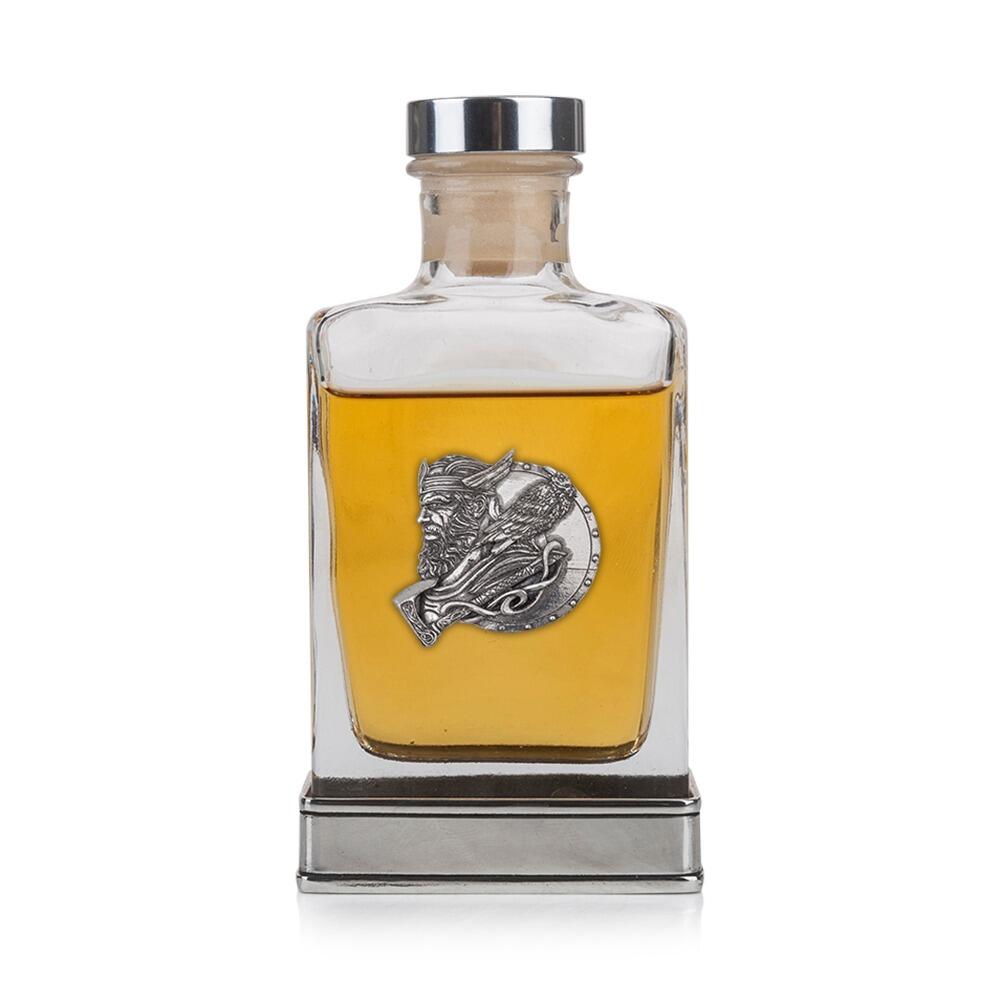
Our Handcrafted Viking Glass & Pewter Hip Flask combines glass, a lead-free pewter base, and a Viking-inspired design that rewards close viewing. The combined materials mean you get both display appeal and functional use, as long as it is treated with care. Avoid dropping or resting the flask on hard, uneven surfaces that can chip the glass edge or mark the pewter. Storing it in its box or a padded pouch between uses will keep the design definition and clarity intact for many years.
Small Lead-Free Pewter Accessories: Brooches, Mirrors, and Everyday Pieces
Pewter Brooches
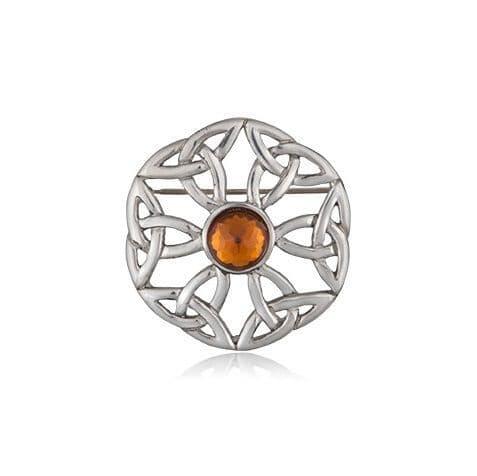
Smaller accessories such as brooches are exposed to clothing fibers, weather, and regular handling. Our lead-free pewter brooches are cast to keep fine detail while still resisting bending or distortion under normal use. To maintain their appearance, remove brooches from garments before washing or dry cleaning. When not in use, store them flat in a soft-lined box so that pins do not accidentally scratch surrounding surfaces.
Purse Mirrors with Pewter Accents
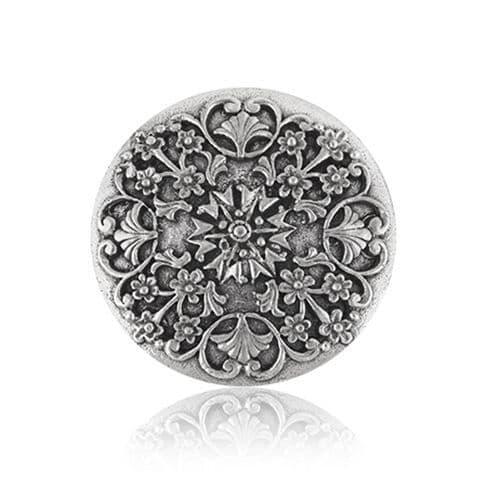
Purse mirrors with lead-free pewter decoration balance function and ornament. They are constantly moved in and out of bags, so scratch resistance and secure attachment of the pewter panel are key to longevity. We recommend keeping purse mirrors in a small fabric sleeve or section of a handbag that is separate from keys or coins. Wiping the pewter surface occasionally with a soft cloth removes fingerprints and keeps the contrast between metal and mirror sharp.

Other Everyday Pewter Gift Items
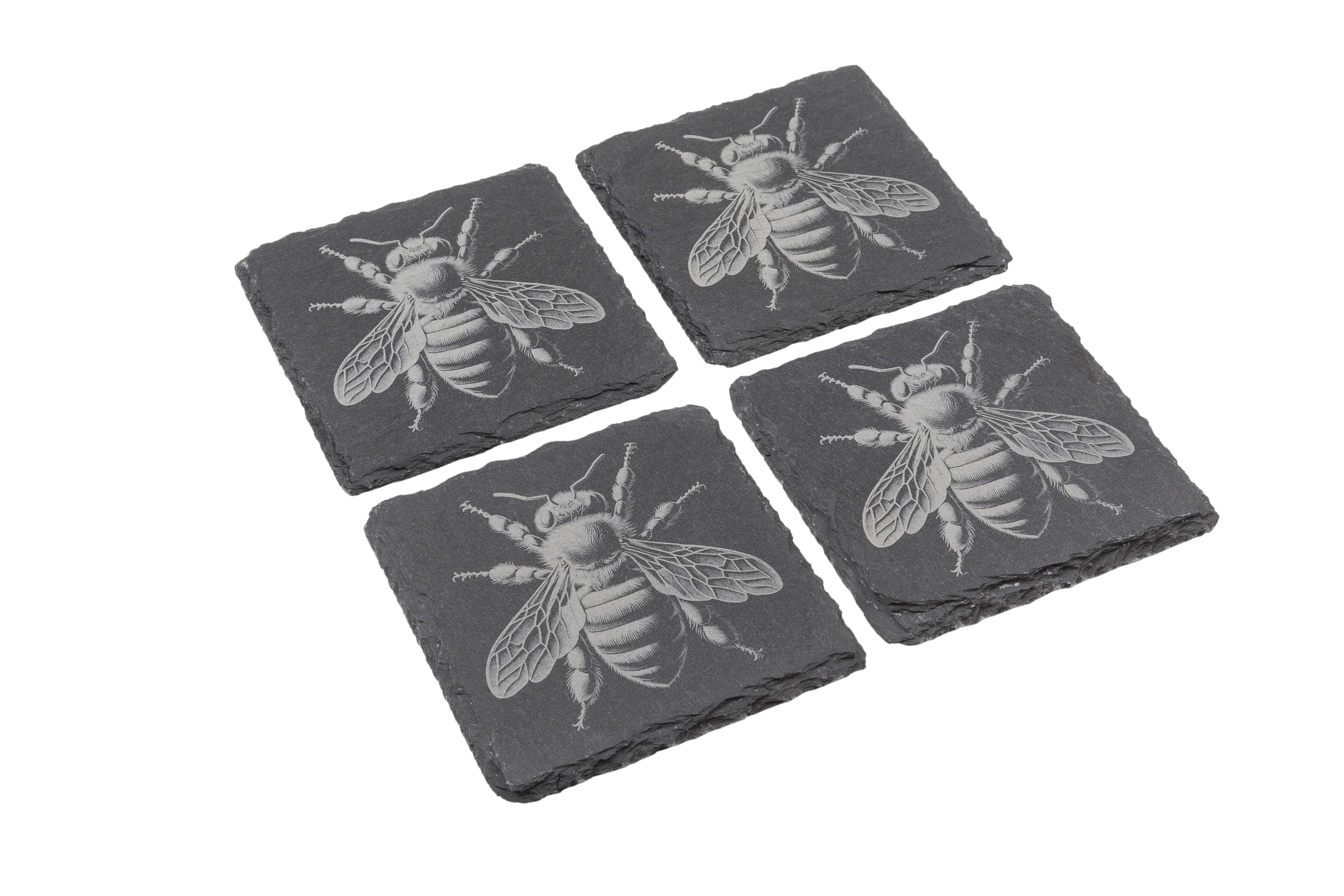
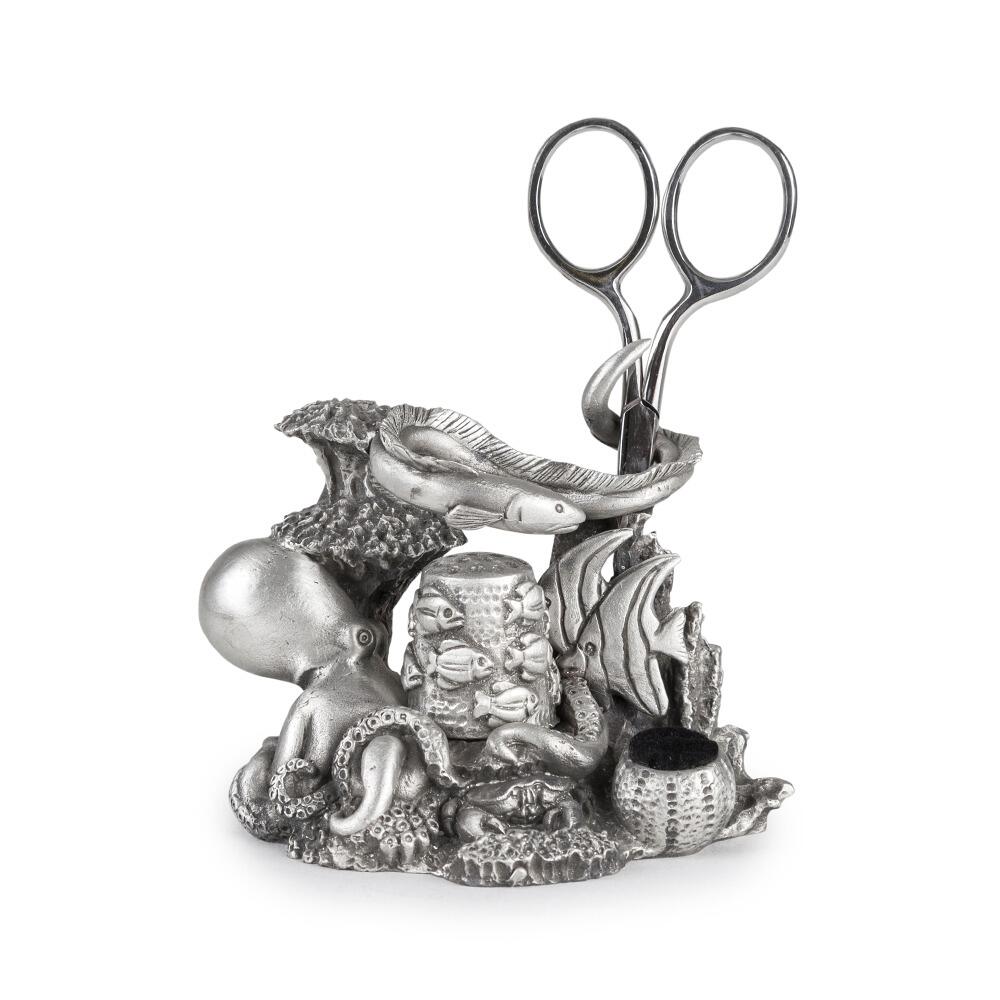
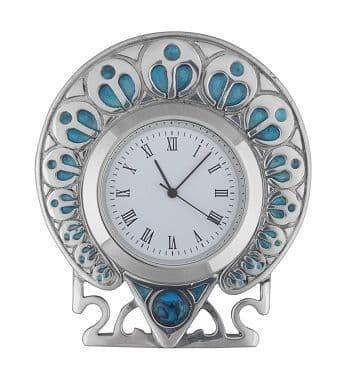
Our wider pewter gifts selection includes items like scarf rings, clocks, sewing stations, and slate coasters with pewter inlay. Each item type has its own wear pattern, but most benefit from the same fundamentals: avoid abrasives, keep dry after cleaning, and store in a way that reduces friction between metal surfaces. With these habits, even small daily-use accessories maintain their finish and function well beyond the typical lifespan of non-metallic alternatives.
Decorative and Seasonal Pewter: Display Without Damage
Not all pewter is used with food or drink. Decorative pieces and seasonal ornaments are often taken out once a year and then stored again, which introduces a different set of maintenance needs. Our 2025 Limited Edition Christmas Ornament, Santa down the Chimney is an example of a detailed lead-free pewter decoration designed for annual enjoyment. The key to longevity lies in careful handling and smart storage.

Best Practices for Display and Storage
When on display, keep pewter away from direct heat sources like radiators or intense sunlight, which can cause uneven aging of both metal and any attached ribbons or non-metallic parts. Dust occasionally with a microfibre cloth instead of using spray polish, which can leave residue in crevices. For storage, wrap each ornament or small decorative in acid-free tissue or a soft cloth. This reduces the risk of surface abrasions and helps avoid contact with materials that could react with pewter over time.
How Lead-Free Pewter Fits Within Modern Safety Standards
Regulations and guidance around lead in consumer products continue to tighten, particularly for items that contact food or are handled frequently. Choosing lead-free pewter is part of responding to this environment responsibly, both for manufacturers and for households. In some jurisdictions, limits for lead in cookware are being tightened to levels such as 90 ppm and below, with further reductions planned. While pewter is distinct from many cookware alloys, the regulatory direction supports avoiding lead in all food-contact materials where possible.
Consumer Products and Lead Exposure
Studies indicate that a meaningful proportion of childhood lead poisoning cases are linked to consumer products, which can include metalware and decorative finishes. While many of these cases have involved imported or non-compliant goods, they highlight why material transparency is essential. By working with certified lead-free alloys and reputable foundries, we support customers who want traditional forms like pewter but do not want the historical concerns associated with lead in metals.
How Our Lead-Free Pewter Aligns With Expectations
Within this landscape, we focus on alloys that are free of lead, suitable for contact with drinks, and consistent with the direction of international standards. This makes our pewter suitable not only as attractive gifts but as practical items that can be used daily without additional concern. For customers, this means that by combining these alloys with the care practices outlined above, a single well-chosen tankard, goblet, hip flask, or ornament can provide decades of reliable service.
Storage, Handling, and Long-Term Display Strategies
Beyond cleaning and material choice, the way lead-free pewter is stored and handled has a significant impact on longevity. Scratches, dents, and minor warping usually come from everyday bumps and stacking rather than from the act of using the item as intended. We suggest a few simple practices:
- Store pieces individually or separated by soft cloth or tissue.
- Keep pewter in a dry environment with stable temperature.
- Use presentation boxes, where provided, whenever pieces are transported.
Using Presentation Boxes and Gift Packaging
Many of our tankards, hip flasks, and special glassware are supplied in presentation boxes that serve not only for gifting but also as protective storage. Retaining and using these boxes extends surface life by reducing incidental contact with other household items. Where boxes are not available, simple padded compartments in a drawer or cabinet can offer similar protection. The key is to keep pewter from rubbing directly against other metals or hard ceramics.
Choosing Lead-Free Pewter Gifts Designed to Last
When selecting a pewter gift, thinking about both the alloy and the form can help you choose something that will age well rather than simply look good for a single season. Solid forms with few weak points, proven alloys, and classic designs are good markers of longevity. Compare, for example, a heavily used tankard with a decorative lovespoon. The tankard needs thicker walls and durable handles, while the lovespoon, often hung on a wall, relies more on fine casting and stability of finish.

Balancing Everyday Use and Display
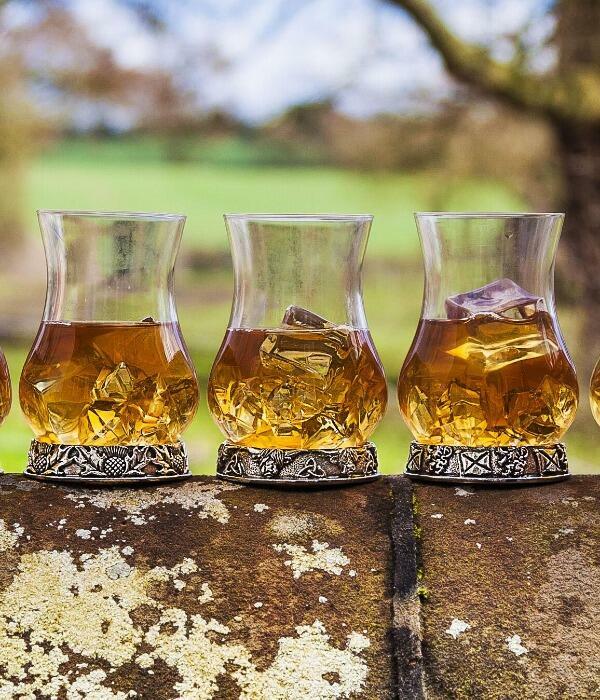
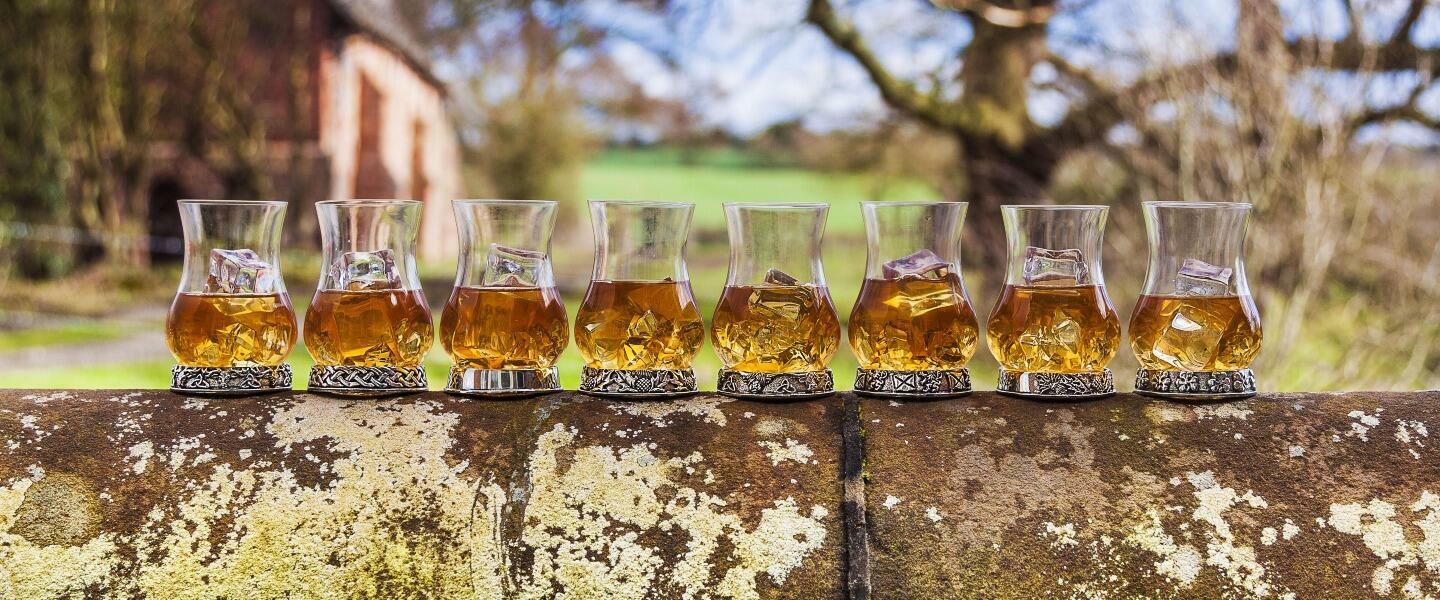
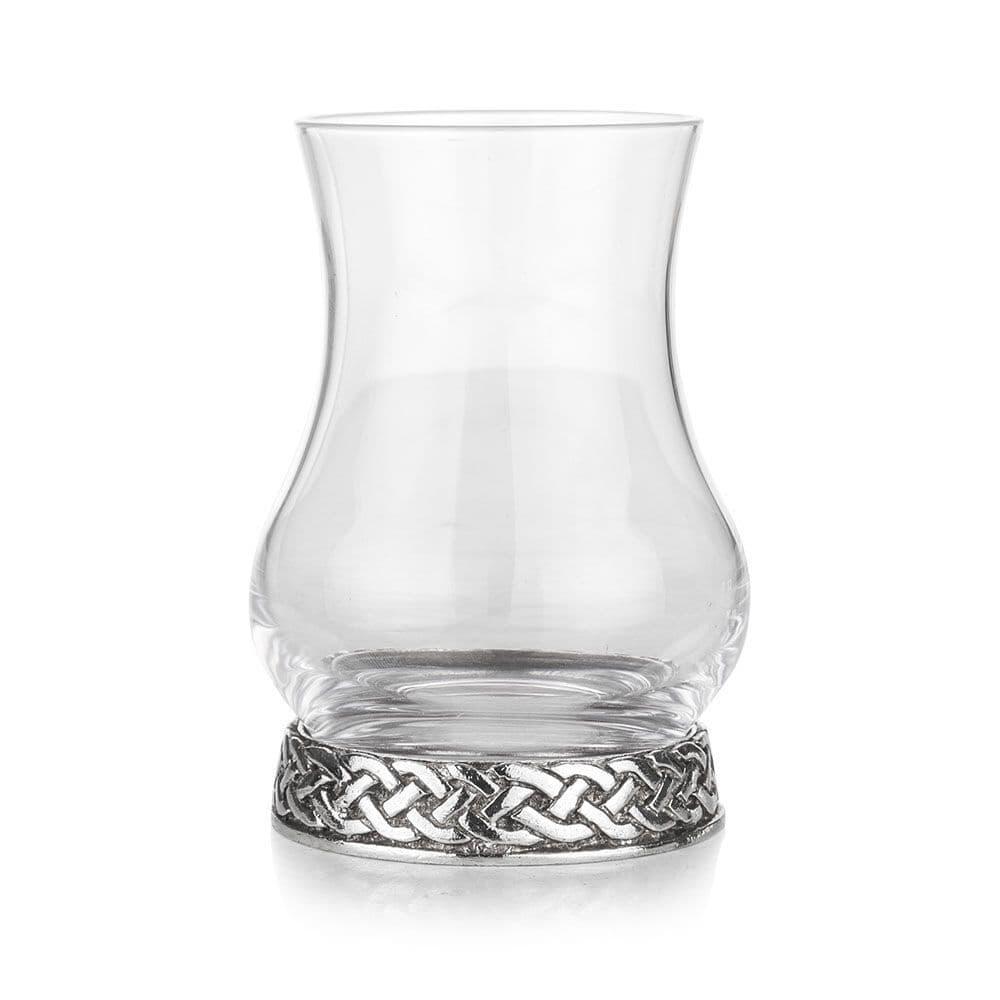
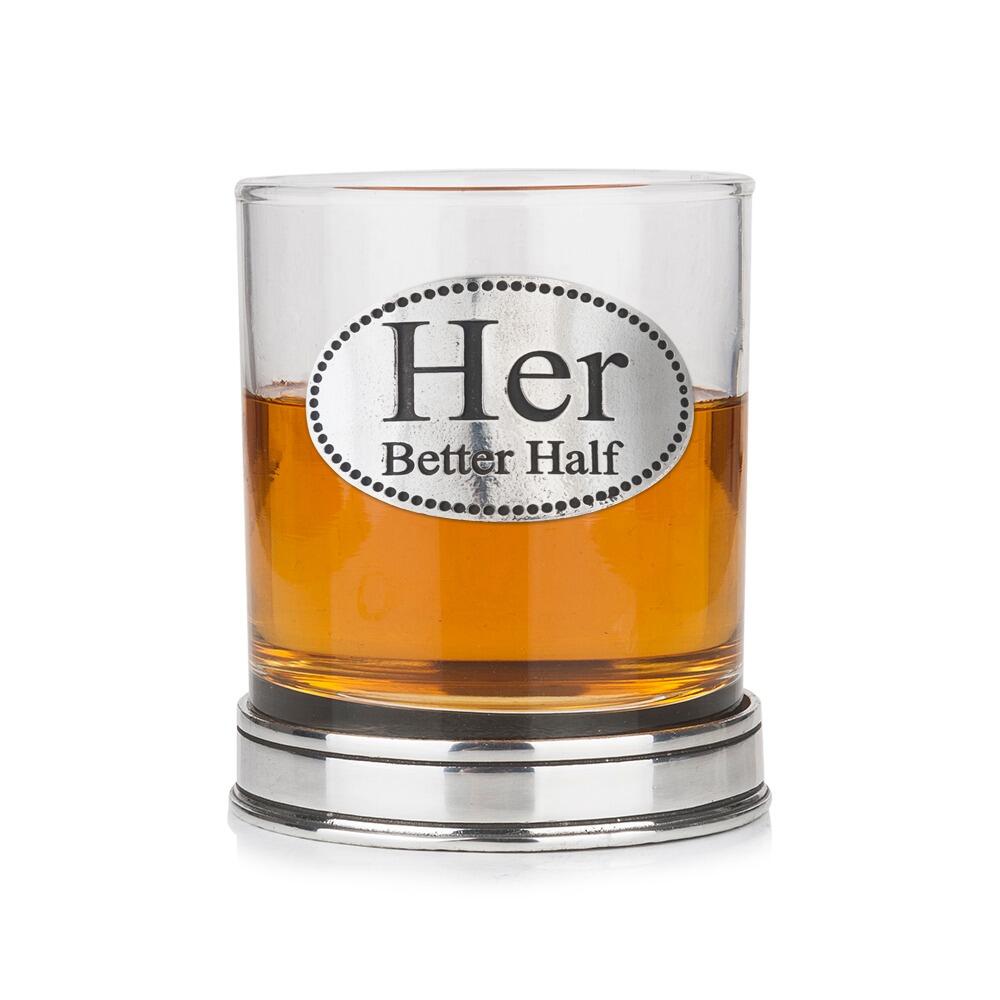
Some customers prefer pieces that move easily between display and use, such as pewter-based whisky tumblers or tasting glasses. Others want items that are largely decorative but still built in lead-free alloys for safety and regulatory peace of mind. In both cases, the general maintenance rules remain the same, with small adjustments: higher-use items prioritise handling and washing, while mostly decorative pieces emphasise dusting and storage.
Budget and Longevity Considerations
Lead-free pewter gifts in our range span accessible prices for limited ornaments through to more substantial items like hip flasks. All are designed with longevity in mind, but heavier-use items often incorporate extra material and detailing in stress points. Choosing the right piece for the recipient's lifestyle, and sharing simple care advice with the gift, helps ensure the item is still appreciated and functional many years later.
Conclusion
Maintaining lead-free pewter for longevity is a combination of material choice, thoughtful design, and straightforward care. Modern tin-rich, lead-free alloys provide a strong base, and when we pair them with handwashing, careful drying, and sensible storage, pewter tankards, goblets, hip flasks, brooches, mirrors, and ornaments can truly become lifetime keepsakes. From everyday drinkware to seasonal decorations, the principles stay consistent: avoid harsh chemicals and abrasion, control moisture, and protect surfaces from needless contact. When you invest in well-crafted lead-free pewter and follow these practices, you safeguard both the beauty of each piece and the safety of those who use it, creating objects that can be enjoyed across generations.