
Pewter Care 101: How to Clean and Polish Pewter Drinkware Like a Pro (Without Ruining the Finish)
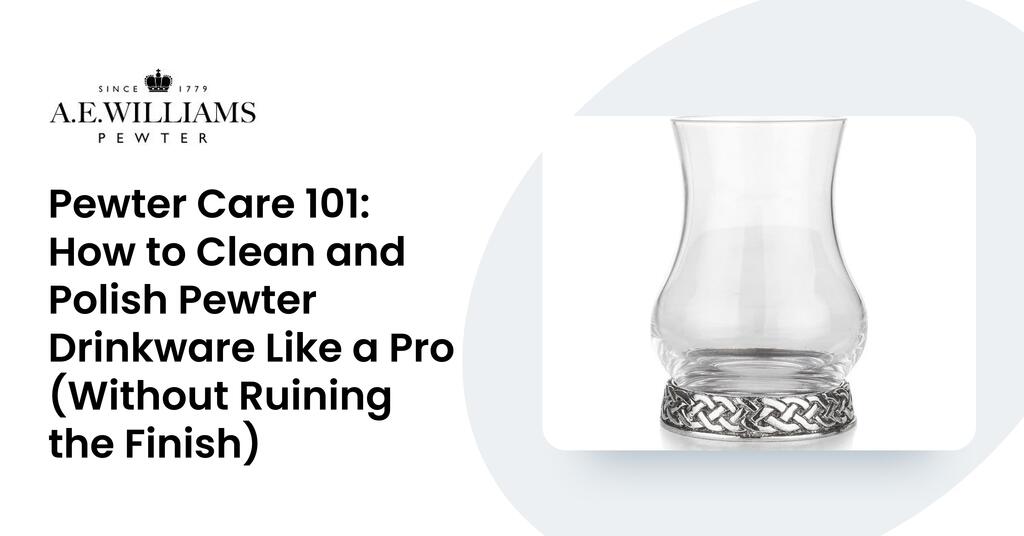
Pewter drinkware has a distinctive, soft sheen that makes tankards, goblets, tumblers, and hip flasks stand out on any table or bar. Yet many owners are unsure how to care for it properly—especially because pewter does not tarnish like silver and instead develops a gentle patina over time, which changes how you should approach cleaning versus polishing. This guide walks you through professional techniques to clean, polish, and protect pewter drinkware so it stays beautiful and safe to use for years. Whether you own a single personalised tankard or a full collection of pewter goblets and whisky tumblers, you will learn exactly what to do—and what to avoid—every time you wash or shine them.
Key Takeaways
| Question | Key Answer (with Useful Links) |
|---|---|
| 1. What is the safest way to clean pewter drinkware daily? | Always wash pewter by hand in lukewarm, mildly soapy water and dry it immediately with a soft cloth. For example, this applies equally to simple tankards and more decorative ranges like pewter tankards. |
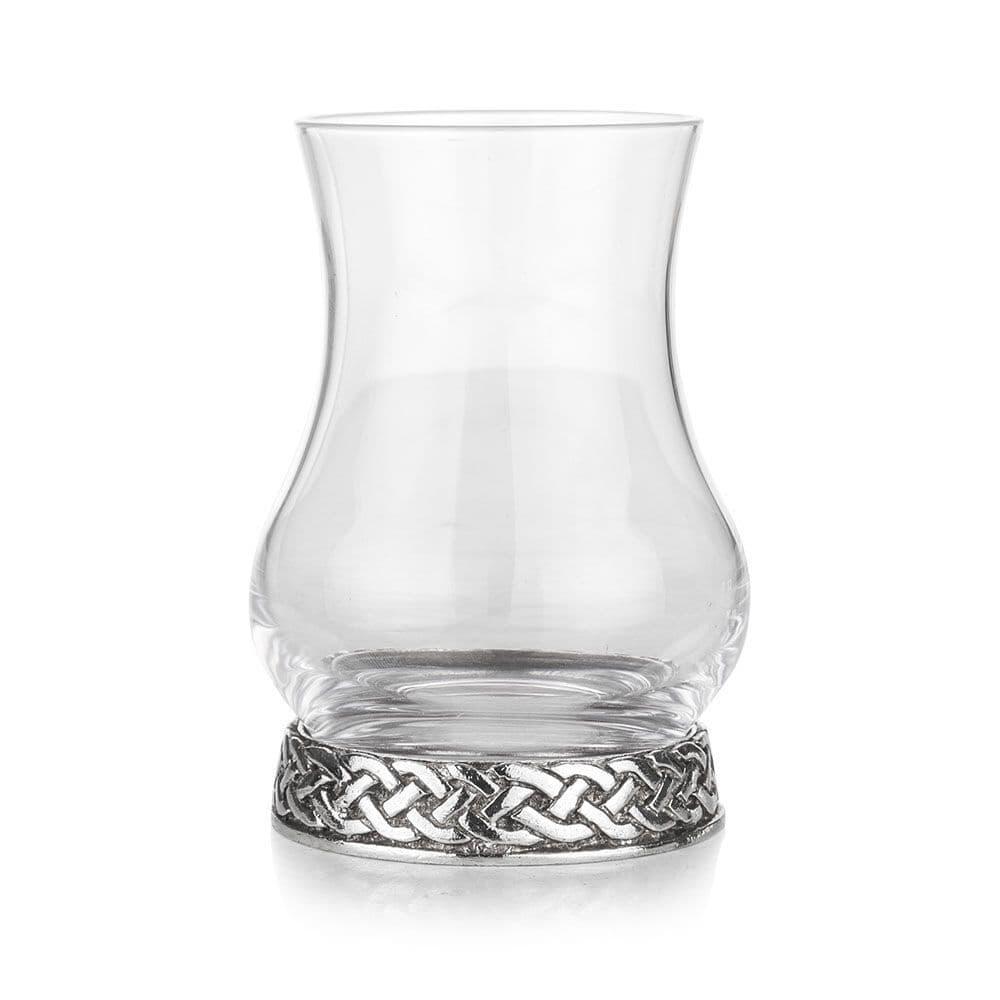
| 2. Can I put pewter tankards and tumblers in the dishwasher? | No—dishwashers can damage pewter finishes through high heat and aggressive detergents. This is especially important for mixed-material pieces such as whisky tumblers with pewter badges. |
| 3. How do I polish pewter without scratching it? | Use a soft, lint-free cloth and a polish formulated specifically for pewter. Avoid abrasive creams or pads. This applies to both traditional goblets and modern glass-and-pewter flasks like those in the glass and pewter hip flasks collection. |
| 4. Should I remove patina from older pewter pieces? | Often, no. Many collectors value the patina, and heavy polishing can reduce that character and, in some cases, the perceived value. A subtle clean is better for heritage-style pieces from makers such as AE Williams. |
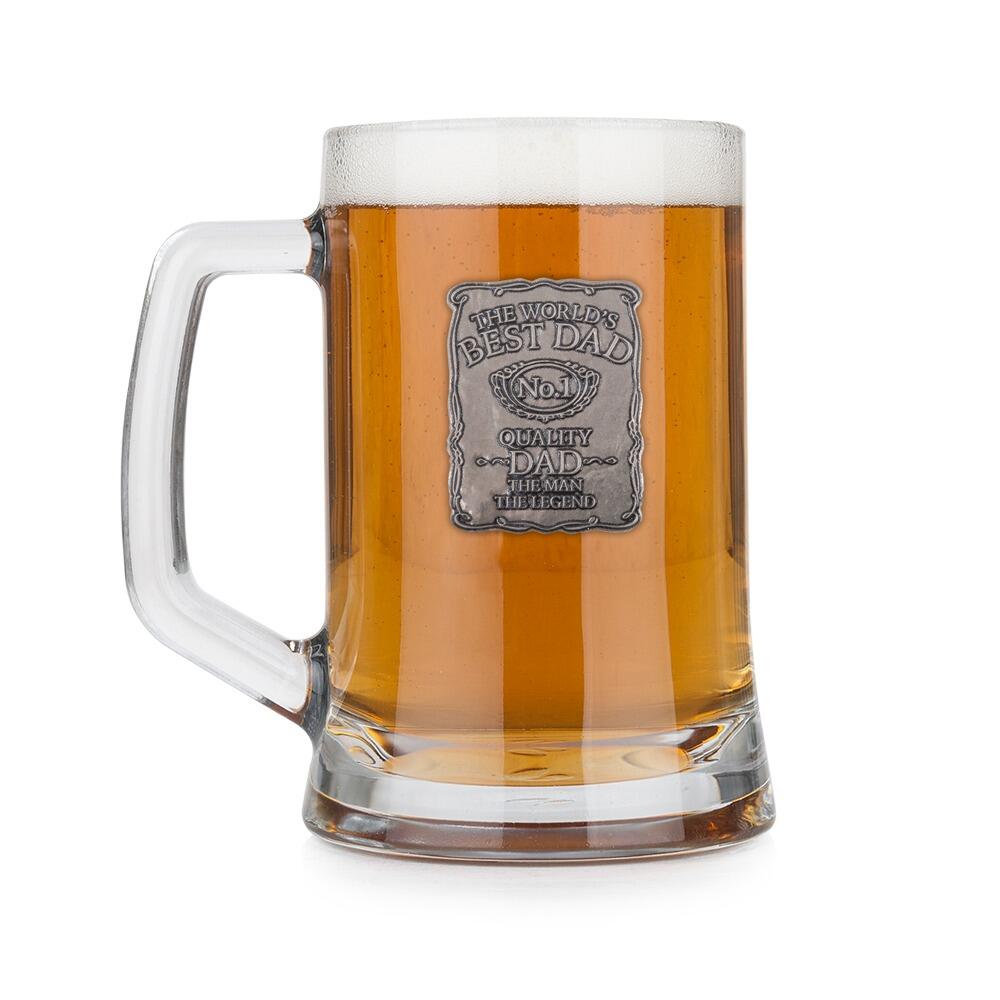
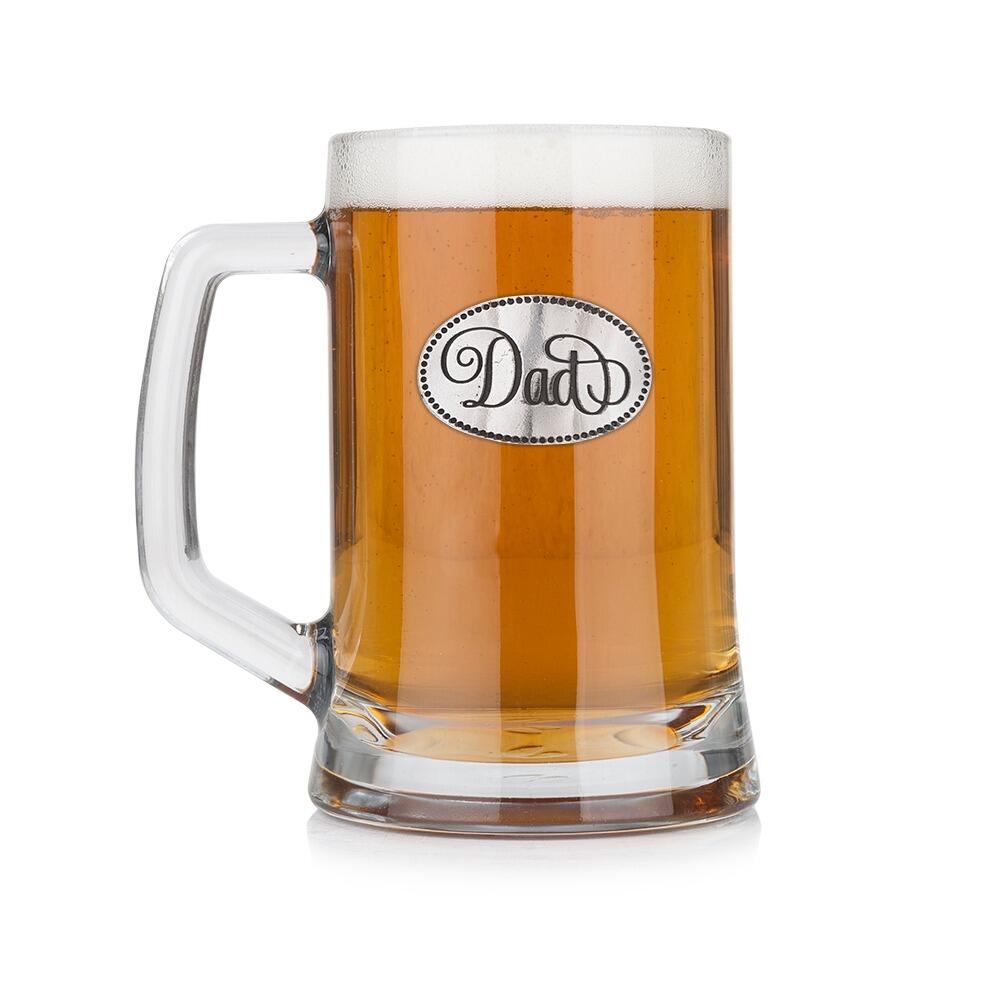
| 5. Is pewter drinkware safe to drink from? | Modern pewter used in reputable drinkware is lead‑free and safe for beverages. This includes contemporary designs such as a pewter Dad beer tankard. |
| 6. How should I store my pewter drinkware between uses? | Store in a cool, dry place away from direct sunlight and humidity. This helps preserve the finish on everything from pewter goblets to personalised glasses. |
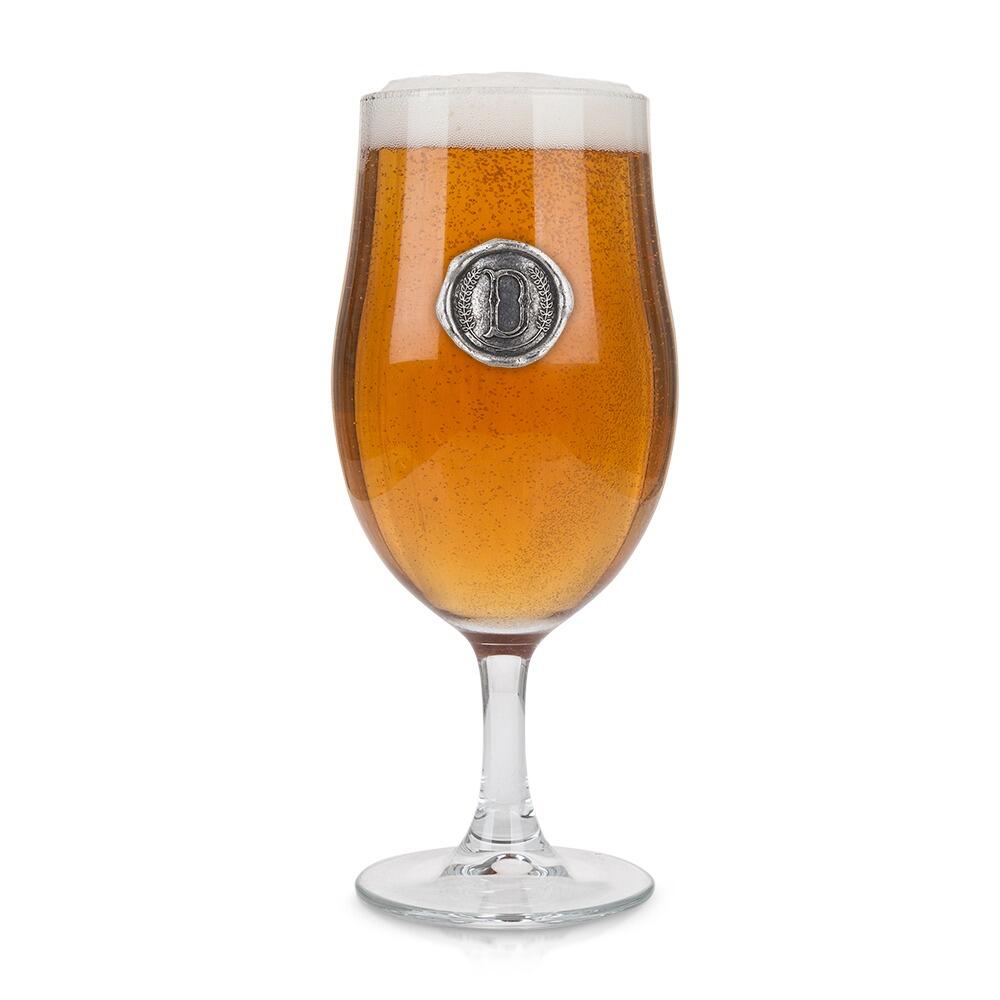
| 7. What about pieces that mix glass and pewter? | Hand-wash gently, then pat dry both the glass and pewter surfaces. This is essential for combination designs like a personalised stemmed pint glass with pewter monogram. |
Understanding Pewter Drinkware: Material, Patina, and Safety
Pewter is a soft metal alloy, now typically made from tin with small amounts of copper and antimony—importantly, without lead in modern food-safe pieces. For drinkware, that means tankards, tumblers, goblets, and hip flasks are designed to be safe for regular use with both hot and cold beverages. Unlike silver, pewter does not heavily tarnish; instead, it develops a soft grey patina over time. This patina is often desirable and part of the metal's charm, so cleaning is usually about hygiene and gentle brightening rather than restoring a mirror-like shine every time.
Modern Pewter in Everyday Drinkware
Collections like traditional pewter tankards, whisky tumblers with pewter badges, and mixed glass-and-pewter hip flasks are all made to be both decorative and functional. Understanding the metal's softness is key: pewter can scratch if you use abrasive pads or harsh cleaners. Because of that, professional care focuses on mild soap, soft cloths, and pewter-safe polishes, plus sensible storage to slow surface wear.
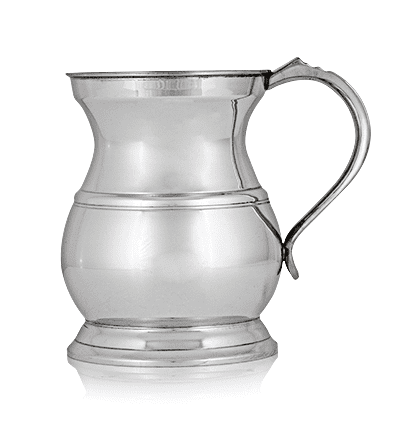
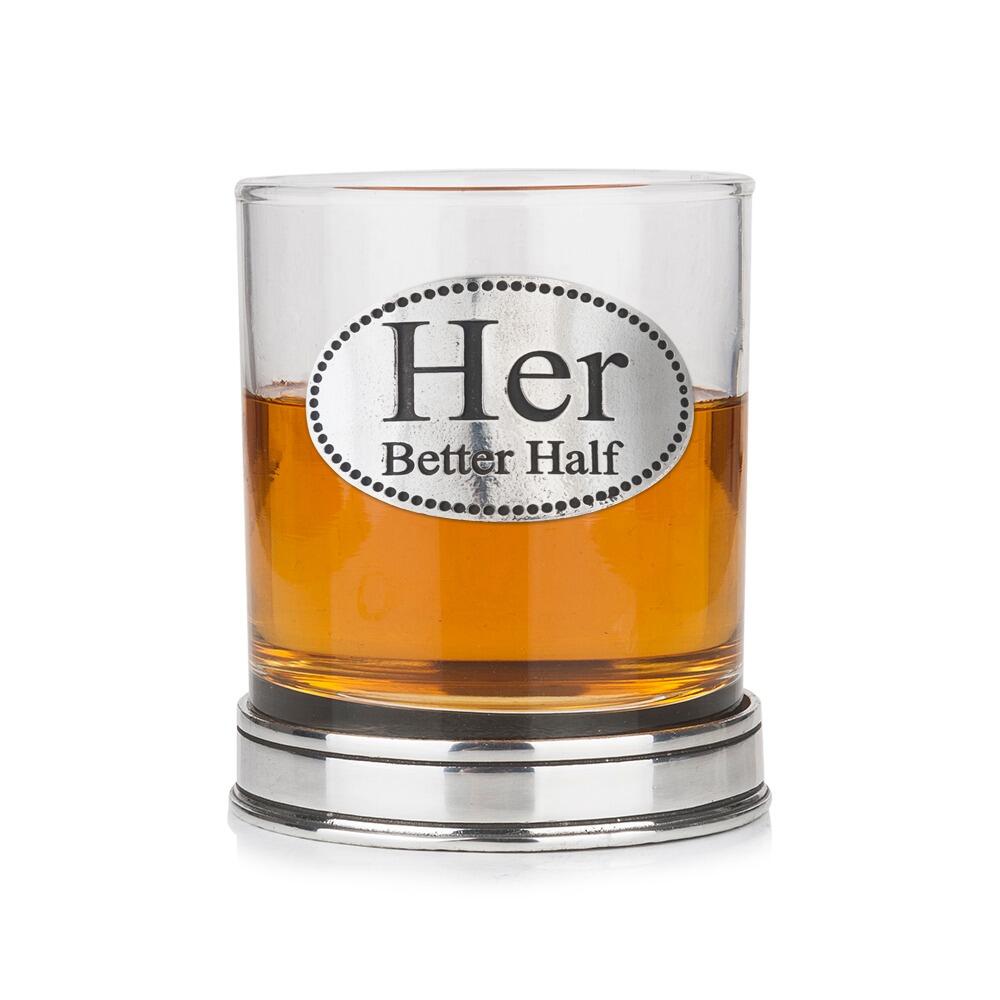
Daily Cleaning Routine: Hand-Washing Pewter Like a Professional
For everyday use, the best way to clean pewter drinkware is simple and consistent: hand-wash promptly after use. Pewter should be cleaned by hand with lukewarm soapy water and dried promptly after use; dishwashers can damage the finish. This routine removes residues such as beer, wine, spirits, and mixers before they can mark the surface. Use a mild dish soap in warm, not hot, water and a soft sponge or cloth. Avoid scouring pads, steel wool, and stiff brushes, which can leave scratches on the soft metal.
Step-by-Step: Basic Hand Wash
- Fill a basin with lukewarm water and a small amount of mild dish soap.
- Immerse the pewter drinkware and gently wipe with a soft cloth or sponge.
- Rinse thoroughly with clean lukewarm water to remove all soap.
- Dry immediately with a lint-free cloth to prevent water spots.
This method works for classic designs, from engraved hip flasks to contemporary beer glasses with pewter badges.

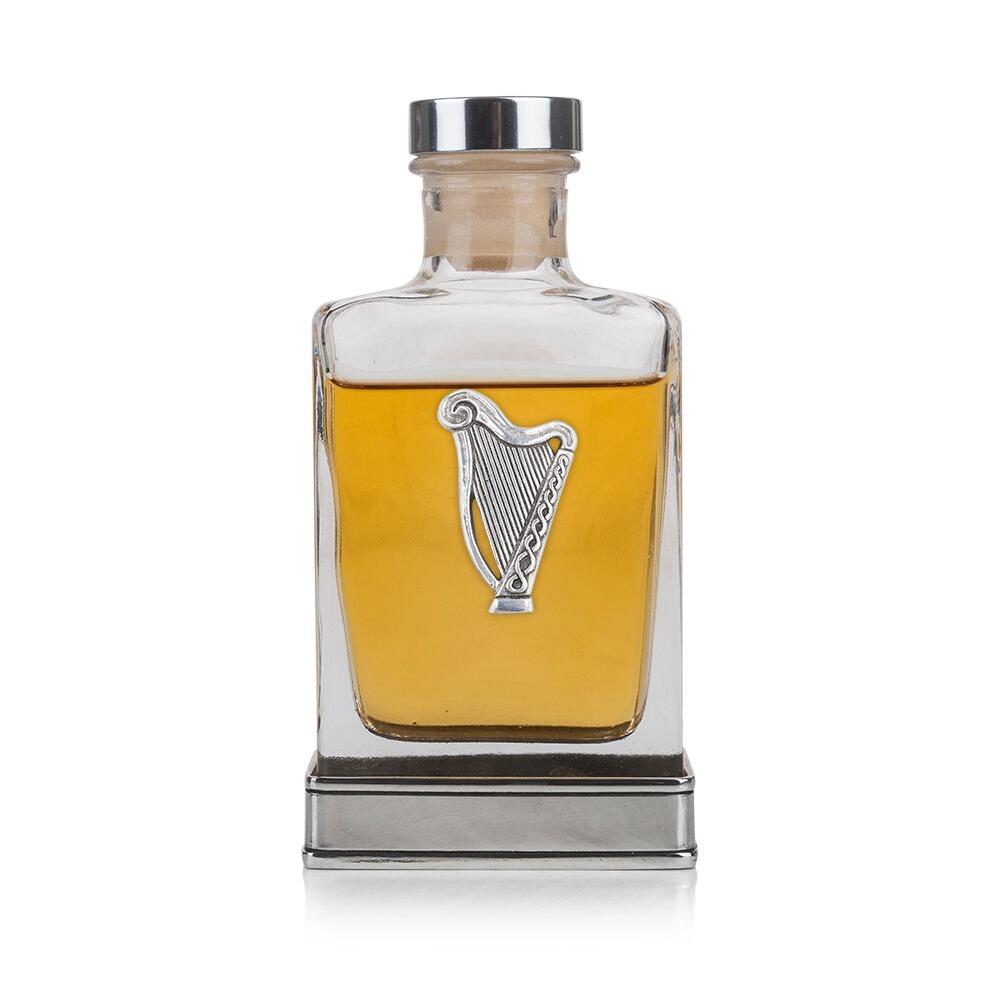
Why You Should Never Put Pewter in the Dishwasher
Dishwashers combine high heat, strong detergents, and sometimes aggressive water jets—none of which are ideal for pewter. Never put pewter in a dishwasher; detergents and high heat can damage the finish by causing dulling, pitting, or spotting over time. Pewter's relatively low melting point compared with other metals means repeated exposure to very hot cycles is risky. Mixed-material pieces—glass bowls with pewter stems or bases—are particularly vulnerable because thermal expansion differs between the materials.
Protecting Mixed Glass-and-Pewter Designs
When pewter is combined with glass or crystal, you must consider both materials in your cleaning routine. Hot water or harsh detergents that are safe for some glassware can still harm pewter elements. Instead, treat the piece as if it were entirely pewter: hand-wash, mild soap, and immediate drying.
Professional Polishing: When and How to Restore Pewter Shine
Not every pewter piece needs polishing. Because pewter does not tarnish like silver, many owners reserve polishing for special occasions or when a piece begins to look dull or spotted. Always use a polish that is specifically designed for pewter when aiming to restore shine. General metal polishes or abrasive creams can scratch or chemically react with pewter, leaving streaks, uneven gloss, or permanent marks.
Polishing Technique for a Soft, Even Sheen
- Clean the piece first using the hand-wash method and dry completely.
- Apply a small amount of pewter-specific polish to a soft, lint-free cloth.
- Work in small sections, rubbing gently in circular motions along the grain of the metal if visible.
- Buff with a clean cloth to remove residue and bring up a soft sheen.
For drinkware with engraved badges or detailed decoration, use a light touch around raised areas to avoid polish buildup.
Patina vs. High Shine: How Much Polishing Is Too Much?
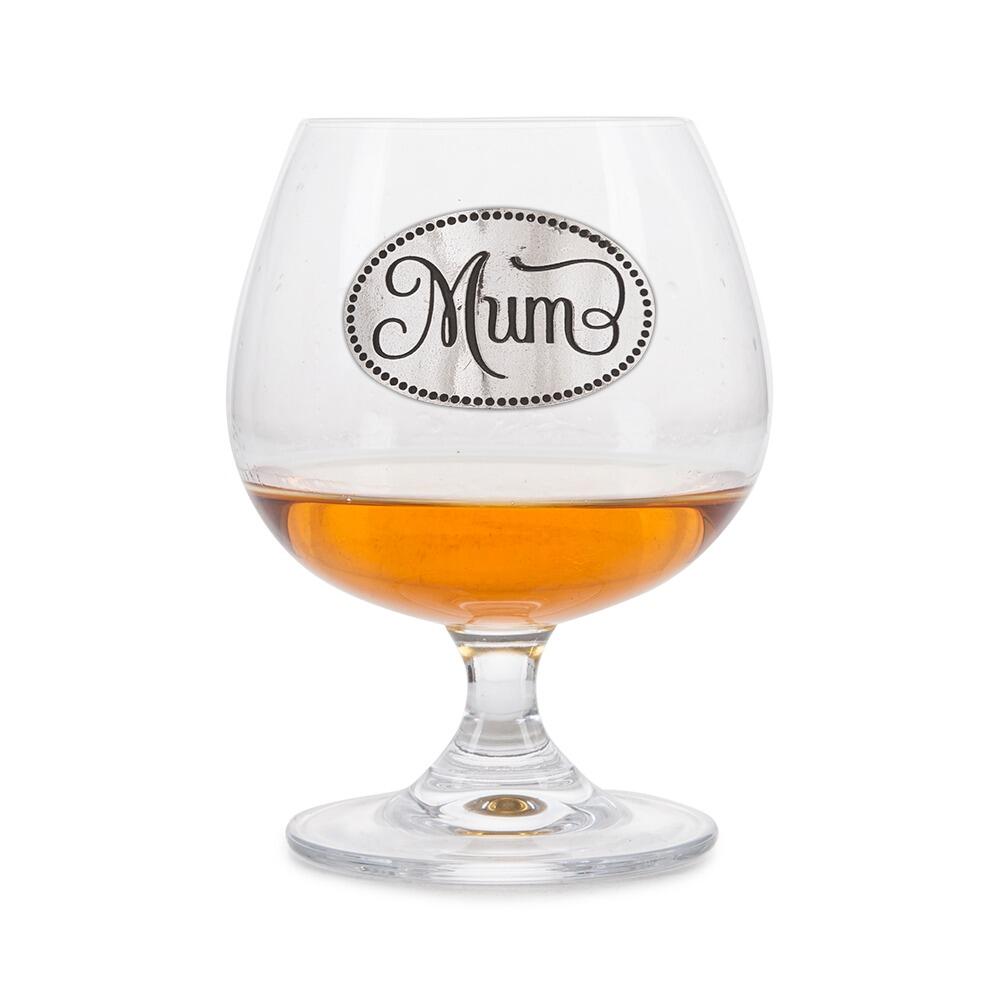
Many pewter enthusiasts appreciate the soft, aged patina that builds up over years of use. Many pewter collectors prefer a patina finish, and heavy polishing can reduce the piece's value in their eyes. If your drinkware includes older or heritage-style pieces, consider a conservative approach. For modern, gift-style items—such as labelled tankards or personalised glasses—a brighter finish may be more suitable, and occasional polishing is unlikely to be an issue.
Deciding on a Finish for Your Collection
Ask yourself how each piece is used and what look you prefer:
- Daily-use tankards and tumblers: Light cleaning, rare polishing, and acceptance of gentle patina.
- Display pieces or presentation gifts: Occasional careful polishing for a brighter, gift-ready appearance.
- Heirloom or vintage pewter: Preserve patina; focus on careful cleaning and possibly a neutral wax for protection.
When in doubt, polish less aggressively and observe how the surface responds before continuing.
Caring for Different Types of Pewter Drinkware
Not all pewter drinkware is shaped—or used—the same way. Tankards, tumblers, goblets, and hip flasks each benefit from slightly different handling, even if the cleaning fundamentals stay consistent. Understanding these nuances keeps you from accidentally damaging more intricate shapes or mixed materials.
Tankards, Tumblers, and Goblets
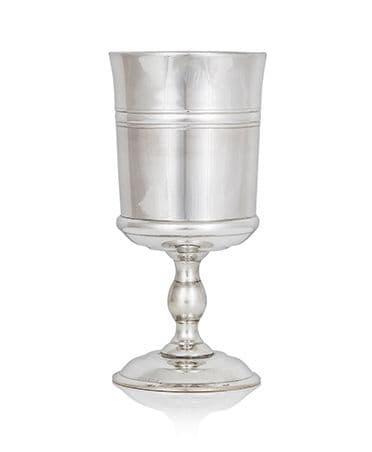
Tankards and tumblers with pewter badges or labels should be washed and dried with particular attention to the junction between the badge and the glass or metal body, where residue can collect. Goblets with pewter stems and bowls benefit from being dried from the base upwards, so water does not sit at the join for long periods. Avoid stacking heavy pewter items directly on top of each other; instead, separate them with a soft cloth if storage space is limited.
Hip Flasks and Lidded Pieces
For hip flasks, rinse the interior with warm water after use and allow it to air-dry open before closing the cap. Avoid strong detergents inside, as residues can affect the taste of spirits. The exterior should be wiped with a soft cloth, using pewter-safe polish only if needed to restore shine.

Handling Mixed Materials: Pewter with Glass, Crystal, and Wood
Many modern pieces combine pewter with glass, crystal, or even wood to create distinctive designs. When pewter is combined with glass or ceramic, avoid the dishwasher and promptly pat dry the glass surface after use. Different materials react differently to heat, detergents, and moisture, so the safest approach is to follow the strictest care requirement—usually pewter's. For glass-and-pewter drinkware, never soak for long periods. Extended immersion can weaken adhesives or encourage moisture into joints or around badges.
Special Care for Wooden Elements
Some pewter items include wooden handles, stoppers, or decorative sections. For pewter pieces with wood components, wipe dry after use and apply 2–3 drops of vegetable oil to the wood occasionally to maintain longevity. Never leave wooden parts submerged, and avoid aggressive detergents that strip natural oils.
Storage and Long-Term Protection for Pewter Drinkware
Even perfectly cleaned and polished pewter can dull prematurely if stored poorly. Humidity, direct sunlight, and abrasive contact with other items can all affect the metal's surface over time. Store pewter objects in a cool, dry place away from direct sunlight to help preserve finish and reduce the risk of discolouration or warping. For valuable or sentimental drinkware, consider keeping it in a lined cabinet or on shelves where pieces do not knock against each other.
Using Neutral Wax on Older Pewter
For antique or heavily patinated pewter, you can apply a neutral microcrystalline or beeswax-based wax to help protect against oxidation. Neutral wax polish can help protect older, patinated pewter from oxidation without dramatically changing its colour. Apply sparingly with a soft cloth, allow it to haze, then buff gently.
Common Mistakes to Avoid When Cleaning Pewter Drinkware
Several routine habits can quietly damage pewter, even when intentions are good. Avoid harsh or abrasive cleaners; use products formulated for pewter or mild cleaners to protect soft pewter surfaces. Bleach, ammonia, and strong oven-style cleaners should never come near drinkware. Similarly, avoid leaving acidic drinks—wine, citrus-based cocktails, or vinegar-containing liquids—in pewter for long periods, particularly in older or decorative pieces, as this may stain or etch the surface.
Checklist of Practices to Avoid
- Putting pewter drinkware in the dishwasher.
- Using scouring pads, steel wool, or abrasive powders.
- Soaking mixed glass-and-pewter items for long periods.
- Storing pewter in damp areas such as near open windows or dishwashers.
- Over-polishing heirloom items where patina is valued.
Keeping to these guidelines dramatically extends the life and visual appeal of your collection.
Real-World Example: Caring for Personalised Pewter-Label Drinkware
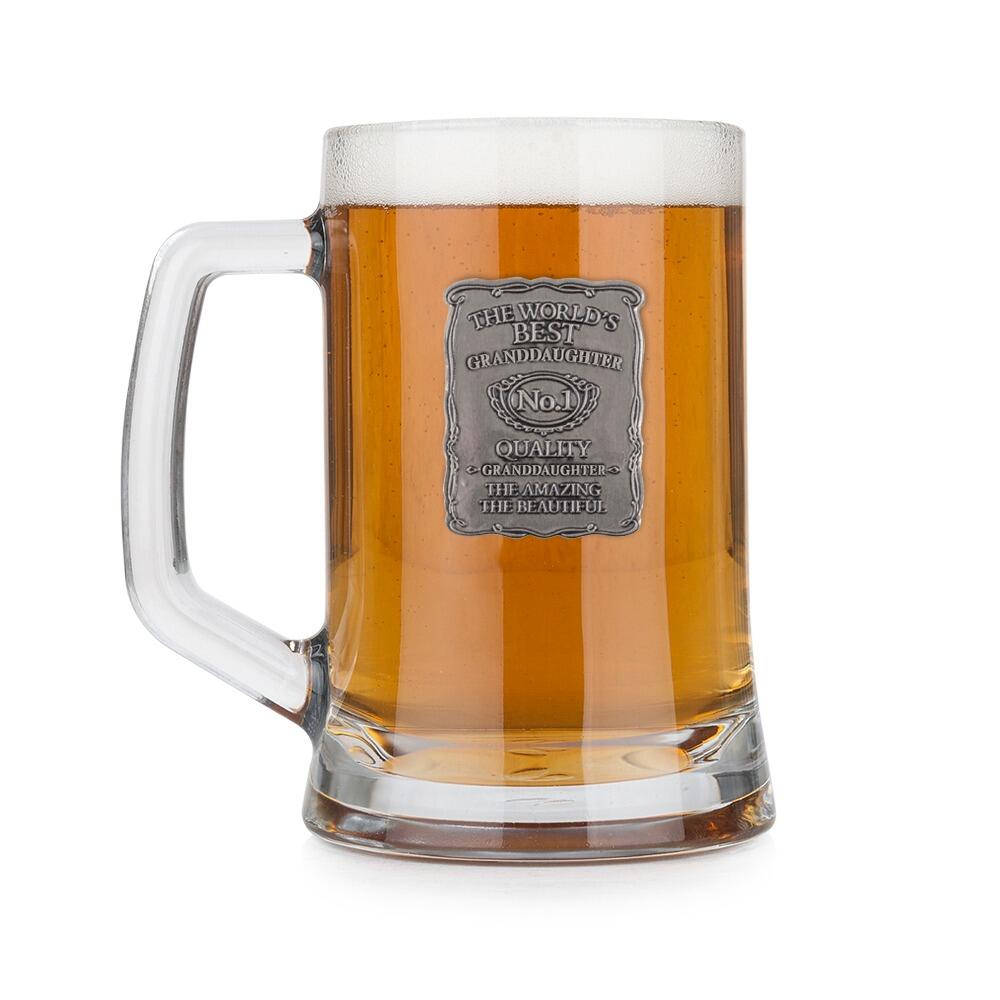
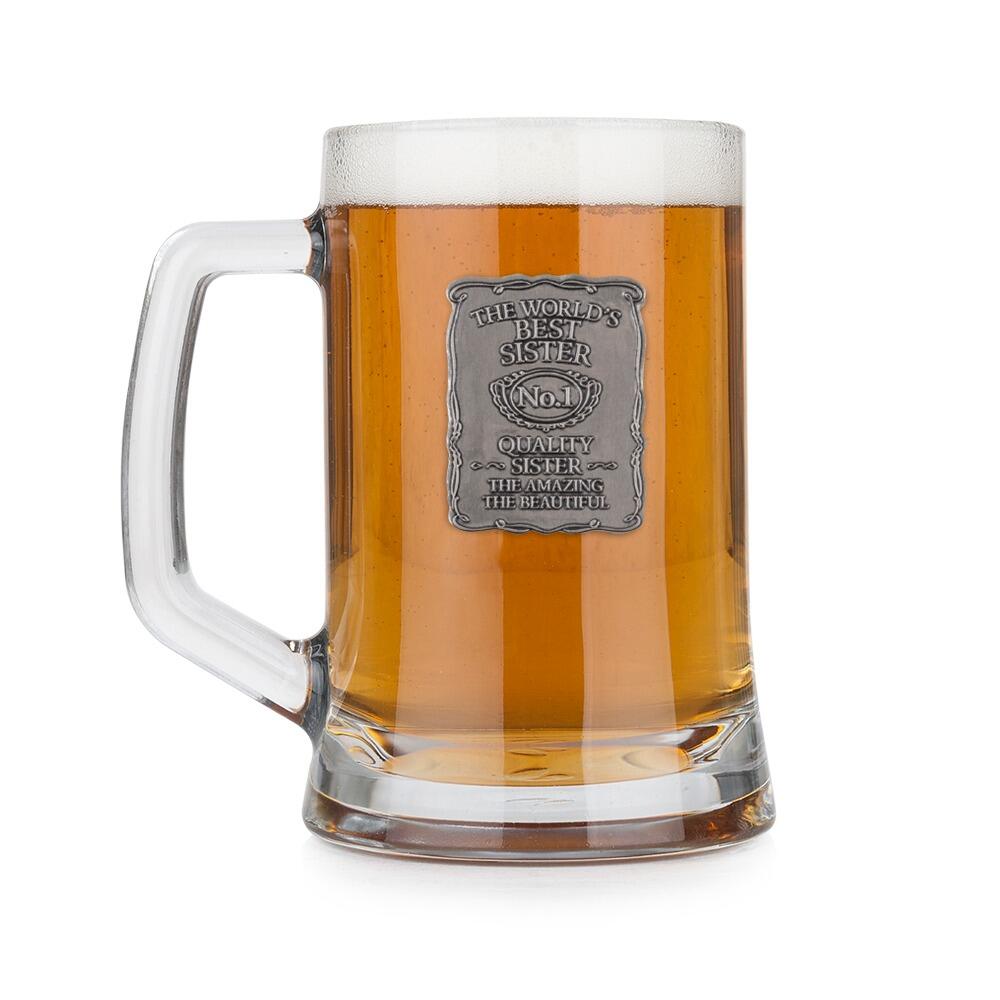
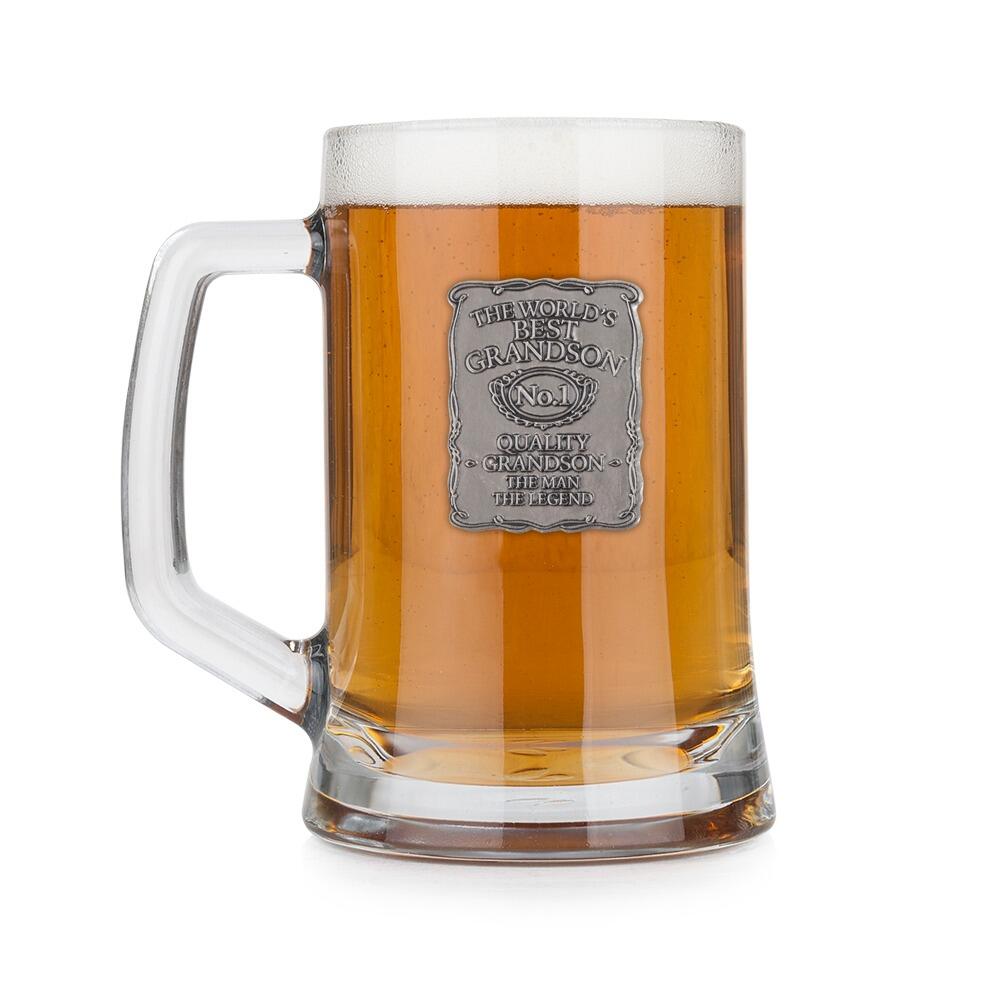
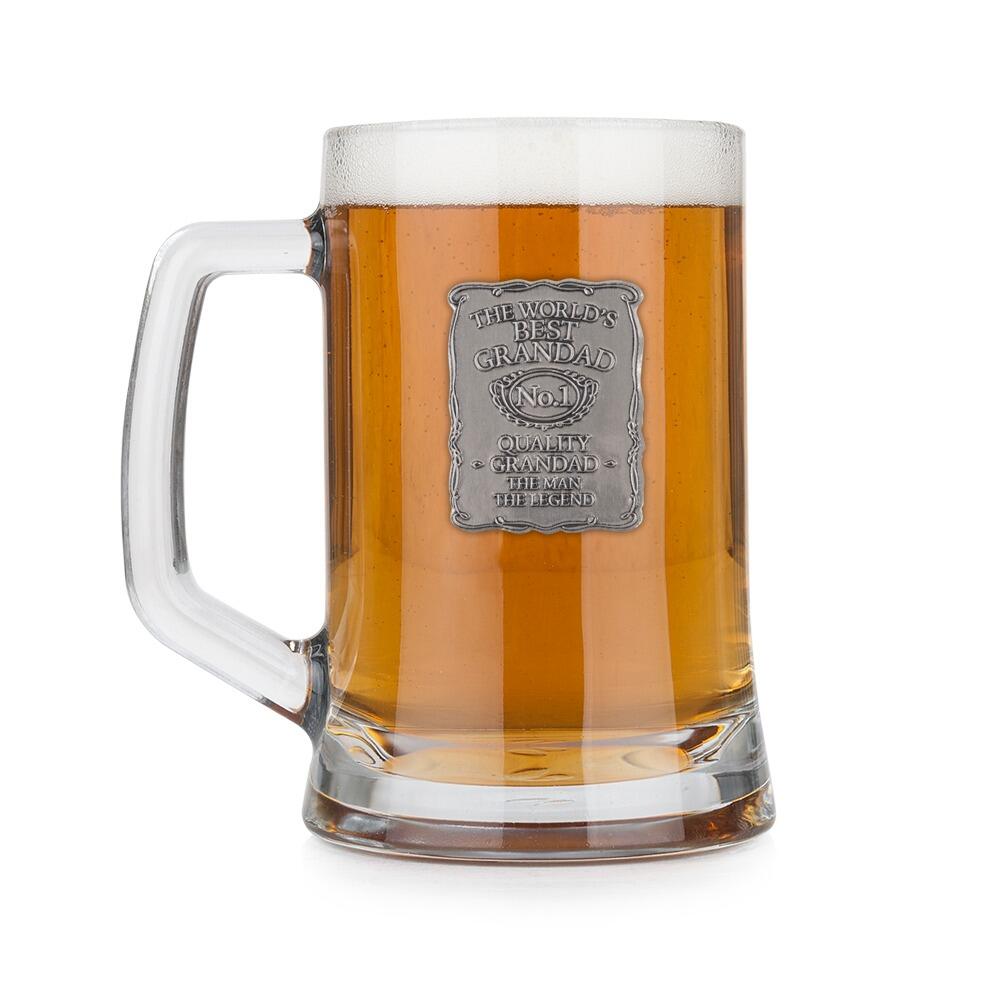
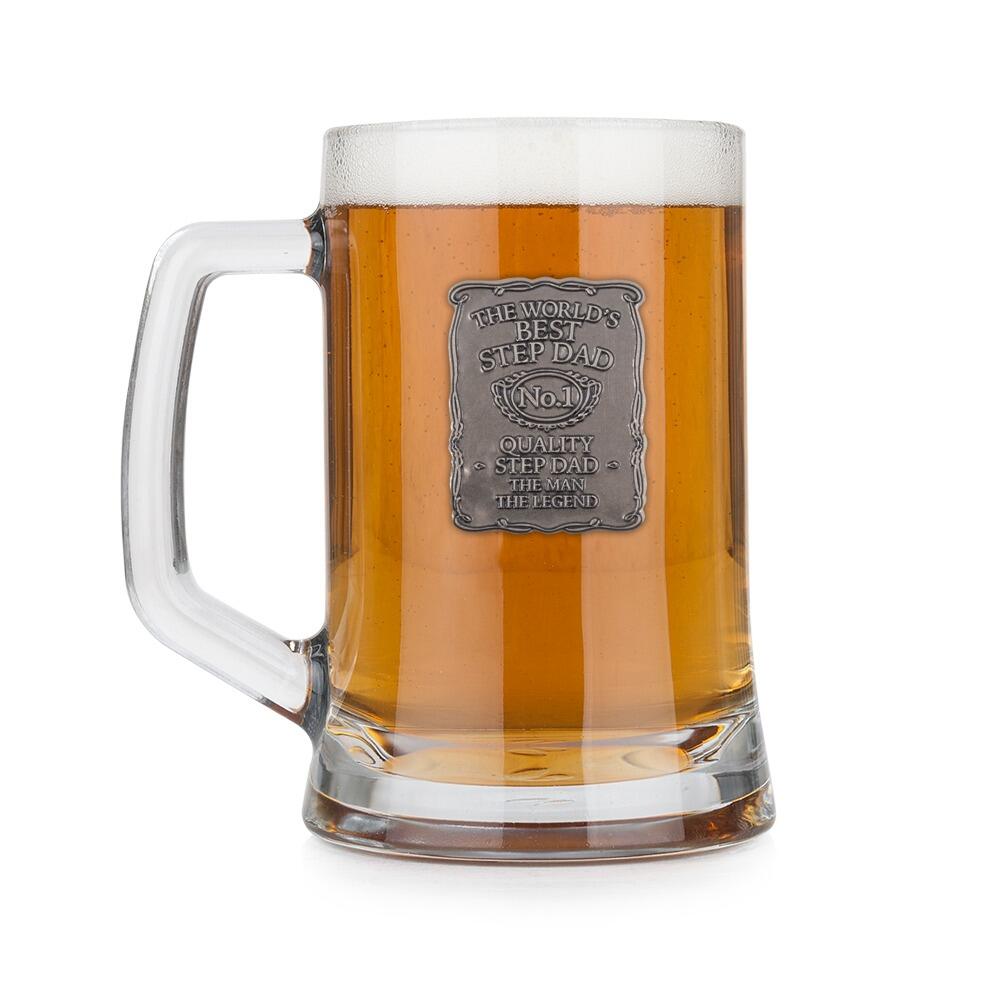
Personalised tankards and glasses with pewter labels or badges are increasingly popular as gifts. For instance, "The World's Best" pint tankard range with pewter labels features designs for Dad, Sister, Grandad, and more. These pieces combine practical drinkware with sentimental engraving, so it makes sense to keep both glass and pewter elements in good condition. Treat the glass body like any high-quality drinking vessel—hand-wash, no extreme temperature changes—and treat the pewter label as you would any pewter badge: gentle wiping, no abrasive scrubbing, and pewter-safe polish only if it starts to look flat or marked.
Care Expectations Across Pewter Drinkware
Below is an example of how care expectations align with typical item types:
| Item Type | Care Priority |
|---|---|
| Gift tankard with pewter label | Frequent hand-washing; occasional polishing for bright look. |
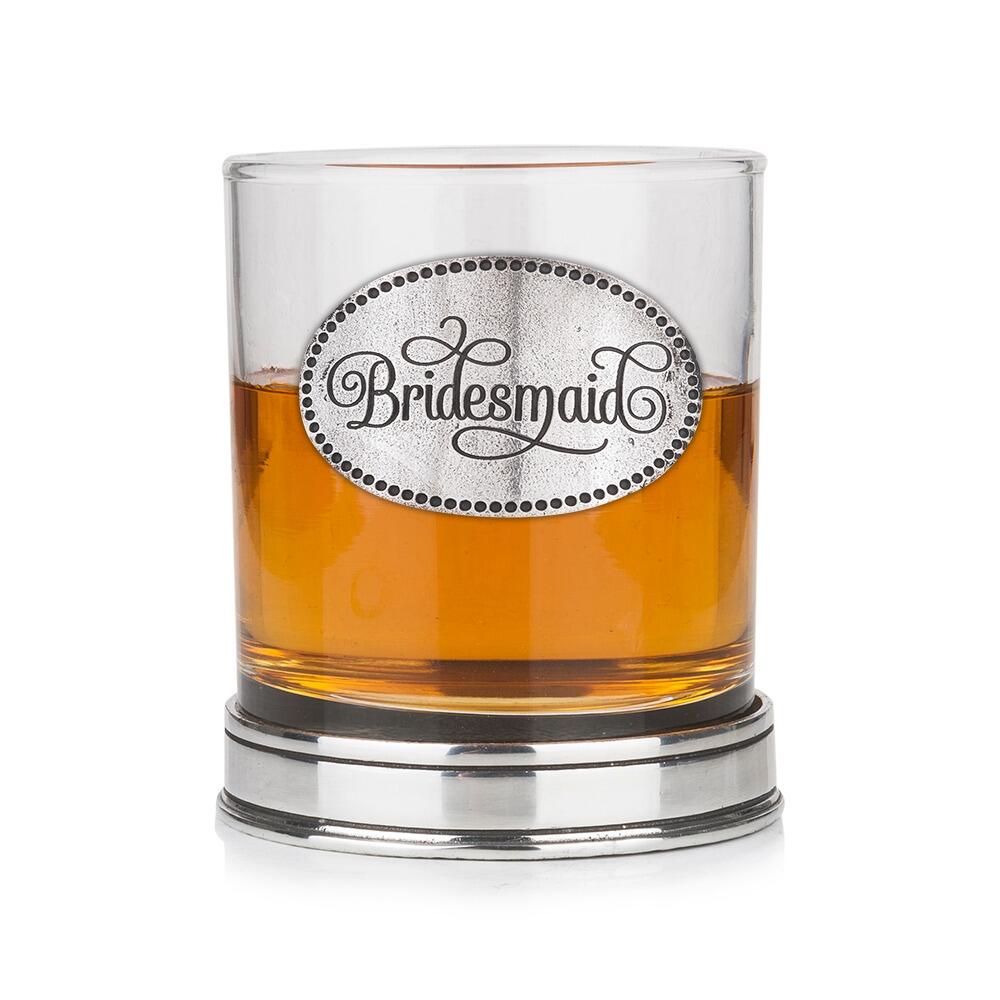
| Bridesmaid whisky tumbler with pewter badge | Protect badge edges; avoid stacking; gentle drying. |
| Luxury pewter hip flask | Careful interior rinsing; avoid strong soaps; exterior polish as needed. |
Proper maintenance protects not just appearance, but also the long-term value of each piece.
Conclusion
Cleaning and polishing pewter drinkware like a professional is less about complicated techniques and more about consistent, gentle care. Pewter's unique nature—it does not tarnish like silver and develops a patina instead—means that hand-washing with mild soap, avoiding dishwashers, and choosing pewter-specific polishes are the most important habits. By understanding how to handle tankards, goblets, tumblers, and hip flasks, and by avoiding common mistakes such as abrasive cleaners or excessive heat, you can maintain both the function and the character of your drinkware. Whether your collection is a set of modern personalised tankards or a group of heritage-style pieces, these guidelines will help ensure every pour looks as good as it tastes.