
Restore Faded Pewter Finishes Safely: Expert Tips To Bring Back The Soft Satin Sheen

Pewter has quietly returned to favour in recent years, with interest in pewter finishes surging by around 500% in late 2024 and early 2025 compared with the previous year. As more people rediscover pewter tankards, goblets, glassware and ornaments, we are asked the same question time and again: how do you restore a faded pewter finish safely, without stripping away its character. In this guide we draw on centuries of British pewtersmithing to help you clean, revive and protect your pewter pieces with confidence at home.
Key Takeaways
| Question | Concise Answer |
|---|---|
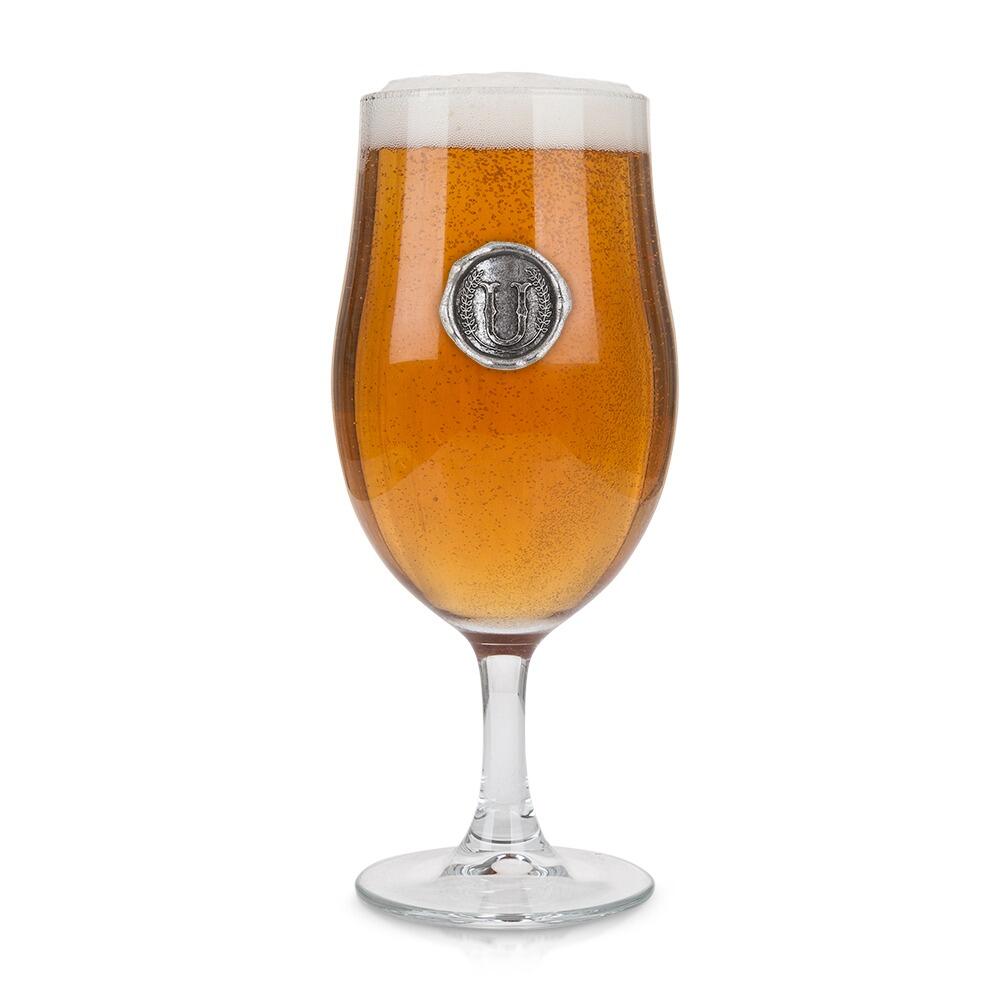
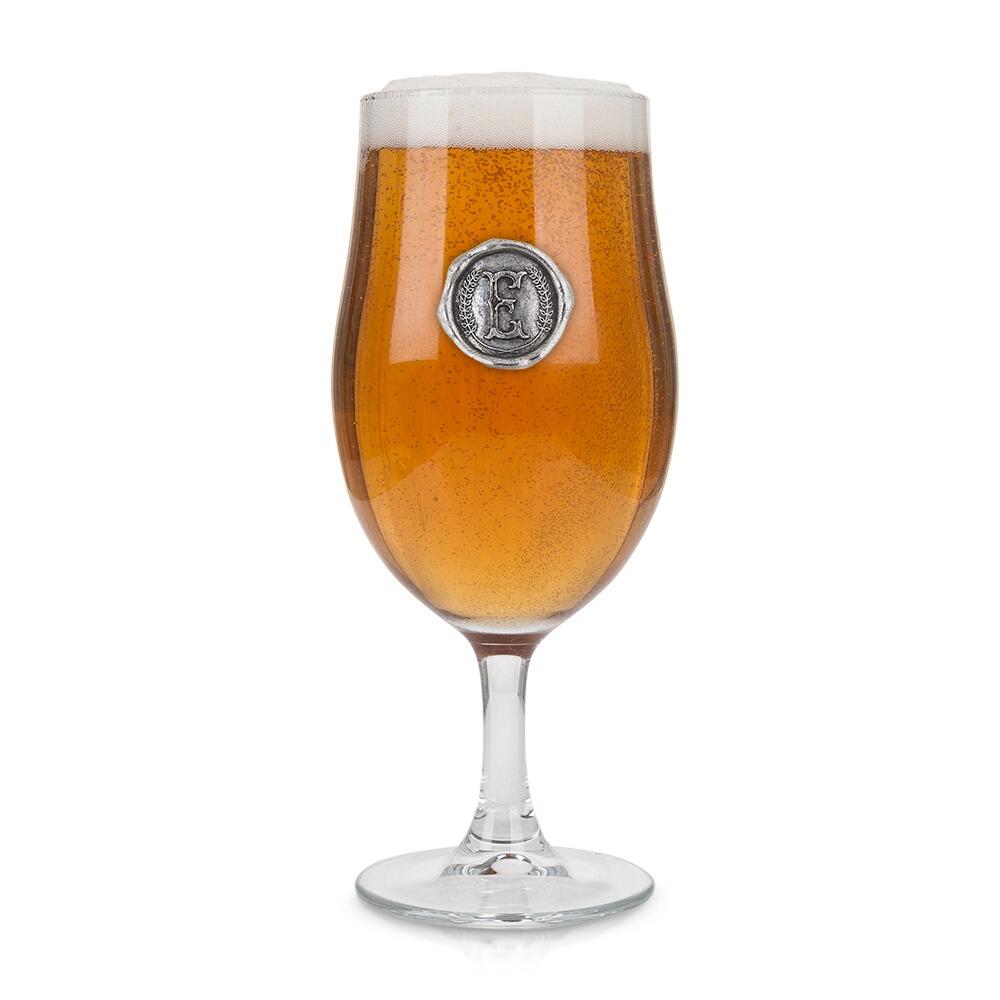
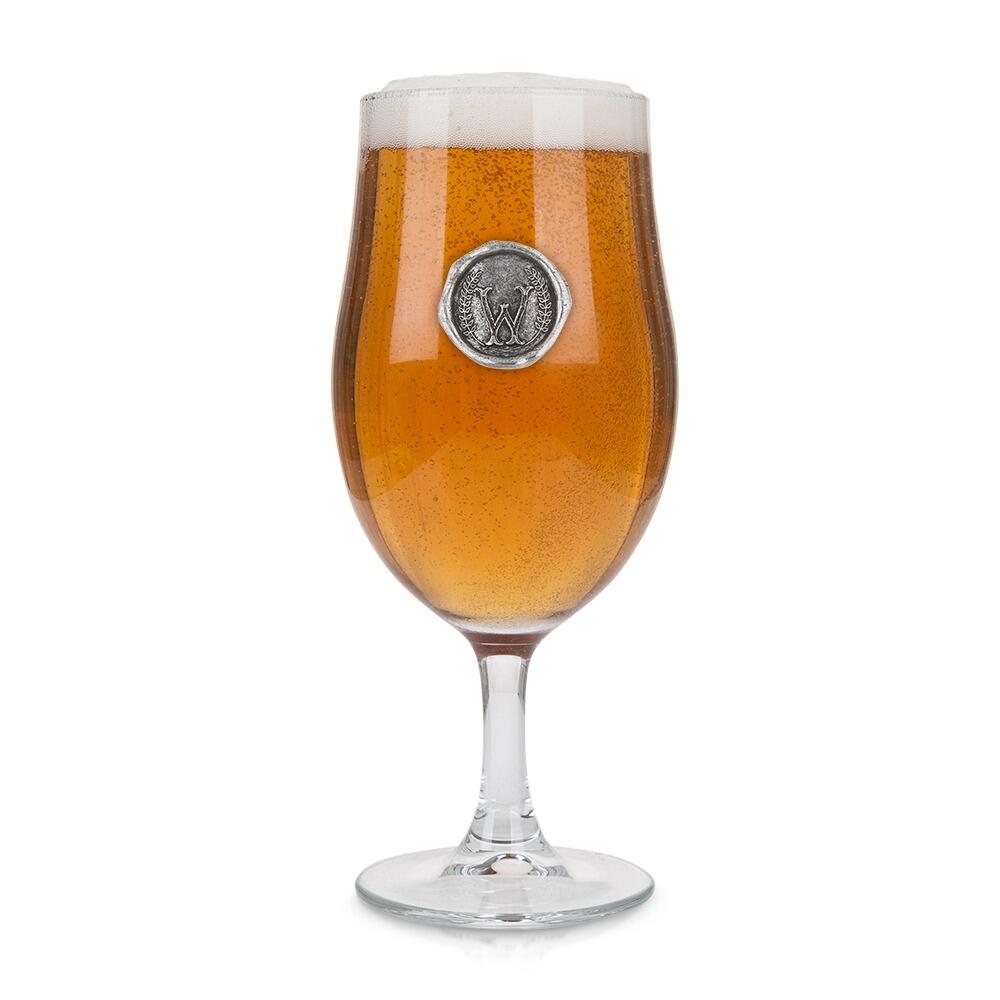
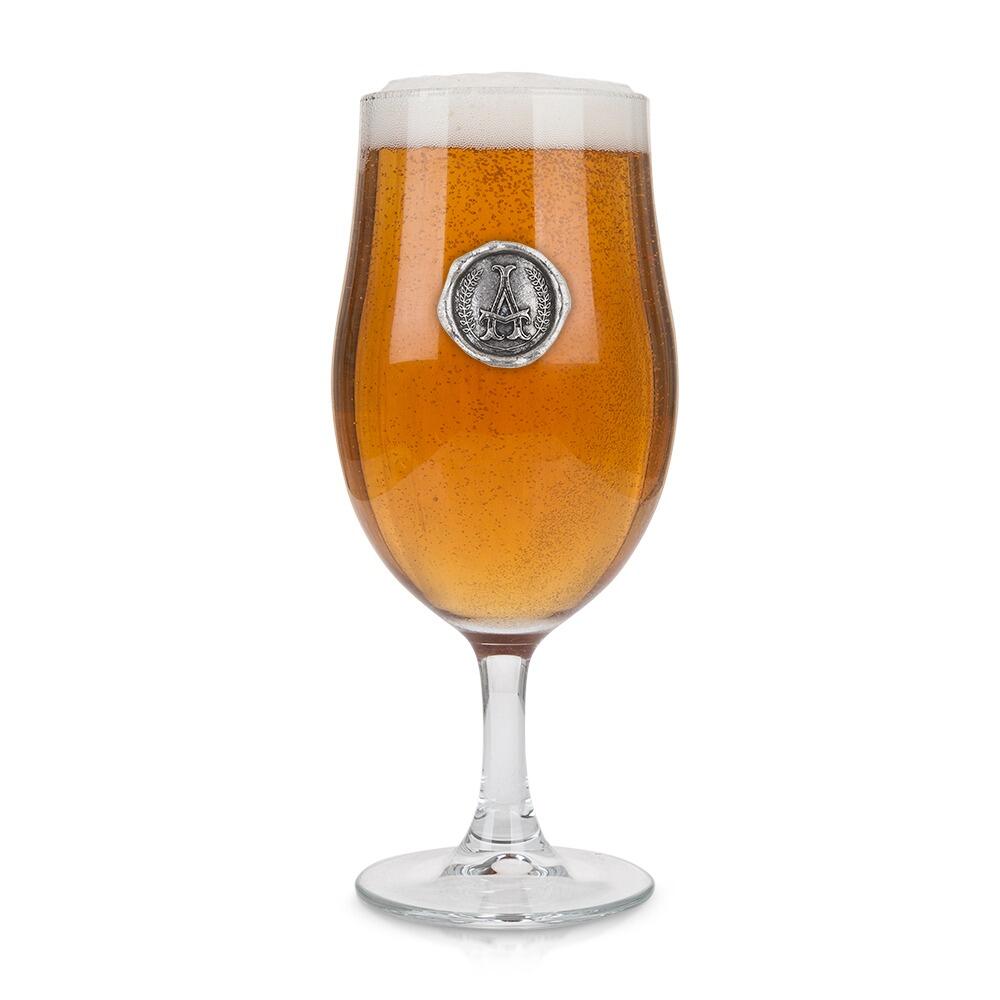
| How can I safely clean modern pewter glassware and badges? | Use mild soap, warm water and a soft cloth, then dry thoroughly. For example, our personalised stemmed pint beer glass with pewter monogram is best maintained with gentle handwashing only. |
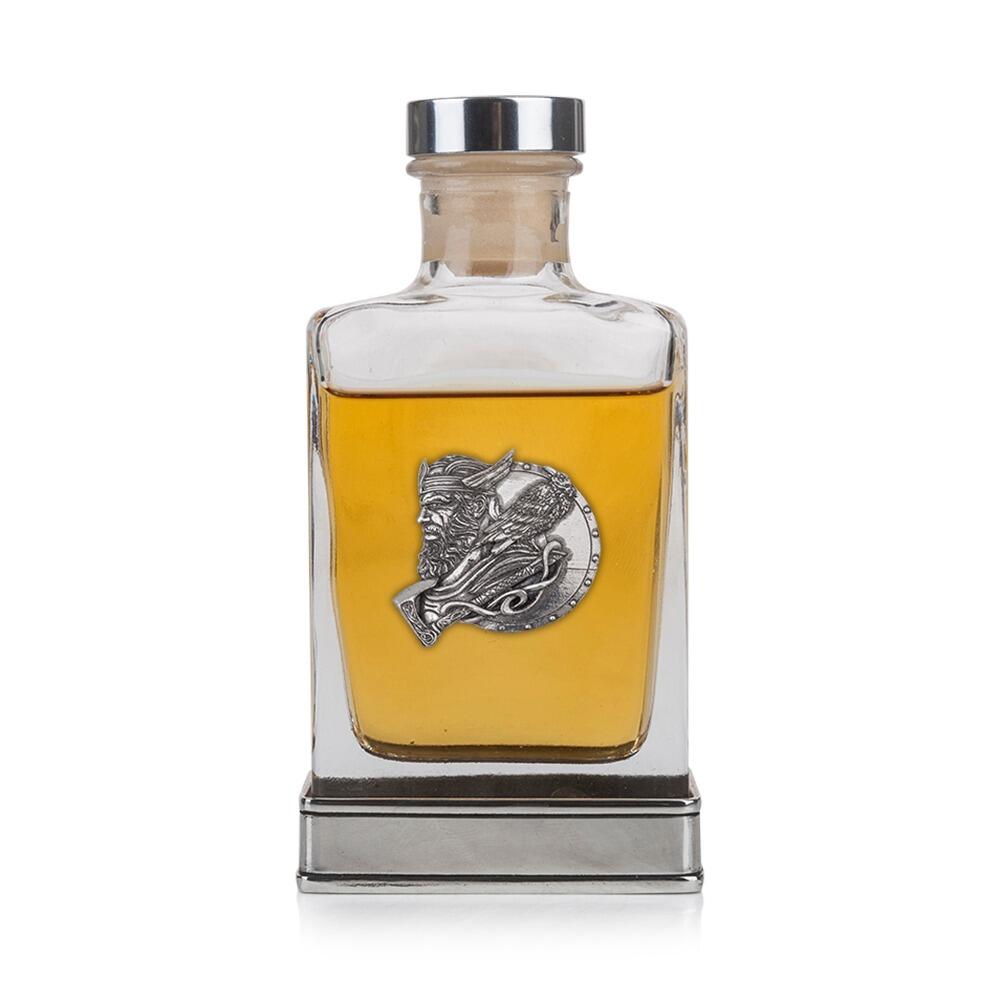
| Can I restore pewter that looks dull or greyed? | Yes, light fading usually responds to careful washing and non‑abrasive polishing, particularly on decorative badges such as the Viking emblem on our handcrafted Viking glass & pewter hip flask. |
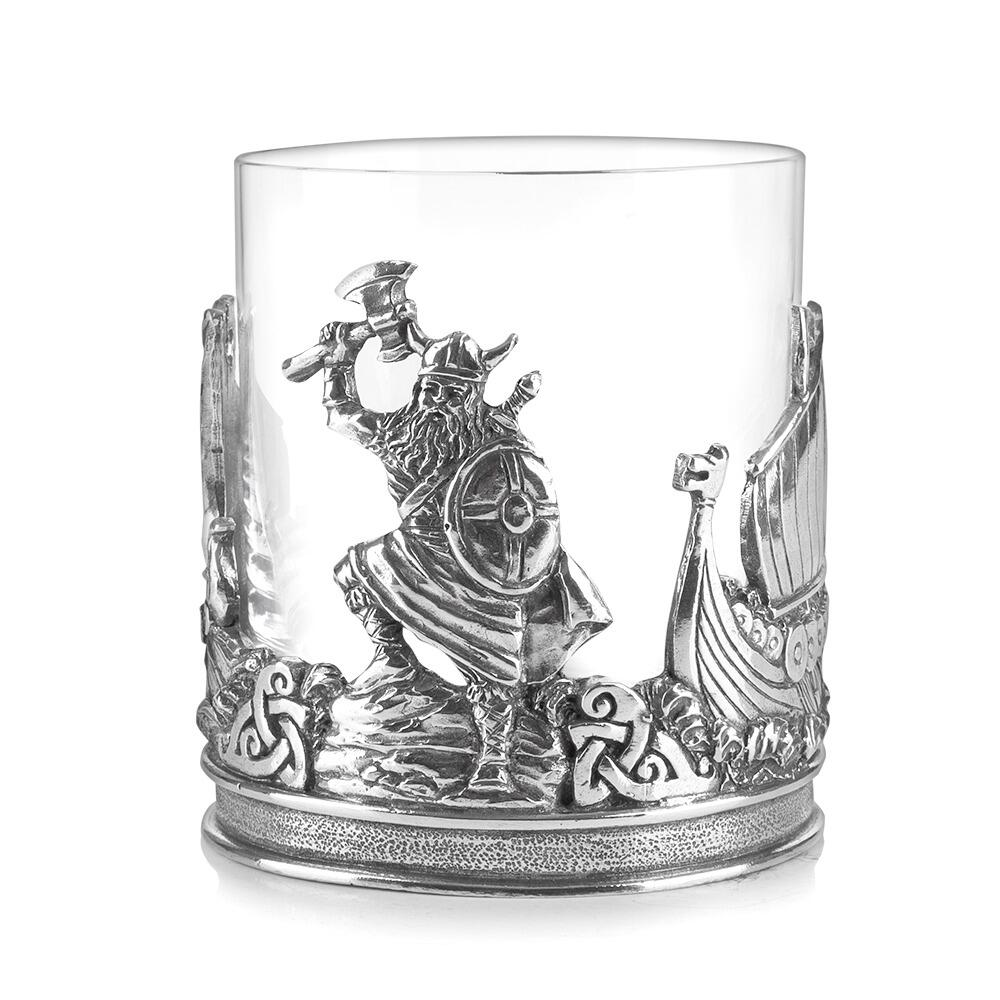
| Is modern pewter safe to drink from after restoration? | Modern pewter is lead‑free and widely regarded as food safe when properly cared for. Handcrafted pieces like our Viking whisky tumbler are designed for regular use and gentle cleaning. |
| How should I care for pewter ornaments with fine detail? | Dust regularly with a soft brush and avoid aggressive polishes. Limited pieces such as the 2025 limited edition Santa down the chimney ornament benefit from light handling and protective storage. |
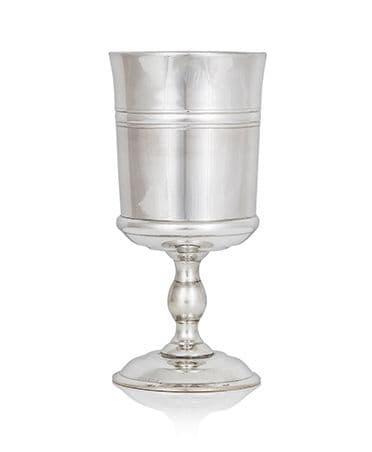
| How do I keep the satin look on pewter goblets and tankards? | Wash by hand, dry immediately and avoid harsh scourers. Our traditional pewter goblets retain their soft sheen for many years with simple, regular care. |
| Can I polish heraldic or monogram badges on glassware separately? | Yes, you can focus on the pewter badge with a cotton bud and mild cleaner, being careful around glass. This suits intricate pieces like the rampant lion pewter wine glass. |
Understanding Pewter Finishes And Why They Fade
Pewter is traditionally a tin‑based alloy with a soft, naturally satin sheen. Typical modern pewter contains around 91% tin, with smaller amounts of antimony and copper, which gives strength without making the metal brittle. When we finish a piece, we usually leave a soft lustre rather than a high mirror polish, as this suits both historic reproductions and contemporary designs. Over time, handling, dust, kitchen grease and gentle oxidation can make pewter look tired or flat. On glass and crystal pieces, such as monogrammed beer glasses and whisky tumblers, the contrast between bright glass and dulled pewter badges can be especially noticeable. The good news is that in most cases this is a surface issue and responds well to sensitive cleaning rather than drastic refinishing.

Safety First: Modern Versus Antique Pewter
When we talk about restoring pewter finishes safely, we have two priorities, the safety of the person doing the work and the integrity of the piece. Modern pewter, such as that used on our current glassware and ornaments, is lead‑free and made to British Standards for food contact. It is entirely suitable for everyday use when washed correctly. Older antique pewter can sometimes contain lead, particularly items produced before the 1970s. For these, it is sensible to avoid acidic cleaners and strong abrasives until you understand the age and likely composition. If in doubt, treat the item more as a display piece, then seek specialist advice for any heavy restoration work.
Gentle Cleaning: The First Step To Restoring Faded Pewter
In our workshop, every restoration begins with the simplest method that might work. For faded pewter, that usually means warm water, a mild washing‑up liquid and a soft cloth or sponge. This removes skin oils, fingerprints and airborne contaminants that can make pewter look dull long before the finish itself is compromised. Avoid dishwashers, scouring pads and aggressive powdered cleansers, which can scratch the surface. After washing, always dry pewter thoroughly with a lint‑free cloth to prevent water spotting and streaks. This routine alone often revives the appearance of pewter badges on glasses, goblets and decanter collars.
Why we favour mild, non‑toxic cleaners
Many of our customers prefer to use eco‑conscious cleaning products, and we share that preference in our own workshop. Around 40% of shoppers now look for non‑toxic or chemical‑free cleaners for their homes, and pewter responds well to these milder formulations. Tin alloys do not require aggressive chemicals to stay presentable, so there is rarely a justification for harsh agents. If you do use a proprietary metal polish, choose one that is specifically labelled safe for pewter, and test it on a discreet area first. Work slowly and avoid rubbing one patch repeatedly, which can create bright spots that stand out from the rest of the satin finish.

Restoring Pewter Badges On Glassware And Tumblers
Many of our most loved pieces combine clear glass with detailed pewter badges or monograms. When these badges fade or become slightly tarnished, the whole glass can lose its sparkle. Fortunately, you can usually revive them at home without affecting the glass itself. Use a cotton bud or very soft toothbrush lightly dampened with warm soapy water to work around raised details. Support the glass from behind so you do not press too hard on the badge. Rinse carefully, keeping water away from any felt bases or presentation elements, then dry at once.
Examples from our collection
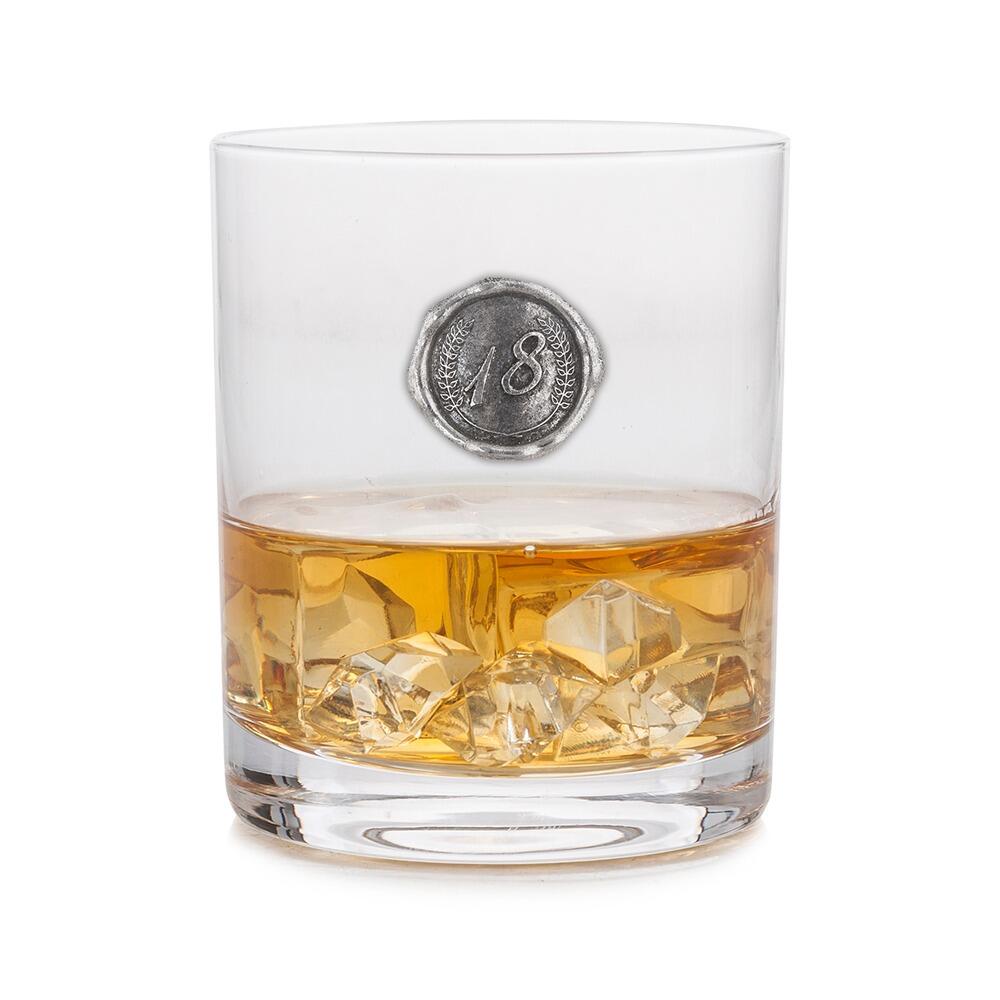
- Personalised whisky glass with pewter birthday number monogram seal offers a proud focal point for milestone celebrations, and its front badge responds very well to mild cleaning.
- Viking whisky tumbler features a detailed Viking emblem, which regains depth and contrast once dust and surface grime are removed from the crevices.
On all such pieces, avoid metal polishes that may leave residue on the surrounding glass. A clean microfibre cloth and patience usually give the most authentic result.
Caring For Pewter‑Finished Luxury: Decanters, Hip Flasks And Collars
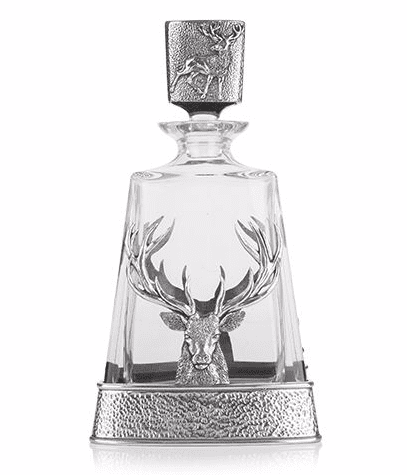
Pewter collars and badges on decanters and hip flasks add a distinctly traditional note to the bar. Because these items are handled and refilled frequently, their pewter components are exposed to fingerprints and spirit fumes that can gradually dull the finish. Regular light care helps prevent the need for more intensive restoration later. For example, our whisky decanter with stag motif benefits from being wiped with a soft dry cloth after each use. The handcrafted Viking glass & pewter hip flask can be treated similarly, with a little extra care taken around any engraved areas so you do not round off crisp lettering.
Engraved areas and inscriptions
Where a piece carries a personalised message or date, as with many of our hip flasks and presentation decanters, it is important not to polish too aggressively. Over time, heavy polishing can soften fine strokes in the lettering. Instead, clean gently along the direction of the engraving with a soft cloth, rather than across it. This helps maintain clarity, so the sentiment can be read as crisply in years to come as the day it was commissioned.
Preserving Detail On Heraldic And Decorative Pewter Badges
Heraldic badges, animals and crests rely on contrast between raised and recessed areas. When these surfaces are over‑polished, they can lose definition and look flat. Our approach is always to clean, not strip, and to preserve the original character of the casting. On pieces such as the rampant lion pewter wine glass or sport‑themed champagne flutes, start with dry dusting using a soft artists’ brush to lift loose particles. Only then move to slightly damp cotton buds around fine details. This way you avoid forcing dirt further into the crevices or scratching the metal.


Balancing patina and brightness
Pewter develops a subtle patina as it ages, and many collectors prefer this gentle softening to a factory‑fresh sheen. The goal of safe restoration is not to erase age, but to remove distracting marks such as fingerprints, water spots or patchy tarnish. Our heraldic and themed badges are designed with this in mind. Cleaned correctly, a rampant lion crest or football motif should look well‑kept but not harshly bright, maintaining the dignity and history that makes pewter so appealing.
Maintaining Sentimental Pewter Gifts: Family Monograms And Named Glasses
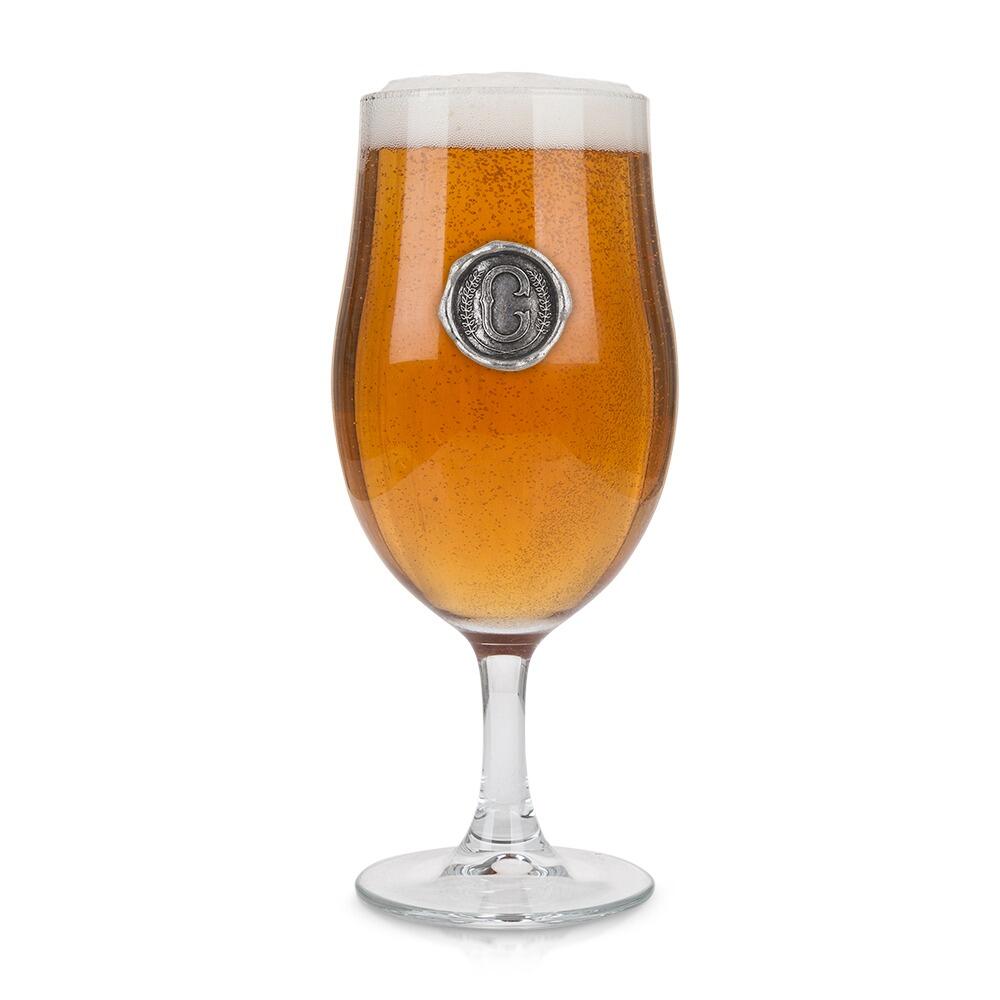
Many of our customers buy pewter‑finished glassware to mark family occasions, from birthdays to weddings and Mother’s Day. Items such as the personalised mum stemmed pint beer glass with pewter monogram or niece pewter wine glass become part of family celebrations, and with that use they naturally pick up fingerprints and minor marks. To restore these pieces safely, treat them more as cherished jewellery than ordinary glassware. Wash by hand, use plenty of clean water to rinse away any soap, then dry around the badge and engraving immediately. This helps keep the finish fresh for the next occasion without wearing away the personalisation.


Protecting inscriptions and seals
On birthday number monograms and similar seals, it is easy to overwork the raised numerals in an effort to bring them back to life. Instead, polish around them lightly, preserving the original sculpting. If you display such glasses between uses, consider placing them away from direct sunlight and heat sources. Excess heat can sometimes affect adhesives behind badges on very old pieces, and it can also accelerate discoloration on non‑pewter components such as ribbons or presentation elements.
Looking After Pewter Goblets And Tableware
Pewter goblets and tableware bring a sense of heritage to dining and ceremonial occasions. Our own goblets are handcrafted and finished by skilled artisans, then inspected carefully before leaving the workshop. To keep that finish for many years, a regular, gentle routine is all that is needed. Rinse goblets soon after use, especially if they have held acidic drinks such as wine. Handwash with mild detergent, then dry immediately inside and out. Stacking pewter items can cause abrasion, so we recommend storing goblets upright and separated, or using soft cloth between them if they must share a shelf.

Table of basic care tips for pewter goblets
| Do | Do Not |
|---|---|
| Handwash in warm, soapy water | Use dishwashers or boiling water |
| Dry immediately with a soft cloth | Leave to air dry with water spots |
| Store upright and separated | Nest or stack unprotected goblets |
Protecting Collectible Pewter Ornaments And Seasonal Pieces
Collectible ornaments often combine pewter with enamelling, ribbons or other delicate elements. Our 2025 limited edition Christmas ornament depicting Santa down the chimney is a good example, where both the metal and coloured details deserve careful handling. Restoration, in this context, usually means prevention and thoughtful storage. Dust ornaments gently with a soft brush instead of polishing them in the usual way. When not on display, keep them in their original protective pouch or a lined box away from extremes of humidity and temperature. This helps maintain both the pewter surface and any painted or enamelled accents.

Handling limited editions
With limited editions, over‑restoration can reduce both character and value. We encourage owners to do as little as possible beyond gentle cleaning and correct storage. If a piece has suffered noticeable damage or heavy tarnish, professional assessment is prudent. In our own practice, we record finishing techniques and materials for each new design. That way, if restoration is ever needed, we or a future craftsman can refer to the original approach and respect the maker’s intent.
When To Seek Professional Help With Pewter Restoration
While most faded pewter finishes respond well to simple at‑home methods, there are times when professional intervention is the safest course. Deep scratches, denting, loose badges or significant discolouration may require specialist tools and knowledge to correct without further harm. Antique pieces, particularly those that might contain lead, deserve particular caution. If an item is valuable, historically important or of great sentimental worth, we advise erring on the side of restraint. A professional pewtersmith can usually tell quickly whether a piece would benefit from workshop restoration or is better preserved as it is.
Questions to consider before attempting heavy restoration
- Is the piece modern, food‑safe pewter, or might it be an older leaded alloy.
- Would aggressive polishing remove important engraving, hallmarks or patina.
- Could dismantling badges, collars or fittings compromise the structure.
If you are uncertain on any of these points, taking advice from a reputable pewter specialist is a sensible next step.
Conclusion
Restoring faded pewter finishes safely is largely a matter of respect, for the metal, for the maker and for the story that each piece carries. With modern lead‑free pewter, gentle cleaning, prompt drying and the avoidance of harsh abrasives will keep the satin sheen alive for many years, whether on goblets, monogrammed glassware, hip flasks or ornaments. From our perspective as long‑established British pewter makers, the most successful restorations are often the quietest ones. By working patiently, using mild products and knowing when to seek professional assistance, you can preserve both the beauty and the heritage of your pewter collection, so it continues to be used, enjoyed and passed on to future generations.