
Safe Cleaning Solutions for Food-Contact Pewter: How To Keep Goblets, Tankards, and Tableware Truly Food-Safe

In 2025, cleanliness issues on food-contact surfaces increased by 16.51% compared with 2024, which shows how easily hygiene can slip when cleaning routines are not clear or consistent. When those surfaces are pewter, choosing safe cleaning solutions matters just as much as choosing lead-free, food-safe pewter in the first place.
Key Takeaways
| Question | Answer |
|---|---|
| What is “food-contact” pewter? | Food-contact pewter is modern, lead-free pewter designed for serving or drinking, such as pewter goblets, tankards, quaich bowls, and tumblers that regularly touch food or drink. |
| Is pewter safe to drink from? | Modern lead-free pewter is widely used for drinkware and is considered food-safe. Older or antique items can contain lead, so we recommend using contemporary ranges like our pewter tankards for regular drinking. |
| How should I clean pewter goblets and cups? | Use warm water, a mild dish soap, and a soft cloth or sponge. Avoid bleach, harsh chemicals, and abrasive pads, then dry immediately. This is suitable for pieces such as our dram cups. |
| Can I put pewter in the dishwasher? | Some modern pewter brands allow low-heat dishwashing, but we advise gentle hand-washing for items like quaich bowls or goblets to protect the finish and decorative details. |
| What cleaners are safe for food-contact pewter? | Non-abrasive, fragrance-free dish soap, diluted white vinegar for light tarnish, and food-safe bicarbonate of soda pastes are appropriate for everyday use on pieces such as our drinks tumblers. |
| How do I prevent tarnish on pewter tableware? | Modern pewter tarnishes slowly, especially if you hand-wash, dry thoroughly, and store items like decanter & tumbler sets away from humidity and acidic residues. |
| Are decorative pewter gifts cleaned differently? | Wearable items such as pewter brooches or cufflinks can use similar mild solutions, but they do not need the same food-safety focus as tankards and goblets. |
Understanding Food-Contact Pewter And Why Cleaning Matters
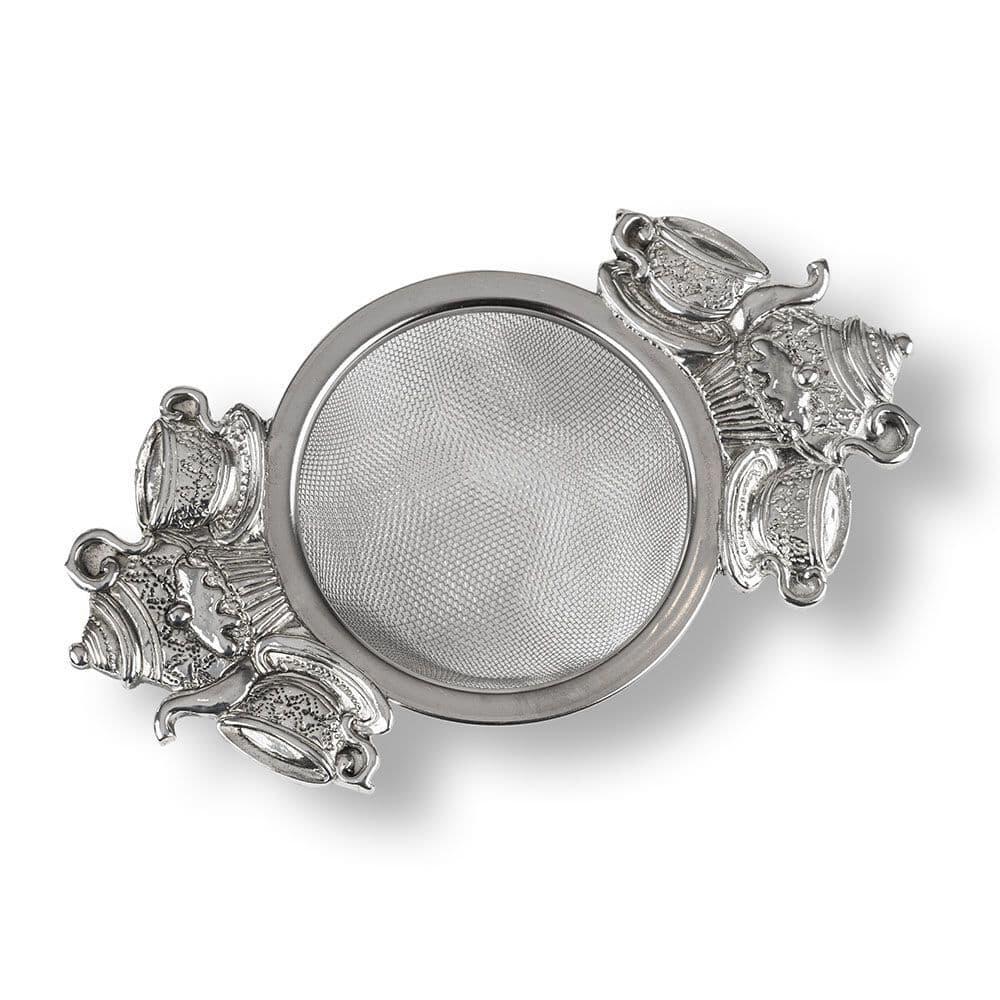
When we talk about food-contact pewter, we mean goblets, tankards, quaich bowls, tea strainers, and glassware with pewter accents that come into direct contact with drinks or food. These pieces must be both made from the right alloy and cleaned with food-safe products so that nothing harmful leaches into what you serve.
Modern Britannia-type pewter typically contains around 92 to 93 percent tin with antimony and copper, which gives strength and shine while avoiding lead. That alloy choice is only half the story, because aggressive cleaners can damage the surface and create pitting where residues and microbes can cling.
Modern Pewter Versus Antique Pewter
Older pewter items can contain lead, and there is evidence that lead can leach into beverages, especially acidic ones, if those alloys contact drinks. For daily use we recommend modern, clearly labelled lead-free pewter, especially for drinking vessels.
Our collections, such as goblets, tankards, and spirit cups, follow modern pewter standards and are designed for safe serving when they are cleaned correctly with gentle methods.
Hygiene Expectations For Today’s Dining
Food businesses and home entertainers alike are expected to keep any surface that touches food visibly clean and hygienic. That applies as much to a pewter quaich used in a sharing toast as it does to a pint glass in a bar.
Because pewter has a relatively soft surface compared with stainless steel, using the wrong cleaning solutions can scratch or dull it, which makes it harder to keep truly clean over time.
What Makes A Cleaning Solution “Safe” For Food-Contact Pewter
We class a cleaning solution as safe for food-contact pewter if it removes residues effectively, does not leave harmful chemicals on the surface, and does not damage the metal. In practice, that means choosing gentle, non-abrasive, food-oriented cleaners rather than heavy-duty products meant for ovens or floors.
For everyday washing, a mild, unscented dishwashing liquid in warm water works very well for pewter goblets, tankards, and cups. Rinsing thoroughly and drying with a lint-free cloth completes the routine and helps prevent spotting.
Safe Everyday Cleaning Agents
- Mild liquid dish soap in warm water.
- Soft sponges or microfiber cloths, not scouring pads.
- Occasional diluted white vinegar (for light tarnish or water spots), always rinsed away fully.
- Bicarbonate of soda (baking soda) paste for local marks, used sparingly.
These options are suitable for all our food-contact pewter ranges, from tea strainers to pint glasses with pewter accents, as long as you rinse and dry properly.
Cleaning Steps For Food-Safe Results
- Rinse the pewter quickly after use, especially after acidic drinks such as wine or fruit juices.
- Wash in warm water with a small amount of mild dish soap using a soft cloth.
- Pay attention to seams, rims, and engraved areas where residues can settle.
- Rinse in clean warm water until no soap remains.
- Dry completely with a soft towel to avoid water spots and streaks.
Unsafe Cleaners And Methods To Avoid On Pewter
Some powerful household cleaners can damage pewter or compromise the surface that touches food. We advise keeping certain product types well away from any pewter goblet, tankard, or quaich that you drink from.
Even if a product is advertised as metal-safe, it may contain ammonia, bleach, or acids in concentrations that are too harsh for pewter alloys used in foodware.
Products And Tools To Avoid
- Bleach, chlorine-based cleaners, and disinfectant sprays directly on pewter.
- Ammonia-based glass or multi-surface cleaners.
- Strong descalers or limescale removers.
- Oven cleaners or heavy-duty degreasers.
- Abrasive powders and metal scouring pads.
These can pit the surface, strip finishes, or leave chemical residues that are not designed for food-contact surfaces. Instead, we stay with simpler, milder kitchen detergents for anything that touches drink or food.
Recognising Damage From Harsh Cleaning
If pewter develops rough patches, deep scratches, or white or dark spotting that does not wipe away, it may have been exposed to unsuitable cleaners. Once the surface is compromised, it is harder to keep hygienic, and in severe cases, the item may be best kept for display rather than active food use.
We recommend testing any new cleaning method on a discreet area of the piece first, especially on highly decorated or engraved items.
Explore five safe cleaning steps for pewter that contacts food. Learn gentle, non-abrasive methods to protect the finish and keep surfaces safe.
Daily Care For Pewter Goblets, Tankards, And Spirit Cups
Regular, gentle cleaning keeps food-contact pewter safe and looking its best, particularly in collections that see frequent use. Our pewter goblets, tankards, dram cups, and quaich bowls are all suitable for this straightforward routine.
Because modern pewter tarnishes relatively slowly, you do not need heavy polishing after every use, just consistent washing and drying.
Pewter Goblets And Wine Cups
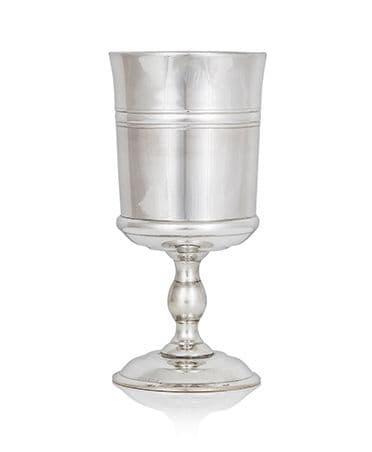
For pieces in our Pewter Goblets range, we suggest hand-washing shortly after use to avoid stains from red wine or rich sauces. Warm soapy water and a soft sponge clean the bowl, stem, and base effectively.
Always dry the inside of the bowl carefully so droplets do not sit for long periods, especially if your water is hard and prone to leaving mineral marks.
Pewter Tankards For Beer And Cider
Our Pewter Tankards are meant to be used, not just displayed, which is why a robust but gentle cleaning regime is helpful. Rinse out beer residues promptly, as dried sugars can create sticky films that are harder to remove later.
Pay attention to the handle join and any decorative bands or engraving, because these can trap foam and require a soft brush or cloth to reach fully.
Dram Cups, Quaichs, And Sharing Vessels
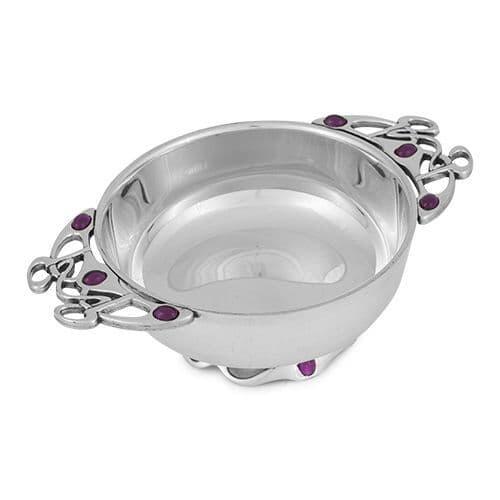
Smaller spirit vessels such as those in our Dram Cups and Quaich Bowls ranges benefit from cleaning shortly after use, especially where spirits have a high sugar content or added flavourings. These cups often feature detailed rims or handles that respond well to soft brushes reserved only for dish use.
Because these are often part of shared rituals, keeping them scrupulously clean is both a matter of safety and courtesy to your guests.
Cleaning Pewter-Accented Glassware And Mixed-Material Pieces
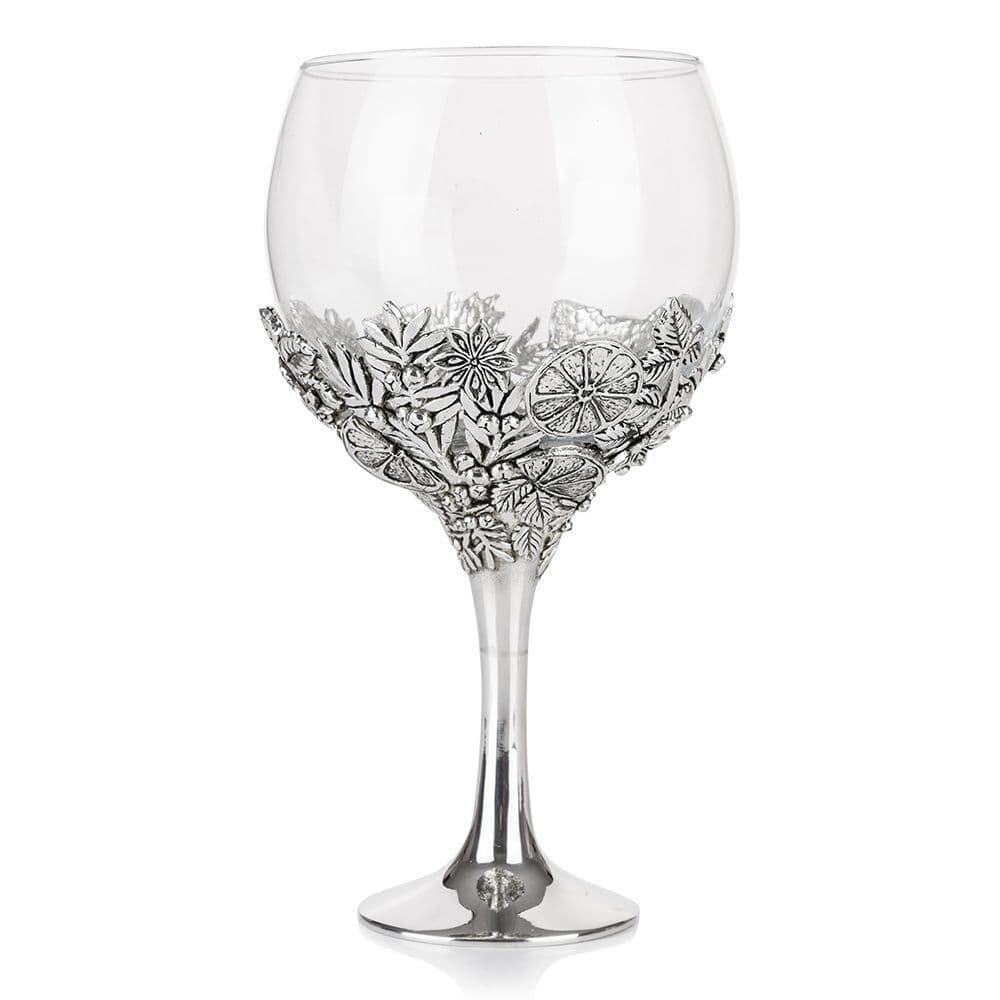
Many of our collections combine glass with pewter accents, for example at the base, stem, or rim. These mixed-material pieces, such as tumblers, gin glasses, and brandy glasses, benefit from cleaning methods that respect both surfaces at once.
Glass usually tolerates slightly stronger detergents than pewter, so we tailor the routine to the gentler material and keep the whole item within that safer range.
Gin Glasses, Brandy Glasses, And Champagne Flutes
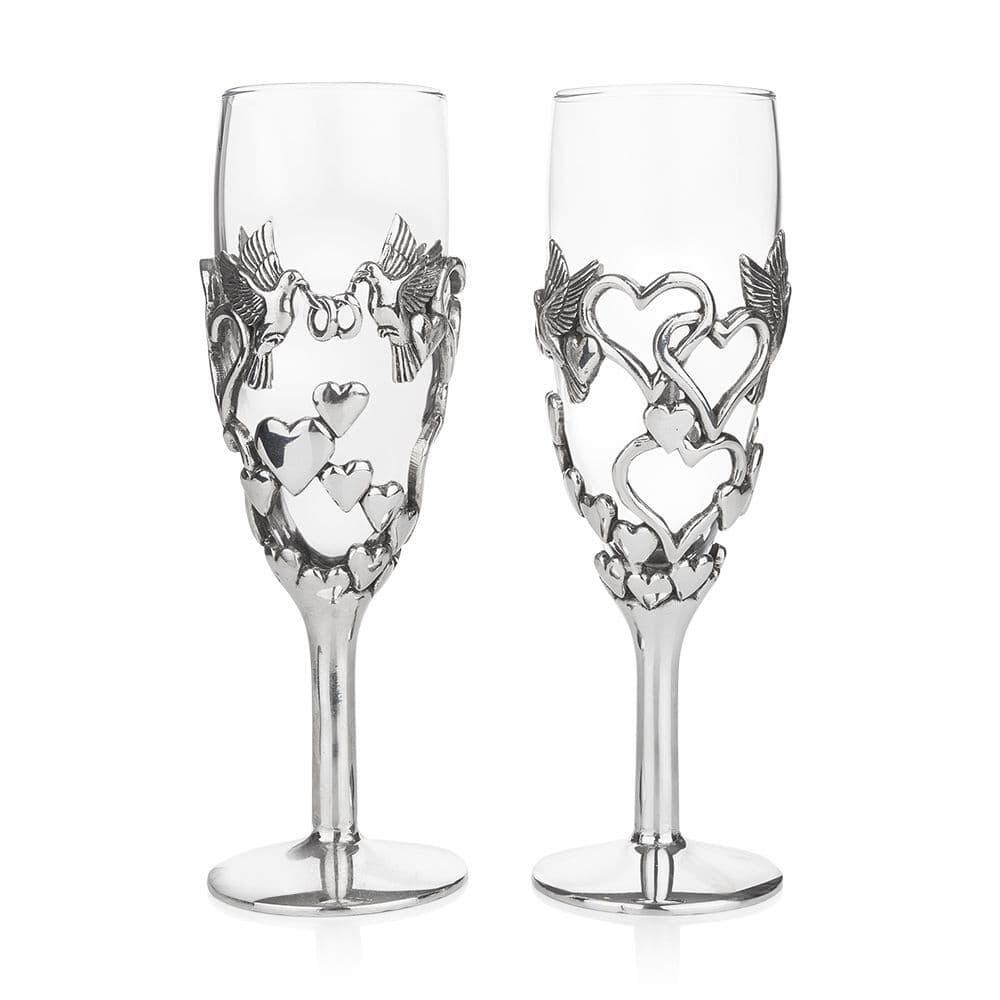
Our Gin Glass, Brandy Glasses, and Champagne Glasses ranges feature pewter detailing that should not be scoured or soaked in harsh chemicals. Wash by hand in warm, mildly soapy water, supporting the bowl and stem gently.
Rinse thoroughly so that no soap sits in the join between glass and pewter, then dry with a lint-free cloth to minimise spots on both materials.
Glass Tankards, Tumblers, And Pint Glasses
Our Glass Tankards, Drinks Tumblers, and Beer Glasses collections pair robust glass bodies with pewter features. While some owners use low-heat dishwashers, we advise hand-washing for best preservation of the pewter sections.
Use a soft brush or sponge to address the interior of tall glasses and take care not to knock the pewter base or rim against other items in the sink.
Decanters And Decanter & Tumbler Sets
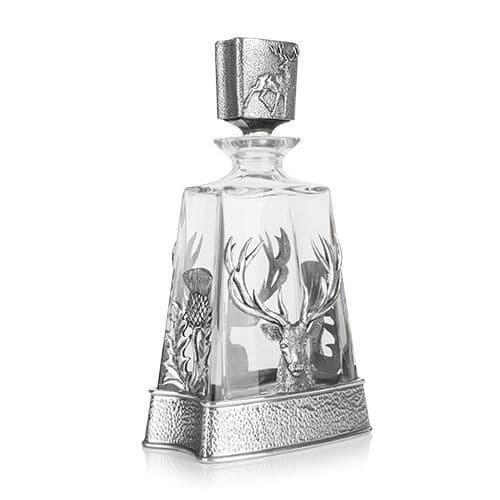
Our Decanters and Decanter & Tumbler Sets typically come with wooden presentation boxes and premium finishing, so we treat them as fine barware. Rinse out wine or spirits soon after use to avoid staining the glass and any pewter neck or stopper details.
Wash pieces individually in the sink with plenty of room and avoid very hot or very cold water shifts, which can stress glass while being unnecessary for pewter cleaning.
Handling Tarnish On Food-Contact Pewter Safely
Modern pewter is relatively resistant to rapid tarnishing, but over time you may notice a soft darkening or occasional spots. On purely decorative pieces, some owners enjoy this patina, but on food-contact surfaces many people prefer a cleaner look.
The challenge is to address tarnish without resorting to harsh chemicals or abrasive polishes that are not meant for surfaces that touch food or drink.
Gentle Tarnish Removal Methods
- Use a paste of bicarbonate of soda and water on a soft cloth to spot-clean marks, then rinse thoroughly.
- Apply a diluted white vinegar solution to a cloth, wipe the tarnished area lightly, rinse, and dry.
- Consider occasional use of a pewter-specific polish that is explicitly labelled food-safe, keeping it away from interiors if not specified for direct contact.
Any product not clearly intended for food-contact metal should be reserved for the exterior or non-contact parts only, and always rinsed away completely after use.
Tarnish On Decorative-But-Food-Adjacent Pieces
Items such as Bottle Stoppers sit in close proximity to drinks but may not fully contact the liquid. You can usually treat these with the same gentle tarnish removal methods as goblets, then rinse and dry thoroughly.
If you use scented polishes on purely decorative sections, keep them well away from the areas that sit inside bottles or that might contact wine or spirits.
Special Care For Food-Adjacent Pewter Accessories
Some pewter items do not directly touch food or drink but sit near them, for example bookmarks tucked into recipe books on the table or decorative lovespoons given at celebrations. These pieces do not demand food-grade cleaners, but they still benefit from gentle care techniques.
We use similar mild soaps and soft cloths to preserve the detailing and finish while avoiding unnecessary chemical exposure for you and your guests.
Lovespoons, Brooches, Cufflinks, And Bookmarks
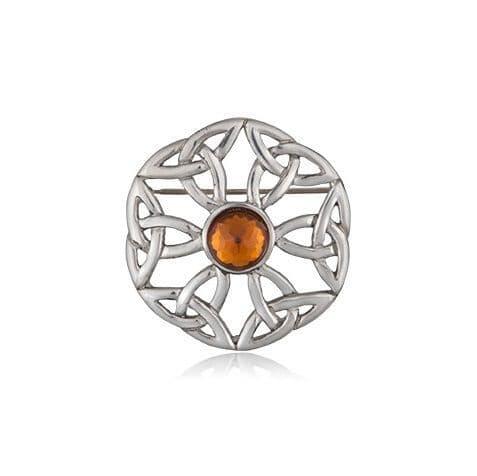
Our Lovespoons, Pewter Brooches, Pewter Cufflinks, and Bookmarks are mainly decorative or wearable. Wipe them with a damp cloth and a touch of mild soap, then dry thoroughly.
For pieces worn against the skin, removing skin oils and cosmetics regularly helps prevent build-up, but harsh cleaners are still unnecessary and can dull fine details.

Display-Only Pewter Gifts
In our full Pewter Gifts (All) selection you will find many items that will never touch food or drink directly. For these, you can focus purely on appearance and use non-food-contact polishes if you wish, provided you handle and ventilate them sensibly.
However, keeping a simple, mild-soap approach across your collection has the advantage of not needing multiple cleaners and reduces the chance of accidentally using the wrong product on a food-contact piece.
Safe Storage, Handling, and Long-Term Care
Safe cleaning solutions work best alongside thoughtful storage and handling practices. Scratches, dents, and unnecessary contact with corrosive residues can all shorten the working life of food-contact pewter.
We design our collections to be enjoyed, but a little care between uses makes a clear difference over the years.
Storing Pewter Drinkware And Serveware
- Keep pewter goblets, tankards, and cups fully dry before storing to prevent moisture marks.
- Store upright in cabinets with soft shelf liners to reduce scratching and rattling.
- Avoid stacking pewter directly on pewter where possible, especially for engraved pieces.
For sets that include wood or presentation cases, make sure both the pewter and the lining are dry before closing lids for longer periods.
Handling In Busy Service Environments
In bars, restaurants, or event venues where pewter is used regularly, staff training around correct washing and safe cleaning solutions is essential. Clear instructions to avoid bleach and abrasive pads should sit alongside routines for glasses and cutlery.
Allocating a dedicated soft brush or cloth for engraved or highly decorated pewter can help maintain fine details and keep the surface easier to sanitise with mild detergents.
How Safe Cleaning Links To Pewter Composition And Food Safety
Cleaning and alloy composition work together to determine how safe pewter is in contact with food and drink. Modern lead-free pewter alloys for consumer foodware typically contain roughly 91 to 93 percent tin, with the balance as antimony and copper for hardness and lustre.
This formulation avoids the lead toxicity associated with some older pewter and gives a stable surface for mild cleaning agents to act on effectively.
Why Lead-Free Matters For Cleaning Choices
Even with lead-free alloys, the cleaning products that touch your pewter will touch your food indirectly. Harsh chemical residues or fragrances can transfer, particularly to liquids that sit in pewter goblets or tankards for extended periods.
By sticking to simple, well-rinsed detergents that are designed for dishwashing, you reduce that risk significantly and keep both the metal and your drinks in a safe range.
Comparing Cleaning Approaches At A Glance
| Cleaning Method | Suitable For Food-Contact Pewter? | Notes |
|---|---|---|
| Mild dish soap + warm water + soft cloth | Yes | Everyday cleaning for goblets, tankards, tumblers, and mixed glass/pewter. |
| Diluted white vinegar wipe, then rinse | Yes, occasionally | Helps remove light tarnish or spots, always rinse and dry thoroughly. |
| Bicarbonate of soda paste | Yes, spot use | For stubborn marks, use sparingly with soft cloth and rinse fully. |
| Bleach or strong disinfectants | No | Can damage pewter and are not intended to remain on food-contact surfaces. |
| Abrasive powders / metal scourers | No | Scratch the surface and make hygiene harder to maintain. |
Conclusion
Safe cleaning solutions for food-contact pewter are simple, gentle, and effective, built around mild dish soap, warm water, and soft cloths rather than aggressive chemicals. When you combine this approach with modern, lead-free pewter drinkware and careful storage, you protect both the beauty of the pieces and the safety of the people who use them.
Across our goblets, tankards, spirit cups, and pewter-accented glassware, we design for everyday enjoyment, not just display, and the right cleaning habits ensure each piece remains a trusted part of your table or bar for many years.