
The Historical Significance of Pewter in Home Decor

Key Takeaways: The Enduring Legacy of Pewter
- Pewter has been part of human civilization for over three thousand years, evolving from practical necessity to decorative art
- Modern pewter is completely lead-free and safe for food and beverage use, unlike its historical counterparts
- Pewter offers a distinctive soft patina that develops over time, adding warmth and sophistication to any space
- Handcrafted pewter items represent a living tradition of craftsmanship dating back to medieval guild systems
- Pewter pieces often become cherished family heirlooms that carry stories and memories across generations
- The material's versatility allows it to complement both traditional interiors and contemporary design schemes
- Collecting pewter combines aesthetic appreciation with historical interest and cultural significance
- Proper care of pewter items ensures their beauty and functionality for decades or even centuries
Introduction: The Enduring Appeal of Pewter
Pewter has graced homes across the centuries, evolving from practical necessity to cherished decorative element. This versatile alloy, primarily composed of tin with small amounts of copper or bismuth, carries with it a rich heritage that spans continents and civilizations. In today's home decor landscape, pewter offers a distinctive aesthetic that bridges the gap between historical authenticity and contemporary design sensibilities.
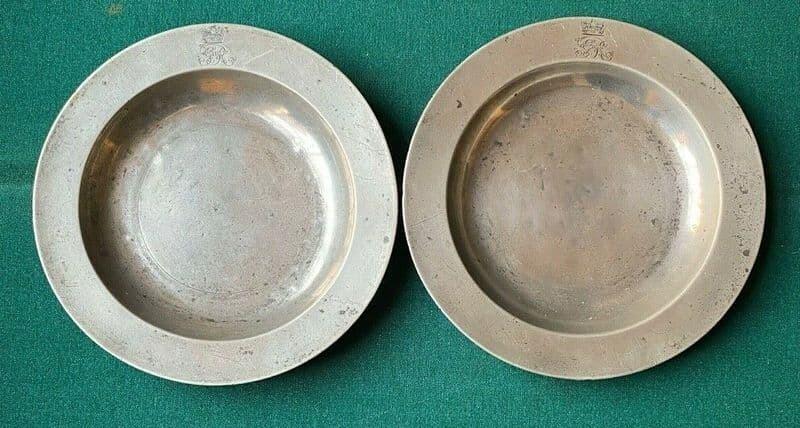
At A.E. Williams, we celebrate this rich heritage through our collection of handcrafted pewter items that honour traditional techniques while embracing modern sensibilities. The soft, matte finish of pewter creates a visual warmth that distinguishes it from shinier metals, making it a versatile addition to virtually any interior design scheme. Unlike more ostentatious materials, pewter's subtle luster complements rather than dominates a space, allowing it to harmonize with diverse decorative elements.
The historical significance of pewter in home decor cannot be overstated. From the tables of medieval taverns to the refined dining rooms of Victorian estates, pewter has maintained its presence as both functional and decorative. Today, this legacy continues as homeowners and interior designers rediscover the unique qualities that pewter brings to contemporary spaces. Its timeless appeal lies in its ability to connect us to traditions of craftsmanship while still feeling relevant in modern contexts, creating a sense of continuity that many find deeply appealing in our rapidly changing world.
The Ancient Origins of Pewter
Pewter's story begins thousands of years ago, with archaeological evidence suggesting its use as early as the Bronze Age. Ancient civilizations in Egypt, Rome, and China all developed variations of pewter alloys, primarily for practical vessels and implements. These early pewter items were valued for their durability and relative ease of production compared to more precious metals. Excavations have revealed pewter artifacts dating back to 1450 BCE in Egypt, demonstrating the material's remarkable longevity in human material culture.
The Romans were particularly adept at working with pewter, creating everything from tableware to decorative items. As the Roman Empire expanded, so too did the knowledge of pewter craftsmanship, spreading throughout Europe and laying the groundwork for the pewter traditions that would flourish in the Middle Ages. Roman pewter artifacts have been discovered throughout their former territories, from Britain to the Middle East, illustrating how this versatile material transcended geographical and cultural boundaries even in ancient times.
By the 12th century, pewter guilds had been established in France, with England following suit in the 14th century. These guilds set standards for quality and craftsmanship, ensuring that pewter items maintained consistent excellence. The history of pewter craftsmanship reveals how these early standards helped establish pewter as a respected material in home furnishings. The Worshipful Company of Pewterers, founded in London in 1348, was particularly influential in regulating the quality and composition of pewter throughout England, creating a standard of excellence that elevated the material's status.
What makes this historical context particularly fascinating is how the composition of pewter has evolved over time. Early pewter often contained lead, which made it easier to work with but posed health risks. Modern pewter, including all pieces in our collection, is completely lead-free, making it safe for food and beverage use while maintaining the distinctive aesthetic that has made pewter beloved for millennia. This evolution reflects broader changes in metallurgical knowledge and public health awareness, demonstrating how traditional crafts can adapt to contemporary standards without losing their essential character and appeal.
Pewter's Golden Age in European Homes
The 16th to 18th centuries marked what many consider the golden age of pewter in European households. During this period, pewter became the material of choice for tableware and decorative items among the middle class, who could not afford silver but desired something more refined than wooden vessels. This era saw pewter reach its zenith as both a functional necessity and a status symbol, adorning homes throughout Europe with its distinctive luster and craftsmanship.
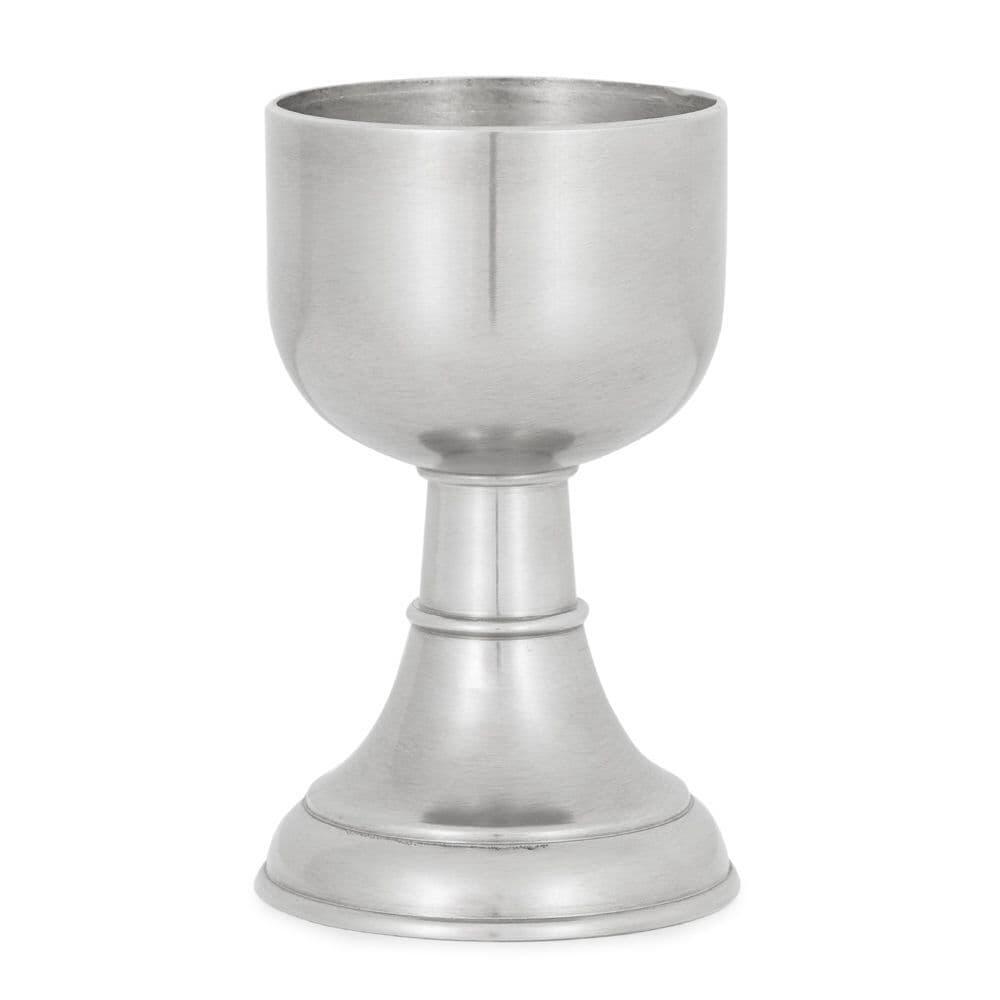
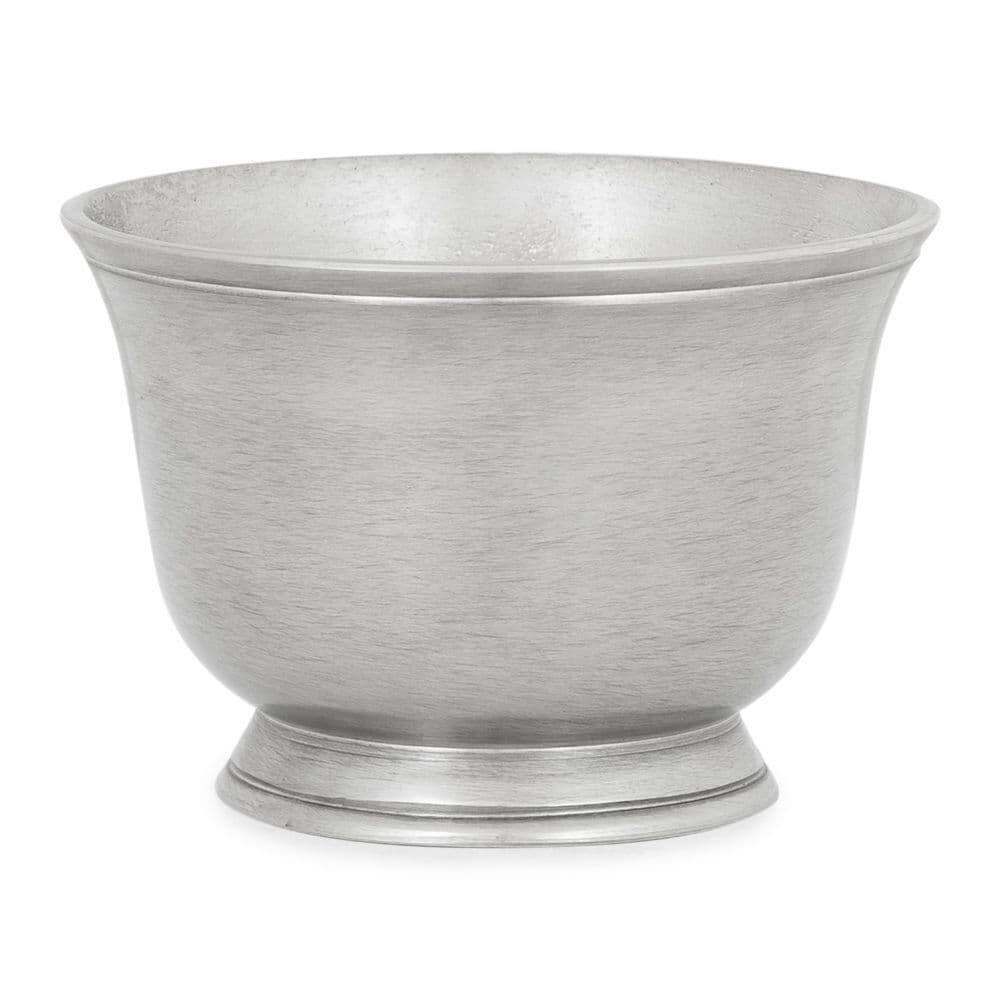
In Tudor and Stuart England, a well-appointed home would display pewter plates, chargers, and tankards as symbols of prosperity and good taste. These items were not merely functional but served as important decorative elements that conveyed the household's social standing. The Beefeater Flagon in our collection pays homage to this rich tradition, combining historical design elements with contemporary craftsmanship. During this period, pewter was often displayed prominently on dressers or sideboards, where its subtle gleam would catch the light and demonstrate the household's refinement and prosperity.
Continental Europe embraced pewter with equal enthusiasm. German states were particularly renowned for their ornate Bavarian-style jugs and steins, many of which featured intricate relief work depicting scenes from daily life or mythology. These pieces were both practical vessels for consuming beverages and works of art that enhanced the aesthetic appeal of homes. The craftsmanship of these items represented the pinnacle of pewter artistry, with master pewterers developing techniques that allowed for increasingly detailed and complex decorative elements.
The pewter industry thrived during this period, with distinct regional styles emerging across Europe. English pewter tended toward clean, simple lines, while Continental pieces often featured more elaborate decoration. This diversity of style meant that pewter could complement virtually any interior design scheme, a versatility that continues to make it appealing to modern homeowners. The regional variations in pewter design reflected broader cultural differences in aesthetic preferences and artistic traditions, creating a rich tapestry of pewter styles that continues to influence contemporary craft.
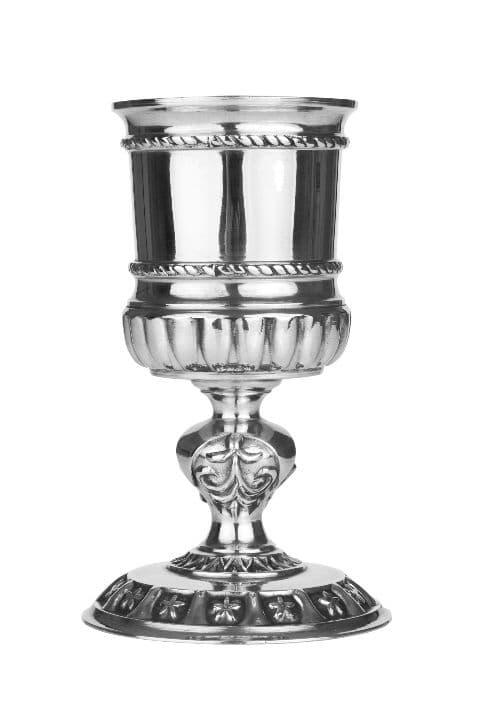
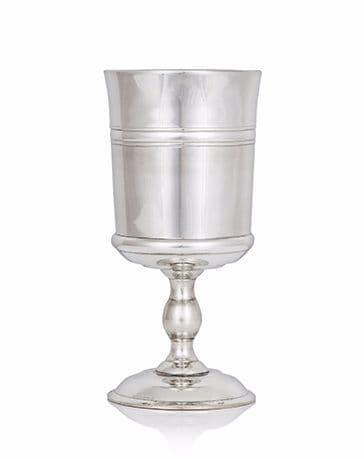
The tradition of pewter goblets and chalices became particularly significant in this era. These vessels were often used for ceremonial purposes and special occasions, elevating the dining experience while adding a touch of elegance to the home. Today, our range of goblets continues this tradition, offering contemporary homeowners the opportunity to incorporate a piece of living history into their decor. The Canterbury and Chatsworth goblets, for example, draw inspiration from historical designs while meeting modern expectations for craftsmanship and food safety, embodying the continuity between past and present that makes pewter such a compelling element in home decor.
The Decline and Revival of Pewter in the Industrial Age
The late 18th and 19th centuries saw a decline in pewter's popularity as new materials like porcelain and glass became more accessible and affordable. The Industrial Revolution changed manufacturing processes, and pewter, with its handcrafted tradition, temporarily fell out of favor for everyday use. Mass production techniques made ceramic tableware significantly cheaper, while advances in glass manufacturing created competition for pewter in drinking vessels. Additionally, the growing availability of affordable silverplate offered a shinier alternative that many consumers preferred for formal dining settings.
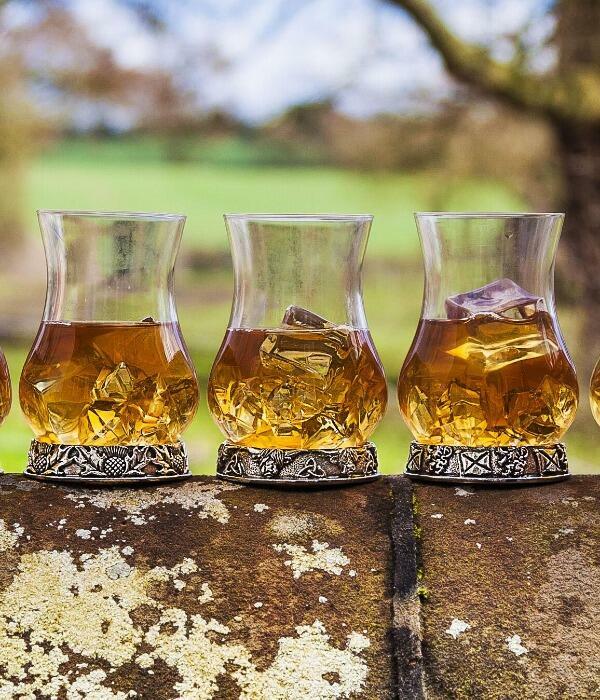
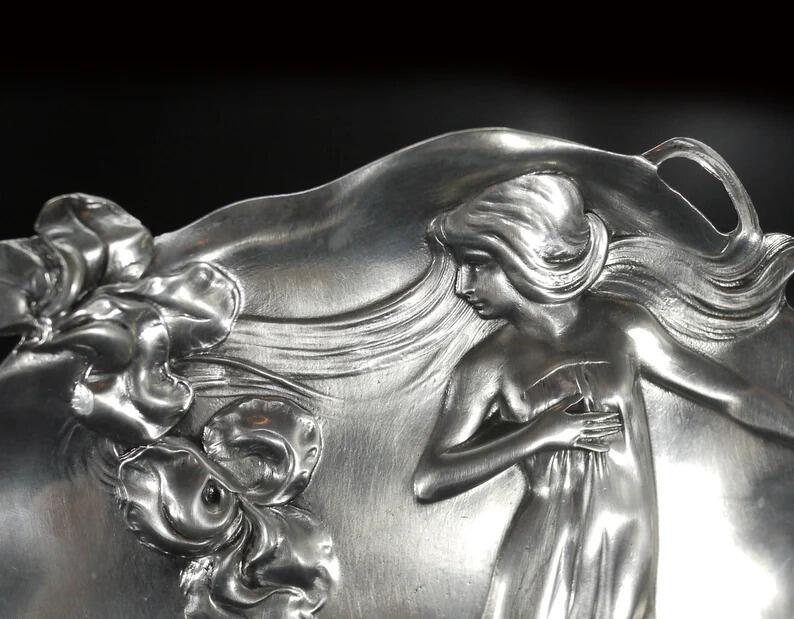
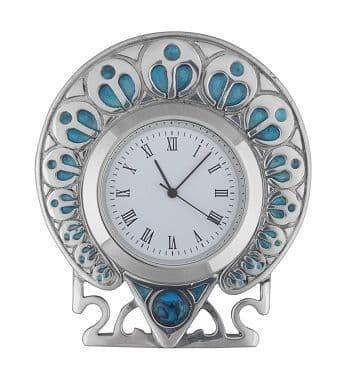
The late 19th century saw the emergence of the Arts and Crafts movement, which emphasized handcraftsmanship and traditional techniques as a response to industrialization. This movement, along with Art Nouveau, brought renewed interest in pewter as a medium for artistic expression. The impact of Art Nouveau on pewter design was particularly significant, introducing flowing, organic forms that contrasted with earlier, more structured styles. Designers like Archibald Knox for Liberty & Co. created pewter pieces that embodied the sinuous, nature-inspired aesthetic of Art Nouveau, helping to reposition pewter as a material for artistic and decorative objects rather than merely utilitarian items.
Liberty & Co. in London and WMF in Germany were among the companies that championed this new approach to pewter design, creating pieces that were explicitly decorative rather than primarily functional. These items were designed to enhance the aesthetic appeal of the home, reflecting the growing emphasis on interior design as an expression of personal taste and artistic sensibility. The Tudric range from Liberty, designed by Archibald Knox, became particularly influential, combining Celtic-inspired motifs with Art Nouveau styling to create pewter pieces that were both innovative and connected to historical traditions.
By the mid-20th century, pewter had firmly established itself as a material valued for its decorative qualities and historical associations. Studio craftspeople and small manufacturers continued the tradition of handcrafted pewter, creating pieces that combined traditional techniques with contemporary design sensibilities. This approach continues to inform our work at A.E. Williams, where we honor historical methods while creating pieces that resonate with modern aesthetics. The revival of interest in traditional crafts during the latter half of the 20th century further strengthened pewter's position in home decor, as consumers increasingly sought authentic, handcrafted alternatives to mass-produced items.
Pewter in Contemporary Home Decor
Today, pewter enjoys a special place in contemporary home decor, appreciated for its subtle lustre, historical significance, and versatility. Modern pewter pieces range from faithful reproductions of historical designs to innovative contemporary creations that push the boundaries of what can be achieved with this traditional material. The resurgence of interest in artisanal crafts and heritage materials has positioned pewter as a material of choice for those seeking to add character, depth, and authenticity to their living spaces.
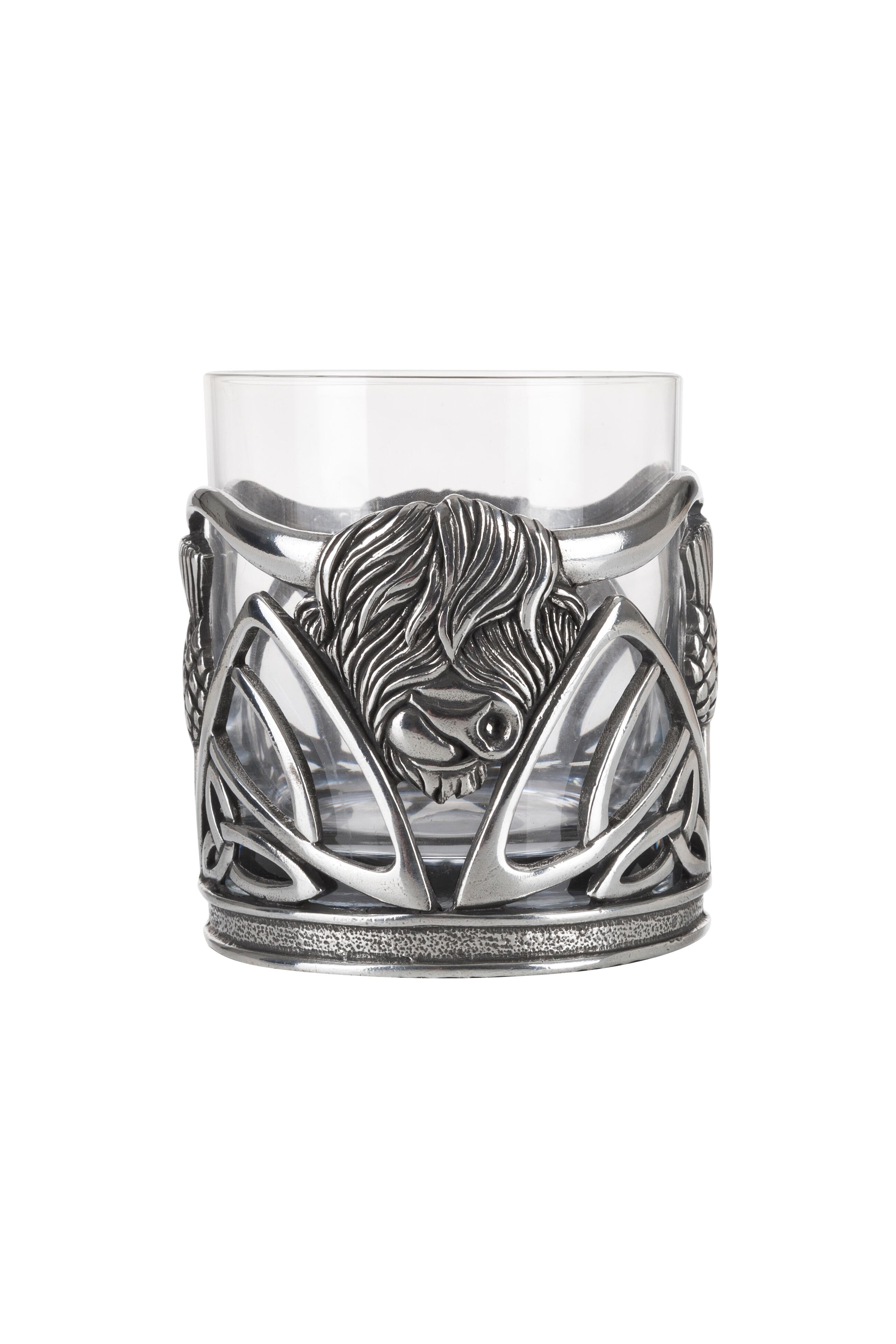
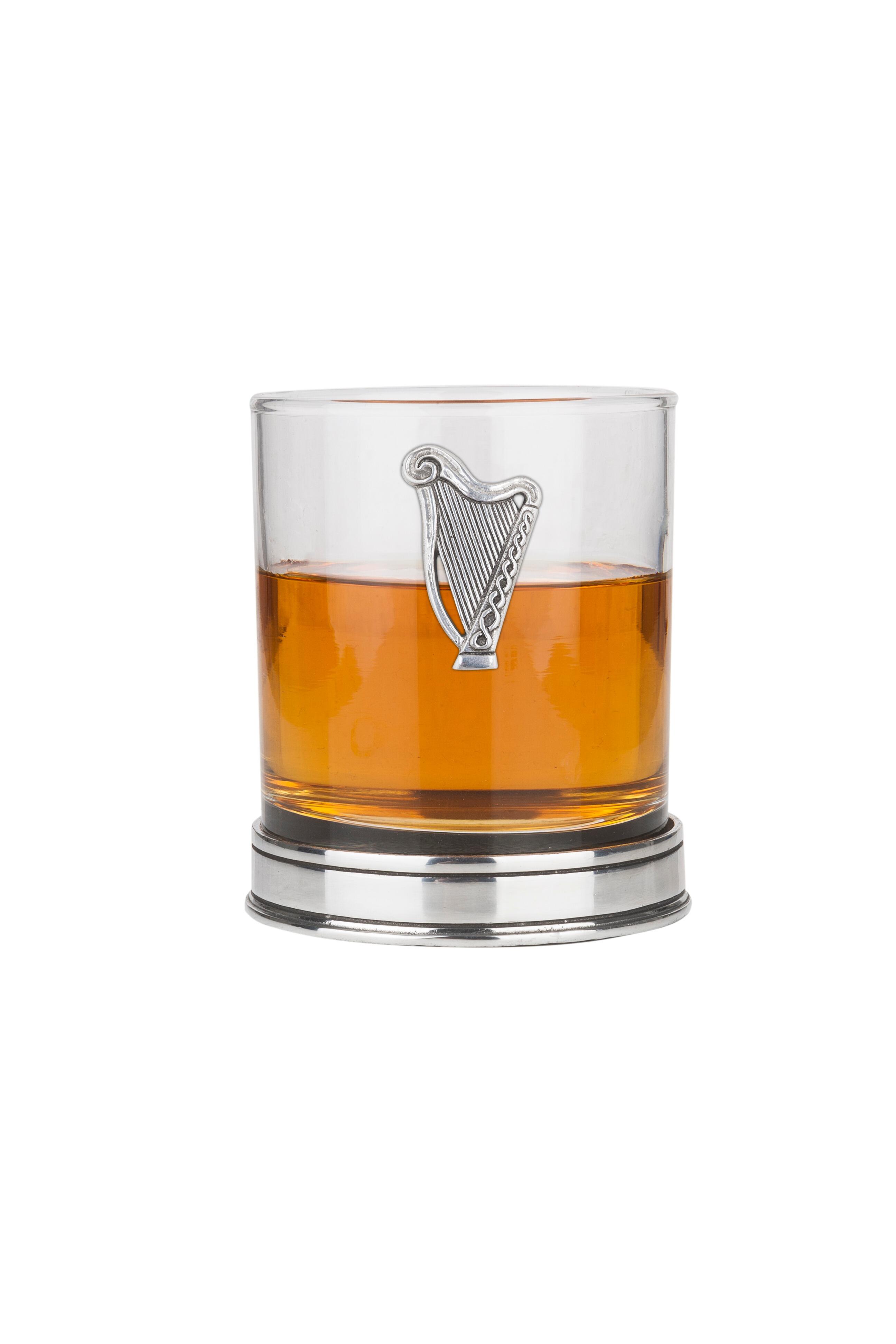
One of the most compelling aspects of pewter in modern interiors is its ability to complement a wide range of design styles. In traditional settings, pieces like our Bavarian jugs and goblets add authenticity and historical depth. In contemporary spaces, the clean lines and subtle finish of pewter provide a sophisticated counterpoint to more modern elements. Interior designers often use pewter accents to add textural interest and visual weight to minimalist spaces, where the metal's matte finish creates a pleasing contrast with glossier materials like glass and polished wood.
The UK home decor market is vibrant and growing, projected to expand from USD 24.70 billion in 2025 to USD 31.89 billion by 2030. Within this market, there's increasing interest in pieces that tell a story and connect to traditions of craftsmanship. Pewter, with its rich heritage and distinctive aesthetic, perfectly meets this desire for meaningful decorative elements. Contemporary consumers are increasingly concerned with the provenance and authenticity of the items they bring into their homes, valuing pieces that reflect genuine skill and tradition rather than mass-produced replicas.
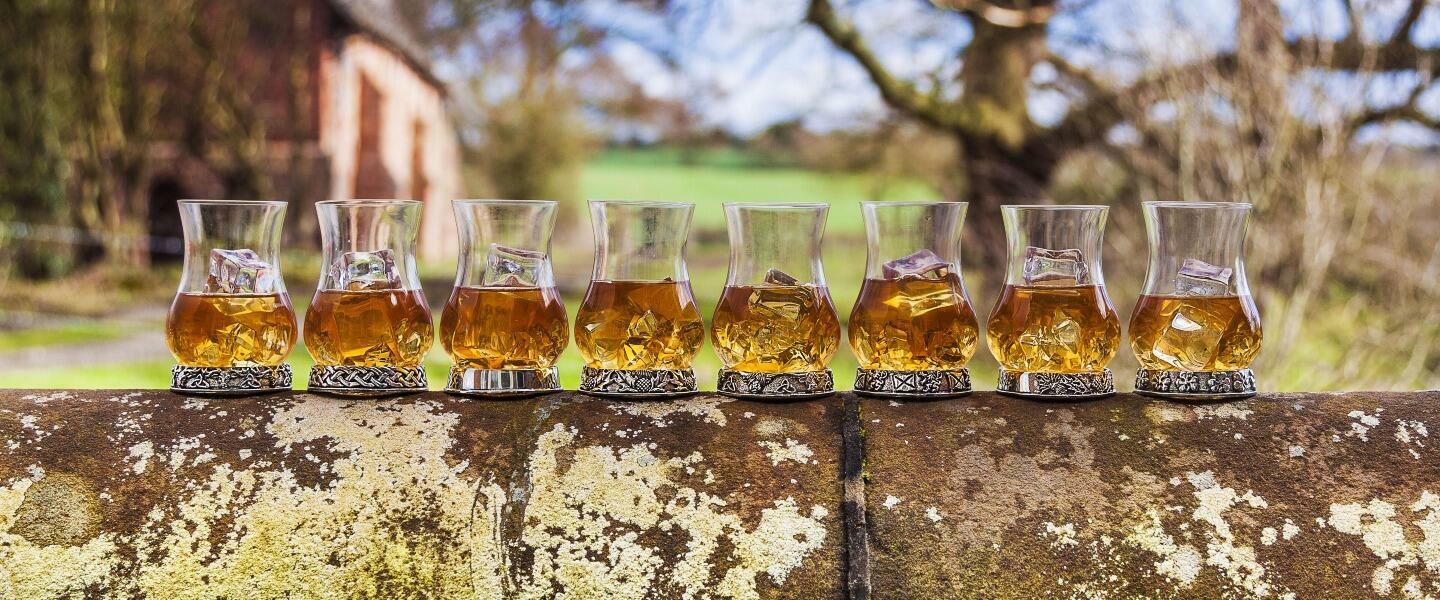
Stylish pewter accessories offer a blend of traditional craftsmanship and contemporary style, making them ideal for today's eclectic interiors. From whisky tumblers with distinctive designs to decorative objects that serve as focal points, pewter items add character and sophistication to any space. The versatility of pewter allows it to work equally well in minimalist Scandinavian interiors, richly layered traditional spaces, or eclectic designs that combine elements from various periods and styles, making it a truly adaptable material for contemporary home decor.

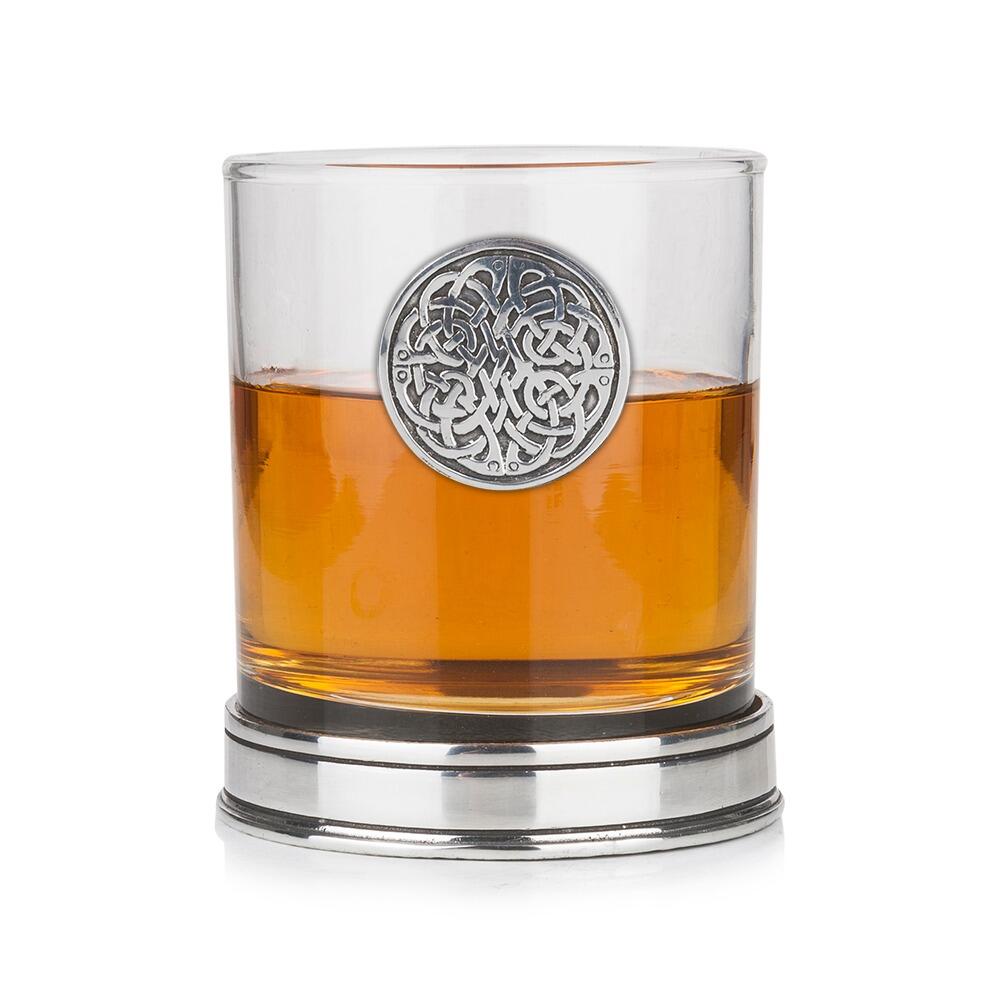
Modern pewter items often incorporate innovative design elements while maintaining a connection to historical traditions. Our Skull Pewter Whisky Tumbler makes a bold statement with its distinctive motif, while the Celtic Never Ending Knot Pewter Whisky Tumbler celebrates ancient Celtic artistry. These pieces demonstrate how pewter can be both respectful of tradition and thoroughly contemporary in its expression. The juxtaposition of ancient techniques with modern design sensibilities creates objects that feel both timeless and current, appealing to those who appreciate heritage craftsmanship but desire items that reflect contemporary aesthetic preferences.
The Craftsmanship Behind Pewter Decor Items
The enduring appeal of pewter in home decor owes much to the skilled craftsmanship involved in creating these pieces. Unlike mass-produced items, handcrafted pewter carries the distinctive mark of the artisan, with subtle variations that speak to the human touch behind each creation. This connection to traditional craftsmanship is increasingly valued in a world where standardization and automation have become the norm, offering a tangible link to centuries-old techniques and the skilled hands that practice them.
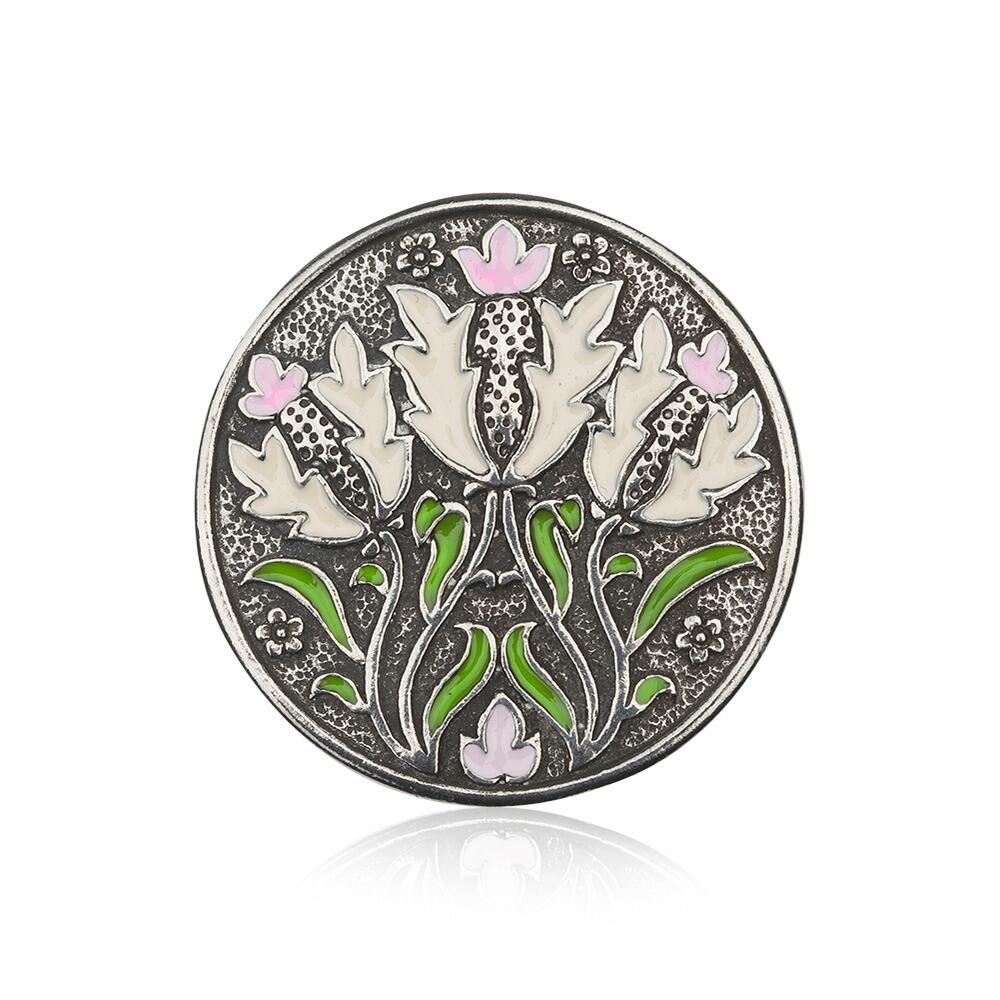
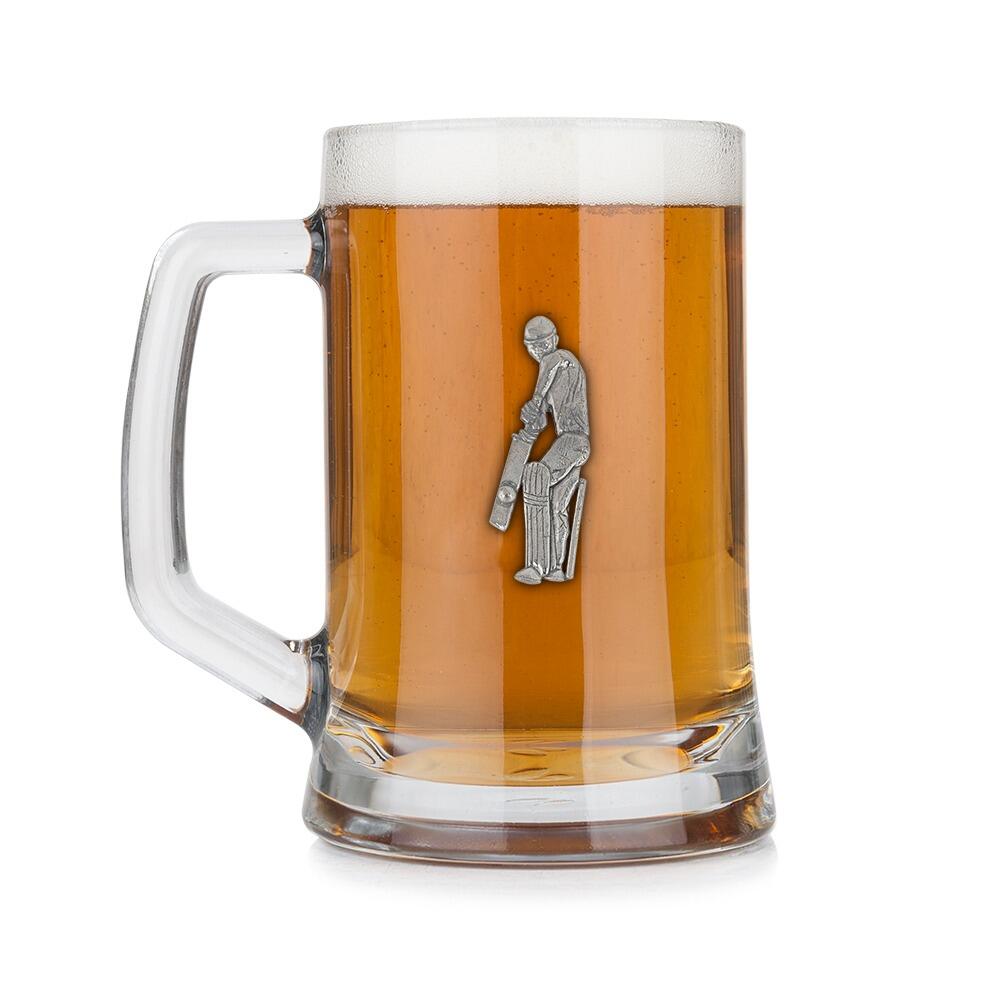
Traditional pewter crafting involves several specialized techniques, including casting, spinning, and hammering. Each method produces distinctive effects and is suited to different types of items. Casting, for example, allows for intricate details and relief work, as seen in our Pewter Cricketer Beer Tankard, which features a detailed cricketer motif. Spinning, on the other hand, creates symmetrical vessels with smooth surfaces, ideal for items like goblets and chalices. Hammering, or planishing, produces a textured surface that catches light in a distinctive way, adding visual interest and depth to the finished piece.
The process begins with the creation of the pewter alloy itself, carefully formulated to achieve the right balance of malleability and durability. Modern pewter typically contains 91-97% tin, with the remainder being copper and antimony, which harden the alloy without compromising its distinctive appearance or safety. The precise composition varies slightly depending on the intended use of the finished piece, with items that will undergo more handling requiring slightly harder alloys for increased durability. This attention to the material's fundamental properties reflects the depth of knowledge that skilled pewterers bring to their craft.
Once the basic form is created, the real artistry begins with finishing techniques that bring out the beauty of the metal. Polishing creates areas of brightness that contrast with the natural matte finish of pewter, while techniques like planishing (hammering to create a textured surface) add visual interest and catch the light in unique ways. These finishing processes require considerable skill and judgment, as the artisan must work with the metal's natural properties to achieve the desired effect. The subtle variations that result from these handcrafted techniques give each piece a unique character that mass-produced items cannot replicate.
At A.E. Williams, we maintain these traditional techniques while incorporating modern innovations where appropriate. Each piece in our collection represents hours of skilled work, resulting in items that are not merely decorative but embodiments of a craft tradition that stretches back centuries. Our craftspeople undergo years of training to master the various techniques required for pewter work, developing an intuitive understanding of how the metal behaves under different conditions and how to coax the desired forms and finishes from this versatile material.
The value of this handcraftsmanship extends beyond the aesthetic quality of the finished piece. In a world increasingly dominated by mass production, handcrafted pewter items offer a connection to human creativity and skill that many find deeply appealing. This connection to tradition and craftsmanship is a significant part of pewter's enduring significance in home decor. When we incorporate handcrafted pewter into our living spaces, we're not just adding decorative objects but inviting in pieces of human history and artistry that enrich our everyday environments with their depth and authenticity.
Cultural Symbolism of Pewter Across Different Societies
Throughout history, pewter has held different symbolic meanings across various cultures, contributing to its significance in home decor beyond purely aesthetic considerations. Understanding these cultural associations enhances our appreciation of pewter as a material with rich historical resonance. These symbolic dimensions add layers of meaning to pewter items, transforming them from mere decorative objects into carriers of cultural narratives and traditions that connect us to broader historical contexts and human experiences.
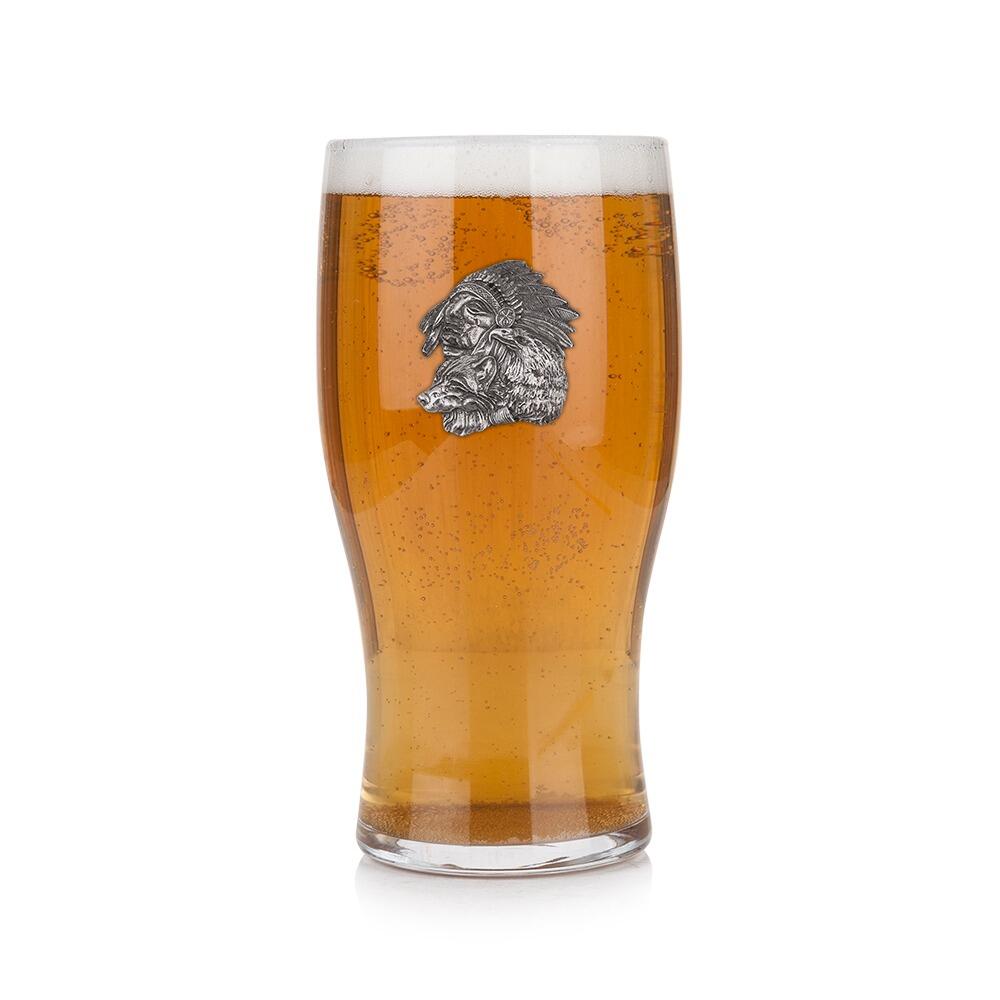
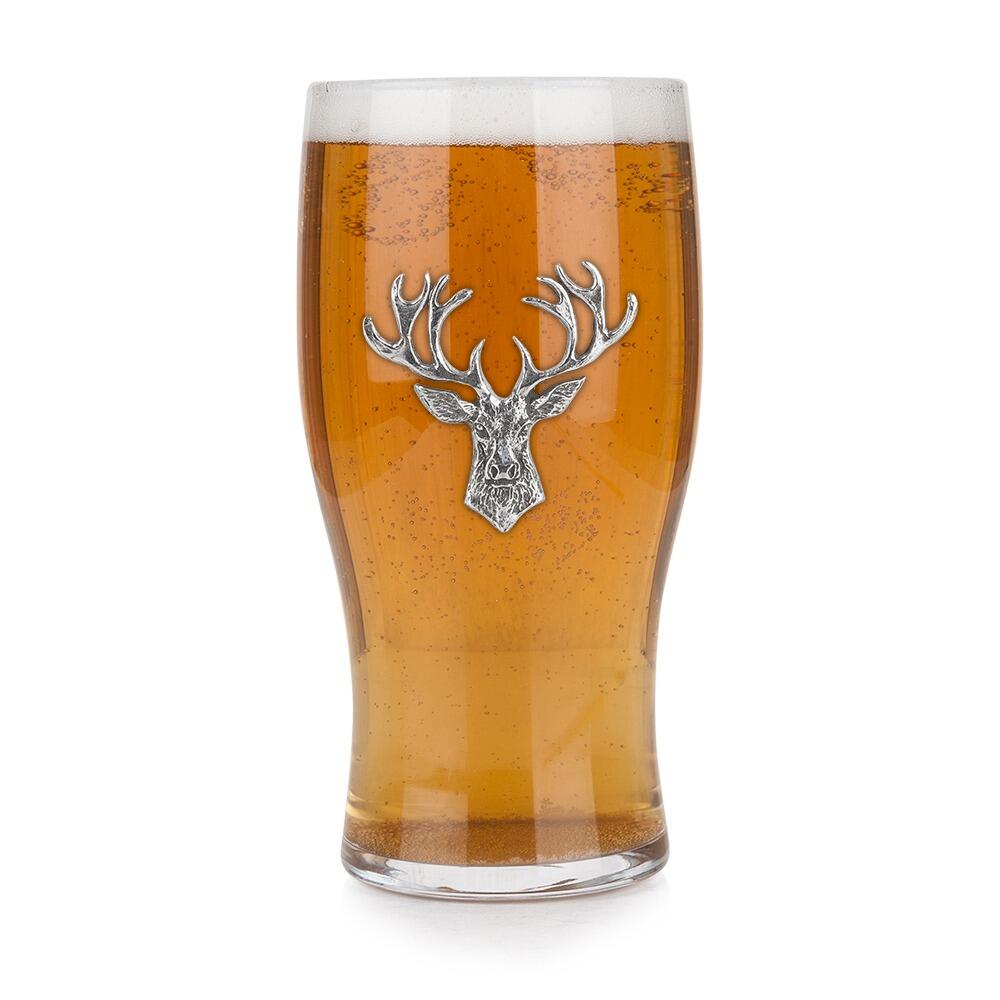
In British tradition, pewter has long been associated with hospitality and conviviality. The tankard, in particular, became a symbol of welcome and friendship, often given as gifts to mark significant occasions. This tradition continues today with items like our Pewter Stag Beer Glass, which combines traditional craftsmanship with imagery drawn from British wildlife. The stag, a majestic symbol of the British countryside, reinforces the connection between pewter and national identity, creating an object that celebrates British cultural heritage while serving a practical purpose in contemporary homes.
In Celtic cultures, pewter was often used for items with spiritual or ceremonial significance. The durability of the metal made it suitable for objects meant to last generations, while its workability allowed for the intricate knotwork and symbolic designs characteristic of Celtic art. Our Celtic Never Ending Knot Pewter Whisky Tumbler pays homage to this tradition, incorporating the endless knot motif that symbolizes eternity and interconnectedness. Celtic knotwork designs, with their continuous, unbroken patterns, represented the eternal cycle of life and death in Celtic spiritual traditions, adding profound symbolic meaning to decorative objects.
Native American cultures have their own rich traditions of metalwork, which have influenced contemporary pewter design. The Pewter Native American Beer Glass in our collection celebrates this cultural heritage, featuring imagery that respects and honors Native American artistic traditions. These designs often incorporate symbols of nature and spiritual significance, reflecting the deep connection to the natural world that characterizes many Native American cultural traditions. By incorporating these elements into contemporary pewter items, we acknowledge and celebrate the diverse cultural influences that have shaped decorative arts across centuries.

In Asian cultures, particularly in Malaysia and Thailand, pewter has been worked into exquisite decorative items for centuries. The Royal Selangor company in Malaysia has become internationally renowned for its pewter creations, which combine traditional techniques with contemporary design sensibilities. Malaysian pewter often incorporates motifs from local flora and fauna, as well as geometric patterns influenced by Islamic art, creating a distinctive aesthetic that reflects the country's multicultural heritage. These diverse cultural expressions of pewter craftsmanship demonstrate how the material has been adapted to express different artistic traditions while maintaining its essential qualities.
Across these various cultural contexts, pewter has consistently been associated with quality, durability, and craftsmanship. These associations contribute to its enduring appeal in home decor, where it serves not only as a beautiful material but as a carrier of cultural meaning and historical resonance. When we incorporate pewter items into our homes, we're not just adding decorative elements but connecting to rich traditions of craftsmanship and cultural expression that span continents and centuries, adding depth and significance to our living environments.
Pewter in Dining and Entertaining Traditions
One of the most significant areas where pewter has made a lasting impact on home decor is in dining and entertaining. From medieval feast halls to contemporary dining rooms, pewter tableware has been a marker of hospitality and refinement, enhancing the experience of sharing food and drink. The material's association with conviviality and social connection makes it particularly meaningful in spaces dedicated to gathering and entertaining, where it adds both practical functionality and symbolic resonance to the rituals of hospitality.
Historically, pewter tableware was prized for its practicality as well as its beauty. Unlike wooden vessels, pewter did not impart flavors to food and drink, and unlike pottery, it was less likely to break. These practical advantages made pewter the material of choice for taverns and households alike, where items like tankards, plates, and serving dishes saw daily use. The thermal properties of pewter also made it ideal for certain dining applications – it could keep beverages cool without becoming as cold to the touch as silver, while its weight and substantiality provided a satisfying heft that enhanced the sensory experience of dining and drinking.
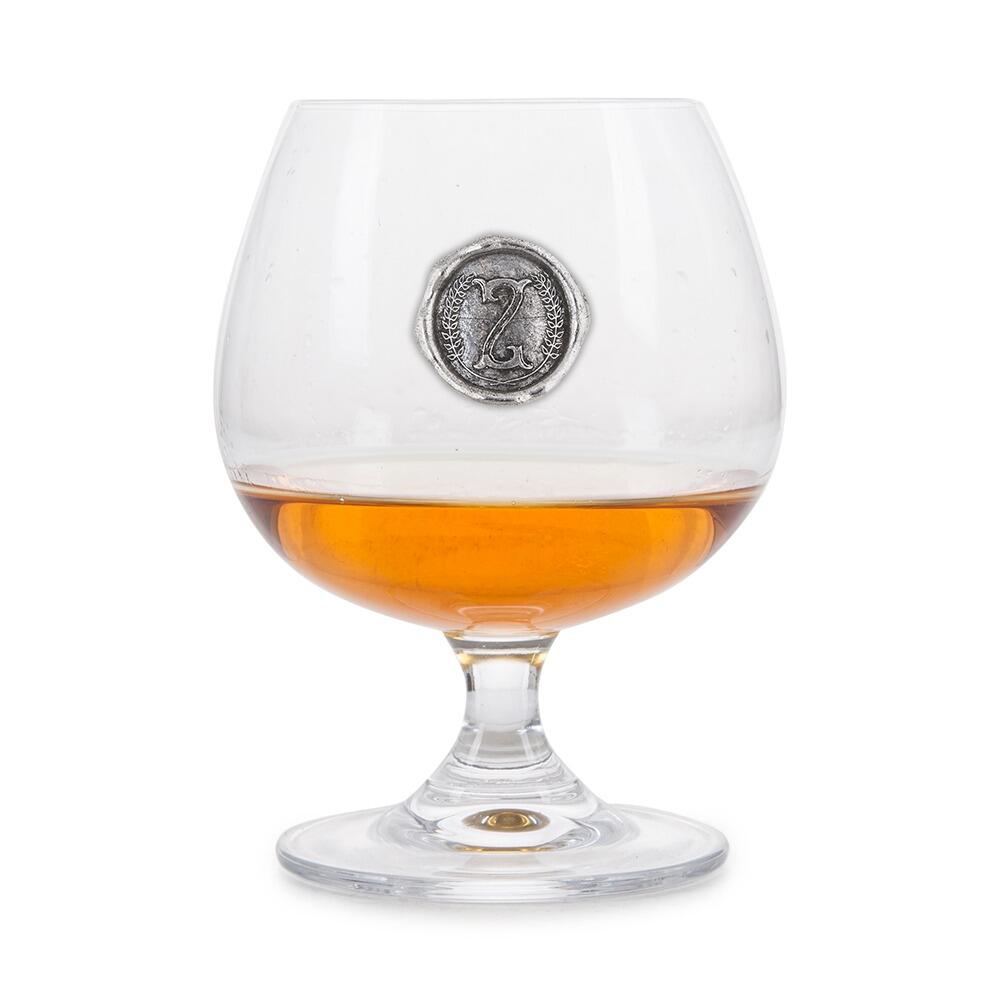
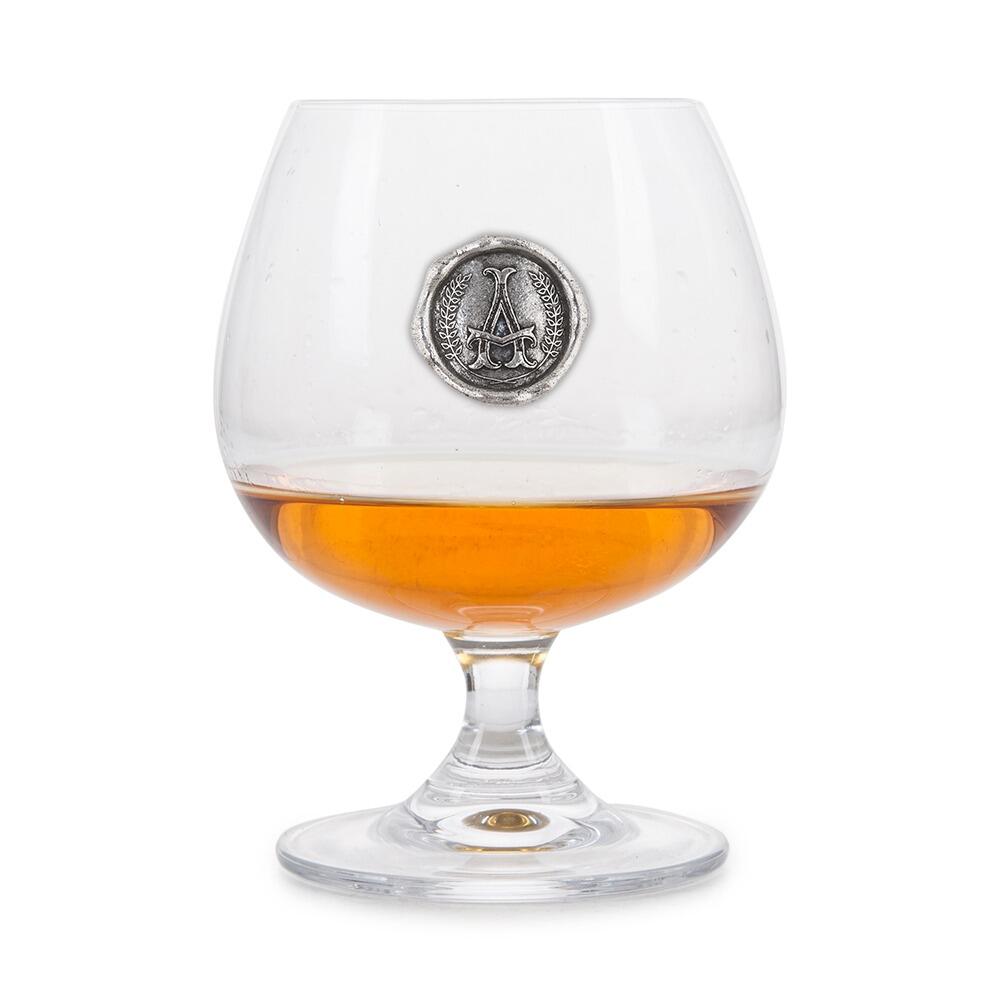
The tradition of personalized pewter drinking vessels has a particularly rich history. In medieval and Renaissance Europe, individuals often owned their own tankards, which might be engraved with their initials or family crests. This tradition continues with items like our Personalised Brandy Glass with Pewter Initial Monogram, which allows contemporary individuals to participate in this historical practice. Personalization transforms a functional object into something more meaningful – a marker of identity and ownership that can be passed down through generations, accumulating stories and memories along the way.
Beyond individual drinking vessels, pewter has played a role in more formal dining traditions. Chargers, serving platters, and centerpieces in pewter added elegance to the table while serving practical functions. The subtle lustre of pewter provided a sophisticated backdrop for the food being served, enhancing the overall dining experience. In the Georgian and Victorian eras, elaborate pewter epergnes (tiered centerpieces) became fashionable for formal dining tables, combining decorative beauty with practical functionality for serving fruits, sweetmeats, and other delicacies.
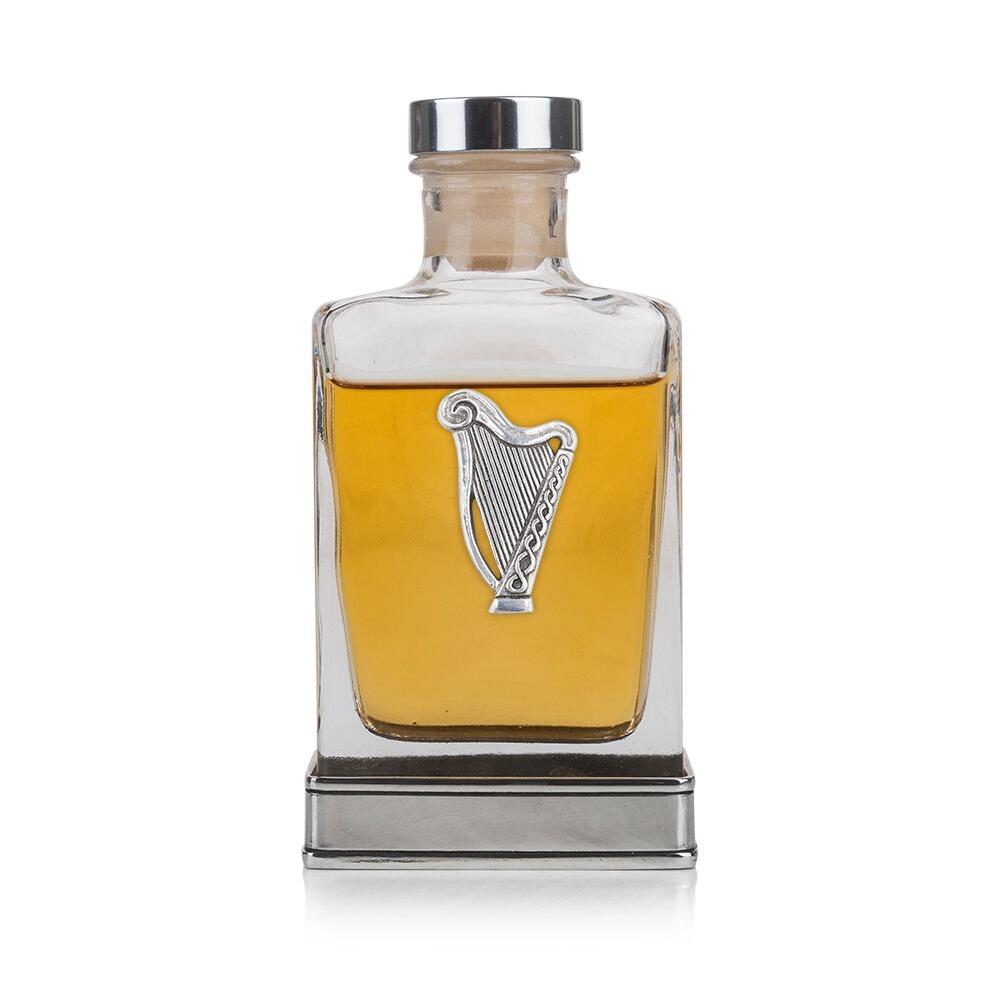
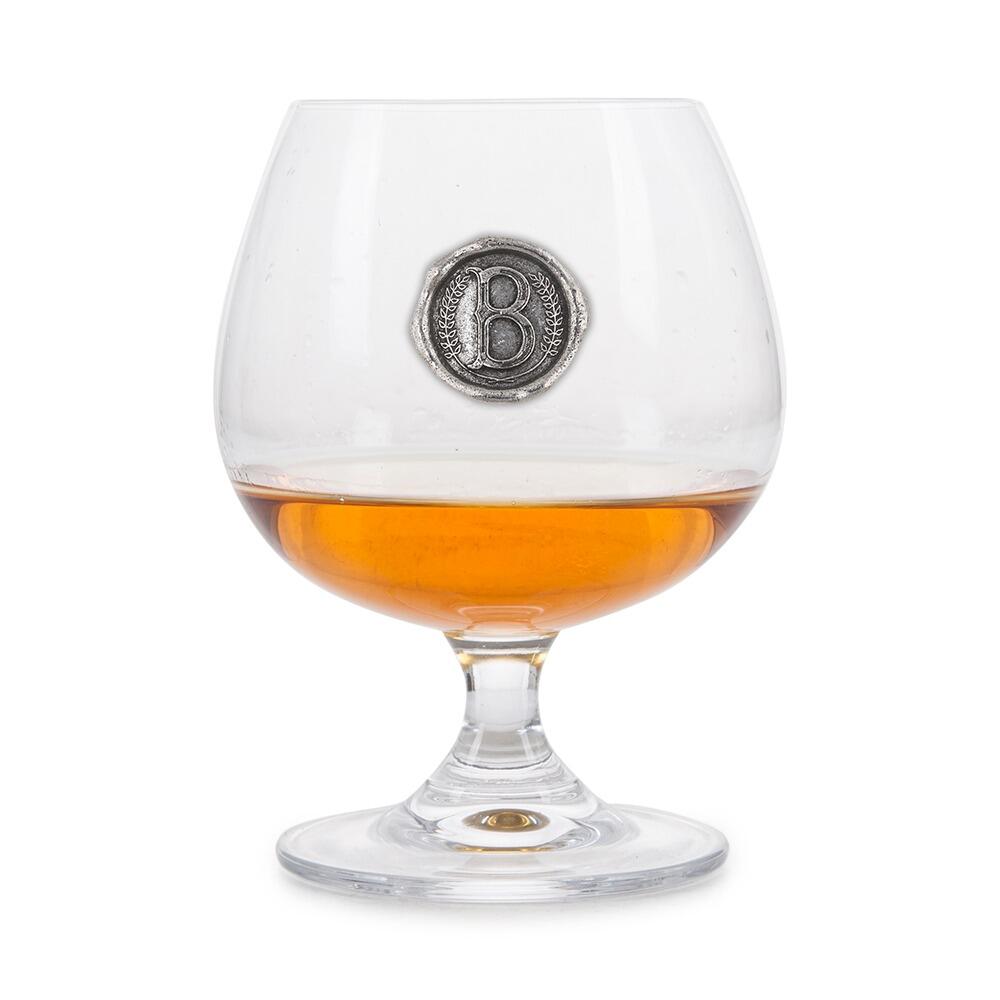
In contemporary homes, pewter continues to enhance dining and entertaining spaces. The material's versatility allows it to complement various table settings, from casual gatherings to formal occasions. Pewter items add a touch of elegance without the preciousness of silver, making them suitable for regular use rather than being reserved for special occasions only. Modern pewter pieces often combine traditional forms with contemporary design elements, creating versatile items that work well in diverse interior styles – from rustic farmhouse kitchens to sleek, minimalist dining rooms.
The significance of pewter in dining traditions extends beyond its functional and aesthetic qualities. Pewter items often become cherished heirlooms, passed down through generations along with the stories and memories associated with them. This aspect of pewter's appeal connects contemporary homeowners to historical traditions of hospitality and conviviality, adding depth and meaning to their home decor choices. A pewter tankard that has been used for celebrations across decades carries with it the echoes of toasts made and moments shared, embodying family history in a tangible form that continues to play an active role in current entertaining traditions.
Collecting and Displaying Pewter as Home Decor
For many enthusiasts, collecting pewter items has become a rewarding hobby that combines appreciation for craftsmanship with an interest in history. These collections, thoughtfully displayed, can become striking elements of home decor that tell a story and create visual interest. The act of collecting connects individuals to broader traditions of connoisseurship and material culture, while the resulting displays transform private spaces into personal museums that reflect the collector's tastes, interests, and knowledge.
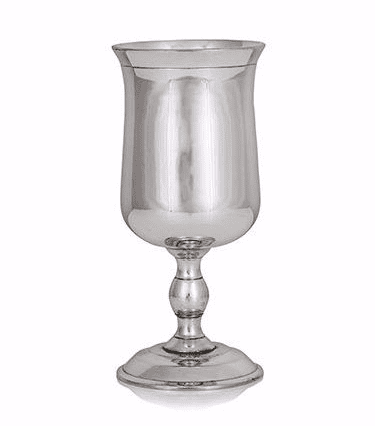
Collectors often focus on specific categories of pewter items, such as goblets, flagons, or pieces from particular historical periods or regions. This specialization allows for a more cohesive collection and deeper knowledge of the specific area of interest. Our range of pewter goblets, for instance, includes various styles that would form the basis of an impressive collection. Specialized collections might focus on particular makers, historical periods, or functional categories, each approach offering different insights into the rich tradition of pewter craftsmanship and its role in material culture across time and place.
When displaying pewter collections, several approaches can enhance their impact as decorative elements. Open shelving allows pieces to be viewed from multiple angles and can create a dramatic focal point in a room. Glass-fronted cabinets protect items from dust while still keeping them visible, and strategic lighting can highlight the subtle lustre of the pewter surface. The arrangement of pewter collections can follow various organizing principles – chronological, typological, or purely aesthetic – each creating different visual effects and narratives. Grouping similar items together creates a strong visual statement, while interspersing pewter pieces among other decorative elements creates a more integrated, eclectic display.
For those new to collecting pewter, it's worth noting that both antique and contemporary pieces have their appeal. Antique pewter carries the patina of age and historical significance, while contemporary pieces like those in our collection offer the advantage of being food-safe and designed with modern aesthetics in mind. Many collectors combine both, creating displays that highlight the continuity of pewter traditions across time while also celebrating contemporary innovations in the craft. This approach creates rich, layered collections that speak to both history and current artistic expression.

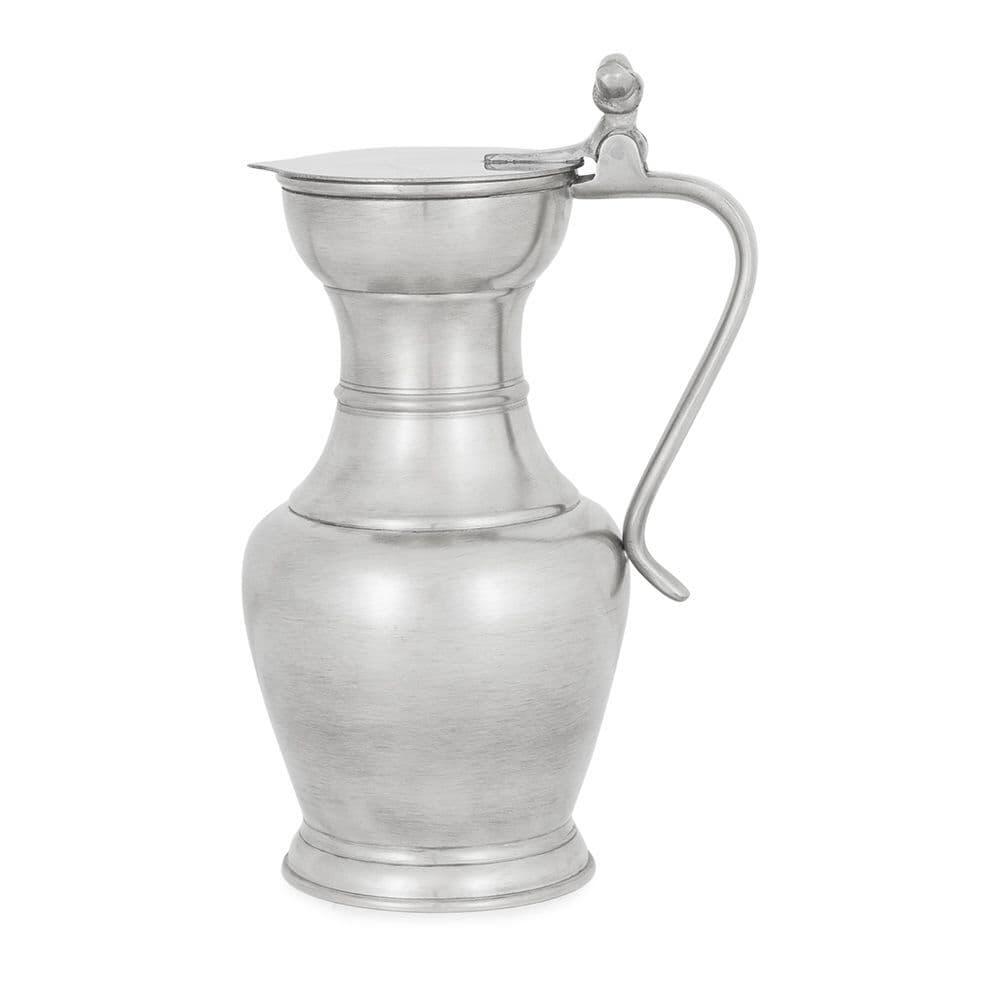
Mixing pewter with other materials can create particularly striking displays. The cool tones of pewter complement warm woods, while the matte finish provides an interesting contrast to shinier metals or glass. This versatility makes pewter an excellent choice for eclectic interior design schemes that combine elements from different periods and styles. In traditional interiors, pewter might be paired with antique furniture and rich textiles, while in contemporary spaces, pewter pieces can provide a historical counterpoint to more modern elements, creating a dialogue between past and present that adds depth and interest to the overall design.
Beyond their aesthetic appeal, pewter collections can serve as conversation starters and expressions of personal interest. Each piece has a story, whether it's about the historical period it represents, the craftsmanship involved in its creation, or the memories associated with when and where it was acquired. This narrative dimension adds depth to home decor, making spaces more personal and engaging. A thoughtfully curated pewter collection transforms a house into a home that reflects the inhabitants' interests, knowledge, and appreciation for craftsmanship and history, creating environments that are not just visually pleasing but intellectually and emotionally engaging.
Caring for Pewter: Preserving History and Beauty
Proper care of pewter items ensures they maintain their beauty and can be enjoyed for generations to come. Unlike some other metals, pewter develops a distinctive patina over time that many collectors and enthusiasts prize as part of its character and historical authenticity. This natural aging process is part of pewter's charm, creating a surface that tells the story of the object's life and use. Understanding how to care for pewter appropriately allows owners to preserve both the material integrity and the aesthetic qualities that make these pieces so appealing.


For regular cleaning, a gentle approach is best. Warm water with a mild soap is usually sufficient for removing dust and fingerprints. Harsh chemicals and abrasive cleaners should be avoided, as they can damage the surface of the pewter. After washing, pewter should be thoroughly dried to prevent water spots. For stubborn tarnish or dullness, specialized pewter cleaners are available, but even these should be used sparingly and according to the manufacturer's instructions to avoid damaging the natural patina that gives pewter its distinctive character and historical authenticity.
For pewter items used with food or beverages, such as our Skull Pewter Whisky Tumbler or Pewter Stag Beer Glass, regular use actually helps maintain their appearance. The natural oils from hands and food contribute to the development of the patina that gives pewter its characteristic look. This practical aspect of pewter care aligns perfectly with the material's traditional role in dining and entertaining – these items were meant to be used and enjoyed, not merely displayed. The marks of use that accumulate over time become part of the object's history and character, enhancing rather than diminishing its appeal.
Storage considerations are also important for preserving pewter items. They should be kept in a dry environment, as excessive humidity can lead to oxidation. When storing pewter pieces that aren't on display, wrapping them in acid-free tissue or cloth can prevent scratches and minimize dust accumulation. Avoiding extreme temperature fluctuations will also help preserve the integrity of pewter items, as repeated expansion and contraction can potentially stress the metal over time. For valuable or antique pewter pieces, consulting with a conservation specialist may be worthwhile to develop a preservation plan tailored to the specific needs of the collection.
For those who prefer a brighter finish, pewter can be polished with products specifically designed for this metal. However, many enthusiasts appreciate the subtle changes that occur as pewter ages, seeing them as part of the material's charm and historical character. This perspective aligns with broader trends in interior design that value authenticity and the visible passage of time.
Conclusion: The Enduring Legacy of Pewter in Home Decor
The journey of pewter through human history, from its ancient origins to its place in contemporary home decor, reveals a remarkable story of adaptation, resilience, and enduring appeal. This versatile alloy has weathered changing fashions, technological revolutions, and cultural shifts, consistently finding new expression while maintaining its essential character. The historical significance of pewter in home decor extends far beyond its aesthetic qualities – it represents an unbroken chain of human creativity, skill, and appreciation for beauty that connects us directly to our ancestors and their domestic environments.
What makes pewter particularly compelling in today's home decor landscape is its unique ability to bridge temporal divides. In an era increasingly dominated by mass production and disposable goods, pewter represents continuity and authenticity. Each handcrafted piece carries within it the accumulated knowledge of generations of artisans, embodying techniques refined over centuries while remaining relevant to contemporary sensibilities. This temporal depth adds profound meaning to pewter items beyond their immediate visual appeal, transforming them into tangible links to human heritage and cultural continuity.
The versatility that has ensured pewter's survival across millennia continues to serve it well in modern interiors. Whether incorporated into minimalist contemporary spaces as sophisticated accent pieces or displayed in traditional settings that celebrate historical authenticity, pewter adapts to diverse aesthetic contexts while maintaining its distinctive character. This adaptability reflects the material's fundamental qualities – its subtle lustre that enhances rather than dominates, its substantial presence that conveys quality and permanence, and its capacity for both functional use and decorative display.
The cultural dimensions of pewter add another layer of significance to its role in home decor. As we've seen, different societies have imbued pewter with meanings that reflect their values, beliefs, and social structures. In bringing pewter into our homes today, we participate in this ongoing cultural dialogue, choosing objects that resonate with our personal heritage, aesthetic preferences, and lifestyle aspirations. Whether through Celtic knotwork that speaks to spiritual beliefs, family crests that celebrate lineage, or contemporary designs that reflect modern sensibilities, pewter items become expressions of identity and connection to broader cultural narratives.
The craft traditions associated with pewter also speak to contemporary concerns about authenticity, sustainability, and the value of human skill. In an age when automated production dominates, the sight and touch of handcrafted pewter provides tangible evidence of human creativity and expertise. Supporting contemporary pewter craftspeople not only ensures the continuation of these valuable skills but also contributes to sustainable production practices that value quality over quantity, longevity over disposability, and individual expression over standardization.
Looking forward, pewter's role in home decor seems assured by its fundamental qualities and the growing appreciation for authentic, crafted objects. As consumers become increasingly sophisticated about the provenance and quality of the items they bring into their homes, pewter's combination of historical significance, artistic merit, and practical functionality positions it well for continued relevance. The material's capacity for innovation within traditional frameworks allows contemporary designers and craftspeople to create pieces that honor pewter's heritage while meeting modern needs and aesthetic preferences.
At A.E. Williams, we are proud to be part of this continuing story, creating contemporary pewter pieces that maintain the highest standards of traditional craftsmanship while embracing modern design possibilities. Our collection represents not just decorative objects but investments in cultural continuity, supporting the preservation of invaluable craft skills while providing our customers with items of lasting beauty and significance.
The historical significance of pewter in home decor ultimately transcends the material itself, encompassing broader themes of human creativity, cultural continuity, and the enduring appeal of authentic craftsmanship. In choosing pewter for our homes, we make a statement about our values – our appreciation for quality, our respect for tradition, and our desire to surround ourselves with objects that carry meaning beyond their immediate function. As we continue to navigate an increasingly complex and fast-paced world, the quiet confidence and timeless appeal of pewter offers a welcome anchor to deeper values and enduring beauty, ensuring its place in homes for generations to come.