
Ultimate Guide to Mechanical Pocket Watches for Collectors: Value, Craftsmanship & Buying Tips

Mechanical pocket watches have moved from everyday necessity to prized collectible, with exceptional examples now fetching hundreds of thousands at auction. A Charles Frodsham minute repeating pocket watch with tourbillon, perpetual calendar and moon‑phase has carried estimates of up to USD 400,000, showing just how serious this niche has become. Whether you are drawn to the engineering, the heritage, or the simple pleasure of winding a watch by hand, understanding movements, cases, value, and care is essential before you add the next piece to your collection.
Key Takeaways
| Question | Answer |
|---|---|
| What is a mechanical pocket watch? | A mechanical pocket watch is powered by a mainspring and gear train rather than a battery. It requires regular winding and is prized by collectors for its traditional engineering and tactile experience. |
| Are mechanical pocket watches still worth collecting? | Yes. Auction results show strong demand: a Patek Philippe chronometer from 1913 carried an estimate of USD 100,000–200,000, while even simpler vintage gold pieces regularly sell in the low four‑figure range. |
| Where can I buy new gift‑worthy pocket watches? | Specialist makers and pewter houses offer quartz and mechanical models designed for gifting. For example, the curated collection at AE Williams – Pocket Watches focuses on presentation, engraving options and classic styling. |
| How do I start a pocket watch collection on a budget? | Begin with robust entry‑level mechanical or even quartz pocket watches for regular wear, then gradually add higher‑value vintage or complicated pieces as your knowledge and budget grow. |
| What accessories complement a pocket watch collection? | Collectors often pair pocket watches with heritage drinkware and desk clocks to create a cohesive display. Coordinated pewter giftware, such as decanter and tumbler sets or classic pewter clocks, can enhance the overall aesthetic. |
| Can pocket watches be personalised as gifts? | Yes. Many modern pocket watches are sold with engraving services, similar to personalised glassware such as a stemmed beer glass with pewter monogram, making them ideal heirloom gifts. |
| How important is provenance? | Provenance can dramatically alter value. The pocket watch of Titanic victim Isidor Straus achieved £1.78 million at auction, showing how history and ownership can outweigh the pure material value of a watch. |
1. Mechanical vs Quartz Pocket Watches: What Collectors Need to Know
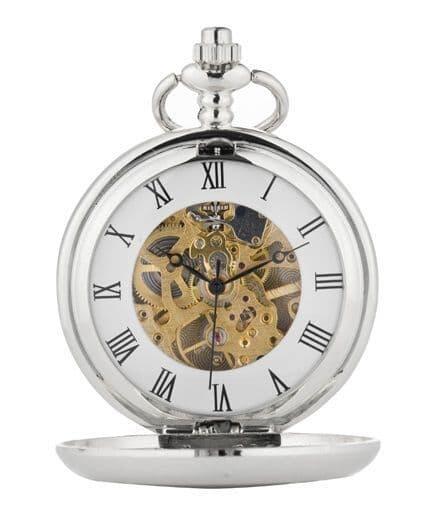
For collectors, the first major decision is whether to buy mechanical or quartz pocket watches. Mechanical watches use a mainspring, balance wheel and escapement and must be wound, while quartz watches use a battery‑powered quartz crystal for accuracy and low maintenance.
Quartz pocket watches still have a place in a serious collection, especially for daily wear, travel or as personalised gifts. Many modern pewter designs, such as those found in curated ranges, are available in both quartz and mechanical movements, giving you flexibility across price points and usage.
Why Enthusiasts Prefer Mechanical Movements
Collectors tend to favour mechanical movements because they represent traditional horology and contain dozens or even hundreds of parts working together. Winding a mechanical pocket watch and feeling the resistance of the mainspring connects you directly with the mechanism.
Mechanical watches also offer complications—such as repeaters, chronographs, moon‑phases and perpetual calendars—that are much more interesting mechanically than their electronic equivalents, and these features drive substantial collector demand and value.
Where Quartz Still Makes Sense
Quartz pocket watches are cheaper to produce and easier to service, so they are practical for engraved gifts or as a “daily beater” in your pocket. They can also be housed in the same decorative pewter cases as mechanical pieces, allowing visual consistency across a collection.
If you are just beginning, owning a mix of quartz for reliability and mechanical for enjoyment can be an effective way to build breadth without over‑stretching your budget.
2. Understanding Movements and Complications in Pocket Watches
At the heart of every mechanical pocket watch is its movement, and collectors quickly learn to differentiate simple time‑only calibres from those with additional complications. Each complication adds both mechanical interest and potential market value.
Some of the most sought‑after vintage pocket watches include minute repeaters, tourbillons, chronographs and perpetual calendars. These features are not merely decorative; they represent pinnacle engineering achievements from the late 19th and early 20th centuries.
Key Types of Mechanical Movements
- Time‑only – hours, minutes (and sometimes seconds); ideal as an entry point.
- Chronograph – allows timing of intervals, popular with sporting or scientific provenance.
- Repeater – chimes the time on demand using hammers and gongs inside the case.
- Tourbillon – rotating cage for the escapement, originally intended to counteract positional errors.
- Perpetual Calendar – automatically adjusts for different month lengths and leap years.
Complications and Value
Complexity tends to correlate with value. For example, a 1925 Patek Philippe minute repeating chronograph pocket watch was estimated at USD 20,000–40,000, reflecting strong demand for high‑grade repeaters with additional functions. Similarly, rare multi‑complication pieces combining moon‑phase, perpetual calendar and chronograph can reach well into five figures.
However, you do not need to chase the most complicated examples to build a rewarding collection. Time‑only or simple calendar pocket watches from reputable makers can offer excellent value, historical charm and easier servicing.
3. How Pocket Watch Values Are Determined
Prices for mechanical pocket watches range from under a hundred for simple modern pieces to six‑figure sums for historically important or ultra‑complicated examples. Understanding the levers of value will help you spot opportunity and avoid overpaying.
The main drivers are brand, movement type, complications, case material, condition and provenance. Auction estimates and realised prices are useful benchmarks when you evaluate potential additions to your collection.
Key Factors That Influence Price
| Factor | Impact on Value |
|---|---|
| Brand / Maker | Top‑tier houses like Patek Philippe and Frodsham command strong premiums. |
| Complications | Repeaters, tourbillons, perpetual calendars and chronographs significantly increase value. |
| Case Material | 18ct gold, platinum and heavy silver generally out‑price base metals. |
| Condition | Original dials, hands and minimal polishing preserve both value and desirability. |
| Provenance | Association with notable owners or events can multiply value many times over. |
Real‑World Pricing Examples
At the top end, a Charles Frodsham minute repeating pocket watch featuring tourbillon, perpetual calendar and moon‑phase has been estimated between USD 200,000 and 400,000, underscoring what the market will pay for extreme complexity and craftsmanship. More accessible, a heavy Victorian 18ct gold gentleman’s key‑wind pocket watch recently hammered for around USD 4,664, illustrating that traditional gold time‑only pieces remain liquid and collectible.
Collectors should also watch the mid‑market: high‑grade repeaters by makers such as Jules Jurgensen, which can be estimated in the USD 8,000–16,000 range, offer a comparatively attainable entry into serious complications.
4. Cases, Metals and Design Styles: Choosing the Right Look
Beyond the movement, the case and overall design of a mechanical pocket watch define its personality. Collectors often specialise in particular case types or decorative styles, from heavy Victorian gold to modern pewter and engraved lids.
Common case types include open‑face, half‑hunter and full hunter. Hunters protect the crystal and dial with a hinged lid, which can also be engraved with monograms, crests or decorative scenes.
Popular Materials
- Gold (9ct, 14ct, 18ct) – associated with higher‑end pieces; weight and hallmarks are important to check.
- Silver – common in British and continental watches; tarnish can be cleaned with care.
- Pewter – widely used in modern giftware cases, offering a classic look at accessible prices.
- Base metals – nickel or plated brass; often used in everyday or military pieces.
Modern Pewter Pocket Watch Designs
For collectors who appreciate craftsmanship beyond traditional precious metals, pewter‑cased pocket watches offer a distinctive alternative. These often pair classic dials with ornate lids or relief designs, echoing the styling of other pewter giftware like goblets and drinkware.
Because pewter is softer than steel, these cases lend themselves well to detailed motifs and personalised engraving, making them ideal for commemorative watches, weddings, or milestone birthday gifts.
5. Building a Pocket Watch Collection: Strategy for New and Experienced Collectors
Whether you are starting from zero or refining an established collection, a clear strategy will save money and help you acquire pieces that genuinely fit your interests. Rather than buying opportunistically, define what you want your collection to say.
Some collectors focus on a single brand, others on complications, case types or historical eras. There is no single “right” approach, but clarity will guide your purchases and future disposals.
Entry‑Level to Advanced: A Staged Approach
- Stage 1 – Reliable Wearers: Start with robust mechanical or even quartz pocket watches for regular use, ideally with modern cases that can handle pocket wear.
- Stage 2 – Character Pieces: Add vintage time‑only movements with interesting dials, engraving or unusual cases.
- Stage 3 – Complications: Introduce chronographs, repeaters or calendar watches as your knowledge and servicing budget grow.
- Stage 4 – Trophy Pieces: Consider high‑value watches with tourbillons, rare signatures or exceptional provenance.
Budgeting and Diversification
It can be tempting to pour your entire budget into one spectacular piece, but many collectors prefer a balanced mix of values. Combining one or two “hero” watches with several more affordable but historically interesting pieces spreads risk and keeps the hobby enjoyable.
Remember to factor in servicing costs, secure storage and insurance. These ongoing expenses are part of responsible collecting, especially as your pocket watch portfolio value increases.
6. Provenance and Historical Significance: Why Stories Matter
Beyond mechanics and materials, the story behind a pocket watch can be one of its greatest assets. Provenance includes previous owners, documented service history, original boxes and papers, and connections to historical events.
Remarkable examples demonstrate how provenance can overshadow the intrinsic value of gold and movement. The pocket watch carried by Isidor Straus, a victim of the Titanic disaster, sold for a record £1.78 million, driven largely by its link to a pivotal moment in history.
Evaluating Provenance
- Documentation: Original invoices, certificates and service records add credibility.
- Engravings: Named inscriptions, dedications or crests can sometimes be traced.
- Archival References: Manufacturer archives or auction catalogues can help reconstruct a watch’s journey.
When assessing a potential purchase, ask what makes this particular watch unique. A modestly priced pocket watch with a traceable family story can be more emotionally satisfying than a more expensive but anonymous piece.
7. Caring for Mechanical Pocket Watches: Maintenance and Handling
Mechanical pocket watches are resilient, but they are not indestructible. Thoughtful handling and regular servicing will keep them running accurately and preserve their cosmetic condition for the next generation of collectors.
Unlike modern wristwatches, many vintage pocket watches are not shock‑resistant or water‑resistant, so you should treat them with particular care when carrying and storing them.
Basic Care Guidelines
- Winding: Wind at the same time each day, stopping as soon as you feel resistance.
- Storage: Keep in a soft pouch or lined box, away from magnets and extreme temperature swings.
- Servicing: Have a qualified watchmaker service mechanical pocket watches every 3–5 years.
- Cleaning: Use a soft cloth for cases; avoid harsh chemicals that can damage dials or lume.
For display, many collectors place pocket watches in cabinets alongside complementary heritage pieces such as pewter hip flasks or engraved glassware, achieving a coherent look while keeping watches protected.

8. Presentation, Display and Gifting Mechanical Pocket Watches
Presentation is a significant part of the pocket watch experience, especially when you give one as a gift or build a display at home. A well‑chosen box, chain and companion pieces can elevate a simple watch into a complete heirloom set.
Many modern pocket watches are sold in presentation boxes with engraving options, mirroring the approach used for personalised drinkware and pewter gifts. This makes them ideal for weddings, retirements and landmark birthdays.
Coordinating with Heritage Drinkware and Accessories
Collectors often enjoy curating a wider theme, pairing pocket watches with traditional glass and pewter items in a cabinet or bar area. For example, a mechanical pocket watch can sit alongside a personalised stemmed pint glass or monogrammed whisky tumbler to create a cohesive vignette.
Such combinations are particularly effective when the design language is consistent: pewter badges and monograms, classic typefaces and matching wooden presentation boxes all contribute to a unified, timeless look.


9. AE Williams & Pewter Giftware: A Modern Home for Classic Pocket Watches
Contemporary pewter specialists such as AE Williams provide a bridge between traditional pocket watch aesthetics and modern gifting expectations. Their pocket watch collections typically feature quartz and mechanical options, supplied in presentation boxes with engraving services.
These watches coordinate visually with an extensive range of pewter‑accented drinkware—brandy glasses, whisky tumblers, goblets and hip flasks—allowing collectors to build a unified display or gift set around a central timepiece.
Example Price Points and Complementary Pieces
While specific pocket watch prices vary, related pewter and crystal items give a sense of the accessible luxury segment these products occupy. For instance:
- Her Better Half Crystal Brandy Glass – around $30.38, with a pewter label matching the classic aesthetic of a polished pocket watch.
- The World's Best Brandy Glass with Pewter Label – about $25.22, suitable as a companion gift to a timepiece.
- Artisanal Barrel Crystal Brandy Glass – around $30.38, evoking the same sense of craftsmanship as a mechanical movement.
By pairing a mechanical pocket watch with such pieces, collectors can create complete, themed sets for display or gifting that highlight both horological and metalworking traditions.
10. Pairing Pocket Watches with Themed Collections and Bars
Many enthusiasts treat pocket watches as part of a broader lifestyle collection, pairing them with themed home bars, libraries or studies. The aim is to create an environment where the watch feels at home, rather than an isolated object in a drawer.
Pewter‑accented whisky tumblers, engraved brandy snifters and hip flasks all sit comfortably alongside a chain‑draped pocket watch on a wooden tray or glass shelf, reinforcing a sense of continuity between timekeeping and leisure rituals.
Practical Ideas for Cohesive Displays
Combine a polished mechanical pocket watch on a stand with a matching crystal tumbler, a pewter‑based hip flask and a slate coaster to create a compact, self‑contained display on a sideboard or desk.
- Use consistent materials—pewter, crystal, slate—for visual harmony.
- Keep watches away from direct sunlight and moisture, even in open displays.
- Rotate watches periodically so each piece receives wear and maintenance attention.
This integrated approach not only shows your pocket watches to best advantage but also highlights the craft traditions that surround them, from glass‑blowing to metal engraving.
Conclusion
Mechanical pocket watches remain one of the most rewarding areas of collecting, combining engineering, artistry and history in an object you can hold in your hand. From modest time‑only pieces to six‑figure grand complications with tourbillons and perpetual calendars, there is a level for every budget and experience.
By understanding movements, complications, case styles, provenance and care, you can make informed decisions and build a collection that reflects your own tastes. Whether you complement your watches with pewter drinkware and heritage accessories or focus purely on the watches themselves, this is a field where knowledge and patience are consistently rewarded.